Table of Contents >> Show >> Hide
- What a Food Allergy Actually Is
- The Foods That Cause Most Reactions
- How Common Are Food Allergies?
- What Reactions Can Look Like in Real Life
- How Food Allergies Are Diagnosed
- What Treatment and Management Really Involve
- The Mental Load No One Sees
- Prevention, Hope, and What the Future Looks Like
- Final Thoughts
- Additional Experiences: 500 More Words on Living With Food Allergies
- SEO Tags
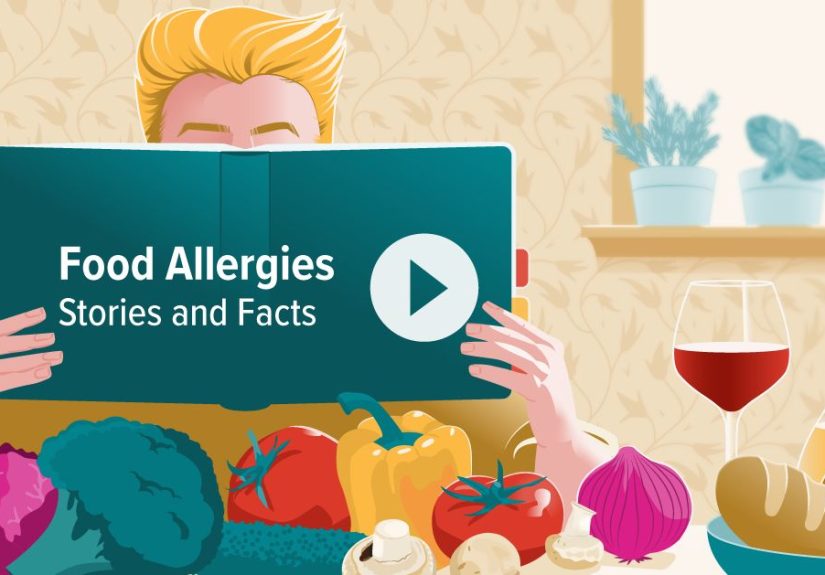
Food allergies are one of those health issues that can turn an ordinary moment into a full-blown plot twist. One second, someone is reaching for a cookie at a birthday party, and the next second, they are reading the ingredient label like it is the final exam for a class they never meant to take. For millions of Americans, that kind of vigilance is not dramatic. It is Tuesday.
That is what makes food allergies so personal. They are medical, yes, but they are also social, emotional, practical, and sometimes deeply exhausting. They show up at school lunches, office potlucks, weddings, first dates, airports, and family holidays. They influence what people eat, where they travel, how they shop, and who they trust with a simple phrase like, “Don’t worry, I made this myself.” In the world of food allergy, that sentence can be comforting or terrifying, depending on the kitchen.
This article breaks down the key facts on food allergies in plain English while also exploring the lived experiences behind the statistics. Because food allergies are not just about immune systems and ingredient labels. They are about real people trying to live full, normal, joyful lives while carrying a little extra caution in their backpack, purse, or back pocket.
What a Food Allergy Actually Is
A true food allergy happens when the immune system mistakes a food protein for a threat and reacts as though that food is an invading villain. In many cases, this is an IgE-mediated response, which means the body can react quickly and, in some situations, severely. Symptoms may include hives, itching, swelling, stomach pain, vomiting, wheezing, coughing, dizziness, or a dangerous whole-body reaction called anaphylaxis.
This is where an important distinction matters: a food allergy is not the same thing as a food intolerance. A food intolerance may be miserable, inconvenient, and enough to ruin a road trip, but it does not involve the immune system in the same way. Lactose intolerance, for example, is a digestive issue. A milk allergy is an immune response. That difference is not academic. It shapes diagnosis, treatment, and risk.
Food allergies can affect children and adults, and they do not always follow the script people expect. Some children outgrow certain allergies, especially to milk or egg. Others do not. Some adults develop a food allergy later in life and feel blindsided because they ate the trigger food for years without a problem. The body, apparently, did not get the memo that this was rude.
The Foods That Cause Most Reactions
In the United States, the nine major food allergens account for the vast majority of serious allergic reactions: milk, egg, peanut, tree nuts, wheat, soy, fish, shellfish, and sesame. These are the foods most clearly regulated on labels, and for good reason. They show up everywhere, from obvious foods like peanut butter and shrimp to sneaky ingredients hiding in sauces, baked goods, spice blends, candy, and processed snacks.
Sesame deserves a special mention because it is a good example of how food allergy awareness keeps evolving. Many Americans grew up thinking of the “big eight” allergens, but sesame is now part of the major allergen conversation and must be labeled on packaged foods in the United States. That matters for consumers, because sesame can appear in breads, crackers, marinades, dressings, and dishes where it is far from obvious.
Labels help, but labels are not magic. Families dealing with food allergies learn quickly that reading a package once is not enough. Ingredients can change. Manufacturing practices can change. A product that was safe last month can become risky this month. It is not paranoia when the label really did change. It is just annoying reality wearing a barcode.
How Common Are Food Allergies?
The exact numbers vary depending on how researchers define and measure food allergy, but the big picture is clear: food allergies are common, and they affect both kids and adults in large numbers. Recent U.S. data show that food allergy remains a significant public-health issue, with millions of children and adults living with diagnosed or likely food allergies.
For children, food allergy shapes everyday routines at school, after-school programs, birthday parties, and sports events. For adults, it can be equally disruptive, especially because adult-onset allergies are real. In one major U.S. study, nearly half of food-allergic adults reported that at least one of their food allergies began in adulthood. That finding matters because many people still assume food allergies are only a childhood issue. They are not.
Another striking detail from adult research is how serious the burden can be. A substantial share of food-allergic adults reported emergency department visits related to reactions. That is one reason allergists stress that even people with a history of “mild” reactions should not get too comfortable. Allergic reactions do not always repeat themselves in polite, predictable ways.
What Reactions Can Look Like in Real Life
The School Lunch Story
A parent packs a carefully planned lunch. The child knows the rules, the teacher knows the rules, and the school has an action plan. Then a classmate shares a snack, or a frosting-covered cupcake appears during a surprise birthday celebration, and suddenly the whole day changes. This is why food allergy management is never just about the child or the parent. It is about everyone in the room understanding that “just a bite” is not a harmless suggestion.
The Restaurant Story
An adult with shellfish allergy orders a safe-looking pasta dish. They explain the allergy clearly. The restaurant staff nods. But cross-contact in the kitchen can still happen if utensils, oil, grills, pans, or prep surfaces are shared. The meal arrives looking innocent and delicious, which is often how trouble likes to dress. People with food allergies learn to ask detailed questions not because they enjoy feeling awkward, but because the kitchen’s version of “separate enough” may not match their immune system’s standards.
The Holiday Story
Family gatherings are emotional even before someone says, “I forgot and used butter,” or “There are only a few walnuts on top, just pick them off.” Food allergy families often become accidental diplomats, trying to balance safety, gratitude, and boundary-setting without flipping the Thanksgiving table. Their experience highlights something outsiders may miss: food allergy management is not only clinical. It is deeply relational.
How Food Allergies Are Diagnosed
Diagnosis should begin with a careful medical history. What food was eaten? How much? How quickly did symptoms appear? What exactly happened? Was exercise involved? Was alcohol involved? Was this the first reaction or one of several? These details matter because many symptoms that seem like food allergy can also come from intolerance, infection, reflux, anxiety, or other medical conditions.
Allergists may use skin-prick testing or blood tests to look for allergic sensitization, but those tests do not tell the full story by themselves. A positive test is not the same thing as a confirmed clinical allergy. That is one reason specialists often warn patients not to self-diagnose based on internet trends or broad “food sensitivity” panels. Those shortcuts can lead people to cut out foods unnecessarily, which is expensive, stressful, and nutritionally messy.
When the diagnosis is still uncertain, an oral food challenge may be recommended under strict medical supervision. This is considered the most accurate way to confirm whether someone truly has a food allergy or has outgrown one. It is not a do-it-yourself experiment. “Let’s just see what happens at home” is not a brave plan. It is a bad one.
What Treatment and Management Really Involve
The first rule of food allergy management is allergen avoidance. That sounds simple until you remember how often food is shared, mislabeled, repackaged, or prepared by people who think sesame is decorative and nuts are optional. Avoidance requires label reading, recipe checking, restaurant questions, school communication, travel preparation, and constant backup planning.
For severe reactions or anaphylaxis, epinephrine is the first-line treatment. Not crossed fingers. Not a nap. Not a social media search. Epinephrine. Antihistamines may help with mild symptoms such as itching or hives, but they do not replace epinephrine when a serious reaction is underway. Anyone with a diagnosed food allergy should talk with their clinician about whether they need an epinephrine auto-injector and how to use it correctly.
Emergency care plans also matter. A written plan helps parents, schools, caregivers, relatives, coaches, and friends know what symptoms to watch for and what steps to take. In a crisis, clear instructions beat vague memories every time. This is especially important for children, who may not always be able to describe their symptoms clearly before a reaction escalates.
Management may also include regular follow-up with an allergist, nutrition support, and discussion of newer treatment options. Oral immunotherapy can help some patients increase their tolerance to a trigger food under medical supervision, though it is not a free pass to eat without caution. More recently, omalizumab gained U.S. approval to help reduce allergic reactions from accidental exposure to one or more foods in certain patients. Even then, avoidance still matters. Science is advancing, but it has not replaced common sense.
The Mental Load No One Sees
Food allergies create a kind of invisible project management system in daily life. Before anyone else notices the dinner menu, the person with the allergy has already checked ingredients, asked follow-up questions, scanned for risk, and located the nearest exit plan. That mental load can be tiring, especially for parents of young children, teens trying to fit in, and adults who are expected to act casual while doing twenty small safety calculations in their head.
There is also the emotional side. Some people feel embarrassed speaking up. Some feel guilty for inconveniencing others. Some become hypervigilant after a severe reaction. Children may feel isolated at parties or school events. Teenagers may be tempted to take risks because they are tired of being “the allergy kid.” Adults may downplay symptoms to avoid seeming difficult. None of these reactions are irrational. They are human.
This is why the best food allergy support combines medical accuracy with social understanding. It is not enough to tell people what to avoid. They also need practical ways to live well, advocate for themselves, and feel included in normal life.
Prevention, Hope, and What the Future Looks Like
One of the most encouraging developments in allergy science has been prevention research, especially around peanut allergy. U.S. guidance now supports earlier peanut introduction for many infants, with special recommendations for babies at higher risk because of severe eczema or egg allergy. In other words, the old advice to delay peanut for a long time has changed. Parents should follow pediatric or allergy guidance, but the shift is important: prevention science has moved forward.
Research is also broadening the treatment conversation. In recent years, more clinical work has explored food immunotherapy, biologic medications, better diagnostics, and strategies to reduce the burden of accidental exposure. That does not mean a universal cure is here. It does mean the future is not standing still.
And that matters, because the most powerful fact about food allergies may be this: people are getting better tools. Better labels. Better guidelines. Better treatments. Better awareness. Better plans for schools and families. For a community that has spent years living with uncertainty, better is not a small thing.
Final Thoughts
Food allergies are both a medical condition and a daily-life condition. They live in clinic visits and emergency plans, but they also live in lunchboxes, grocery aisles, weddings, dorm rooms, office kitchens, and family group chats. The key facts matter because they save lives: know the triggers, get the diagnosis right, treat severe reactions with epinephrine, and take cross-contact seriously. But the personal stories matter too, because they remind us that food allergy management is not only about avoiding danger. It is about protecting normalcy, confidence, and peace of mind.
The people living with food allergies are not asking for a dramatic reinvention of the world. Usually, they are asking for accurate labels, honest communication, emergency readiness, and a little patience when they ask, “Can you check what’s in that?” That question may sound small, but for someone with a food allergy, it can be the difference between a pleasant evening and a medical emergency.
So yes, food allergies are serious. But they are also manageable, increasingly understood, and surrounded by more support than ever before. With the right information and habits, people with food allergies can do much more than stay safe. They can live fully, eat thoughtfully, travel confidently, and keep showing up for life with equal parts courage and snack skepticism.
Additional Experiences: 500 More Words on Living With Food Allergies
Ask ten people about their experience with food allergies, and you will hear ten different versions of the same theme: planning ahead becomes second nature. One college student may talk about moving into a dorm and realizing that the dining hall was not simply “convenient.” It was a place that required detective work. Which stations used shared utensils? Which sauces were made in-house? Which staff members really understood the difference between an ingredient and cross-contact? For students with food allergies, independence often begins not with laundry or budgeting, but with learning how to ask hard questions in a line full of hungry strangers.
Parents often describe a different kind of tension. At home, they can create routines, label shelves, and control ingredients. Outside the home, they have to trust other people. That is why preschool drop-off can feel emotionally bigger than it looks. It is not just a cheerful goodbye. It is a handoff of safety, education, and responsibility. Parents of children with food allergies often become excellent communicators because they have to be. They send ingredient-safe snacks, update medication forms, explain emergency plans, and repeat key instructions enough times to deserve honorary project-management certificates.
Teenagers face their own challenges because adolescence is already a full-time job. Add food allergy to that, and everyday situations become loaded with social pressure. A teen may know exactly what to do medically, yet still hesitate to ask about ingredients on a date or at a friend’s house. Nobody wants to look demanding at sixteen. But many teens with food allergies learn an impressive lesson early: speaking up is not overreacting. It is maturity in action.
Adults with newly developed food allergies often talk about disbelief. They remember eating shrimp for years, or enjoying nuts on salads, and then suddenly dealing with hives, swelling, or worse. That experience can feel strange and unfair because adult-onset allergy disrupts the assumption that the past predicts the future. It also forces people to relearn routines they thought were settled. Grocery shopping changes. Favorite restaurants change. Travel changes. Even confidence changes for a while.
Then there are the quieter stories, the ones outsiders rarely notice. The person who always brings their own dessert so they do not have to gamble on the buffet. The child who reads labels before learning long division. The employee who keeps epinephrine nearby but hopes nobody ever notices it. The family member who calls ahead before every holiday dinner, not because they are picky, but because they want to stay alive and still make it to pie. These stories are not dramatic headlines. They are the ordinary texture of life with food allergies.
And yet many people in the food allergy community develop remarkable resilience. They become organized, informed, adaptable, and calm under pressure. They learn which questions matter, which restaurants are trustworthy, and which friends are the kind who say, “I checked the ingredients for you.” In the end, that may be the most human truth of all: food allergies create inconvenience, risk, and stress, but they also reveal care, preparation, and the everyday power of people looking out for one another.