Table of Contents >> Show >> Hide
- What Is a Pomegranate?
- Pomegranate Nutrition: What Is Inside Those Ruby Seeds?
- Health Benefits of Pomegranates
- Pomegranate Juice vs. Pomegranate Seeds
- How to Choose a Good Pomegranate
- When Are Pomegranates in Season?
- How to Cut and Seed a Pomegranate Without Creating a Crime Scene
- How to Store Pomegranates
- How to Eat Pomegranates
- Cooking With Pomegranate: Flavor Pairings That Work
- Are There Any Risks or Downsides?
- Buying Pomegranate Products: What to Know
- Common Pomegranate Questions
- Real-Life Experience: Learning to Love Pomegranates
- Conclusion
Pomegranates are the drama queens of the fruit bowl, and honestly, they have earned the title. They arrive with a crown, wear a leathery red jacket, and hide hundreds of ruby-colored arils inside like tiny edible jewels. One minute you are admiring them at the grocery store; the next, you are wondering whether you need a chef’s knife, a rain poncho, and emotional support to open one.
The good news? Pomegranates are much easier to enjoy than their mysterious appearance suggests. Once you understand how to choose them, cut them, store them, and use them, they become one of the most exciting fruits you can keep in your kitchen. This complete guide covers pomegranate nutrition, health benefits, flavor, seasonality, storage, preparation, recipe ideas, buying tips, and real-life experience from the battlefield known as “trying not to stain your shirt.”
What Is a Pomegranate?
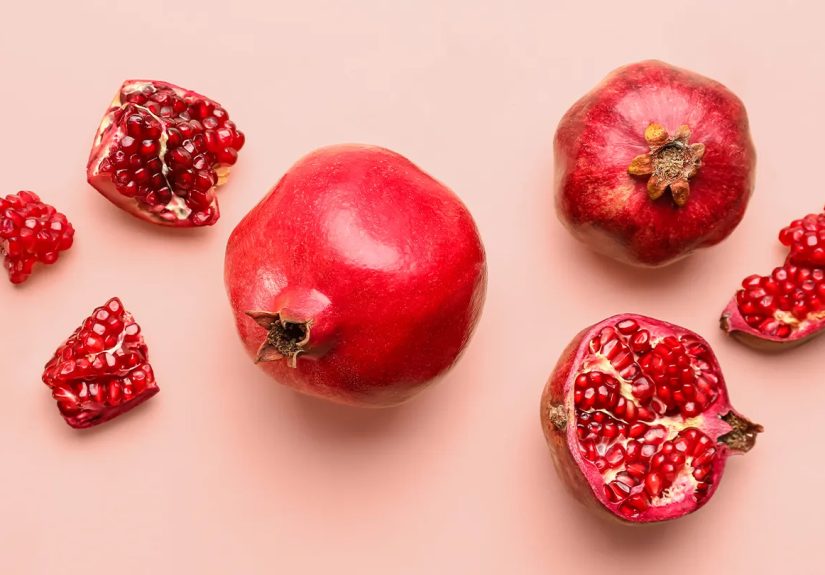
A pomegranate is a round fruit with thick skin and hundreds of edible seeds called arils. Each aril has a juicy outer layer wrapped around a small crunchy seed. The flavor is sweet, tart, bright, and slightly floral, which makes pomegranates useful in both sweet and savory dishes.
The pomegranate tree, known scientifically as Punica granatum, has been grown for centuries in warm regions around the world. In the United States, pomegranates are especially associated with California, where the harvest season usually runs from fall into early winter. That timing is perfect because the fruit’s deep red color looks like it was personally hired to decorate holiday salads, desserts, cocktails, mocktails, and cheese boards.
Pomegranate Nutrition: What Is Inside Those Ruby Seeds?
Pomegranates are not just pretty. They are nutrient-dense, refreshing, and surprisingly satisfying because the arils contain fiber along with natural sugars and water. A 100-gram serving of raw pomegranate provides about 83 calories, along with carbohydrates, fiber, vitamin C, vitamin K, folate, potassium, and small amounts of other minerals.
The fiber is one of the biggest reasons fresh pomegranate arils are different from pomegranate juice. When you eat the whole arils, you get that crunchy seed and the fiber that comes with it. Juice can still contain useful plant compounds, but it usually does not offer the same fiber benefit. In simple kitchen language: arils are the full concert; juice is the radio edit.
Main Nutrients in Pomegranates
- Fiber: Supports digestion and helps make the fruit more filling.
- Vitamin C: Helps support immune function and collagen production.
- Vitamin K: Plays a role in normal blood clotting and bone health.
- Potassium: Supports normal muscle and nerve function.
- Polyphenols: Plant compounds linked with antioxidant activity.
Health Benefits of Pomegranates
Pomegranates are often praised for their antioxidant content, especially polyphenols such as punicalagins and anthocyanins. These compounds help protect cells from oxidative stress, which is one reason researchers have studied pomegranate juice and extracts in relation to heart health, inflammation, exercise recovery, and other areas.
That said, pomegranates are food, not magic medicine in a red shell. They can be a smart part of a balanced eating pattern, but they should not be treated as a cure for disease or a replacement for medical care. The best way to think about them is simple: they are a colorful, fiber-containing fruit with useful nutrients and promising plant compounds. That is already impressive enough without handing them a superhero cape.
1. Pomegranates Support Heart-Friendly Eating
Fresh pomegranate arils fit well into a heart-conscious diet because they provide fiber, potassium, and antioxidants. Some research has explored whether pomegranate juice may help support healthy blood pressure and cholesterol levels, though results can vary depending on the study, amount consumed, and the person’s overall lifestyle.
For everyday eating, the practical move is to use pomegranate arils as a colorful topping for oatmeal, yogurt, salads, roasted vegetables, or grain bowls. They add flavor without needing heavy sauces or extra sugar.
2. Pomegranates Add Antioxidants to Your Plate
Antioxidants help the body deal with oxidative stress. Pomegranates contain several antioxidant plant compounds, including polyphenols that give the fruit its bold red color and tart flavor. These compounds are one reason pomegranate juice has attracted so much nutrition research.
But remember: your body does not need one “perfect” antioxidant food. It needs variety. Pomegranates can join berries, citrus, leafy greens, beans, nuts, and whole grains in a pattern that makes your meals more colorful and more interesting.
3. Fresh Arils Can Support Digestive Health
The edible seeds in pomegranate arils provide fiber, which helps support regular digestion. This makes fresh pomegranates more filling than many fruit juices. If you are new to eating pomegranate seeds, start with a moderate amount and see how your stomach feels. Your digestive system appreciates enthusiasm, but it also likes polite introductions.
4. They May Help Make Healthy Meals More Enjoyable
One underrated benefit of pomegranates is their ability to make simple food feel fancy. A plain spinach salad suddenly becomes restaurant-worthy with a handful of arils. Roasted carrots look brighter. Greek yogurt tastes more exciting. Even leftover rice can become a cheerful grain bowl with pomegranate, herbs, nuts, and a squeeze of lemon.
Enjoyment matters. Healthy eating is easier to maintain when meals are colorful, flavorful, and fun instead of looking like a punishment designed by a bored spreadsheet.
Pomegranate Juice vs. Pomegranate Seeds
Both pomegranate juice and pomegranate seeds can have a place in your kitchen, but they are not exactly the same. Fresh arils provide fiber and texture. Juice provides concentrated flavor and plant compounds, but it can also deliver natural sugar quickly, especially if you drink a large glass.
If you choose juice, look for 100% pomegranate juice with no added sugar. A small serving can be used in smoothies, sauces, marinades, salad dressings, or sparkling water. If you want more fullness and crunch, choose the whole arils.
How to Choose a Good Pomegranate
Picking a pomegranate is not about finding the most perfect-looking fruit. In fact, a few surface scratches are usually not a big deal. Instead, focus on weight, firmness, and skin quality.
Look for These Signs
- Heavy for its size: A heavier fruit usually means more juice inside.
- Firm skin: The fruit should feel solid, not mushy.
- Rich color: Depending on the variety, the skin may be deep red, pinkish-red, or reddish-brown.
- No major cracks or mold: Avoid fruit with soft spots, leaking juice, or visible spoilage.
Pomegranates do not ripen much after harvest, so choose carefully at the store. If the fruit feels light and dry, it may be past its prime. If it feels like a small, heavy treasure chest, you are probably in business.
When Are Pomegranates in Season?
In the United States, fresh pomegranates are most common from fall through early winter. California-grown pomegranates often appear in stores from around October through January, though availability can vary by region and year. This seasonality explains why pomegranates show up so often in Thanksgiving dishes, winter salads, and holiday desserts.
Outside peak season, you may still find packaged arils, frozen arils, bottled juice, molasses, or dried pomegranate products. These can be useful, but fresh fruit usually gives the best combination of crunch, color, and bright flavor.
How to Cut and Seed a Pomegranate Without Creating a Crime Scene
Pomegranate juice stains. It is delicious, dramatic, and absolutely committed to leaving evidence. The secret is to cut gently and separate the arils instead of hacking the fruit in half like you are auditioning for a cooking show called Fruit Fury.
The Water Bowl Method
- Wash the outside of the pomegranate and dry it.
- Slice off the crown, which is the small flower-like top.
- Score the skin from top to bottom along the natural ridges.
- Gently pull the fruit apart into sections.
- Place the sections in a bowl of water.
- Use your fingers to loosen the arils from the white membrane.
- The arils will sink, while much of the membrane will float.
- Skim off the membrane, drain the arils, and pat them dry.
This method helps reduce splatter and makes cleanup easier. Wear an apron if you are cautious, or a red shirt if you believe in strategic fashion.
How to Store Pomegranates
Whole pomegranates store well compared with many delicate fruits. Keep them at room temperature for short-term use, away from direct sunlight. For longer storage, place whole pomegranates in the refrigerator, where they can last much longer.
Once removed from the fruit, pomegranate arils should be stored in an airtight container in the refrigerator and used within several days. For longer storage, freeze them on a tray first, then transfer them to a freezer-safe bag or container. Frozen arils are great for smoothies, sauces, yogurt bowls, and chilled desserts.
How to Eat Pomegranates
The easiest way to eat pomegranate is straight from a bowl with a spoon. But if you stop there, you are leaving a lot of flavor opportunities on the table.
Simple Ways to Use Pomegranate Arils
- Sprinkle them over oatmeal or overnight oats.
- Add them to Greek yogurt with honey and walnuts.
- Toss them into spinach, arugula, or kale salads.
- Use them on roasted sweet potatoes, squash, carrots, or Brussels sprouts.
- Mix them into quinoa, couscous, farro, or rice bowls.
- Scatter them over avocado toast for a sweet-tart pop.
- Add them to salsa with cucumber, mint, lime, and jalapeño.
- Use them as a garnish for desserts, mocktails, and sparkling water.
Cooking With Pomegranate: Flavor Pairings That Work
Pomegranates love contrast. Their sweet-tart flavor works beautifully with creamy, salty, bitter, earthy, and spicy ingredients. That makes them more flexible than many people realize.
Great Pairings
- Cheese: Feta, goat cheese, ricotta, brie, and labneh.
- Nuts: Pistachios, walnuts, almonds, and pecans.
- Herbs: Mint, parsley, cilantro, basil, and dill.
- Vegetables: Beets, carrots, squash, eggplant, cauliflower, and greens.
- Proteins: Chicken, turkey, salmon, tofu, lentils, and chickpeas.
- Spices: Cinnamon, cumin, coriander, cardamom, black pepper, and sumac.
Pomegranate molasses, a thick syrup made by reducing pomegranate juice, is another powerhouse ingredient. It tastes tangy, sweet, and deep, making it excellent for dressings, marinades, roasted vegetables, and Middle Eastern-inspired dishes.
Are There Any Risks or Downsides?
For most people, pomegranates are safe and healthy as a normal food. However, there are a few sensible cautions.
First, pomegranate juice can be high in natural sugar compared with eating the whole arils, especially if portions are large. Second, pomegranate products may interact with certain medications for some people. Anyone taking prescription drugs, especially medications related to blood pressure, cholesterol, or blood thinning, should ask a healthcare professional before adding large amounts of pomegranate juice or supplements.
Also, pomegranate peel and concentrated extracts are different from eating fresh fruit. Stick with normal food portions unless a qualified healthcare provider gives different advice.
Buying Pomegranate Products: What to Know
The pomegranate aisle can include whole fruit, packaged arils, juice, molasses, dried arils, extracts, powders, and supplements. For everyday eating, whole fruit and unsweetened arils are usually the best place to start.
Smart Shopping Tips
- Choose whole pomegranates when they are in season for the best value.
- Use packaged arils when convenience matters, but check freshness dates.
- Choose 100% pomegranate juice if buying juice.
- Avoid juice blends with lots of added sugar if your goal is nutrition.
- Use pomegranate molasses as a flavor ingredient, not as a drink.
- Be cautious with supplements unless recommended by a healthcare professional.
Common Pomegranate Questions
Can You Eat Pomegranate Seeds?
Yes. The juicy arils and the small crunchy seeds inside them are edible. Some people chew them fully, while others prefer the juice and texture without focusing on the seed. If you have digestive sensitivities, start with a small serving.
Do Pomegranates Need to Be Refrigerated?
Whole pomegranates can sit at room temperature for a short time, but refrigeration extends their shelf life. Removed arils should be refrigerated in an airtight container.
Is Pomegranate Juice as Healthy as the Fruit?
Pomegranate juice contains flavor and plant compounds, but it lacks the fiber found in whole arils. For daily eating, whole arils are often the better choice. Juice can still be useful in small amounts, especially when unsweetened.
Why Is My Pomegranate Brown Inside?
Brown, mushy, or unpleasant-smelling arils are signs the fruit may be spoiled. Fresh arils should look juicy and bright, though color can vary by variety.
Real-Life Experience: Learning to Love Pomegranates
My first real experience with a pomegranate was not elegant. I bought one because it looked sophisticated, like the kind of fruit that reads hardcover books and owns linen napkins. I brought it home, placed it on the cutting board, and confidently sliced it straight through the middle. Within seconds, my counter looked like it had hosted a tiny fruit volcano. The pomegranate had won round one.
That messy first attempt taught me the most important pomegranate lesson: this fruit rewards patience. You do not attack it; you open it. Once I learned to score the skin along the ridges and pull the sections apart gently, everything changed. The arils came out cleanly, the white membrane floated away in water, and I finally understood why people get so excited about this fruit. There is something satisfying about scooping a bowl full of glossy red arils that you freed yourself. It feels like kitchen treasure hunting, minus the pirate hat, although I support the hat if it helps.
The second lesson was that pomegranates make ordinary food look intentional. A bowl of oatmeal with a few pomegranate arils suddenly looks like something from a cozy brunch café. A basic salad becomes brighter, crunchier, and more balanced. Roasted vegetables, especially carrots or squash, taste better with that sweet-tart contrast. Even plain yogurt becomes more interesting when pomegranate joins the party with nuts and a little honey.
I also learned that pomegranates are excellent for people who like meal prep but get bored easily. You can seed one or two fruits at the beginning of the week, store the arils in the refrigerator, and sprinkle them on different meals. Monday gets yogurt. Tuesday gets a grain bowl. Wednesday gets a salad. Thursday gets sparkling water with citrus. By Friday, you feel like you have been making fancy choices all week, even if dinner was mostly leftovers and hope.
Another useful experience: pomegranate juice and pomegranate arils behave very differently. Juice is bold and convenient, but it is easy to drink quickly. Arils slow you down. They add chew, crunch, and texture. When I want a snack, I prefer the arils. When I want to build a dressing or glaze, I reach for juice or pomegranate molasses. A quick dressing with olive oil, lemon juice, pomegranate molasses, a pinch of salt, and black pepper can rescue greens, roasted vegetables, or grilled chicken from the land of “fine, I guess.”
The final lesson is practical: pomegranates are less intimidating once you stop treating them like a puzzle. Buy a heavy one, open it gently, use water if you want less mess, and store the arils properly. After that, the fruit becomes simple. It is colorful, nutritious, flexible, and fun. Yes, it may still stain your cutting board if you get reckless. But in return, it gives you flavor, crunch, beauty, and a tiny sense of victory every time you open one successfully.
Conclusion
Pomegranates are one of the most rewarding fruits to learn. They are beautiful, nutrient-rich, and surprisingly versatile once you know how to handle them. Fresh arils bring fiber, vitamin C, potassium, antioxidants, and a sweet-tart crunch to everyday meals. Pomegranate juice and molasses can add bold flavor to drinks, sauces, dressings, and marinades. The key is knowing when to use each form.
If you are new to pomegranates, start simply. Choose a heavy fruit, score it gently, separate the arils in water, and sprinkle them over foods you already enjoy. No complicated recipe required. Once you get comfortable, use them in salads, grain bowls, roasted vegetables, yogurt, desserts, and festive drinks. Pomegranates may look fancy, but they are not here to judge your cooking. They are here to add sparkle, flavor, and a little ruby-red confidence.