Table of Contents >> Show >> Hide
- What Does a Swollen Big Toe Mean?
- Common Causes of a Swollen Big Toe
- Symptoms That May Come With Big Toe Swelling
- How Doctors Diagnose a Swollen Big Toe
- Swollen Big Toe Treatment Options
- When to See a Doctor Quickly
- How to Prevent Big Toe Swelling
- Living With a Swollen Big Toe: Real-World Experience and Practical Lessons
- Conclusion
A swollen big toe can turn a normal day into a dramatic one-act play starring your foot. One minute you are walking, exercising, or simply minding your business; the next, your big toe looks angry, feels hot, and refuses to cooperate with shoes, stairs, or basic dignity.
While a swollen big toe may sound minor, it can come from many different causes. Some are simple, such as tight shoes or a stubbed toe. Others need medical attention, including gout, infection, arthritis, a fracture, or complications related to diabetes. The big toe carries a surprising amount of responsibility when you walk, push off, balance, climb, and run. When it becomes swollen, painful, or stiff, your entire stride can change.
This guide explains the common causes of big toe swelling, symptoms to watch for, treatment options, home care tips, and when it is time to see a healthcare professional. Consider it a practical tour of toe trouble, minus the awkward waiting-room magazines.
What Does a Swollen Big Toe Mean?
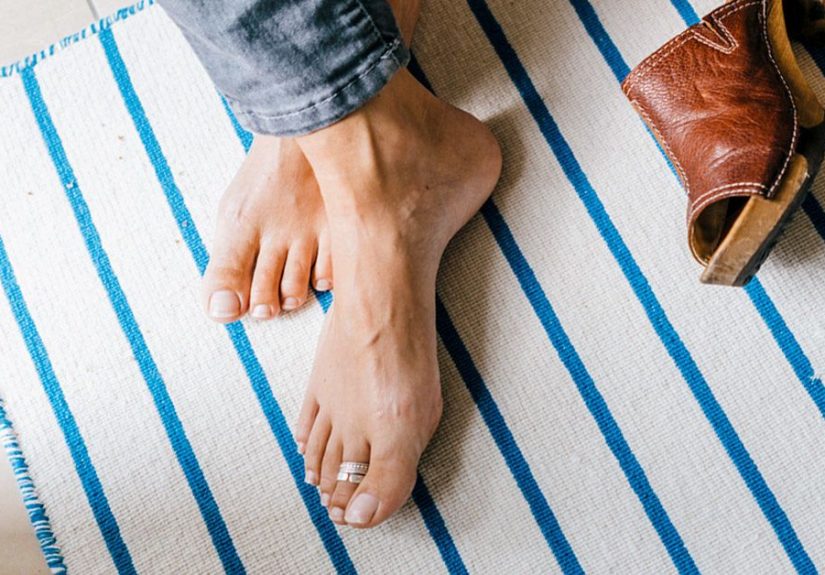
A swollen big toe means there is extra fluid, inflammation, injury, or infection affecting the toe, the toenail area, or the joint where the big toe meets the foot. The swelling may appear suddenly or gradually. It may affect the whole toe, the nail fold, the base of the toe, or only one side of the nail.
Big toe swelling is often accompanied by pain, redness, warmth, stiffness, bruising, tenderness, or trouble walking. In some cases, the toe may look shiny, feel tight, or become so sensitive that even a bedsheet feels like it has a personal vendetta.
Common Causes of a Swollen Big Toe
1. Gout
Gout is one of the classic causes of a swollen, red, hot, and intensely painful big toe. It is a type of inflammatory arthritis that happens when uric acid builds up and forms sharp crystals in or around a joint. The big toe joint is a favorite target, especially during sudden flares.
A gout attack may start at night and come on quickly. The pain can be severe, throbbing, burning, or stabbing. The toe may look red or purple, feel warm, and become extremely tender. Some people describe the pain as if their toe is on fire, which is not a medical term, but very much a mood.
Risk factors for gout can include family history, kidney disease, certain medications, high alcohol intake, dehydration, obesity, and diets high in purine-rich foods such as organ meats, some seafood, and large amounts of red meat. Gout can also be linked with high blood pressure, diabetes, and metabolic syndrome.
2. Ingrown Toenail
An ingrown toenail occurs when the edge of the toenail grows into the surrounding skin. It most often affects the big toe. At first, the area may feel tender or sore. As irritation increases, the skin can become swollen, red, painful, and warm.
Common causes include trimming nails too short, rounding the nail corners, wearing tight shoes, toe trauma, naturally curved nails, or repeated pressure from sports. If bacteria enter the irritated skin, an infection may develop. Signs of infection include worsening swelling, pus, drainage, increasing redness, and pain that does not improve.
3. Bunion
A bunion is a bony bump that forms at the base of the big toe. It develops when the big toe leans toward the second toe, changing the alignment of the joint. Over time, the joint may become swollen, sore, red, and stiff.
Bunions can be influenced by inherited foot shape, arthritis, repeated pressure, and shoes that are too narrow or pointed. High heels are not always the villain, but they often show up at the scene of the crime. A bunion may cause pain when walking, rubbing inside shoes, calluses between the first and second toes, and limited movement of the big toe.
4. Turf Toe
Turf toe is a sprain of the big toe joint. It usually happens when the big toe bends too far upward, stretching or tearing ligaments and soft tissues around the joint. It is common in athletes, especially those who sprint, jump, push off quickly, or play on artificial turf.
Symptoms include swelling at the base of the big toe, pain when pushing off, bruising, stiffness, and difficulty bending the toe. Mild cases may improve with rest and supportive care, while severe cases may need immobilization, physical therapy, or rarely surgery.
5. Broken or Bruised Toe
A swollen big toe after an injury may be caused by a bruise, sprain, or fracture. Dropping something heavy on the toe, stubbing it hard, tripping, or twisting the foot can injure the bones and soft tissues.
A broken toe may cause swelling, bruising, sharp pain, tenderness, trouble walking, or a toe that looks crooked. Some fractures are minor and heal with protection and rest, but others require medical evaluation, especially if the toe is deformed, numb, bleeding, or very painful.
6. Osteoarthritis or Hallux Rigidus
Osteoarthritis can affect the big toe joint, causing cartilage to wear down over time. When arthritis causes stiffness and limited motion in the big toe, it may be called hallux rigidus. Hallux rigidus literally means “stiff big toe,” which is refreshingly direct for a medical term.
Symptoms may include swelling, aching pain, stiffness, reduced range of motion, pain during walking, and difficulty wearing certain shoes. Bone spurs may develop around the joint, adding to discomfort and shoe pressure.
7. Paronychia or Nail Fold Infection
Paronychia is an infection or inflammation of the skin around the nail. It can affect fingernails or toenails, including the big toe. It often occurs after small injuries to the skin, aggressive trimming, hangnails, biting, picking, pedicures, or repeated moisture exposure.
Symptoms include redness, swelling, tenderness, warmth, and sometimes pus near the nail fold. Mild cases may improve with warm soaks, but abscesses or spreading infection may require medical treatment.
8. Poorly Fitting Shoes
Shoes that squeeze the toes can cause pressure, irritation, swelling, calluses, nail problems, and joint pain. Narrow toe boxes, stiff materials, high heels, and shoes that are too small can all annoy the big toe into rebellion.
If swelling appears after a long day in tight shoes and improves with rest, footwear may be a major contributor. However, shoe pressure can also worsen bunions, ingrown toenails, arthritis, and nerve irritation.
9. Diabetes-Related Foot Problems
People with diabetes need to take toe swelling seriously. Diabetes can reduce blood flow and damage nerves in the feet, making it harder to feel injuries and harder for wounds to heal. A small blister, ingrown toenail, or cut can become infected if not treated early.
Warning signs include swelling, redness, warmth, drainage, open sores, numbness, tingling, changes in skin color, or a wound that does not heal. Anyone with diabetes who develops a swollen, painful, infected, or injured toe should contact a healthcare provider promptly.
Symptoms That May Come With Big Toe Swelling
Swelling is the headline symptom, but the supporting cast matters. Paying attention to the full pattern can help identify the likely cause.
- Sudden severe pain: Often seen with gout, fracture, or acute injury.
- Redness and warmth: May suggest inflammation, infection, or gout.
- Pus or drainage: Often points to infection near the nail or skin.
- Bruising: Common after trauma, sprain, or fracture.
- Stiffness: May occur with arthritis, hallux rigidus, gout, or injury.
- Pain around the nail: Frequently linked to ingrown toenails or paronychia.
- A visible bump at the base of the toe: May indicate a bunion or bone spur.
- Trouble bearing weight: Can happen with fracture, severe sprain, infection, or intense inflammation.
How Doctors Diagnose a Swollen Big Toe
A healthcare provider usually starts with questions: When did the swelling begin? Was there an injury? Is the pain sudden or gradual? Is the toe hot, red, numb, stiff, or draining fluid? Do you have diabetes, arthritis, kidney disease, gout, or circulation problems?
The exam may include checking the toe’s range of motion, looking at the nail, pressing around the joint, comparing both feet, and watching how you walk. Depending on the suspected cause, your provider may recommend imaging or lab tests.
Possible Tests
- X-ray: Used to check for fractures, arthritis changes, bone spurs, or joint alignment problems.
- Joint fluid test: May help confirm gout by identifying uric acid crystals.
- Blood tests: May check uric acid levels, infection markers, kidney function, or inflammatory conditions.
- Wound or drainage culture: May be used if infection is suspected.
- Ultrasound or advanced imaging: May be considered for soft tissue injuries or complex cases.
Swollen Big Toe Treatment Options
Home Care for Mild Swelling
If the swelling is mild, there is no open wound, and you can walk without severe pain, basic home care may help. Rest the foot, avoid activities that worsen pain, and elevate the foot when possible. Ice can reduce swelling after injury or irritation. Wrap ice in a towel and use it for short sessions rather than placing it directly on the skin.
Wear roomy shoes with a wide toe box. Avoid high heels, tight sneakers, and shoes that press on the painful area. Over-the-counter pain relievers may help some people, but they are not safe for everyone. People with kidney disease, stomach ulcers, blood thinner use, heart disease, pregnancy, or other medical conditions should ask a clinician before using NSAIDs such as ibuprofen or naproxen.
Treatment for Gout
Gout treatment focuses on calming the flare and preventing future attacks. During an acute flare, a healthcare provider may recommend NSAIDs, colchicine, or corticosteroids, depending on your health history. Resting and elevating the foot, staying hydrated, and avoiding alcohol during flares may also help.
For recurring gout, long-term treatment may include medications that lower uric acid levels. Lifestyle changes may also be recommended, such as maintaining a healthy weight, limiting alcohol, drinking enough water, and adjusting high-purine food intake. The goal is not to make eating joyless; it is to keep your toe from filing another formal complaint.
Treatment for an Ingrown Toenail
Mild ingrown toenails may improve with warm water soaks, keeping the foot dry afterward, wearing open or roomy shoes, and avoiding further nail digging. Do not perform bathroom surgery with sharp tools. Your toe deserves better than a risky DIY project.
If the nail is infected, very painful, or keeps coming back, a clinician may lift the nail edge, place material under it, prescribe medication, or remove part of the nail. In recurrent cases, part of the nail root may be treated to prevent the same edge from growing back.
Treatment for Bunions
Bunion treatment usually begins with conservative care. Wider shoes, padding, orthotic inserts, ice after activity, and avoiding pressure on the bump can reduce discomfort. Anti-inflammatory medication may help some people during painful episodes.
If bunion pain interferes with walking, daily activities, or shoe wear despite nonsurgical care, a foot and ankle specialist may discuss surgery. Bunion surgery is not done simply to make the foot look straighter; it is generally considered when pain and function are the main problems.
Treatment for Turf Toe
Mild turf toe often improves with rest, ice, compression, elevation, taping, and temporary activity modification. A stiff-soled shoe, walking boot, or special insert may limit painful motion while the joint heals.
More serious turf toe injuries may need imaging, longer immobilization, physical therapy, or specialist care. Athletes should not rush back too soon. Returning before the toe is ready can turn a short-term injury into a season-long nuisance.
Treatment for a Broken Big Toe
Treatment depends on the fracture. A minor fracture may be managed with rest, ice, elevation, buddy taping, and a stiff-soled shoe. More serious fractures may need realignment, a boot, follow-up X-rays, or surgery.
Seek medical care if the toe looks crooked, there is an open wound, pain is severe, numbness occurs, swelling suddenly worsens, or walking is extremely difficult.
Treatment for Arthritis and Hallux Rigidus
Arthritis-related big toe swelling may improve with supportive shoes, stiff or rocker-bottom soles, custom orthotics, anti-inflammatory medication when appropriate, physical therapy, activity changes, and sometimes injections. Severe cases may require surgery to remove bone spurs, fuse the joint, or replace joint surfaces, depending on the situation.
Treatment for Paronychia
Mild paronychia may improve with warm soaks and keeping the toe clean and dry. If pus forms, swelling worsens, or pain increases, medical care is important. An abscess may need drainage, and some infections require antibiotics.
When to See a Doctor Quickly
Get medical care promptly if your swollen big toe is severe, worsening, or linked with concerning symptoms. Do not wait it out if you have:
- Severe pain that starts suddenly
- Fever, chills, or feeling ill
- Pus, drainage, red streaks, or spreading redness
- An open wound or bleeding
- A toe that looks crooked or deformed
- Numbness, tingling, or loss of feeling
- Swelling after a significant injury
- Difficulty walking or bearing weight
- Diabetes, poor circulation, or a weakened immune system
- A sore or wound that is not healing
How to Prevent Big Toe Swelling
You cannot prevent every toe problem, because coffee tables and doorframes continue to exist. But you can reduce your risk.
- Wear shoes with enough room in the toe box.
- Trim toenails straight across rather than rounding the corners deeply.
- Replace worn-out athletic shoes.
- Warm up before sports and increase training gradually.
- Use protective footwear when lifting heavy objects or working in risky environments.
- Manage gout risk factors with guidance from a healthcare provider.
- Check your feet daily if you have diabetes or nerve problems.
- Keep feet clean and dry, especially around the nails.
- Avoid cutting cuticles aggressively or digging into nail corners.
Living With a Swollen Big Toe: Real-World Experience and Practical Lessons
Anyone who has dealt with a swollen big toe knows the problem is bigger than the toe itself. Suddenly, walking to the kitchen feels like a strategy game. Shoes become suspicious objects. Stairs look steeper. Even the dog may seem judgmental when you limp across the room.
One common experience is underestimating the problem at first. Many people think, “It is just a toe.” Then they try to put on a regular shoe and discover that the toe has become the manager of the entire foot. A swollen big toe can affect balance, posture, walking speed, and even mood. When every step hurts, patience becomes a limited resource.
Another lesson is that the location of swelling matters. Pain at the nail edge often behaves differently from pain deep in the joint. If the side of the nail is swollen, tender, and red, the issue may be an ingrown toenail or nail fold infection. If the base of the big toe is hot, red, and intensely painful without an obvious injury, gout becomes more suspicious. If swelling follows a sports movement or awkward bend, turf toe or sprain may be involved. If the toe is bruised after trauma, a fracture needs consideration.
Footwear is another big theme. Many people realize too late that fashionable shoes can have the emotional warmth of a parking ticket. Tight toe boxes, stiff dress shoes, narrow heels, and worn-out sneakers can all worsen big toe swelling. Switching to wider, more supportive shoes may not sound glamorous, but neither does hobbling through a grocery store while negotiating with your own foot.
Home care can be helpful, but it has limits. Rest, ice, elevation, and roomy shoes may calm mild irritation or injury. Warm soaks can soothe some nail-related problems. However, worsening redness, pus, fever, spreading warmth, numbness, severe pain, or trouble walking should not be ignored. A swollen toe can occasionally signal infection, fracture, or inflammatory disease that needs proper treatment.
People with diabetes often describe a different challenge: the toe may not hurt as much as expected because nerve sensation is reduced. That makes visual checks important. A small blister, ingrown toenail, or cut can become serious if unnoticed. Daily foot checks, clean socks, well-fitting shoes, and early medical care are practical habits that can prevent major complications.
Recovery can also test your patience. A bruised or sprained toe may improve gradually. A broken toe can take weeks to heal. Gout may flare quickly and calm down, then return if uric acid remains high. Arthritis-related swelling may require long-term management rather than a one-time fix. The best approach is to match the treatment to the cause instead of treating every swollen big toe the same way.
The most useful mindset is simple: respect the toe. It may be small, but it plays a major role in movement. If swelling is mild and clearly related to temporary pressure, careful home care may be enough. If the pain is severe, sudden, infected-looking, injury-related, or recurring, get it checked. Your big toe does not need celebrity treatment, but it does deserve medical common sense.
Conclusion
A swollen big toe can come from many causes, including gout, an ingrown toenail, bunions, turf toe, fracture, arthritis, infection, or shoe pressure. The right treatment depends on the reason behind the swelling. Mild cases may improve with rest, footwear changes, ice, elevation, or warm soaks, while infections, fractures, gout flares, diabetes-related foot problems, and severe pain need professional care.
The big toe may not look like a major body part, but it works hard every time you walk. When it swells, pay attention to the pattern: sudden or gradual, joint or nail, hot or bruised, mild or severe. That detective work can help you choose the safest next step and avoid turning a small problem into a larger one.
Medical note: This article is for educational purposes only and does not replace diagnosis or treatment from a licensed healthcare professional. Seek urgent medical care for severe pain, spreading infection, fever, open wounds, numbness, deformity, or toe swelling if you have diabetes or poor circulation.