Table of Contents >> Show >> Hide
- What Is Bottom Watering?
- Why Bottom Watering Can Be Great for Houseplants
- Which Houseplants Often Respond Well to Bottom Watering?
- When Bottom Watering Is Not the Best Choice
- How to Bottom Water Your Houseplants Step by Step
- How Long Should You Bottom Water?
- How Often Should You Bottom Water?
- Top Watering vs. Bottom Watering: Which Is Better?
- Common Bottom Watering Mistakes to Avoid
- Practical Tips for Better Results
- Conclusion
- Experience and Practical Lessons From Bottom Watering Houseplants
If your houseplants had a group chat, one of them would absolutely complain about getting watered “kind of, sort of, maybe” from the top while the center of the root ball stayed dry. Another would complain about soggy soil. A third would just send a dramatic leaf-droop emoji. In other words, watering is where many plant parents go from confident to confused in about three seconds.
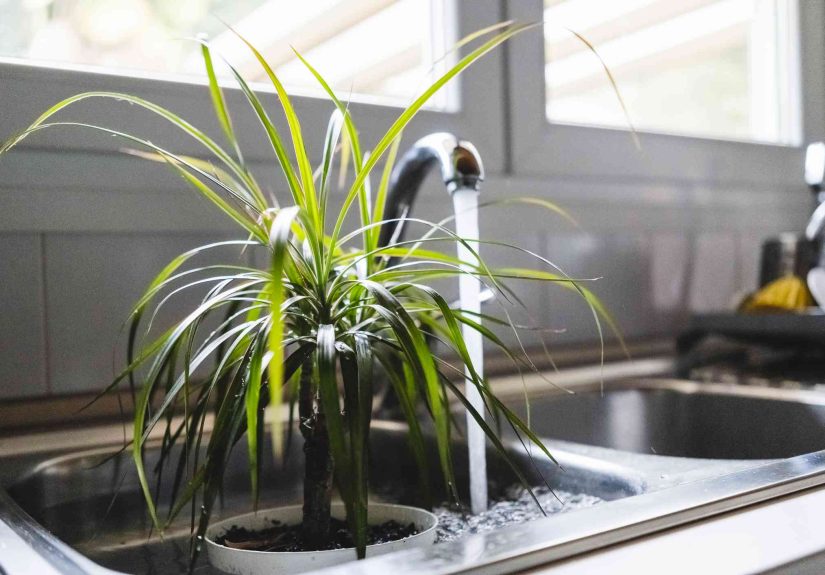
That is exactly why bottom watering has become such a popular houseplant care technique. Instead of pouring water onto the soil surface, you place a pot with drainage holes in a shallow tray or basin of water and let the potting mix pull moisture up from below. It sounds fancy, but it is really just physics doing a favor for your philodendron.
Bottom watering houseplants can help create more even moisture, reduce splashing on leaves, and rescue potting mix that has become so dry it behaves like a grumpy sponge. It is not the right move for every plant in every situation, but when used correctly, it can make watering easier, neater, and more effective.
In this guide, you will learn the real benefits of bottom watering, when to use it, when to skip it, and exactly how to do it without accidentally giving your favorite fern swamp feet.
What Is Bottom Watering?
Bottom watering is a method of watering potted plants from below instead of from above. You place the plant pot into a shallow container, sink, bowl, or tray with water. Through the drainage holes, the potting mix absorbs moisture upward by capillary action until the root zone is evenly damp.
Think of it like letting the soil sip through a straw instead of dumping a bucket over its head.
This method only works well if the plant is in a pot with drainage holes. No holes, no bottom watering. A decorative cachepot may be stylish, but it cannot perform miracles.
Why Bottom Watering Can Be Great for Houseplants
1. It encourages more even moisture throughout the pot
One of the biggest benefits of bottom watering is that it can moisten the potting mix more evenly. With top watering, water sometimes runs down the sides of the pot or rushes through dry channels, especially if the mix has pulled away from the container. That can leave some roots soaked and others still waiting for their turn like customers in a very badly managed coffee line.
When you water from below, the mix gradually pulls moisture upward. This can help hydrate the root ball more thoroughly, especially in smaller containers and plants with dense root systems.
2. It can rehydrate very dry, hydrophobic potting mix
Ever watered a plant and watched the liquid immediately shoot out the drainage holes, while the soil still felt dry? That is often a sign of hydrophobic potting mix. In plain English: the mix got so dry that it started repelling water.
Bottom watering is a practical fix. A soak from below gives the potting mix more time to reabsorb moisture instead of letting water race straight through. This makes bottom watering especially useful for neglected plants, root-bound plants, or containers that dry out fast near sunny windows.
3. It keeps leaves, crowns, and stems drier
Some houseplants do not appreciate water sitting on their leaves or collecting around the crown. African violets are the classic example. Their fuzzy leaves are not fans of splashes, and crown moisture can invite trouble. Bottom watering helps avoid that mess entirely.
Plants with tight crowns, delicate foliage, or leaves prone to spotting may also benefit from keeping water where it belongs: in the potting mix, not on the plant’s haircut.
4. It can reduce mess indoors
Top watering sometimes turns into an indoor weather event. Water spills over the rim, soil splashes onto the shelf, and suddenly your “relaxing plant hobby” looks like a cleanup mission. Bottom watering can be tidier because the water stays in a tray or basin, and the soil surface remains more settled.
For apartment dwellers, office plant owners, or anyone with plants on wood furniture, that cleaner routine can be a major win.
5. It can help you avoid the illusion of watering
A lot of plant problems come from partial watering. A quick splash on top may dampen the first inch of soil but leave the deeper roots dry. The plant then looks thirsty again a day or two later, and the cycle of confusion begins.
Bottom watering encourages a slower, deeper soak. That does not make it automatically better every time, but it does make it harder to do the plant-care equivalent of handing your monstera one sip of water and wishing it luck.
6. It may help maintain a drier soil surface
Many growers like bottom watering because the top layer of soil can stay a bit drier than with repeated surface watering. That can be useful in homes where the top of the mix tends to stay constantly damp. It is not a magic shield against fungus gnats or mold, but for some houseplant setups, it can support a cleaner-looking soil surface.
Which Houseplants Often Respond Well to Bottom Watering?
Bottom watering is not a universal rule, but it can be especially helpful for:
- African violets, because they dislike wet foliage and crown moisture
- Ferns, which often appreciate evenly moist soil
- Philodendrons and pothos in smaller pots that dry unevenly
- Prayer plants and calathea relatives, when you want a slow, even soak
- Plants with compact or root-dense pots that repel top watering when dry
It can also work well for plants in nursery pots placed inside decorative containers, as long as you remove the inner pot, soak it, and let it drain before returning it.
When Bottom Watering Is Not the Best Choice
Bottom watering has real benefits, but it is not a miracle trick that replaces observation. There are times when top watering or a mix of both methods makes more sense.
Large or heavy pots can be awkward
If your plant lives in a giant ceramic pot that weighs about as much as a personal regret, bottom watering may not be practical. Lifting and moving oversized containers to a sink or tub is not exactly a wellness activity.
Some plants hate staying too evenly moist
Certain plants prefer a strong wet-dry cycle. Some succulents and cacti can be bottom watered occasionally, but they still need excellent drainage and a chance to dry properly afterward. The method matters less than whether the soil stays wet too long.
Salt and mineral buildup can accumulate
One drawback of frequent bottom watering is that fertilizer salts and dissolved minerals may collect near the top of the potting mix instead of being flushed out. That is why many plant experts recommend combining bottom watering with occasional top watering using plain water. Think of it as pressing reset on the pot.
It still can lead to overwatering if you do it too often
Bottom watering is not a free pass to water on a schedule without checking the soil. If the mix is still moist and you soak it again anyway, the roots can still suffocate. Plants are not impressed by consistency when the consistent thing is too much water.
How to Bottom Water Your Houseplants Step by Step
Step 1: Check whether the plant actually needs water
Before doing anything, check the potting mix. Stick a finger into the top inch or two, lift the pot to judge its weight, or use a moisture meter if you like gadgets. Most houseplants should not be watered just because the calendar says so.
Step 2: Use a pot with drainage holes
This is non-negotiable. Bottom watering only works correctly when water can enter through the base and excess water can still drain away afterward.
Step 3: Fill a tray, bowl, or sink with water
Add enough room-temperature water to create a shallow reservoir. For many small to medium houseplants, 1 to 2 inches of water is enough. Larger nursery pots may need a little more, but the rim of the pot should remain above water.
Step 4: Set the pot in the water
Remove any saucer or decorative sleeve, then place the pot in the water. Let it sit undisturbed so the potting mix can pull up moisture from below.
Step 5: Wait 10 to 30 minutes
The timing depends on the pot size, soil mix, and how dry the plant is. A small plant may be done in 10 minutes. A thirstier plant may take closer to 20 or 30. Check the top surface of the mix. When it feels slightly moist, the soak is usually complete.
Step 6: Remove the plant and let it drain
Lift the pot out and allow excess water to drain fully. Do not return it to a decorative pot or saucer while it is still dripping. You want the root zone moist, not marinating.
Step 7: Put the plant back in place
Once draining stops, return the plant to its usual spot. If it sits in a saucer or outer pot, make sure no standing water remains underneath.
How Long Should You Bottom Water?
A good general range is 10 to 30 minutes. Small nursery pots often soak up what they need fairly quickly. Extremely dry plants may need longer, but if a pot sits in water forever and the top still does not become lightly moist, the mix may be compacted, root-bound, or poorly structured.
In that case, bottom watering may help in the short term, but the plant may also be telling you it needs fresh potting mix or repotting.
How Often Should You Bottom Water?
Not on a rigid schedule. The real answer depends on the plant type, light level, temperature, humidity, pot size, root density, and season. A fern in bright indirect light may drink far more often than a snake plant in a dim corner.
The better question is not, “Should I bottom water every Tuesday?” It is, “Is this plant dry enough to need water today?” That mindset saves more houseplants than any trendy tip ever will.
Top Watering vs. Bottom Watering: Which Is Better?
For most houseplants, the smartest answer is not “only top watering” or “only bottom watering.” It is a mix of both.
Top watering is fast, simple, and useful for flushing salts through the potting mix. Bottom watering is great when the soil has dried unevenly, when you want a gentler soak, or when the foliage should stay dry. Using both methods at the right time gives you flexibility and better control.
So no, you do not need to join a watering cult and swear loyalty to one technique forever.
Common Bottom Watering Mistakes to Avoid
- Using pots without drainage holes: This turns a good technique into a bad experiment.
- Soaking plants that are already moist: More water is not better water.
- Leaving pots in standing water too long: Roots need oxygen, not a long-term lease in a puddle.
- Never flushing the soil from above: Occasional top watering helps remove salt buildup.
- Ignoring plant type: A fern and a cactus do not share the same hydration personality.
- Using icy cold water: Room-temperature water is usually the safer bet for houseplants.
Practical Tips for Better Results
- Use bottom watering most often for small and medium pots you can lift easily.
- Pair it with a chunky, well-draining potting mix instead of dense, compacted soil.
- Flush the soil from the top every few weeks or about once a month if you bottom water frequently.
- Pay attention to seasonal changes. Many houseplants need less water in winter.
- Watch the plant, not just the soil. Yellowing, limp leaves, lack of growth, or a sour smell can point to too much water.
Conclusion
The benefits of bottom watering your houseplants are real: it can hydrate potting mix more evenly, help revive overly dry soil, keep delicate leaves dry, and create a tidier indoor watering routine. It is especially useful for plants like African violets, ferns, and other houseplants that appreciate a slow, thorough soak.
That said, bottom watering is not a replacement for understanding your plant’s needs. The best results come from checking moisture before watering, using pots with drainage holes, allowing the plant to drain well afterward, and mixing in occasional top watering to flush out mineral buildup.
If top watering is the classic approach, bottom watering is its clever, low-drama cousin. Use it thoughtfully, and your houseplants may reward you with healthier roots, happier leaves, and fewer moments where you stare at a drooping plant and whisper, “What do you want from me?”
Experience and Practical Lessons From Bottom Watering Houseplants
One of the most useful things people learn from bottom watering is that it changes the way they observe plants. Instead of dumping water on autopilot, you start paying attention to pot weight, soil texture, and how quickly each plant absorbs moisture. That small shift matters. A pothos in a bright room may finish soaking in 12 minutes, while a fern in a denser mix may take much longer. The lesson is simple: houseplants are individuals, not identical green roommates sharing one chore chart.
Many plant owners also notice that bottom watering makes them calmer. There is less splashing, less mess, and less panic about whether enough water actually reached the root zone. For beginners, that can build confidence fast. They stop guessing and start noticing patterns. A peace lily that used to droop dramatically every few days may hold moisture better after a slow soak. An African violet that once got water spots on its leaves may finally look polished instead of mildly offended.
Another common experience is discovering that bottom watering exposes problems you would otherwise miss. If a plant refuses to draw up water after 30 minutes, the issue may not be thirst. The potting mix could be old and compacted. The roots could be tightly packed. The container might be too small. In that way, bottom watering becomes a diagnostic tool. It helps you see when the problem is not just “needs water,” but “needs better conditions.”
People who collect many plants often say bottom watering works best when they group similar plants together. Small tropical plants can be soaked in batches, then lined up to drain. That routine feels efficient and surprisingly satisfying. It is a little like meal prep, except the clients are leafy and silently judgmental. Still, there is a rhythm to it. Fill the basin, soak the nursery pots, drain them well, and move on. Once you build that rhythm, watering feels less chaotic.
There are also cautionary experiences. Some plant owners get excited, bottom water everything, and then wonder why a succulent looks unhappy. Others leave pots sitting too long and confuse soaking with permanent residence. The biggest practical takeaway is that bottom watering is a method, not a schedule. It works best when paired with common sense, drainage, and a willingness to let the soil dry appropriately between waterings.
Over time, the biggest benefit may not be that bottom watering is trendy or clever. It is that it teaches better plant care habits. You learn to slow down, evaluate moisture honestly, and respond to the plant in front of you. That is usually the difference between a houseplant collection that merely survives and one that actually thrives.