Table of Contents >> Show >> Hide
- What Is a Gum Graft?
- Does a Gum Graft Hurt?
- Types of Gum Grafts and How They Affect Pain
- What Gum Graft Pain Feels Like
- Gum Graft Recovery Timeline
- Pain Management After a Gum Graft
- What You Should Not Do During Recovery
- When Gum Graft Pain May Signal a Problem
- How Long Does It Take for Gum Graft Pain to Go Away?
- How to Prepare for a More Comfortable Recovery
- Real-Life Experiences With Gum Graft Pain, Recovery, and Healing
- Conclusion
Let’s be honest: the phrase gum graft does not sound like a spa day. It sounds like something your mouth would politely decline if mouths could fill out consent forms on their own. Still, gum graft surgery is a common and often highly effective treatment for gum recession, exposed tooth roots, and the sensitivity that comes with them. If your dentist or periodontist has recommended one, your biggest question is probably not, “How elegant is the surgical technique?” It is more likely, “How much is this going to hurt?”
The good news is that gum graft pain is usually manageable, especially when you know what to expect before the procedure, during the first few recovery days, and while the graft heals. Most people describe the discomfort as soreness, tenderness, tightness, or irritation rather than unbearable pain. The trick is understanding why discomfort happens, how long it usually lasts, and what pain management strategies actually help.
This guide breaks down the gum graft procedure, what recovery feels like day by day, and the smartest ways to stay comfortable while your gums heal. We will also cover red flags that mean it is time to call your periodontist instead of trying to tough it out with soup and optimism.
What Is a Gum Graft?
A gum graft is a dental procedure used to treat receding gums. When gums pull away from the teeth, they can expose the roots. That may lead to tooth sensitivity, a higher risk of root decay, and a smile that suddenly looks a little more “long in the tooth” than you planned.
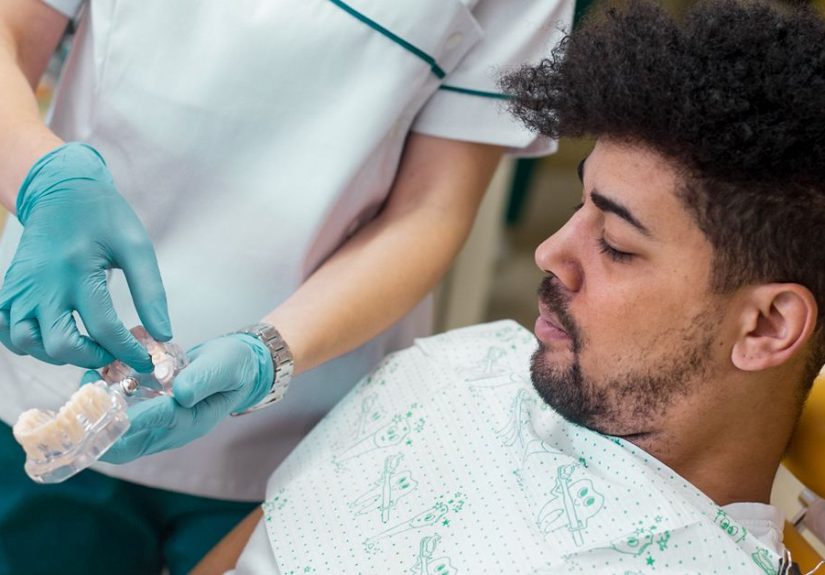
During a gum graft, a periodontist places tissue over the recessed area to protect the root and rebuild the gumline. In some cases, the tissue comes from the roof of your mouth. In others, it may come from nearby gum tissue or from donor tissue. The goal is simple: cover exposed roots, reduce sensitivity, and help prevent further recession.
Why You Might Need a Gum Graft
Your dentist may recommend gum graft surgery if you have:
- Exposed tooth roots
- Tooth sensitivity to cold, heat, or sweets
- Noticeable gum recession
- A thin gumline that is at risk of worsening
- Concern about the appearance of your smile
- Recession related to brushing too hard, gum disease, or genetics
Some patients need a graft mainly for function, while others seek it for both comfort and cosmetics. Either way, the question of pain tends to show up right on schedule.
Does a Gum Graft Hurt?
During the actual procedure, you should not feel pain because the area is numbed with local anesthesia. You may feel pressure, movement, or the deeply weird sensation that your dentist is doing important work while your mouth is off-duty, but sharp pain during surgery is not the goal and should be addressed right away if it happens.
After the numbness wears off, some discomfort is normal. This is where gum graft pain enters the chat. For many patients, the soreness is most noticeable during the first few days after surgery. If tissue was taken from the roof of the mouth, the donor site may actually feel more uncomfortable than the grafted area itself.
That said, pain levels vary. A small graft on one tooth is usually easier than a larger procedure involving multiple teeth. Your pain tolerance, the graft type, how carefully you follow aftercare instructions, and whether you smoke or have certain health conditions can all affect recovery.
Types of Gum Grafts and How They Affect Pain
Connective Tissue Graft
This is one of the most common techniques. Tissue is taken from under a flap in the roof of the mouth and then attached to the recession site. Because there are two healing areas, some patients notice soreness in both places.
Free Gingival Graft
This also uses tissue from the roof of the mouth, but it takes a small layer directly from the surface. Patients with thin gums may benefit from this method, though the palate can feel tender afterward.
Pedicle Graft
In this approach, tissue is partially cut from nearby gum tissue and repositioned over the exposed root. Since tissue is borrowed from next door instead of the palate, recovery may feel a bit simpler for some patients.
Donor Tissue Graft
Some grafts use processed donor tissue instead of tissue from your palate. This can reduce discomfort at a second surgical site, which is one reason some people find it more comfortable.
What Gum Graft Pain Feels Like
People describe recovery in different ways, but common sensations include:
- Soreness at the graft site
- Tenderness when eating or talking
- Swelling in the gums or cheek
- A bruised or tight feeling
- Mild bleeding or oozing early on
- Tooth sensitivity as the area heals
- Palate pain if tissue was taken from the roof of the mouth
Many patients say the first 24 to 72 hours are the most uncomfortable. After that, symptoms usually begin to ease. Recovery is rarely glamorous, but it is often more manageable than people fear before surgery.
Gum Graft Recovery Timeline
Day 1
Your mouth is numb during the procedure, then gradually wakes up and starts filing complaints. You may have swelling, soreness, and a little blood in your saliva. This is usually the day to rest, keep your head elevated, and avoid doing anything ambitious, including crunchy snacking.
Days 2 to 3
This is often the peak discomfort phase. Swelling and tenderness may be at their worst. Soft foods are your friend. So are prescribed or recommended pain relievers. You may need to avoid brushing near the surgical site and use a special mouth rinse instead.
Days 4 to 7
Most people start to feel noticeably better. The area may still look strange, and that is normal. Healing tissue is not known for its photogenic qualities. Discomfort often shifts from pain to mild tenderness or irritation.
Weeks 1 to 2
Many patients return to normal daily activities within this window, though the gums are still healing. If you have stitches, your periodontist may check or remove them around this time depending on the type used.
Weeks 2 to 4 and Beyond
The tissue continues integrating and maturing. You may feel mostly normal well before the area is fully healed. Complete healing can take longer than the moment when you stop thinking about it every five minutes.
Pain Management After a Gum Graft
Take Medication Exactly as Directed
Over-the-counter or prescribed pain relievers are often enough to control discomfort. Many dental pain plans rely on ibuprofen, acetaminophen, or a combination of the two, depending on your health history and your clinician’s guidance. Do not assume more is better. Follow the dosing instructions your provider gives you.
Use Cold Compresses
If your cheek feels swollen, a cold pack on the outside of the face can help during the first day or so. Keep it wrapped in cloth and use it in short intervals. Ice belongs on your cheek, not directly on your gums like a tiny reckless snowstorm.
Eat Soft, Cool, Easy Foods
Yogurt, smoothies, mashed potatoes, oatmeal, scrambled eggs, pasta, soup that is not lava-hot, and cottage cheese are common recovery staples. Hard, crunchy, spicy, acidic, and very hot foods can irritate the graft.
Avoid the Surgical Site
Chewing on the treated side, poking the area with your tongue, or “just checking on it” in the mirror every 14 minutes can irritate the graft. Try to leave it alone so it can heal in peace.
Use Any Prescribed Mouth Rinse
Your periodontist may recommend a medicated rinse to help keep the area clean while brushing is limited. Use it exactly as instructed. Good oral hygiene matters, but the healing graft does not want aggressive brushing on day two.
Rest and Skip Intense Exercise
Heavy lifting, strenuous workouts, and other activities that increase bleeding or swelling are usually discouraged right after surgery. Gentle rest for a day or two can make a real difference.
Do Not Smoke
Smoking can delay healing and increase the risk of complications. If there were ever a time for your gums to request a smoke-free workplace, this is it.
What You Should Not Do During Recovery
- Do not brush or floss the graft site until your provider says it is safe
- Do not eat chips, nuts, crusty bread, popcorn, or sharp foods
- Do not drink through a straw unless your provider says it is fine
- Do not swish aggressively
- Do not pull on your lip to inspect the graft
- Do not skip follow-up appointments
When Gum Graft Pain May Signal a Problem
Some pain is expected. Severe pain that gets worse instead of better deserves attention. Contact your periodontist if you notice:
- Pain or swelling that intensifies after the first several days
- Persistent bleeding that does not slow down
- Fever or chills
- Pus, drainage, or a bad taste that does not go away
- The graft appears loose or displaced
- Signs of infection or medication reaction
- Trouble eating or drinking because of pain
In short, normal recovery should gradually trend in the right direction. If your mouth seems to be launching a protest movement, make the call.
How Long Does It Take for Gum Graft Pain to Go Away?
For many patients, noticeable soreness improves within one to two weeks, though minor tenderness can linger longer depending on the size and type of graft. If a palate donor site is involved, that area may also need extra time to calm down. Full tissue healing may continue for several weeks after the pain has mostly resolved.
The key thing to remember is that gum graft recovery is a process. Feeling “better” and being “fully healed” are not always the same thing. Your mouth may feel mostly normal while the graft is still settling in under the surface.
How to Prepare for a More Comfortable Recovery
Before surgery, stock up on soft foods, fill prescriptions early, and clear your schedule enough to rest. Ask your periodontist these practical questions:
- What type of graft will I have?
- Will tissue come from my palate?
- What pain medicine should I use?
- When can I brush, floss, and exercise again?
- What signs of complications should make me call?
Patients who know the plan ahead of time often feel less anxious, and that alone can make recovery feel more manageable.
Real-Life Experiences With Gum Graft Pain, Recovery, and Healing
Ask ten people about gum graft pain, and you will hear ten slightly different stories. One person says, “It was not fun, but it was way easier than I expected.” Another says the roof of the mouth was the worst part. Someone else insists the emotional low point was not the soreness at all, but the moment they realized they would be eating mashed potatoes with the intensity of a fine-dining critic for three straight days.
A common experience is fear before the procedure and relief afterward. Many people expect the surgery itself to hurt, then discover that the numbness does its job. The surprise comes later, when the anesthesia fades and the mouth feels sore, swollen, and deeply unimpressed. Even then, patients often say the discomfort feels more like post-surgical tenderness than sharp pain.
Another frequent theme is that the donor site, when tissue is taken from the palate, can steal the spotlight. Some describe it as a pizza burn that stayed too long. Others say it feels raw for a few days but becomes manageable once they stick to soft foods and keep up with their pain medicine on schedule.
Recovery also has a mental side. People often worry about whether the graft “looks right,” especially in the first week. Gums can appear puffy, uneven, or lighter in color while healing, and that can be unsettling if you are checking the mirror like a detective on a very niche case. Follow-up visits usually bring reassurance that weird-looking early healing is still normal healing.
Patients who do best during recovery often mention the same habits: they rest, avoid crunchy foods, take medications as directed, and resist the urge to test the area. Patients who struggle sometimes admit they returned to normal eating too fast, forgot instructions, or decided that one little tortilla chip could not possibly cause drama. It could. It did.
There is also the social side of recovery. Talking may feel awkward for a day or two. Smiling can feel tight. Some people take the day off work and bounce back quickly. Others want a few quieter days, especially after larger grafts or multiple treatment sites. Neither response is unusual.
Perhaps the most reassuring shared experience is this: most patients say the short-term inconvenience was worth the long-term payoff. Reduced root sensitivity, a healthier gumline, and less worry about worsening recession often outweigh the temporary soreness. In other words, gum graft recovery may be annoying, but many people come out the other side saying, “I would not call it fun, but I would call it worth it.”
Conclusion
Gum graft pain is real, but it is usually temporary, manageable, and easier to handle when you know the recovery rules. The procedure itself is designed to be comfortable under anesthesia, and most of the discomfort shows up afterward as soreness, swelling, or tenderness that improves over time. Good pain management, soft foods, rest, and careful aftercare can make the recovery period much smoother.
If your provider has recommended a gum graft, try not to let the word “surgery” do all the emotional heavy lifting. With the right expectations and a little patience, most people recover well and end up glad they protected their teeth, reduced sensitivity, and gave their gumline a much-needed upgrade.
Note: This article is for educational purposes only and is not a substitute for diagnosis or treatment from a licensed dentist, periodontist, or physician.