Table of Contents >> Show >> Hide
If ticks had a PR team, the lone star tick would fire them all and stomp off into the brush. This tiny pest has become one of the most talked-about ticks in the United States for a simple reason: it is aggressive, it is expanding its reach, and it is linked to a surprisingly wide mix of health problems. Some bites lead to nothing more than an angry, itchy bump. Others can trigger bacterial illness, rare viral infections, or the now-famous alpha-gal syndrome, a delayed allergy to red meat and other mammal-derived products. In other words, this is not the tick to shrug off with a casual “Eh, probably fine.”
If you spend time hiking, gardening, camping, hunting, walking the dog, or simply existing near tall grass with optimism, it helps to know what the lone star tick looks like, where it lives, what symptoms matter, and which diseases are actually connected to it. The good news is that knowing the basics goes a long way. The better news is that the tick is easier to identify than many of its tiny cousins, especially the adult female with her signature white dot. The bad news is that the tick did not agree to remain politely visible at all times.
What Is a Lone Star Tick?
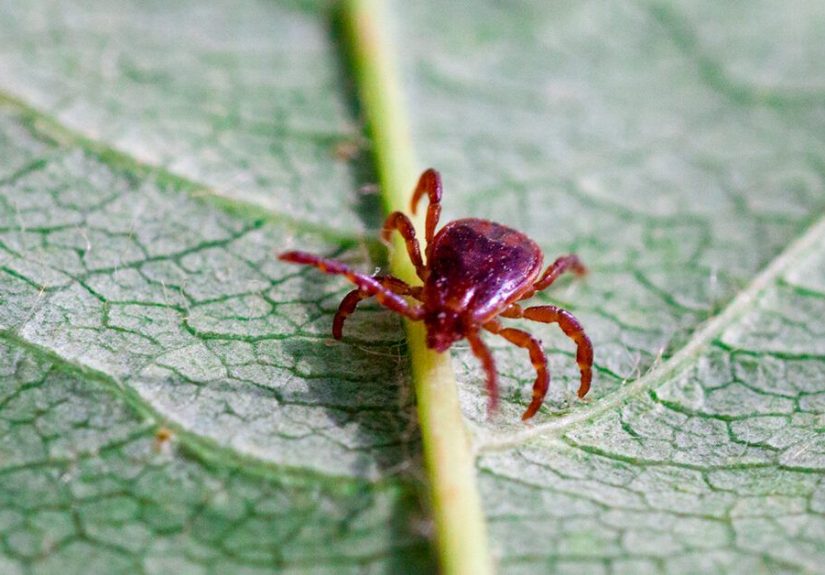
The lone star tick is a hard-bodied tick known scientifically as Amblyomma americanum. The adult female usually gets all the attention because she has a single pale spot on her back that looks like a tiny star or a very minimalist sheriff badge. Males have white streaks or scattered markings rather than one neat dot. Nymphs are smaller and easier to miss, which is unfortunate because they are also common biters of humans.
One reason this species stands out is behavior. Lone star ticks are famously aggressive hunters compared with some other ticks that simply wait for a host to brush past. They thrive around wooded edges, brushy areas, overgrown fields, leaf litter, trail margins, and places where deer and other wildlife hang out. They also bite people often enough to earn a bad reputation the old-fashioned way.
Another detail worth knowing: a lone star tick bite can cause a lot of irritation even when it does not transmit a disease. Redness, itching, swelling, and discomfort at the bite site are common. That means not every dramatic-looking bump is a medical disaster. Still, it also means you should not use “it just looks irritated” as your official diagnostic strategy.
Where Are Lone Star Ticks Found?
The lone star tick is now widely distributed across the Northeast, the South, and the Midwest. Historically, it was associated mostly with the southeastern and eastern United States, but surveillance shows it has re-established and expanded across a broader swath of the country. Today, it is commonly discussed from Texas and Oklahoma across the South and into the Atlantic states, with established populations now documented much farther north and inland than many people expect.
That growing footprint matters because people often assume their local tick risk has stayed frozen in time. It has not. In many places, health professionals, extension experts, and tick researchers are warning that lone star ticks are showing up in counties where older mental maps would not have placed them. Deer movement, habitat changes, reforestation, and climate conditions all help explain why this tick keeps showing up where it was once uncommon.
Common Risk Areas
You are more likely to encounter lone star ticks in:
- Wooded and brushy areas
- Trail edges and overgrown yards
- Tall grass and low shrubs
- Places with high deer activity
- Outdoor work and recreation sites in warmer months
Adults are often most active from spring into late summer, while immature stages can remain active well beyond that. In plain English, tick season has a rude habit of feeling longer than people remember.
Diseases and Conditions Linked to Lone Star Tick Bites
Here is where the lone star tick really earns its reputation. It is linked to several different illnesses and one very strange allergy. Some are relatively uncommon, but uncommon stops feeling comforting the moment it happens to you.
Ehrlichiosis
Ehrlichiosis is one of the best-established illnesses linked to the lone star tick. It is caused by bacteria, including Ehrlichia chaffeensis and Ehrlichia ewingii, and symptoms usually start about one to two weeks after the bite of an infected tick. Early illness often looks frustratingly similar to the flu: fever, chills, headache, muscle aches, fatigue, nausea, and general misery. Some people also develop diarrhea or a rash, though rash is not always present.
This matters because people can dismiss it as “some weird summer bug” when the real clue was a tick bite they barely noticed. Ehrlichiosis can become serious, especially if diagnosis and treatment are delayed. When fever shows up after a tick exposure, this should be on the shortlist.
Southern Tick-Associated Rash Illness (STARI)
STARI is the condition that causes endless confusion because it can resemble early Lyme disease. After a lone star tick bite, some people develop an expanding red rash, sometimes with a bull’s-eye appearance. It usually appears within about a week and can grow several inches across. Fatigue, headache, fever, and muscle or joint pain may show up too.
Here is the key distinction: STARI is not Lyme disease, and lone star ticks are not considered vectors of Lyme disease in the United States. That point is worth underlining in bright red ink. The rash can look similar, but current evidence does not support the lone star tick as a likely source of Lyme transmission. The cause of STARI itself still has not been pinned down with certainty, which is a very scientific way of saying medicine still has a few unanswered questions on the whiteboard.
Alpha-Gal Syndrome
This is the plot twist no one sees coming. Alpha-gal syndrome is a potentially serious allergy that can develop after a tick bite. Instead of causing symptoms right after the bite, it can make the body react later to alpha-gal, a sugar found in most mammalian meat and some mammal-derived products. Beef, pork, lamb, venison, gelatin, and in some cases dairy or certain medications may become a problem.
The odd part is timing. Unlike many food allergies that strike quickly, alpha-gal reactions often appear two to six hours after exposure. That delay has launched countless real-life detective stories featuring burgers, barbecue, midnight hives, stomach pain, vomiting, diarrhea, swelling, and confused people asking, “How can dinner be the issue when dinner was hours ago?” In severe cases, alpha-gal syndrome can trigger anaphylaxis, which is a medical emergency.
Tularemia
Tularemia is a bacterial infection caused by Francisella tularensis, and tick bites are one way people can get it. When infection follows a tick bite, one classic form is ulceroglandular tularemia. That can cause fever, chills, fatigue, swollen lymph nodes, and an ulcer or sore at the site where the bacteria entered the body. Some people may also develop eye symptoms if the organism reaches the eye, including pain, tearing, redness, and sensitivity to light.
Tularemia is not exclusive to lone star ticks, but the lone star tick is one of the U.S. tick species known to transmit it. It is less common than plain old “itchy bite panic,” but far more important to catch early.
Heartland Virus Disease
Heartland virus disease is rare, but it is linked to infected ticks in the eastern, southeastern, and south-central United States, where the lone star tick is established. Early symptoms can include fever, fatigue, loss of appetite, nausea, diarrhea, and general flu-like illness. Laboratory findings may show low white blood cells, low platelets, and elevated liver enzymes.
There is no specific antiviral treatment for Heartland virus disease. Care is supportive, which is medical language for “there is no magic pill, so early recognition and appropriate medical care matter a lot.”
Bourbon Virus Disease
Bourbon virus disease is also rare and still being studied, but it is believed to spread through infected tick bites and has been identified in the Midwest and southern United States. Symptoms can include fever, fatigue, headache, body aches, rash, nausea, and vomiting. Like Heartland virus disease, it does not respond to antibiotics, and there is no specific vaccine or standard antiviral treatment.
Rarity is helpful, but it is not armor. The practical takeaway is simple: unexplained fever after tick exposure deserves attention, even when the illness does not fit one neat textbook picture.
Symptoms: What Should Actually Worry You?
A tick bite alone can cause a small red bump, itching, and irritation. That is common. What deserves more attention is when symptoms spread beyond the bite site or grow worse over the following days or weeks.
Watch for These Red Flags
- Fever or chills after a recent tick bite
- Headache, fatigue, and muscle aches that feel more than minor
- An expanding rash, especially one getting larger over days
- Swollen lymph nodes
- An ulcer or sore at the bite site
- Nausea, vomiting, diarrhea, or abdominal pain
- Hives, facial swelling, trouble breathing, or delayed reactions after eating red meat
The timeline matters too. Ehrlichiosis symptoms often show up within one to two weeks. STARI rash may appear within about seven days. Alpha-gal syndrome reactions usually happen after later exposure to mammalian meat or related products and are often delayed by several hours. If your body starts acting like it has joined a mystery series, the tick may be the opening scene.
What About Lyme Disease?
This deserves its own section because the confusion never seems to retire. Lone star ticks do not transmit Lyme disease according to current CDC guidance. Blacklegged ticks are the primary vectors of Lyme disease in the United States. What confuses people is that STARI can create a rash that looks a lot like the rash from early Lyme disease. Similar appearance, different story.
That does not mean a lone star tick bite is harmless. It means you should think “not Lyme, but still potentially important.” Medical care is still a smart move if you develop an expanding rash, fever, or other systemic symptoms after a tick bite.
What To Do After a Lone Star Tick Bite
Step one is simple and not glamorous: remove the tick correctly. Use fine-tipped tweezers, grasp the tick as close to the skin as possible, and pull upward with steady, even pressure. Do not twist, jerk, burn, smother, negotiate with, or otherwise improvise. Once it is out, clean the skin and your hands with soap and water or rubbing alcohol.
Then monitor yourself for several weeks. Take note of the date of the bite, where on your body it happened, and whether you later develop fever, rash, unusual fatigue, digestive symptoms, or delayed allergic reactions after eating mammalian products. If symptoms appear, tell your healthcare provider about the tick bite, even if it seemed minor at the time. A forgotten tick bite is a surprisingly common supporting actor in delayed diagnosis.
Prevention remains the best strategy: use EPA-registered repellents, treat clothing and gear with 0.5% permethrin, stay on the center of trails, avoid brushing against tall grass and brush, shower after being outdoors, and do full-body tick checks. Ticks are much easier to deal with before they attach and considerably less charming after.
Common Real-World Experiences Related to Lone Star Tick Bites
In real life, lone star tick experiences are often less dramatic than movies and more annoying than people expect. A hiker in a Mid-Atlantic state might come home from a sunny trail walk feeling proud, hydrated, and vaguely outdoorsy, only to find several tiny ticks attached behind the knees or around the waistline. The bites itch like crazy, and the redness looks alarming. In many cases, that irritation is just the local reaction from the tick’s saliva. It is uncomfortable, but not every itchy welt means infection. That distinction matters because the first experience many people have with a lone star tick is panic, followed by relief, followed by a sudden interest in buying very high socks.
Another common experience involves “seed ticks,” the larval stage. People working in yards, walking through brush, or sitting near deer habitat sometimes discover clusters of extremely tiny ticks on socks, shoes, pant legs, or skin. It feels unfair because it is unfair. The person may not recall one obvious bite, just a wave of itching and the terrible realization that the outdoors has become aggressively affectionate. These encounters often lead to more careful clothing choices, better repellent habits, and a deep respect for the sentence “tuck your pants into your socks,” which sounds silly until it starts sounding genius.
Then there is the person who feels fine at first, but a week later develops fever, headache, body aches, and crushing fatigue. They think it is a summer virus. Maybe they blame work stress, bad sleep, or the world in general. Only later does someone ask about recent tick exposure, and suddenly the puzzle pieces start lining up in the shape of ehrlichiosis. This is one of the most practical lessons from real-world cases: many tick-related illnesses begin with symptoms that are easy to dismiss. The body does not always send a formal engraved invitation announcing, “Dear patient, this is definitely tick-borne.”
One of the strangest real-world experiences linked to lone star ticks is alpha-gal syndrome. People often describe it as confusing at first because the trigger is delayed. Someone eats a perfectly ordinary cheeseburger, barbecue plate, or steak dinner and feels fine, then wakes up hours later with hives, severe stomach cramps, vomiting, diarrhea, swelling, or even trouble breathing. Because the reaction does not happen right away, many people do not connect the dots. They suspect seasoning, food poisoning, dairy, stress, fate, or betrayal by the universe. Only after repeat episodes do they learn that a past tick bite may have changed how their immune system reacts to mammalian meat and certain related products.
Parents sometimes describe another version of the story: a child comes in from playing outside with itchy bites and a red spot that looks larger the next day. Adults immediately worry about Lyme disease because the internet has trained everyone to panic efficiently. In lone star tick territory, however, an expanding rash may point toward STARI instead. The experience is still stressful, but it highlights why location matters. The type of tick in your region changes the medical conversation.
Many people who have dealt with lone star ticks also describe a long-term behavioral shift. They stop wandering into tall grass in shorts. They keep tweezers where normal households keep pens. They perform post-hike tick checks with the seriousness of airport security. They learn that “just one quick walk” can become a full lecture on repellents, treated clothing, and showering after outdoor activity. In that sense, the most common experience related to lone star ticks is not a disease at all. It is becoming the person who talks about ticks at cookouts while everyone else quietly moves their lawn chairs away.
Final Thoughts
The lone star tick is not just another itchy footnote of summer. It is a medically important tick with a broad and growing U.S. footprint, a well-earned reputation for aggressive biting, and a connection to illnesses that range from treatable bacterial infections to rare viral diseases and delayed red meat allergy. The biggest mistake is assuming every tick problem looks the same. The smartest move is learning the patterns: where this tick lives, what symptoms show up, and when “keep an eye on it” needs to become “call a healthcare provider.”
Knowledge may not make ticks less irritating, but it does make them less mysterious. And with a creature this annoying, that counts as a small but satisfying victory.