Table of Contents >> Show >> Hide
- What Is White Pizza?
- Why This White Pizza Recipe Works
- Ingredients for the Best White Pizza Recipe
- How to Make White Pizza
- Flavor Variations That Actually Make Sense
- Common Mistakes to Avoid
- What to Serve with White Pizza
- How to Store and Reheat Leftovers
- White Pizza Recipe FAQ
- Kitchen Experience: What I Learned Making White Pizza Again and Again
- Final Thoughts
White pizza is what happens when pizza night decides to dress in cream-colored cashmere instead of a red sauce hoodie. It is rich without being ridiculous, cheesy without becoming a dairy hostage situation, and fancy enough to impress company while still being easy enough for a Tuesday when everyone is hungry and patience is in short supply. If you love garlic, melty mozzarella, creamy ricotta, and a crisp crust that crackles when you cut into it, this white pizza recipe deserves a permanent place in your dinner rotation.
Unlike traditional pizza, white pizza skips tomato sauce and lets the cheese, olive oil, herbs, and garlic do the talking. The result is savory, creamy, and surprisingly balanced when done right. The trick is not to smother the crust under an avalanche of toppings. White pizza is a lesson in restraint: a good dough, a smart cheese blend, and just enough flavor boosters to keep every bite interesting. In other words, this is not the place for chaos. This is the place for mozzarella diplomacy.
What Is White Pizza?
A white pizza is a pizza made without red sauce. Instead of tomato, the base usually relies on olive oil, ricotta, a light garlic spread, or a creamy white sauce. In many American kitchens, the classic combination includes ricotta, mozzarella, Parmesan or Pecorino, garlic, olive oil, and herbs. Some versions go even simpler with just olive oil, mozzarella, and salt. Others lean decadent with béchamel, Alfredo-style sauce, mushrooms, spinach, sausage, or hot honey.
It is also worth clearing up one common point of confusion. Pizza bianca and American-style white pizza are related, but they are not always the same thing. Pizza bianca in the Roman tradition is often a crisp, airy flatbread dressed more simply with olive oil and salt. In the United States, white pizza usually means a tomato-free pie topped with cheese and often ricotta. Same family, different personalities. One is the minimalist cousin in linen trousers; the other shows up with three cheeses and a plan.
Why This White Pizza Recipe Works
This version is built for home cooks, not wood-fired pizza wizards with a custom oven and a suspicious amount of free time. It uses accessible ingredients, gives you room to personalize the toppings, and still delivers the flavors people want from a really good white pizza: crisp edges, stretchy cheese, a creamy base, and enough garlic to make the kitchen smell like victory.
The balance of cheeses matters
Ricotta brings creaminess, mozzarella brings melt and stretch, and Parmesan adds salty depth. Use only ricotta and the pizza can feel too soft. Use only mozzarella and it can feel one-note. Use all three and the pie tastes layered, savory, and complete.
Garlic oil keeps it flavorful without making it heavy
Instead of drowning the dough in a thick white sauce, this recipe starts with olive oil mixed with garlic. That gives the crust flavor and helps the top brown beautifully. It also keeps the pizza from turning into an edible comforter.
High heat saves the day
White pizza needs a hot oven because there is no tomato sauce to hide a limp crust. A fully preheated baking stone, pizza steel, or sheet pan helps the bottom crisp before the cheeses overcook. That contrast between crunchy crust and creamy topping is the whole point.
Ingredients for the Best White Pizza Recipe
This recipe makes one 12- to 14-inch pizza, enough for about 2 to 4 people depending on whether you are serving salad, appetizers, or a table full of people who “just want one slice” and then mysteriously eat four.
For the pizza
- 1 pound pizza dough, homemade or store-bought
- 1 tablespoon extra-virgin olive oil, plus more for brushing
- 2 garlic cloves, finely grated or minced
- 3/4 cup whole-milk ricotta cheese
- 1 1/2 cups shredded low-moisture mozzarella
- 1/3 cup finely grated Parmesan cheese
- 1 teaspoon dried oregano or 1 tablespoon chopped fresh oregano
- 1/4 teaspoon crushed red pepper flakes, optional
- 1/4 teaspoon kosher salt, plus more to taste
- Freshly ground black pepper
- 1 tablespoon chopped fresh basil or parsley
- 1 teaspoon lemon zest, optional but excellent
Optional toppings
- Baby spinach or arugula
- Sautéed mushrooms
- Cooked broccoli or broccoli rabe
- Caramelized onions
- Cooked Italian sausage
- A drizzle of hot honey
How to Make White Pizza
1. Preheat like you mean it
Place a pizza stone or pizza steel in the oven and preheat to 500°F, or as hot as your oven safely goes, for at least 30 to 45 minutes. If you do not have a stone or steel, preheat an upside-down sheet pan. A hot surface is the difference between crisp and floppy, and floppy white pizza is the culinary equivalent of wet socks.
2. Bring the dough to room temperature
If your dough came from the refrigerator, let it rest on the counter for 30 to 60 minutes. Room-temperature dough stretches more easily and fights back less. Cold dough has the emotional range of a brick.
3. Make the garlic ricotta mixture
In a small bowl, stir together the ricotta, half of the Parmesan, oregano, salt, a few grinds of black pepper, and half of the garlic. In another small bowl, mix the olive oil with the remaining garlic. This gives you two layers of flavor: a creamy layer and a fragrant oil layer.
4. Stretch the dough
On a lightly floured surface, stretch the dough into a 12- to 14-inch round. Transfer it to a floured pizza peel or a piece of parchment paper if you are baking on a sheet pan or stone. Leave a slight border around the edge for the crust.
5. Build the pizza
Brush the dough lightly with the garlic oil. Dollop the ricotta mixture across the surface and gently spread it, leaving the border bare. Top with the mozzarella and the remaining Parmesan. Add red pepper flakes if using. If you want to add mushrooms, cooked greens, or sausage, do so sparingly. White pizza is at its best when the toppings are balanced, not piled into a cheese landslide.
6. Bake until deeply golden
Bake for 8 to 12 minutes, depending on your oven and thickness of the crust, until the cheese is bubbly and the edges are deeply golden. If you like extra browning on top, broil for 30 to 60 seconds at the end, watching closely.
7. Finish and serve
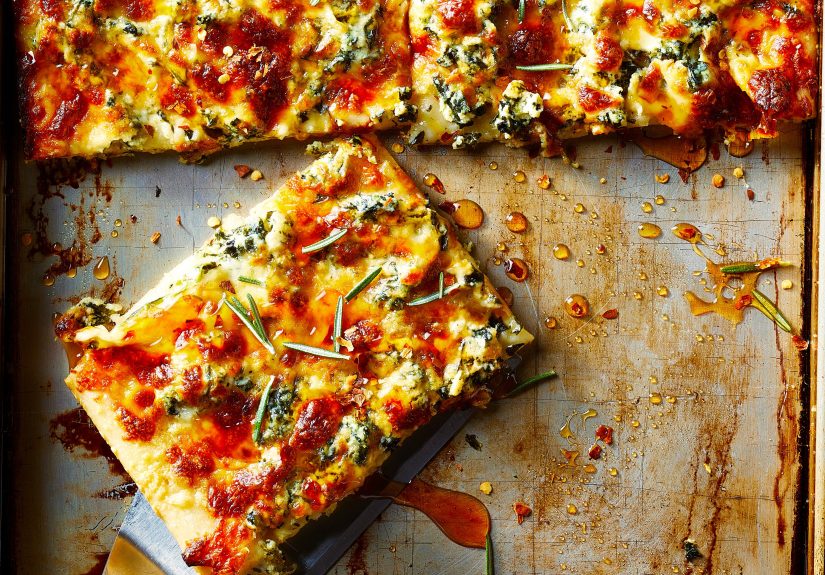
Let the pizza rest for 2 minutes. Finish with basil or parsley and lemon zest if using. Slice and serve immediately. A small drizzle of hot honey works beautifully if you want a sweet-spicy contrast.
Flavor Variations That Actually Make Sense
The beauty of a white pizza recipe is that it plays well with both minimal toppings and bold ones. Here are a few combinations that work especially well.
White pizza with spinach
Add a thin layer of baby spinach under the mozzarella or scatter dressed arugula on top after baking. The greens add freshness and keep the pizza from feeling too rich.
White pizza with mushrooms
Sauté mushrooms first so they release moisture before going on the pie. Earthy mushrooms and ricotta are a great match, especially with thyme or black pepper.
White pizza with broccoli or broccoli rabe
Broccoli adds sweetness. Broccoli rabe adds a pleasant bitterness that balances the cheese. Either one pairs well with garlic and a little lemon zest.
White pizza with sausage
Cook the sausage before adding it. This version is hearty and excellent with red pepper flakes. It turns pizza night into dinner dinner.
White pizza with hot honey
If you have never drizzled hot honey over a white pizza, this is your sign. The sweetness perks up the salty cheese and garlicky crust without overwhelming the pie.
Common Mistakes to Avoid
Using too much ricotta
Ricotta is wonderful, but it is also moist. Too much can leave the center heavy and wet. Think dollops or a thin spread, not a dairy swamp.
Skipping the preheat
A lukewarm baking surface produces pale crust and disappointment. Preheating the oven thoroughly is not optional here.
Overloading the toppings
White pizza shines when the crust can still crisp and the cheeses can brown. A restrained topping list almost always tastes better than a pizza trying to be a salad bar.
Adding watery vegetables raw
Mushrooms, spinach, and zucchini all hold moisture. Cook or drain them first, or use a light hand.
Ignoring finishing ingredients
A sprinkle of herbs, a little lemon zest, cracked pepper, or a drizzle of olive oil can take the pizza from good to “who made this?” in the best way.
What to Serve with White Pizza
Because white pizza is rich, it pairs best with crisp, bright sides. A lemony arugula salad, roasted vegetables, marinated tomatoes, or even a simple bowl of grapes can help balance the meal. If you are hosting, serve white pizza alongside a classic red pie so everyone gets options and nobody has to pick sides in the sauce debate.
How to Store and Reheat Leftovers
Store leftover slices in an airtight container in the refrigerator for up to 3 days. Reheat in a skillet over medium-low heat or in a 375°F oven until warmed through and crisp again. The microwave works in the same way that flip-flops work in a snowstorm: technically possible, strategically unwise.
White Pizza Recipe FAQ
Can I make white pizza without ricotta?
Yes. You can use just mozzarella and Parmesan with garlic oil, or swap in mascarpone, goat cheese, or a light white sauce. Ricotta is classic, but it is not mandatory.
What cheese is best for white pizza?
A mix works best. Low-moisture mozzarella gives you melt, ricotta gives creaminess, and Parmesan or Pecorino adds salt and bite. Fontina, provolone, and goat cheese can also work in smaller amounts.
Can I use store-bought dough?
Absolutely. In fact, store-bought dough is one of the easiest ways to make this recipe weeknight-friendly. Just let it warm up before stretching.
Does white pizza need sauce?
No. Some versions use béchamel or Alfredo-style sauce, but many excellent white pizzas rely only on olive oil, ricotta, and cheese.
Kitchen Experience: What I Learned Making White Pizza Again and Again
The first time I made white pizza at home, I treated ricotta like it was whipped cream on a holiday pie and piled it on with blind optimism. The crust looked promising, the cheese smelled amazing, and then I sliced into it and discovered the center had the structural integrity of a soft mattress. Delicious, yes. Sliceable, not exactly. That was the moment I learned the central truth of white pizza: this is a recipe that rewards confidence, but punishes overenthusiasm.
After that, I started paying attention to the little things. I let the dough sit out longer so it would stretch without snapping back like a rubber band with personal issues. I preheated my baking steel long enough that it felt almost dramatic. I switched from random handfuls of cheese to a more deliberate mix of ricotta, mozzarella, and Parmesan. Suddenly, the pizza stopped tasting homemade in the apologetic sense and started tasting homemade in the excellent sense: crisp, blistered, fragrant, and just a little smug.
I also learned that white pizza is one of the best recipes for teaching yourself balance. With red sauce pizza, acidity does a lot of heavy lifting. On a white pie, every topping has to earn its place. Too much mozzarella and it gets greasy. Too much ricotta and it turns dense. Too many vegetables and the crust gives up. But when you get the ratio right, the whole thing tastes more elegant than the effort involved would suggest. It feels like a magic trick performed with a bag of dough and a tub of cheese.
One of my favorite discoveries was how much finishing touches matter. A little lemon zest makes the whole pizza taste brighter. A handful of arugula tossed on top gives it life. Cracked black pepper adds just enough edge. And hot honey? Hot honey on white pizza is one of those combinations that sounds trendy until you try it and then immediately become annoying about it. Suddenly you are telling people, unprompted, that sweet heat is the answer and they really need to trust you on this.
I have made white pizza for quiet dinners, movie nights, last-minute guests, and one chaotic evening when everyone in the house wanted “something good” but nobody wanted to agree on what that meant. White pizza solved it. It feels cozy enough for comfort food, but still has enough personality to stand out. It also scales well depending on your mood. Keep it simple with garlic, ricotta, and mozzarella, or dress it up with mushrooms, sausage, greens, or roasted vegetables. It is flexible without becoming boring, which is more than can be said for many weeknight meals and at least a few group chats.
The biggest surprise, though, is how often white pizza converts people who think they do not like it. A lot of folks assume tomato-free pizza will taste bland or too rich. Then they try a slice with a crisp crust, good cheese, garlic oil, and herbs, and suddenly they are quiet for a minute. That quiet is important. That is the sound of someone revising their worldview while chewing.
So if you have been curious about making white pizza at home, consider this your nudge. You do not need restaurant equipment, a culinary degree, or a mystical Italian grandmother whispering guidance from the corner. You just need solid dough, smart toppings, enough heat, and the discipline not to overload the pie because every topping in the refrigerator is calling your name. Keep it simple, bake it hot, and let the crust and cheese do their thing. The result is the kind of meal that feels special without being fussy, and that is exactly the sort of kitchen win worth repeating.
Final Thoughts
A great white pizza recipe proves that red sauce is optional, not mandatory. With the right dough, a balanced cheese blend, and a hot oven, you get a pizza that is crisp, creamy, savory, and full of character. It is easy enough for a weeknight, impressive enough for guests, and flexible enough to adapt to whatever toppings you love. Make it once, and there is a decent chance it will end up in regular rotation right next to your usual pizza favorites. The red-sauce pie does not need to worry, but it should probably be a little nervous.