Table of Contents >> Show >> Hide
- What Is Fever-Tree?
- What Are Fever-Tree Tonic Waters?
- What Are Fever-Tree Sodas?
- Fever-Tree Tonic Water vs. Club Soda: What Is the Difference?
- Why Do People Like Fever-Tree So Much?
- Popular Fever-Tree Flavors and What They Are Best For
- Are Fever-Tree Tonic Waters and Sodas Worth Buying?
- How to Choose the Right Fever-Tree Product
- What the Experience Is Like: Drinking Fever-Tree in Real Life
- Conclusion
If you have ever stood in the mixer aisle staring at a row of pretty little bottles and wondered why Fever-Tree tonic waters and sodas seem to have a fan club, you are not alone. At first glance, they can look like “just mixers.” But that is a bit like calling a cashmere sweater “just a shirt.” Technically true. Spiritually offensive.
Fever-Tree built its reputation on a simple idea: if a mixer makes up a big chunk of your drink, it should taste as good as the spirit you are pouring it with. That philosophy helped turn tonic water, club soda, ginger ale, and other bubbly sidekicks into something people actually talk about on purpose. Not by accident. Not only after two cocktails.
So, what exactly are Fever-Tree tonic waters and sodas? They are a line of premium carbonated mixers and soft drinks made to deliver more flavor, finer bubbles, and a cleaner finish than many old-school supermarket options. Some are bitter and citrusy, some are floral, some are crisp and neutral, and some are bright, fruity, and easy to sip even without alcohol. In other words, this is the rare category where “sparkling beverage” can mean everything from a razor-sharp gin and tonic partner to a refreshing afternoon drink that makes plain water look underdressed.
What Is Fever-Tree?
Fever-Tree is a premium mixer brand that became famous for upgrading the ingredients people usually ignore. The company’s calling card has long been tonic water, especially its Indian tonic, but its lineup now stretches well beyond that. In the U.S. market, the brand is known for tonic waters, club soda, ginger ale, ginger beer, and a growing lineup of sparkling citrus- and fruit-forward drinks.
What separates Fever-Tree from many mainstream mixers is the way it talks about sourcing and flavor construction. Instead of treating tonic as a bitter afterthought, the brand emphasizes ingredients such as quinine, citrus oils, botanicals, ginger blends, and carefully tuned carbonation. That matters because tonic water is not just “bubbly bitter stuff,” and soda is not always “neutral fizz.” The choice of mixer can either flatter your drink or stomp all over it in heavy boots.
In plain English, Fever-Tree’s appeal comes down to this: the drinks are designed to taste more deliberate. They aim for balance instead of syrupy sweetness, strong bubbles instead of sleepy fizz, and recognizable flavor rather than a vague lemon-lime shrug.
What Are Fever-Tree Tonic Waters?
Fever-Tree tonic waters are carbonated drinks built around quinine, the ingredient that gives tonic water its signature bittersweet edge. Unlike club soda, tonic water is flavored. That flavor usually combines bitterness, citrus, a touch of sweetness, and sometimes floral or spice notes depending on the style.
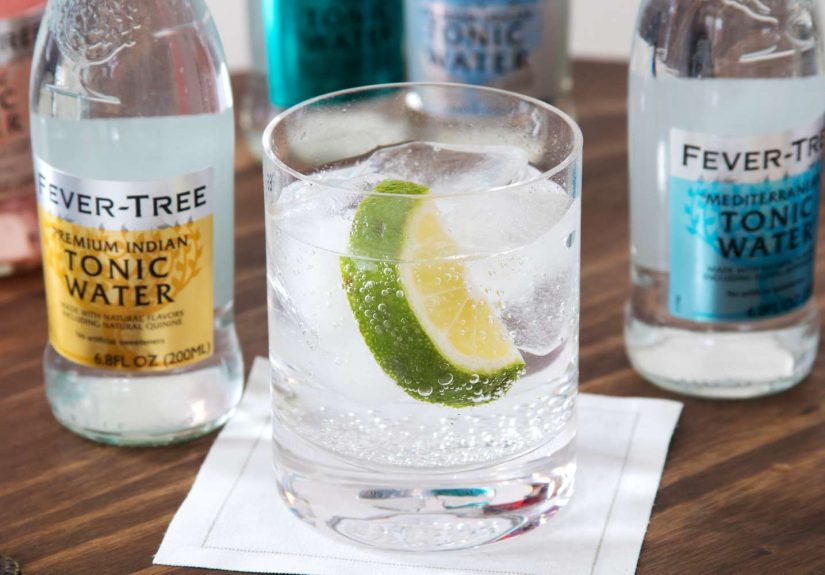
The brand’s best-known option is its Premium Indian Tonic Water. This is the classic, all-purpose bottle that many people reach for in a gin and tonic. It is crisp, gently bitter, subtly citrusy, and versatile enough to work with gin, vodka, and some tequila-based highballs. If you are new to Fever-Tree, this is usually the gateway bottle. It is the white T-shirt of the lineup: simple, dependable, and surprisingly hard to improve on.
Then there is Refreshingly Light Tonic Water, which aims to keep the bitterness and citrus brightness of the original while dialing down calories and sugar. This one is popular with people who like tonic but do not want their drink to taste heavy or overly sweet. Importantly, it is marketed as a lighter option without leaning on the kind of artificial sweetener profile that makes some “diet” mixers taste like they were developed in a chemistry lab at 2 a.m.
Fever-Tree also offers more expressive tonic styles, including Mediterranean Tonic Water and Elderflower Tonic Water. Mediterranean Tonic tends to be softer, more floral, and more herbaceous than standard Indian tonic. It often feels smoother and sunnier, especially with vodka or gentler gins. Elderflower Tonic adds a fragrant, lightly sweet floral note that can make a simple mixed drink feel dressed for a garden party it actually wants to attend.
Depending on where you shop, you may also run into other tonic variations, such as aromatic or seasonal flavors. The point is that Fever-Tree does not treat tonic water as one-size-fits-all. It treats tonic the way coffee people treat roast profiles: not every bottle is doing the same job, and that is exactly the fun of it.
How Tonic Water Tastes
If you have never really paid attention to tonic before, here is the easiest way to understand it. Tonic water is usually:
- Bitter from quinine
- Citrusy from added oils or flavorings
- Slightly sweet to balance bitterness
- Highly carbonated for lift and refreshment
That combination is why tonic water can be polarizing. Some people sip it and think, “Refreshing.” Others sip it and think, “Why is my soda arguing with me?” Fever-Tree’s skill is making that bitterness feel polished rather than punishing.
What Are Fever-Tree Sodas?
Here is where the name game gets interesting. When people say Fever-Tree sodas, they are usually talking about the brand’s non-tonic sparkling drinks and mixers, including club soda, ginger ale, and fruit-forward sparkling options like pink grapefruit, cucumber, sparkling lemonade, or lime & yuzu. These are not all “soda” in the cola sense. They are soda in the broader fizzy-drink sense.
The cleanest example is Premium Club Soda. This is the bottle you want when you want bubbles without extra flavor getting in the way. Fever-Tree’s club soda is designed to be smooth, highly carbonated, and mineral-leaning rather than aggressively salty or flat. It is useful in whiskey highballs, vodka sodas, tequila sodas, and zero-proof drinks where you want lift, not extra sweetness.
Premium Ginger Ale sits on the gentler, smoother side of the ginger spectrum. It has a more polished ginger note and is commonly paired with whiskey, bourbon, and rum. It is the sort of mixer that can make a two-ingredient drink seem suspiciously well planned.
Premium Ginger Beer, while technically not a “soda” in the same way club soda is, often gets grouped into the same conversation because it is another carbonated mixer from the brand. It is bolder, spicier, and more assertive than ginger ale. If ginger ale says, “Good evening,” ginger beer kicks the door open and says, “Let’s build a Moscow Mule.”
The sparkling fruit and citrus range brings the soft-drink side of Fever-Tree into focus. Sparkling Pink Grapefruit is tart and bright, making it a natural fit for Paloma-style drinks or alcohol-free spritzes. Sparkling Cucumber leans fresh and cooling. Sparkling Sicilian Lemonade is zingy and classic. Sparkling Lime & Yuzu gives a sharper, more aromatic citrus experience. These options work as mixers, but many people buy them simply because they are enjoyable on their own.
Fever-Tree Tonic Water vs. Club Soda: What Is the Difference?
This is the question many shoppers really mean to ask.
Tonic water contains quinine and flavoring, so it has a bittersweet, citrusy taste. It changes the flavor of your drink in a noticeable way. A gin and tonic does not work because tonic is neutral. It works because tonic brings bitterness, sparkle, and contrast.
Club soda, on the other hand, is mostly about texture and refreshment. It has carbonation and minerals, but far less flavor than tonic. It is the cleaner option when you want to highlight the spirit, citrus garnish, or herbs without adding bitterness.
If you are making a gin and tonic, reach for tonic. If you are making a tequila soda with lime, vodka soda, or whiskey highball, club soda often makes more sense. Use the wrong one and your drink can still be drinkable, but it may feel like the beverage equivalent of wearing hiking boots to a wedding.
Why Do People Like Fever-Tree So Much?
The love for Fever-Tree usually comes down to four things: flavor, carbonation, balance, and flexibility.
1. The flavor feels cleaner
Many drinkers describe Fever-Tree products as less cloying than older mass-market mixers. The bitterness is clearer, the citrus is brighter, and the sweetness tends to sit back rather than stage-dive into your glass.
2. The bubbles do real work
Good carbonation is not just about sparkle. It changes mouthfeel, aroma, and the pace at which a drink feels refreshing. Fever-Tree’s products are often praised for lively, fine bubbles that make drinks seem crisper and more elegant.
3. The lineup is easy to pair
You can match different Fever-Tree products to different spirits and moods. Indian tonic for a classic gin and tonic. Mediterranean tonic for floral drinks. Club soda for highballs. Ginger ale for whiskey. Ginger beer for mules. Pink grapefruit for tequila. That kind of built-in pairing logic helps people feel like they know what they are doing, even if they are just winging it in clean sweatpants.
4. It works for cocktails and nonalcoholic drinks
One reason the brand has stayed popular is that its drinks are not only for alcohol. You can pour many of them over ice with a citrus wedge and call it a day. In a time when more people want better zero-proof options, that matters.
Popular Fever-Tree Flavors and What They Are Best For
Premium Indian Tonic Water
Best for classic gin and tonic, vodka tonic, and anyone who wants the most recognizable Fever-Tree profile. Expect crisp bitterness with subtle citrus.
Mediterranean Tonic Water
Best for softer, floral serves. Great with cucumber, lighter gins, vodka, or herb-forward drinks. Expect a gentler tonic experience.
Elderflower Tonic Water
Best for fragrant, slightly more aromatic drinks. Lovely with floral gins, berry garnishes, or lemon twists.
Refreshingly Light Tonic Water
Best for people who want a lighter tonic profile with fewer calories and a cleaner finish than some diet mixers.
Premium Club Soda
Best for highballs, vodka sodas, tequila sodas, whiskey with soda, and simple nonalcoholic refreshers. This is your minimalist fizz option.
Premium Ginger Ale
Best for whiskey, bourbon, dark rum, and easy sipping on its own. Smooth, crisp, and approachable.
Premium Ginger Beer
Best for Moscow Mules, Dark ’n Stormy-style drinks, and people who like ginger to show up loudly and on time.
Sparkling Pink Grapefruit
Best for tequila drinks, Palomas, citrus spritzes, and summer afternoons that require a little drama.
Are Fever-Tree Tonic Waters and Sodas Worth Buying?
If you mostly use mixers as background noise, you may wonder whether premium mixers are worth the extra money. Fair question. The answer depends on how you drink.
If you are mixing with a decent bottle of gin, whiskey, tequila, or vodka, the mixer becomes a major part of the final flavor. In that case, spending a little more on something balanced and better carbonated can make sense. A cheap mixer can flatten a great spirit fast. A better mixer gives you a more polished result without requiring bartender-level skills.
They are also worth considering if you like alcohol-free drinks that feel grown-up. Fever-Tree’s tonic waters and sodas can deliver complexity that plain seltzer often cannot. You get bitterness, botanicals, citrus, or ginger heat instead of just bubbles with a vague personality.
That said, the best Fever-Tree product depends on what you actually want. Not everyone needs elderflower tonic. Not everyone wants cucumber sparkle in a bottle. Some people truly just want club soda, lime, and peace. That is valid. Choose for the drink you want to make, not for the prettiest label in the fridge.
How to Choose the Right Fever-Tree Product
If you are shopping fast, here is the simple cheat sheet:
- Choose Indian Tonic for a classic gin and tonic.
- Choose Mediterranean Tonic for floral, softer drinks.
- Choose Elderflower Tonic for aromatic, garden-party vibes.
- Choose Club Soda when you want clean bubbles without bitterness.
- Choose Ginger Ale for whiskey, bourbon, or rum.
- Choose Ginger Beer for spicy cocktails and mule-style drinks.
- Choose Pink Grapefruit for tequila drinks and bright citrus refreshers.
If you are still undecided, start with Indian Tonic, Club Soda, and Ginger Ale. That trio covers most home bar basics and gives you a feel for how the brand approaches different styles.
What the Experience Is Like: Drinking Fever-Tree in Real Life
Reading about premium mixers can make the whole category sound more serious than it really is, so let’s translate it into actual experience. What does it feel like to live with Fever-Tree tonic waters and sodas rather than just admire them from a recipe page?
First, there is the opening of the bottle or can. The carbonation tends to announce itself with confidence. Not in a “science fair volcano” way, but in a crisp, promising way that tells you this drink has not shown up sleepy. Pour it over ice and the bubbles look energetic instead of exhausted. That may sound like a small thing, but it changes your first impression immediately.
Then there is the aroma. With Indian tonic, you get a light citrus lift and that unmistakable tonic smell that hints at bitterness before you even sip. Mediterranean tonic feels softer and more perfumed. Elderflower tonic gives off a gentle floral note that can make an ordinary Tuesday evening feel suspiciously elegant. Club soda is much quieter, as it should be. It is there to support, not perform a monologue.
The actual sip is where people usually “get it.” Fever-Tree products often taste more structured than bargain mixers. The bubbles feel fine and active, the sweetness does not sit too heavily, and the finish tends to be cleaner. With tonic water, the bitterness is noticeable but usually balanced. It does not smack you across the face and demand applause. It lands, brightens the drink, and leaves enough room for the spirit or garnish to matter.
That becomes especially obvious in simple drinks. A gin and tonic made with a flat or overly sugary mixer can taste sloppy in about ten seconds. A gin and tonic made with a good tonic tastes tidy, crisp, and purposeful. The same is true for a whiskey ginger, tequila soda, or nonalcoholic spritz. The fewer ingredients in the glass, the more obvious the mixer becomes. Suddenly that “just soda” idea starts packing its bags.
Another real-life advantage is flexibility. You can use Fever-Tree for company and still enjoy it when it is just you, a full ice tray, and the noble ambition to make your evening beverage feel a little less depressing than plain tap water. Pink grapefruit over ice with a lime wedge feels cheerful. Sparkling lemonade with fresh mint tastes like you tried harder than you did. Club soda with orange peel can be enough when you want something refreshing that does not taste like dessert.
There is also a subtle psychological effect. These drinks make home mixing feel easier. You do not need a complicated recipe to get a result that tastes finished. Pour a spirit, add a good mixer, drop in citrus, and suddenly you look like the kind of person who owns a jigger and remembers where it is.
In everyday terms, Fever-Tree tonic waters and sodas are not magic. They are simply better building blocks. They make ordinary drinks taste sharper, cleaner, and more intentional. And for many people, that is exactly the point.
Conclusion
So, what are Fever-Tree tonic waters and sodas? They are premium sparkling mixers and soft drinks designed to bring more balance, better carbonation, and more distinct flavor to cocktails and zero-proof drinks alike. The tonic waters lean into quinine, citrus, and botanicals. The sodas and sparkling drinks range from neutral and crisp to gingery, fruity, and bright. Together, they give people more control over how a drink tastes, whether the glass contains gin, whiskey, tequila, or nothing stronger than ice.
If you want one sentence to remember, make it this: Fever-Tree is what happens when the mixer stops being the forgettable part of the drink. And honestly, about time.