Table of Contents >> Show >> Hide
- 1) Think in Formulas, Not Recipes
- 2) Balance Is Four Things: Spirit, Sweet, Acid, Water
- 3) Your Home Bar Starter Kit (No, You Don’t Need a Flamethrower)
- 4) Ice: The Most Ignored Ingredient in the Room
- 5) Shaking vs. Stirring (Yes, It Actually Matters)
- 6) Sweeteners: The Secret to “Smooth,” Not “Sugary”
- 7) Bitters: Tiny Bottle, Huge Payoff
- 8) Vermouth and Other Modifiers: Treat Them Like Food
- 9) Garnish Like You Mean It (Because Your Nose Drinks First)
- 10) Five Foundational Cocktails to Master at Home
- 11) How to Taste and Fix a Cocktail (The “Save This Drink” Toolkit)
- 12) Batching Cocktails for a Crowd (Without Making Everyone Sad)
- Conclusion: Your Home Bar, Your RulesBacked by Fundamentals
- Extra: of Real-World At-Home Mixologist Moments (Because Practice Is Where the Magic Happens)
Being an at-home mixologist isn’t about buying a bar cart that costs more than your rent (though I respect the chaos). It’s about learning a few cocktail basicsbalance, dilution, technique, and smart prepso you can make drinks that taste like you meant to do that. Once you understand the “why,” you’ll stop following recipes like they’re sacred scrolls and start making cocktails that suit your palate, your pantry, and your friends who “don’t like sweet drinks” (until they do).
This guide covers the essentials: the core cocktail formulas, the must-have home bar tools, shaking vs. stirring, ice (yes, ice is an ingredient), sweeteners, bitters, citrus, glassware, garnishes, batching for a crowd, and a troubleshooting playbook for when your drink tastes like regret. Let’s build your home bar skills the fun way: with fewer rules, better results, and only a healthy amount of nerdiness.
1) Think in Formulas, Not Recipes
The fastest way to level up is to recognize that most classic cocktails are variations on a few templates. Recipes are the “specific address.” Templates are the “GPS.” Learn the GPS.
The Sour Template (a.k.a. the Golden Ratio)
A huge chunk of modern cocktail life is just the sour family: spirit + sweet + sour. A classic starting point is 2:1:1two parts spirit, one part sweet, one part sour. This gets you in the neighborhood for margaritas, daiquiris, gimlets, whiskey sours, and countless riffs.
Example (classic-ish daiquiri structure): 2 oz rum + 1 oz lime + 1 oz simple syrup. Then you adjust: less syrup if your lime is mild, more syrup if you like it rounder, or a touch more rum if you want it sturdier (we all have days).
Spirit-Forward Template (Stirred Classics)
This is the “cool and collected” family: drinks that are mostly booze with a modifier (often vermouth) plus bitters. Think martinis and Manhattans. The structure is usually:
spirit + fortified wine/modifier + bitters, then stir with ice for controlled chilling and dilution.
Example Manhattan-style build: 2 oz whiskey + 1 oz sweet vermouth + 2 dashes bitters. Same skeleton, infinite personalities.
Old Fashioned Template
If you’ve ever said, “I want something strong but… polite,” you want the Old Fashioned template:
spirit + sugar + bitters + dilution. It’s the cocktail equivalent of a well-tailored blazer.
Highball Template
Don’t underestimate the highball. It’s easy, refreshing, and forgiving:
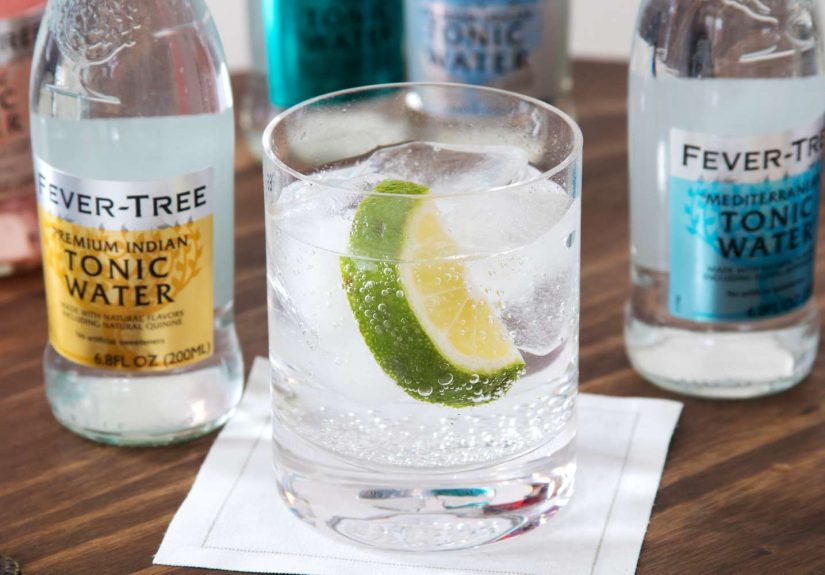
spirit + bubbly mixer + ice. The trick is cold ingredients and good carbonationyour soda deserves respect.
2) Balance Is Four Things: Spirit, Sweet, Acid, Water
Great cocktails taste “balanced,” which usually means the alcohol doesn’t burn, the sweetness doesn’t stick, and the acidity doesn’t punch you in the molars. The sneaky fourth element is waterfrom melting ice during shaking or stirring. Water isn’t a mistake; it’s part of the design.
Here’s the mindset shift: when your drink tastes too intense, it often needs more dilution (or better technique), not more sugar. Many pros describe a properly diluted cocktail as containing a meaningful percentage of watersometimes surprisingly highbecause that’s what helps aromas open up and flavors knit together.
3) Your Home Bar Starter Kit (No, You Don’t Need a Flamethrower)
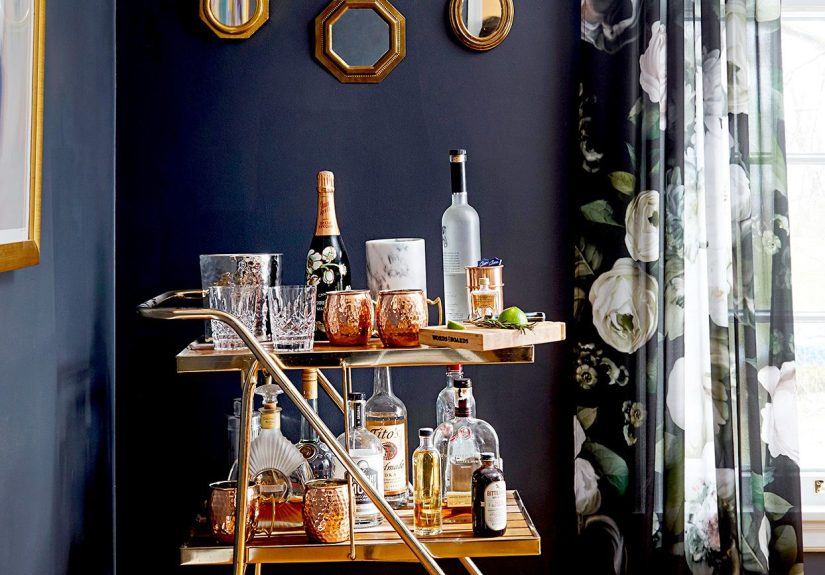
You can make excellent cocktails at home with a small, smart set of tools. Buy fewer things, but buy the right things (and then immediately lose your bottle opener anyway, because that’s tradition).
Must-Have Cocktail Tools
- Jigger (or a small measuring cup): Consistency is the difference between “wow” and “why is this… spicy?”
- Shaker: A Boston shaker is common, but any good shaker works if it seals well.
- Strainer: Hawthorne strainers are the workhorse for shaken drinks; a fine-mesh strainer helps for double straining.
- Mixing glass + bar spoon: For stirred cocktails (martinis, Manhattans, Negronis).
- Citrus juicer: Fresh juice matters. Bottled juice is fine for pancakes, not for pride.
- Peeler: For citrus twists that actually smell like something.
- Muddler (optional but useful): For mint, berries, sugar cubesjust don’t pulverize herbs into sadness.
Glassware That Actually Gets Used
- Rocks glass for Old Fashioneds and anything “on the rocks.”
- Coupe or Nick & Nora for “up” cocktails (served without ice).
- Collins/highball glass for tall, fizzy drinks.
4) Ice: The Most Ignored Ingredient in the Room
If you take nothing else from this article, take this: ice controls temperature and dilution. Ice shape, density, and wetness change how fast your drink dilutes. Small, wet ice melts faster; large, cold cubes dilute more slowly and give you more control.
Home Ice Upgrades That Matter
- Big cubes for spirit-forward drinks: Slower melt, less watery sadness.
- Plenty of ice when shaking: Paradoxically, more ice can mean more controlled dilution.
- Fresh ice in the serving glass: Don’t pour a beautifully chilled drink over half-melted shaker ice unless the recipe calls for it.
5) Shaking vs. Stirring (Yes, It Actually Matters)
This is the “Martini vs. Margarita” decision tree.
Shake When You Need Integration
Shake cocktails with citrus, juice, dairy, egg, or anything that needs aggressive mixing. Shaking chills quickly, adds aeration, and creates texturegreat for sours and creamy drinks. A good shake also builds that frothy head that makes people say, “Did you go to bartending school?” (You did not. You watched one video and became unstoppable.)
Stir When You Want Clarity and Silkiness
Stir spirit-forward cocktails to keep them clear, smooth, and elegant. Stirring is gentler, which means less aeration and usually a cleaner look and mouthfeel.
Quick Technique Tips
- Shake hard for roughly 10–15 seconds (or until your shaker is frosty).
- Stir with purpose for about 30–45 seconds, depending on ice and desired dilution.
- Chill the glass while you mix. Cold glass = colder drink for longer.
6) Sweeteners: The Secret to “Smooth,” Not “Sugary”
Sweetness isn’t just about sugarit’s about rounding edges. The easiest home-bar sweetener is simple syrup because it dissolves instantly in cold liquids (granulated sugar does not, unless you enjoy crunchy cocktails).
Simple Syrup Basics
Standard simple syrup is typically equal parts sugar and water heated until dissolved, then cooled. It’s fast, cheap, and makes your drinks taste more “bar-like” immediately. You can also make a richer syrup (more sugar than water) for more body and slightly longer fridge life.
Flavor Syrups Without the Drama
Infuse simple syrup with ginger, jalapeño, rosemary, or citrus peel. Keep it restrainedyour cocktail should taste like a drink, not a candle aisle.
7) Bitters: Tiny Bottle, Huge Payoff
Bitters are the cocktail world’s seasoning. A couple dashes can add spice, depth, and structure. Start with Angostura-style aromatic bitters and orange bitters. You’ll use them constantly in Old Fashioneds, Manhattans, and anything where the drink needs a “finish.”
8) Vermouth and Other Modifiers: Treat Them Like Food
Vermouth is fortified wine. Wine goes bad. Therefore: vermouth goes bad. Refrigerate it after opening and don’t keep it forever like a haunted relic from cocktails past. Fresh vermouth makes a martini or Manhattan pop; old vermouth makes them taste tired and flat.
9) Garnish Like You Mean It (Because Your Nose Drinks First)
A garnish isn’t just decorationit’s aroma. A lemon twist sprayed over a martini changes the drink because you smell citrus with every sip. Herbs do the same. The goal is not to build a fruit salad skyscraper; it’s to enhance what’s already there.
Garnish Cheats That Work
- Citrus twist: Express the oils over the drink, then rim the glass.
- Brandied cherry: Great for whiskey drinks; avoid neon-red “candy cherries” unless you’re going for nostalgia.
- Fresh herb sprig: Clap it once between your hands to wake up aroma before garnishing.
10) Five Foundational Cocktails to Master at Home
If you learn these, you learn the templates behind dozens of drinks.
Daiquiri (Sour Template)
2 oz rum + 1 oz lime + 3/4–1 oz simple syrup (shake, strain, serve up)
Margarita (Sour Template, Tequila Edition)
2 oz tequila + 1 oz lime + 3/4 oz orange liqueur (shake, strain; salt rim if you like)
Whiskey Sour (Sour Template, Optional Egg White)
2 oz bourbon/rye + 1 oz lemon + 3/4 oz simple syrup (shake; add egg white for foamuse pasteurized egg whites if you prefer)
Old Fashioned (Spirit + Sugar + Bitters)
2 oz whiskey + 1 tsp rich syrup (or sugar) + 2–3 dashes bitters (stir with ice, orange twist)
Negroni (Equal-Parts Stirred Classic)
1 oz gin + 1 oz sweet vermouth + 1 oz bitter aperitif (stir, rocks glass, orange peel)
11) How to Taste and Fix a Cocktail (The “Save This Drink” Toolkit)
Even pros tweak. Here’s how to troubleshoot like a calm, capable at-home mixologist instead of panic-Googling “why does my margarita taste weird.”
If It’s Too Sour
- Add a tiny bit more sweetener (1/4 oz at a time).
- Or add a touch more spirit if the sour is overpowering.
If It’s Too Sweet
- Add a little more citrus or a dash of bitters.
- Consider whether your liqueur is already sweet (it probably is).
If It’s Too Strong/Hot
- You likely need more dilution: stir or shake a bit longer with fresh ice.
- Serve over a large cube to slow aggressive warming.
If It Tastes Flat
- Add a pinch of salt (yes, really) or a dash of bitters.
- Brighten with a citrus twist or a tiny splash of fresh juice.
12) Batching Cocktails for a Crowd (Without Making Everyone Sad)
Batching is the at-home mixologist’s secret weapon: you do the work once, then you actually get to enjoy your own party. The key detail is dilution. When you batch, you’re skipping some of the ice-melting that normally happens during shaking or stirring, so you often need to add water on purpose.
Batching Basics
- Batch spirit-forward cocktails especially well (Negroni, Manhattan variations, martini-style drinks).
- Account for water dilution so the drink tastes “ready to serve,” not “aggressively alcoholic.”
- Keep it cold: fridge, freezer (for high-proof batches), or a large ice block in a punch bowl.
Conclusion: Your Home Bar, Your RulesBacked by Fundamentals
Becoming an at-home mixologist is mostly about mastering a handful of cocktail basics: measure, chill, dilute with intention, use fresh citrus, respect your vermouth, and treat ice like an ingredient. Learn the core templates (sours, spirit-forward stirred drinks, Old Fashioneds, and highballs), and you can build a ridiculous number of cocktails from whatever you’ve got.
Start small: one good shaker, one reliable jigger, fresh limes, a simple syrup jar, and a bottle of bitters. Make one cocktail family until it clicks. Then branch out. Pretty soon, you’ll be the person who says things like “this needs a touch more dilution” at homeand your friends will either be impressed or gently concerned. Both are wins.
Extra: of Real-World At-Home Mixologist Moments (Because Practice Is Where the Magic Happens)
Here’s the part nobody tells you: home bartending is basically a series of tiny revelations sprinkled between “oops” and “oh wow.” One of the first common experiences is realizing that measuring feels fussyuntil it saves you. The first time you free-pour a margarita and it comes out tasting like lime-flavored gasoline, you suddenly become best friends with your jigger. Not because rules are fun, but because repeatability is fun. That moment when you make the same daiquiri twice and it tastes identical? That’s not boring. That’s power.
Another universal experience: discovering that ice can make or break your drink. You’ll shake something with three sad freezer cubes, strain it, take a sip, and wonder why it tastes warm and watery at the same time (a truly confusing emotional journey). Then you try again with a full shaker of firm ice, and suddenly the drink tastes crisp, bright, and “bar cold.” It feels like cheating, but it’s just physics. The lesson sticks fast: your freezer is part of your home bar.
You’ll also develop a personal relationship with citrus. One day you’ll juice a lime that’s oddly sweet and mild, and your “perfect” recipe tastes cloying. Another day you’ll get a lime that’s aggressively tart and your cocktail tastes like it’s filing your teeth. This is when you learn the at-home mixologist’s secret handshake: taste, adjust, taste again. You start making tiny changes¼ ounce less syrup, a dash more bitters, a longer shakeand suddenly you’re not following recipes anymore; you’re steering them.
And then there’s the garnish awakening. The first time you express a lemon peel over a martini and smell that citrus oil bloom, you realize you’ve been living in grayscale. Garnishes aren’t “extra.” They’re part of flavor. You’ll start keeping a peeler handy like you’re a responsible adult. You might even clap mint. Yes, you will clap mint. It feels silly. It works.
Finally, you’ll learn the joy of batchingusually after hosting once and spending the whole night shaking drinks like a human washing machine. The second time, you pre-batch a Negroni-style cocktail, chill it, and serve it in under ten seconds per guest. People think you’re a wizard. You’re not; you just did math earlier. That’s the real at-home mixologist glow-up: less stress, better drinks, and the confidence to say, “Try thistell me what you think,” while secretly already knowing it’s going to be good.