Table of Contents >> Show >> Hide
- What Is a Purposeful Baby Smile?
- When Do Babies Smile on Purpose?
- Why the First Social Smile Matters
- How to Tell If Your Baby’s Smile Is Intentional
- How to Encourage Your Baby’s First Smile
- What If Your Baby Does Not Smile Yet?
- When to Call the Pediatrician
- What Comes After the First Smile?
- Common Myths About Baby Smiles
- Real-Life Parent Experiences: Waiting for That First Purposeful Smile
- Conclusion
Few parenting moments hit the heart quite like a baby’s first real smile. One minute, you are sleep-deprived, wearing yesterday’s shirt, and negotiating with a tiny person who has very strong opinions about burping. The next minute, your baby looks at you and smiles as if you are the funniest, warmest, most wonderful human on Earth. Suddenly, the 3 a.m. diaper changes feel slightly less like a survival challenge and more like a love story with spit-up.
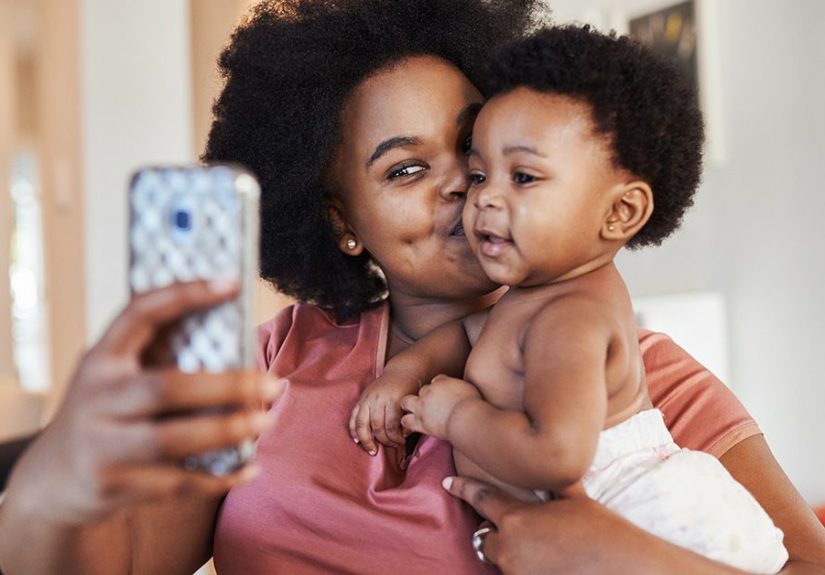
So, when do babies smile on purpose for the first time? Most babies begin giving intentional, social smiles around 6 to 8 weeks old, often right around the 2-month mark. Some babies may flash meaningful-looking smiles a little earlier, while others take a bit longer. In general, a purposeful baby smile is different from those dreamy newborn grins that happen during sleep, feeding, or random facial movements. A social smile is a response. Your baby sees your face, hears your voice, feels your attention, and answers with a tiny grin that says, “Yes, I know you. Please continue being my favorite snack-delivery system.”
This first purposeful smile is more than adorable. It is an early social-emotional milestone that shows your baby’s vision, brain, hearing, emotional connection, and communication skills are all beginning to work together. Let’s unpack what a real baby smile looks like, when to expect it, how to encourage it, and when parents should check in with a pediatrician.
What Is a Purposeful Baby Smile?
A purposeful baby smile is often called a social smile. It happens when a baby smiles in response to another person, usually a parent or caregiver. Unlike a reflex smile, which may appear randomly, a social smile has a little conversation built into it. You smile, talk, sing, or lean close, and your baby reacts with a smile back.
Think of it as your baby’s first “reply” before words arrive. They are not saying “Good morning, Mother, your lullaby performance was impressive.” But they are beginning to connect your face, voice, touch, and emotional tone with comfort and pleasure. That is a big developmental leap for someone who recently considered ceiling fans peak entertainment.
Reflex Smile vs. Social Smile
Newborns may smile from the first days or weeks of life, especially while sleeping. These early smiles are usually reflexive. They can happen when a baby is drowsy, passing gas, stretching, dreaming, or moving facial muscles automatically. Reflex smiles are sweet, photo-worthy, and completely normal, but they are not usually intentional.
A social smile is different because it appears in context. Your baby may look at your face, hear your voice, focus for a moment, and then smile. It may happen during a diaper change, after a feeding, during a gentle song, or when you make an exaggerated “hello there!” face. The timing makes it feel less random and more like a tiny emotional exchange.
When Do Babies Smile on Purpose?
Most babies smile on purpose for the first time between 6 and 8 weeks old. Many pediatric milestone guides describe smiling in response to a caregiver’s smile or voice as a typical 2-month milestone. By this age, babies are becoming more alert, spending longer stretches awake, paying closer attention to faces, and starting to enjoy back-and-forth interaction.
Some babies may show early social smiles around 4 to 6 weeks, especially when they are calm, well-fed, and looking at a familiar face. Others may not smile consistently until closer to 10 or 12 weeks. Development is not a stopwatch event. Babies do not receive a calendar reminder that says, “Today: charm the adults.” They grow on their own timeline.
By around 3 months, many babies are smiling more predictably. They may grin when you talk, coo, sing, or play face-to-face. They may also begin making soft vowel sounds, watching your expressions, and turning toward familiar voices. These little exchanges are the building blocks of early communication.
Why the First Social Smile Matters
A baby’s first intentional smile is not just a cute family milestone. It reflects several areas of development working together.
1. Vision Is Improving
Newborn vision is blurry, and babies focus best on things close to their face. Conveniently, that is exactly where your face is during feeding, cuddling, and diaper changes. Over the first two months, babies become better at focusing on faces and following movement. As your baby sees your eyes, mouth, and expressions more clearly, smiling becomes easier to connect with social interaction.
2. The Brain Is Making Social Connections
Babies are born ready for relationships. They recognize familiar voices, respond to touch, and gradually learn that caregivers bring comfort, food, warmth, and safety. A social smile shows that your baby is beginning to link people with positive feelings. In a simple but powerful way, your baby is learning, “When I look at you, good things happen.”
3. Communication Is Beginning
Before babies can talk, they communicate with crying, body movements, facial expressions, eye contact, and eventually cooing. Smiling becomes one of their earliest pleasant communication tools. It invites you to stay close, keep talking, and continue the interaction. In other words, your baby has discovered customer service feedback, and you are getting five stars.
4. Bonding Gets a Boost
Parents often feel a powerful emotional response to that first real smile. After weeks of feeding, rocking, soothing, and guessing whether the baby is hungry, tired, gassy, bored, or secretly judging the nursery wallpaper, a social smile feels like a reward. It reassures caregivers that the baby is connecting with them, even before words or laughter arrive.
How to Tell If Your Baby’s Smile Is Intentional
Parents often ask, “Was that a real smile?” The honest answer is: sometimes you know, and sometimes you replay the moment in your head like a detective reviewing security footage. A purposeful baby smile usually has a few clues.
The Smile Happens During Interaction
If your baby smiles while looking at your face, hearing your voice, or responding to your smile, it is more likely to be social. A reflex smile often happens when the baby is asleep, half-asleep, or not focused on anything in particular.
Your Baby’s Eyes Join the Moment
Social smiles often involve more than the mouth. Your baby may brighten their eyes, focus on your face, wiggle, or appear more alert. The expression may look more engaged than a quick sleepy grin.
It Starts Happening More Often
One random smile is delightful. Repeated smiles during face-to-face moments are a stronger sign that your baby is smiling on purpose. Over time, you may notice patterns: your baby smiles after feeding, when Dad makes a silly sound, when Grandma sings, or when you lean in close and speak gently.
How to Encourage Your Baby’s First Smile
You cannot force a baby to smile. Anyone who has tried to capture a baby passport photo understands this deeply. But you can create warm, calm, face-to-face moments that make smiling more likely.
Talk to Your Baby Often
Use a warm, expressive voice. Tell your baby what you are doing: “Now we are changing your diaper, and yes, I agree, this is not your favorite meeting of the day.” Babies enjoy familiar voices, rhythm, and exaggerated facial expressions. Talking also supports early language development.
Smile Back
Babies learn by watching. Hold your baby close, make eye contact, and smile naturally. Pause after you smile or speak, giving your baby time to respond. Early communication works like a slow game of tennis. You serve with a smile, then wait for the tiny champion to return it.
Choose Calm, Alert Times
A hungry, overstimulated, tired baby is not usually in the mood for social networking. Try smile practice after feeding, after a nap, or during a quiet diaper change. Look for that sweet window when your baby is awake, calm, and interested.
Use Gentle Play
Soft songs, simple rhymes, slow facial expressions, and gentle touch can all invite a smile. Keep it simple. A 2-month-old does not need a full comedy routine with props. Your face is already the main event.
Try Tummy Time Interaction
During supervised tummy time, get down on the floor at your baby’s eye level. Smile, talk, and encourage them. Tummy time helps strengthen neck and shoulder muscles, and your face can make the workout feel less like baby gym class.
What If Your Baby Does Not Smile Yet?
If your baby is not smiling at exactly 6 weeks, do not panic. Babies develop at different rates. Some are early smilers. Some are serious observers. Some look like tiny philosophers considering the meaning of ceiling shadows. Personality, sleep, feeding patterns, prematurity, and overall development can all influence timing.
If your baby was born premature, milestones are often considered based on adjusted age rather than birth age. For example, a baby born 6 weeks early may reach some milestones closer to the timeline of their due date. Your pediatrician can help you understand what is expected for your baby’s situation.
Still, milestones are useful because they help parents and doctors notice when a child may need extra support. If your baby is not smiling socially by around 3 months, or if you notice other concerns such as poor eye contact, lack of response to sound, very limited alertness, feeding problems, or unusually stiff or floppy muscle tone, it is a good idea to contact your pediatrician.
When to Call the Pediatrician
Call your baby’s doctor if your baby does not smile in response to people by about 3 months, does not seem to look at faces, does not react to loud sounds, has trouble feeding, seems unusually sleepy or difficult to wake, or loses skills they previously had. These signs do not automatically mean something is seriously wrong, but they deserve professional guidance.
Parents should also trust their instincts. You spend more time with your baby than anyone else. If something feels off, asking your pediatrician is not overreacting. It is good parenting. Pediatricians hear milestone questions all the time, and they would much rather answer your concern early than have you worry alone at 2 a.m. while searching the internet with one hand and holding a pacifier with the other.
What Comes After the First Smile?
Once social smiling begins, many babies become more interactive over the next few months. Around 2 to 3 months, babies may coo, make vowel-like sounds, watch faces more closely, and respond to familiar voices. Around 4 to 6 months, many babies begin laughing, squealing, and enjoying playful routines like peekaboo. By then, your baby may smile not only because you smiled first, but because they anticipate fun.
Smiling also becomes more varied. You may notice a sleepy smile, a milk-drunk smile, a “you again!” smile, a mischievous pre-giggle smile, and the famous wide-open gummy grin that makes adults forget every hard part of the day for approximately twelve magical seconds.
Common Myths About Baby Smiles
Myth 1: Early Smiling Means Advanced Intelligence
An early smile is wonderful, but it is not a reliable predictor of future genius. A baby who smiles at 5 weeks is not necessarily preparing for Harvard, and a baby who smiles at 9 weeks is not falling behind. Development includes a wide normal range.
Myth 2: Babies Only Smile Because of Gas
Gas can cause newborn facial expressions, including reflex-like smiles. But by the second month, many babies do begin smiling in response to people. So yes, sometimes it is gas. Sometimes it is love. Occasionally, parenting is accepting that both may be true.
Myth 3: If a Baby Smiles Less, Something Is Wrong
Some babies are naturally more reserved. Others smile mostly when rested, fed, and calm. Look at the bigger picture: eye contact, response to voices, feeding, alertness, movement, and overall interaction. If you are concerned, talk with your pediatrician rather than comparing your baby to a cousin’s baby who apparently smiled, rolled over, and filed taxes ahead of schedule.
Real-Life Parent Experiences: Waiting for That First Purposeful Smile
Many parents remember the first social smile with surprising detail. It often arrives during an ordinary moment, not during the staged photo session with perfect lighting and a clean onesie. One parent may see it during a 6 a.m. diaper change, when the baby suddenly locks eyes and smiles as if the entire sunrise was arranged just for them. Another may notice it after a feeding, when the baby relaxes, studies their face, and gives a slow, gummy grin that melts every tired thought in the room.
The waiting period can feel strangely emotional. During the newborn weeks, parents give constantly: milk, bottles, cuddles, rocking, clean clothes, warm baths, and heroic efforts to locate missing pacifiers in the dark. Newborns communicate mostly through cries, sleepy noises, and mysterious facial expressions. A parent may wonder, “Does my baby know me? Do they like my voice? Are we bonding?” Then the first purposeful smile arrives, and it feels like a tiny postcard from the baby’s heart: “Yes. I know you. Keep going.”
Some parents say the first smile made them feel more confident. The early weeks can be full of second-guessing. Is the baby eating enough? Sleeping enough? Too warm? Too cold? Is that rash normal? Why are baby socks designed to disappear into another dimension? A social smile can feel like positive feedback after weeks of effort. It does not solve every challenge, but it can make the hard parts feel more meaningful.
Other parents describe a slower buildup. Instead of one dramatic first smile, they notice little hints: a softer expression when they speak, a half-smile during a song, a bright look when they walk into the room. Then, over several days, the smiles become clearer and more consistent. This is normal too. Development often unfolds gradually, like a dimmer switch rather than a light switch.
Families with premature babies may experience the milestone later than expected by birth date, and that can bring anxiety. In those cases, adjusted age can help set more realistic expectations. A baby who arrived early may simply need extra time for the nervous system, vision, and social awareness to catch up. Pediatricians can help parents track milestones in a way that fits the baby’s actual developmental timeline.
The most helpful experience-based advice is simple: create calm moments, stay close, and do not turn smiling into a performance review. Babies smile when they are ready, comfortable, and engaged. Put your face near your baby’s, speak gently, pause, and enjoy the little exchanges. If the smile comes, celebrate it. If it does not come that day, your baby is still learning from your voice, your warmth, and your presence.
In the end, the first purposeful smile is not just about a baby’s mouth turning upward. It is about connection. It is one of the first times your baby shows you, in their own tiny way, that your relationship is becoming a two-way street. A very drooly street, yes, but a beautiful one.
Conclusion
Babies usually smile on purpose for the first time around 6 to 8 weeks old, with many showing social smiles by about 2 months. These smiles are different from newborn reflex smiles because they happen in response to people, voices, faces, and loving interaction. A purposeful baby smile is an early sign of social-emotional growth, improving vision, brain development, and communication.
Parents can encourage smiling by talking, singing, smiling back, cuddling, and choosing calm, alert moments for face-to-face play. If your baby has not smiled socially by around 3 months, or if you notice other developmental concerns, check in with your pediatrician. Most of the time, the first smile arrives in its own perfect, unforgettable moment. Keep your camera nearby, but more importantly, keep your face close. You are your baby’s favorite show.