Table of Contents >> Show >> Hide
- Introduction: Tiny Kitten, Big Thermostat Problem
- Why Warmth Matters So Much for Orphaned Kittens
- Way 1: Create a Safe Heated Nest
- Way 2: Warm a Chilled Kitten Slowly and Safely
- Way 3: Maintain Warmth Through Feeding, Cleaning, and Daily Care
- Common Mistakes When Keeping Orphaned Kittens Warm
- Signs Your Orphaned Kitten Is Warm Enough
- Extra Experience: Real-Life Lessons From Keeping Orphaned Kittens Warm
- Conclusion: Warmth Is the First Gift You Give an Orphaned Kitten
- SEO Tags
Note: This article is written for educational web publishing and is based on widely accepted kitten foster-care, shelter medicine, and veterinary guidance. For any kitten that is cold, weak, not nursing, injured, dehydrated, or unresponsive, contact a veterinarian, rescue organization, or animal shelter foster coordinator immediately.
Introduction: Tiny Kitten, Big Thermostat Problem
Orphaned kittens are adorable, squeaky, potato-sized miraclesbut they are also terrible at one very important job: staying warm. A newborn kitten cannot regulate body temperature the way an adult cat can. Without a mother cat to cuddle against, kittens under three to four weeks old depend almost completely on their environment and their human caregiver for warmth.
That is why learning how to keep orphaned kittens warm is not just a cozy little bonus. It is a lifesaving skill. Warmth supports digestion, immune function, circulation, and the energy kittens need to feed and grow. A chilled kitten can quickly become weak, stop nursing, and slide into a dangerous state of hypothermia. In kitten rescue, the phrase “warm first, feed later” is repeated so often it should probably be printed on every foster caregiver’s coffee mug.
The good news? You do not need a fancy veterinary nursery to help a cold kitten safely. With the right setup, careful monitoring, and a few simple rules, you can create a warm, stable nest that gives orphaned kittens a fighting chance. This guide explains three practical ways to keep orphaned kittens warm, plus common mistakes to avoid, signs of overheating or chilling, and real-world experience tips from the trenches of kitten care.
Why Warmth Matters So Much for Orphaned Kittens
Newborn kittens are born blind, deaf, fragile, and unable to maintain their own body heat. In a normal litter, the mother cat provides a living heating system. She nurses them, cleans them, gathers them close, and keeps the nest warm. When kittens are orphaned, abandoned, or separated from their mother, that natural warmth disappears.
A kitten that becomes too cold may cry, become limp, refuse to suckle, feel cool to the touch, or stop moving normally. Cold also slows digestion. Feeding a cold kitten can be dangerous because the kitten may not be able to digest formula properly and may aspirate, bloat, or decline further. That is why rescuers focus on warming the kitten gradually before offering food.
Warmth must be steady, gentle, and controlled. Too little warmth can cause chilling. Too much warmth can burn delicate skin or cause overheating. The goal is not to turn the kitten area into a sauna with whiskers. The goal is to create a safe nest with a warm zone and a cooler escape zone so kittens can move away when they need to.
General Warmth Guidelines by Age
Exact needs vary depending on the kitten’s health, weight, litter size, and environment, but very young kittens typically need a warmer nest than older kittens. Newborns often need a nest temperature around the high 80s to low 90s degrees Fahrenheit. By the second and third week, the temperature can gradually decrease. By around four weeks, many kittens begin regulating heat better, although they still need protection from drafts, damp bedding, and cold rooms.
When in doubt, watch the kittens. Comfortable kittens usually sleep quietly in a relaxed pile, wake to feed, and gain weight steadily. Cold kittens may cry, crawl restlessly, feel cool, or become weak. Overheated kittens may spread out far from the heat, pant, feel hot, or seem unusually agitated.
Way 1: Create a Safe Heated Nest
The most reliable way to keep orphaned kittens warm is to build a proper heated nest. This is the kitten-care equivalent of setting up a five-star hotel, except the guests weigh four ounces and complain loudly when dinner is late.
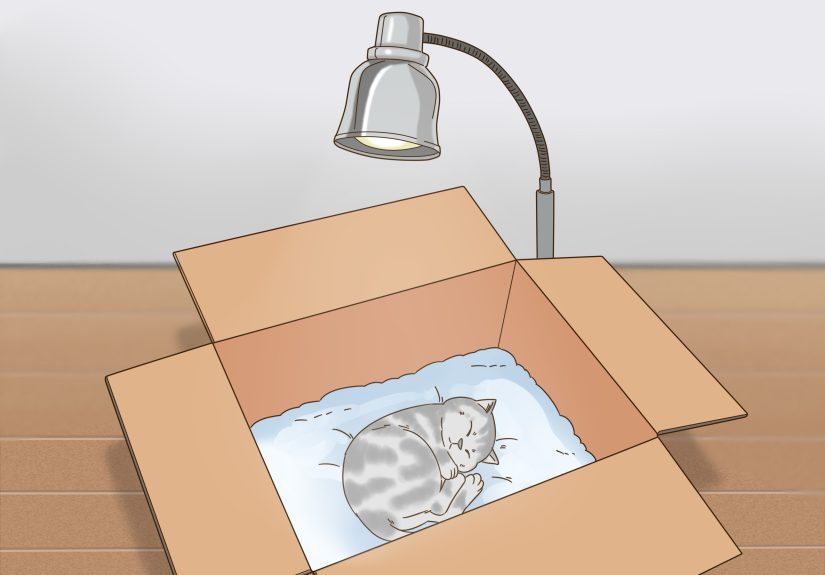
A good kitten nest should be small, secure, draft-free, easy to clean, and partly warmed. A plastic storage bin with high sides, a cat carrier with the door removed, or a sturdy box can work well. Line the bottom with soft towels or fleece. Avoid loose strings, holes, or thick folds where tiny kittens can get trapped.
Use a Pet-Safe Heat Source
A pet-safe heating pad, microwavable pet heating disc, or covered warm water bottle can provide steady warmth. The heat source should never touch the kitten directly. Always wrap it in several layers of towel or fleece. Direct contact with heat can burn newborn skin, and burns may happen before a kitten is strong enough to move away.
Place the heat source under only half of the nest. This is one of the most important rules in orphaned kitten care. Kittens need a warm side and a cooler side. If the whole box is heated, they have nowhere to escape if they get too hot. Think of it like a heated seat in a car: wonderful for a while, but nobody wants to be trapped on “volcano mode.”
Keep the Nest Draft-Free
Even a heated pad will struggle if the box is sitting near an open window, air-conditioning vent, fan, garage door, or cold floor. Put the nest in a quiet indoor room away from drafts. If the room is cool, place a towel under the box for insulation. You can loosely drape a light towel over part of the carrier or box to hold warmth, but make sure fresh air can circulate.
Change Bedding Often
Wet bedding chills kittens fast. Formula spills, urine, and cleaning accidents can turn a cozy nest into a cold sponge. Check bedding frequently and replace damp towels right away. Fleece is useful because it feels soft and dries faster than thick cotton towels, but any bedding must be clean, dry, and safe.
What to Avoid
Do not place kittens directly on a human heating pad, electric blanket, radiator, hot water bottle, or space heater. Human heating pads can develop hot spots, shut off unexpectedly, or become too warm for fragile kittens. Heat lamps can also be risky because they may overheat the nest or dry the environment too much if not carefully controlled. If you use any electrical heat source, inspect cords and keep them away from teeth, moisture, and bedding folds.
Way 2: Warm a Chilled Kitten Slowly and Safely
Sometimes kittens are found cold before you have a perfect nest ready. Maybe they were discovered under a porch, in a yard, beside a road, or in a box that someone left outside. In that moment, speed mattersbut gentle speed matters more. A cold kitten should be warmed gradually, not blasted with intense heat.
Start With Body Heat and Soft Towels
If a kitten feels cold, wrap the kitten in a warm, dry towel or soft blanket. You can hold the wrapped kitten against your chest so your body heat helps gently warm them. Keep their head uncovered so they can breathe easily. If the kitten is damp, dry them carefully first. Moisture pulls heat away from the body and can make chilling worse.
For very weak kittens, gentle contact and patience are better than panic. Rub them lightly with a towel to stimulate circulation, but do not shake, squeeze, or aggressively massage them. Tiny kittens are delicate; they are not gym socks that need wringing out.
Add a Wrapped Heat Source
Once you have a safe heat source, place the kitten near it, not directly on it. A warm water bottle wrapped in a thick towel can work in an emergency. The bottle should feel warm, not hot, against your wrist. If it feels too hot for your skin, it is too hot for a kitten.
Microwavable pet heating discs can be helpful because they hold warmth for hours, but they must still be covered. Always follow the product instructions carefully and test the temperature before using it near kittens.
Do Not Feed a Cold Kitten
This point deserves its own spotlight: do not feed a cold kitten. A chilled kitten may not be able to digest formula properly. Warm the kitten first, then feed when they are alert enough to suckle and their body feels comfortably warm. If the kitten remains weak, cold, limp, or unable to nurse after warming efforts, contact a veterinarian or rescue professional immediately.
Know When It Is an Emergency
A kitten that is cold, unresponsive, gasping, pale, injured, severely dehydrated, or unable to swallow needs urgent professional help. Home warming can support the kitten while you seek help, but it is not a replacement for medical care. Neonatal kittens can decline quickly, so do not wait and hope a critically weak kitten will “sleep it off.” Kittens sleep a lot, yesbut they should not look like tiny unplugged phones.
Way 3: Maintain Warmth Through Feeding, Cleaning, and Daily Care
Keeping orphaned kittens warm is not a one-time setup. It is a routine. Warmth must be protected during feeding, cleaning, weighing, bedding changes, and transport. Every time a kitten leaves the nest, body temperature can drop, especially in newborns.
Warm the Formula, Not Just the Kitten
Kitten milk replacer should usually be warmed to about body temperature before feeding. Test it on your wrist the same way people test baby formula. It should feel warm, not hot. Never microwave formula directly in a bottle because it can create hot spots. Instead, place the bottle in a cup of warm water and swirl it gently.
Use only commercial kitten milk replacer unless a veterinarian gives different instructions. Cow’s milk is not appropriate for orphaned kittens and can cause digestive upset. Feeding and warmth work together: a warm kitten feeds better, and a properly fed kitten has more energy to grow.
Keep Feeding Sessions Cozy
When bottle-feeding, wrap the kitten in a small towel like a “kitten burrito,” leaving the face free. This helps them feel secure and prevents heat loss. Feed them belly-down, never on their back. After feeding, young kittens usually need help eliminating. Use a warm, damp cotton ball or soft cloth to gently stimulate the genital area until they urinate or stool.
After feeding and potty time, return the kitten to the warm nest promptly. Long cuddle sessions may be tempting, because tiny toe beans are powerful emotional weapons, but newborn kittens need warmth and sleep more than entertainment.
Watch Weight and Behavior
Daily weighing is one of the best ways to know whether orphaned kittens are doing well. Use a digital kitchen scale and record each kitten’s weight at the same time every day. Healthy kittens should generally gain weight steadily. A kitten that stops gaining, loses weight, cries constantly, feels cold, or refuses to eat needs attention quickly.
Behavior also tells a story. A warm, fed kitten usually sleeps peacefully. A kitten that crawls away from the heat may be too warm. A kitten that cries and piles desperately onto siblings may be too cold or hungry. A kitten that is quiet but limp is more concerning than a loud kitten with opinions.
Plan for Transport
If you need to take kittens to a vet, shelter, or foster home, bring warmth with them. Use a small carrier lined with towels and a wrapped heat source. Keep the carrier out of direct air-conditioning and never leave kittens in a parked car. During transport, warmth should be steady and gentle, just like at home.
Common Mistakes When Keeping Orphaned Kittens Warm
Mistake 1: Heating the Entire Box
Kittens need options. Heating the whole nest can trap them in an environment that is too hot. Always warm only part of the enclosure so they can move away.
Mistake 2: Using Heat Without Barriers
Never place kittens directly on a heating pad, heating disc, or hot water bottle. Use layers of towel or fleece to prevent burns.
Mistake 3: Feeding Before Warming
Cold kittens should be warmed before feeding. Feeding too soon can lead to serious problems because digestion slows when body temperature drops.
Mistake 4: Forgetting About Damp Bedding
A perfect heating pad cannot save a kitten from wet bedding. Keep the nest clean and dry.
Mistake 5: Assuming Quiet Means Fine
Newborn kittens sleep a lot, but extreme weakness is different from normal sleep. A kitten that is limp, cold, or difficult to wake should be treated as urgent.
Signs Your Orphaned Kitten Is Warm Enough
A comfortable kitten usually feels warm but not hot, sleeps quietly, wakes to feed, suckles with energy, and settles after eating. If there are multiple kittens, they may sleep in a relaxed pile. Their bodies should not feel cool, and they should not cry constantly.
Overheating can be just as dangerous as chilling. Watch for kittens spreading far away from the heat source, panting, acting restless, or feeling unusually hot. If that happens, adjust the setup immediately by lowering the heat, adding more towel layers, improving ventilation, or increasing the cooler space.
The best kitten warming setup is not “set it and forget it.” Check it often. Put your hand on the bedding where the kittens lie. Use a room thermometer if possible. Monitor kitten behavior. A tiny kitten cannot send you a text saying, “Hello, my nest has become a toaster.” You have to read the signs.
Extra Experience: Real-Life Lessons From Keeping Orphaned Kittens Warm
Experience has a way of teaching kitten caregivers things that no checklist can fully capture. The first lesson is that warmth is usually the first priority, even before your brain starts making a shopping list of bottles, formula, and tiny blankets. When people find orphaned kittens, their first instinct is often to feed them immediately. That instinct comes from kindness, but warmth must come first. A cold kitten may not have the strength to suckle safely, and formula will not help if the kitten’s body is too cold to process it.
One practical experience tip is to prepare a “kitten warming station” before kitten season or as soon as you agree to foster. Keep a small carrier, fleece blankets, a pet-safe heating disc, clean towels, a digital scale, and a thermometer in one place. When kittens arrive, you do not want to search the house like a detective looking for the one towel that has not become a cleaning rag. Preparation saves minutes, and with fragile kittens, minutes matter.
Another helpful habit is layering. Instead of relying on one thick blanket, use several thinner layers. Thin layers let you adjust warmth more easily. If the heat source feels too warm, add another layer. If the kittens seem chilly, remove one layer or warm the disc again according to instructions. This gives you control without sudden temperature swings.
It also helps to label kittens if you are caring for a litter. Safe, loose identification methods recommended by foster programs can help you track who is gaining weight and who is lagging behind. Why does this matter for warmth? Because the smallest kitten in the litter often gets pushed away from the warmest spot or loses heat faster than bigger siblings. Daily weight notes and behavior checks help you catch problems early.
Many caregivers learn that the quietest kitten deserves extra attention. A hungry kitten often yells like a tiny opera singer. A dangerously cold or weak kitten may be quiet, limp, or too tired to complain. Silence is not always peace. When checking the nest, look at each kitten individually. Feel their body, watch their movement, and make sure everyone has access to warmth.
Cleaning is another real-world challenge. Kittens are astonishingly talented at getting formula on themselves, their siblings, and objects that were nowhere near the bottle. But bathing young kittens can chill them quickly. Instead of full baths, use a warm damp cloth for small messes, dry the kitten immediately, and return them to warmth. If a kitten is very dirty, ask a rescue mentor or veterinarian how to clean them safely without dropping their body temperature.
Finally, remember that warmth is emotional care too. Orphaned kittens have lost the steady comfort of their mother and litter environment. A secure nest, gentle handling, and predictable care reduce stress. Warmth says, “You are safe.” It helps kittens sleep, digest, grow, and develop. The work can feel intense, especially during overnight feedings, but every quiet nap in a warm nest is progress. In kitten rescue, success is often built from small things done consistently: a dry towel, a wrapped heat source, a careful hand, and one more weight gain on the scale.
Conclusion: Warmth Is the First Gift You Give an Orphaned Kitten
Keeping orphaned kittens warm is one of the most important parts of saving their lives. These tiny animals cannot regulate their body temperature in the early weeks, so they depend on a safe heated nest, careful warming when chilled, and consistent warmth during feeding and cleaning.
The three best ways to keep orphaned kittens warm are simple but powerful: create a safe heated nest, warm chilled kittens slowly, and protect warmth throughout daily care. Avoid direct heat, keep bedding dry, offer a cooler escape area, and never feed a cold kitten. Watch their behavior, track their weight, and seek veterinary help quickly when something seems wrong.
Orphaned kitten care can feel intimidating at first, but you do not have to be perfect. You need to be observant, gentle, and consistent. A warm kitten is a kitten with a better chance to eat, grow, and become the chaotic little curtain-climber they were born to be.