Table of Contents >> Show >> Hide
- What Is a Take a Penny, Leave a Penny Bowl?
- Why This Tiny Bowl Feels So Awesome
- The Penny’s Long, Weird Career in American Culture
- A Tiny Example of the Gift Economy
- Why Small Kindnesses Matter More Than We Think
- The Bowl Also Reveals Something Funny About Human Behavior
- How the Penny Bowl Became a Symbol of Local Convenience
- The Disappearing Magic of Cash
- Why the Bowl Still Feels Relevant
- Lessons From the Take a Penny, Leave a Penny Bowl
- Experience Section: Memories From the Penny Bowl Era
- Conclusion
Some inventions arrive with trumpets, patents, and dramatic press releases. Others show up beside a cash register in a scratched plastic dish with three pennies, a bent paper clip, and the quiet moral philosophy of a neighborhood convenience store. The Take a Penny, Leave a Penny bowl belongs proudly to the second group.
It is not glamorous. It will never win a design award. No one has ever said, “Wow, that penny tray really ties the gas station together.” And yet, for decades, this tiny bowl has performed a surprisingly heroic job: saving people from breaking a dollar, slowing down a line, or experiencing the mild public shame of being exactly one cent short.
That is why the idea fits so neatly into the spirit of 1000 Awesome Things. The series celebrates ordinary moments that feel oddly wonderful once you stop rushing past them. The Take a Penny, Leave a Penny bowl is one of those small social miracles hiding in plain sight. It is part cash-management tool, part community trust exercise, part miniature kindness machine.
What Is a Take a Penny, Leave a Penny Bowl?
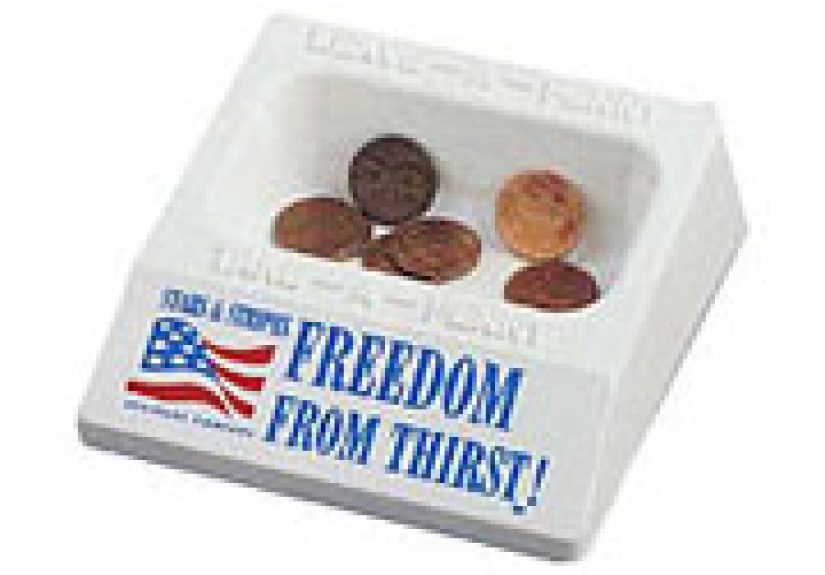
A Take a Penny, Leave a Penny bowl is a small tray, cup, dish, or improvised container placed near a cash register. Customers who receive unwanted pennies can drop them in. Customers who are short a cent or two can take what they need. The concept is beautifully simple: when you have extra, leave a little; when you need a little, take a little.
It works because the amounts are tiny. Nobody is applying for a loan. Nobody is filling out paperwork. Nobody is being asked to explain why they need two cents like they are defending a thesis in coin economics. The bowl says, “We are all adults here. Also, please keep the line moving.”
Why This Tiny Bowl Feels So Awesome
It Turns Annoying Pennies Into Instant Help
Pennies have long had a strange place in American life. They are legal money, but they also behave like pocket lint with presidential branding. They slide under car seats, collect in junk drawers, and somehow multiply in kitchen jars even when nobody remembers putting them there.
The penny bowl gives these neglected coins a second act. Instead of becoming clutter, they become usefulness. One customer’s unwanted copper-colored nuisance becomes another customer’s rescue from the dreaded total: $4.01.
It Prevents the Checkout Line From Becoming a Drama
Everyone knows the checkout moment. The cashier announces the total. The customer pats pockets, checks the wallet, digs into a purse, opens a coin pouch, and begins the archaeological excavation of modern commerce. Somewhere behind them, a person holding only a bottle of water starts aging visibly.
The Take a Penny, Leave a Penny bowl cuts through the tension. Short by one cent? Take one. Got three pennies back? Leave them. The transaction continues. The line breathes. Civilization survives another day.
The Penny’s Long, Weird Career in American Culture
The penny has been part of American money for generations, and the Lincoln cent became one of the most recognizable coins in the country. Over time, however, inflation and changing payment habits turned the penny from practical everyday money into something more symbolic than powerful. It is still money, yes, but it is money that often gets abandoned in cup holders.
That tension is exactly what makes the penny bowl interesting. It exists because pennies are valuable enough to matter at the register but not valuable enough for most people to protect fiercely. The bowl lives in that funny gap between “This is legal tender” and “Please get these out of my pocket.”
In recent years, the penny debate has become even sharper because producing pennies has cost more than their face value. The U.S. Mint has reported that the cost of making a penny rose well above one cent, while cash use has also changed as more people pay with cards, phones, and digital wallets. Still, pennies remain part of many people’s memories: lucky pennies on sidewalks, coin jars in bedrooms, school fundraising drives, and checkout bowls that quietly solve tiny problems.
A Tiny Example of the Gift Economy
The Take a Penny, Leave a Penny bowl is not just about coins. It is about trust.
In a normal store transaction, every item has a price, every payment is counted, and every cent is supposed to line up perfectly. The penny bowl introduces a softer rule: people can contribute when they can and receive when they need to. It is a gift economy operating beside a cash economy, which is a fancy way of saying, “Somebody left you a penny because they are not a monster.”
That is charming because the bowl usually works without supervision. There is no sign-in sheet. No cashier says, “Excuse me, sir, I saw you take two pennies, but our records show you have only donated one this quarter.” The system survives because most people understand the spirit of it.
Why Small Kindnesses Matter More Than We Think
Psychologists and mental health organizations have repeatedly pointed out that small acts of kindness can improve how people feel, both when giving and receiving. That makes sense. Holding a door, saying hello, letting someone merge in traffic, or leaving a penny in a bowl may not change history, but it can change the emotional temperature of a moment.
The penny bowl is kindness with no speech required. You do not have to make eye contact. You do not have to announce your generosity. You simply drop in a few coins and walk away, leaving a tiny future benefit for a stranger. It is anonymous, low-cost, and oddly satisfying.
The Bowl Also Reveals Something Funny About Human Behavior
People are complicated. We will drive across town to save five dollars on gas, then leave four pennies in a tray without blinking. We will spend ten minutes comparing online prices, then tell the cashier to keep the change because three cents feels like too much responsibility. We are rational creatures, except constantly not.
The Take a Penny, Leave a Penny bowl survives because it understands us. It knows we dislike carrying pennies. It knows we dislike being short at checkout. It knows that most people enjoy feeling helpful as long as the help costs almost nothing and requires no awkward conversation.
How the Penny Bowl Became a Symbol of Local Convenience
You are most likely to remember penny bowls from gas stations, diners, corner stores, hardware shops, and small-town counters where the cashier knows half the customers by name and the other half by coffee order. The bowl fits these places because they are built on repeated interactions. People come back. Trust accumulates. The pennies do too.
In big-box stores or fully digital checkout lanes, the penny bowl feels almost out of place. But in a neighborhood shop, it makes perfect sense. It says: we are not going to let one cent turn this into a paperwork situation.
The Disappearing Magic of Cash
As digital payments become more common, the penny bowl has started to feel like a relic from a more tactile era. Paying with a phone is fast and clean, but it does not produce much pocket change. There is no clink of coins, no emergency nickel, no mysterious receipt folded around two pennies.
Cash created little moments of negotiation. You could round up, round down, count carefully, tip with coins, or rescue someone from a tiny shortage. Digital payments are efficient, but they remove some of the quirky human friction that made the penny bowl possible.
That is not necessarily bad. Nobody wants to spend their entire lunch break counting coins under fluorescent lighting. But it does mean the Take a Penny, Leave a Penny bowl now carries a bit of nostalgia. It reminds us of a time when money made noise.
Why the Bowl Still Feels Relevant
Even if pennies become less common, the idea behind the bowl remains useful. The deeper message is not about copper-plated zinc. It is about creating tiny systems of mutual aid in everyday spaces.
A community bookshelf follows the same logic: take a book, leave a book. So does a neighborhood pantry, a seed exchange, a free little library, or a “leave what you can, take what you need” table. The penny bowl is the pocket-sized version of a much bigger human idea.
Lessons From the Take a Penny, Leave a Penny Bowl
1. Small Help Counts
One penny is not much. But the right penny at the right time can finish a transaction. Small help is still help, especially when it arrives exactly when needed.
2. Trust Can Be Simple
The bowl does not require a complicated system. It trusts people with a few cents, and most people rise to that level of trust. That may sound minor, but in a world full of passwords, cameras, codes, and receipts, a tiny open bowl feels refreshingly human.
3. Convenience Can Be Kind
Not every act of kindness needs to be grand. Sometimes kindness is making checkout easier for a stranger you will never meet. Sometimes it is leaving behind the coins you do not want so someone else can avoid breaking a twenty.
Experience Section: Memories From the Penny Bowl Era
There is a particular kind of memory attached to the Take a Penny, Leave a Penny bowl. It often begins in a gas station at night, when the lights are too bright, the floor has seen better decades, and the cashier is protected by a counter full of gum, lottery slips, and impulse snacks pretending to be dinner.
You walk in for something small: a coffee, a soda, a pack of mints, maybe a bag of chips that is mostly air but still emotionally necessary. The total comes to something annoying, like $2.01 or $3.76. You hand over your cash and immediately realize the problem. You have no penny. The cashier pauses. You pause. The person behind you shifts slightly, which somehow feels like a courtroom objection.
Then the cashier taps the little bowl. There it is: the humble rescue squad. Three pennies, maybe five. One is dark and old, one is shiny enough to look ambitious, and one has something sticky on it that nobody wants to investigate. You take a penny, complete the transaction, and suddenly the world feels reasonable again.
Later, the opposite happens. You receive four pennies in change. You could put them in your pocket, where they will immediately begin their journey toward the washing machine. You could drop them into the car cup holder, where they will live among straw wrappers and fossilized fries. Or you could leave them in the bowl. So you do. Not because you are trying to be a hero, but because it feels like returning a favor to the universe.
That is the emotional genius of the penny bowl. It creates a tiny loop of gratitude. You remember being helped, so you help. You leave pennies not for a specific person, but for the next person. It is generosity without applause, which might be the best kind because it does not ask to be photographed.
The bowl also made cash feel social. Coins passed through hands, counters, jars, trays, and pockets. A penny might start in someone’s change from a diner breakfast, move to a gas station bowl, rescue a teenager buying a candy bar, then end up in another bowl across town. Its financial value stayed the same, but its usefulness changed depending on the moment.
In that way, the Take a Penny, Leave a Penny bowl was never really about pennies. It was about the relief of being covered. It was about the quiet happiness of covering someone else. It was about a checkout counter becoming, for one tiny second, a place where strangers cooperated.
That is why it deserves its spot among awesome things. Not because it is flashy. Not because it is valuable in the usual sense. But because it proves that even the smallest objects can carry a little civic sweetness. A penny by itself may not buy much anymore. A bowl of pennies, shared freely, can buy patience, goodwill, and the pleasant feeling that people are still looking out for each other in tiny, ordinary ways.
Conclusion
The Take a Penny, Leave a Penny bowl is one of those everyday objects that becomes more meaningful the longer you think about it. On the surface, it is just a container of spare change. Underneath, it is a lesson in trust, convenience, generosity, and the strange emotional life of money.
It saves time. It saves awkwardness. It turns unwanted pennies into useful ones. Most importantly, it reminds us that small kindnesses do not need to be dramatic to matter. Sometimes the world becomes slightly better because somebody, somewhere, left three cents in a plastic tray.
Awesome? Absolutely. And refreshingly affordable.
Note: This article is fully rewritten for web publication, based on real background information about penny trays, U.S. penny history, changing cash habits, and the broader cultural idea of small everyday kindness.