Table of Contents >> Show >> Hide
- Connie’s Story Is About Grief, Survival, and a Different Ending
- What Pregnancy With HIV Looks Like Today
- Breastfeeding, Formula, and the Newer, More Nuanced Conversation
- If the Pregnant Person Does Not Have HIV but a Partner Does
- The Emotional Side No Lab Report Can Fully Measure
- What Connie’s Story Teaches Us Now
- Experience Section: What This Journey Can Feel Like From the Inside
Pregnancy already comes with enough drama: mystery cravings, vanishing ankles, and at least one person who suddenly becomes an expert on your uterus after reading half an internet post. Add HIV to the picture, and the anxiety can feel louder than a waiting room television stuck on daytime talk shows. But here is the truth that matters most: pregnancy and HIV are not a hopeless combination. With early testing, steady prenatal care, and the right treatment, many women living with HIV can have healthy pregnancies and babies who are born HIV-free.
That is why Connie’s story matters. It is not just a story about loss. It is a story about what changes when medicine, access, and knowledge finally show up to do their jobs. It is also a reminder that timing matters. A diagnosis delayed can change everything. A diagnosis supported by treatment can change everything again.
Connie’s Story Is About Grief, Survival, and a Different Ending
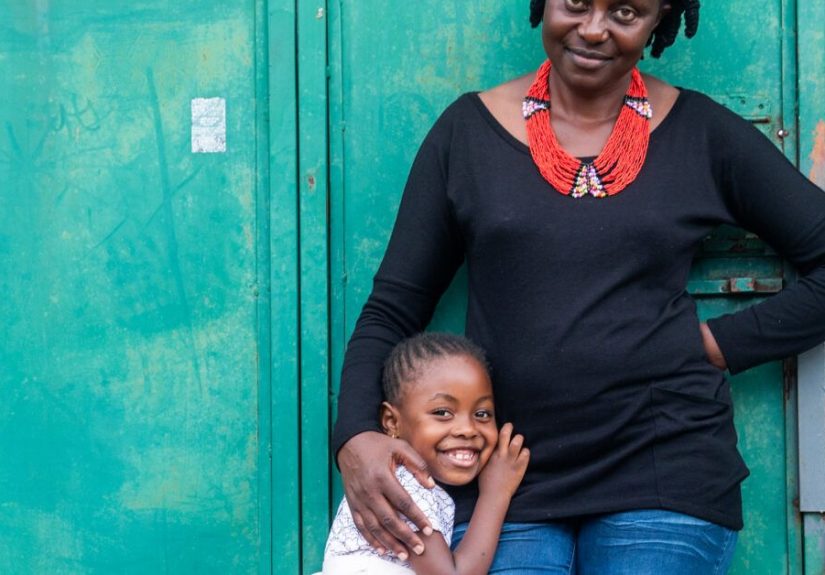
Connie Mudenda’s journey has been shared publicly as one of heartbreak first, then hard-won hope. Before she knew she was living with HIV, she passed the virus to her children during pregnancy in an era when testing and treatment were far less available. She later lost three children. That kind of grief does not simply “go away.” It settles into the bones, changes the weather inside a person, and teaches lessons no one ever wanted to learn.
Then came a turning point. After being diagnosed and starting antiretroviral treatment, Connie’s life began to move onto different ground. Treatment did not erase the past, but it gave her something precious: time, health, and possibility. Years later, she gave birth to a daughter who was born without HIV. That detail is not just medically significant. It is emotionally seismic. One chapter of her life was defined by not knowing. Another was defined by knowing, treating, planning, and protecting.
In that way, Connie’s story mirrors the larger HIV story in America and around the world. HIV in pregnancy used to sound like a looming disaster. Today, when care begins early and treatment is taken consistently, the conversation is completely different. Not carefree, because pregnancy is never a sitcom no matter how many pastel baby blankets appear in the room, but very different. Much safer. Much more hopeful. Much more practical.
What Pregnancy With HIV Looks Like Today
Modern care for pregnancy and HIV is built around one big goal: protect the mother’s health while reducing the chance of passing HIV to the baby during pregnancy, labor, delivery, or feeding after birth. That goal is not accomplished with wishful thinking, herbal tea, or an aunt’s suspiciously confident Facebook advice. It is accomplished with testing, treatment, monitoring, and smart clinical decisions.
1. HIV Testing Early in Pregnancy Changes the Whole Story
One of the most important steps in prenatal care is simply knowing HIV status as early as possible. That sounds basic because it is basic. It is also life-changing. If a pregnant patient learns she has HIV early in pregnancy, her care team can start or adjust treatment, monitor viral load, and plan for delivery and newborn care. If testing happens late, everyone is forced to play catch-up, which is not the strategy anyone wants in obstetrics.
This is why routine HIV screening is recommended during pregnancy. It should not be treated like a secret extra or an optional trivia question. It is a core prenatal test. Some women are also retested later in pregnancy if they have ongoing risk factors. And if someone arrives in labor without having been tested, rapid testing can still help protect both mother and baby. In other words, it is never “too late to matter,” but earlier is always better.
2. Antiretroviral Therapy Is the Main Character
Antiretroviral therapy, often called ART, is the foundation of HIV treatment during pregnancy. It lowers the amount of virus in the blood, protects the mother’s immune system, and dramatically reduces the risk of transmission to the baby. This is the part of the story where science deserves a standing ovation.
For many women, pregnancy with HIV means taking medicine exactly as prescribed, showing up for labs, and keeping a close eye on viral load. It is not glamorous. It is not cinematic. It is daily, disciplined, and powerful. When the viral load becomes undetectable and stays there, the risk of transmission drops very low. That is not magic. That is medicine doing the heavy lifting.
Of course, treatment plans are not one-size-fits-all. Some women enter pregnancy already on a regimen. Others are newly diagnosed while pregnant and need to start treatment quickly. Some may need medication changes based on safety, side effects, resistance patterns, or how well the regimen is working. That is why pregnancy care for women living with HIV is ideally managed by clinicians who know both obstetrics and HIV medicine, because this is not the moment for guesswork dressed up as confidence.
3. Prenatal Care Becomes More Focused, Not Less Hopeful
Pregnancy with HIV usually involves standard prenatal care plus HIV-specific monitoring. That may include lab work to track viral load, immune health, and medication response. It can also involve conversations about other infections, overall maternal health, and how to keep treatment consistent through nausea, fatigue, work schedules, and the normal chaos of life.
What matters here is not just medical accuracy, but continuity. Good prenatal care is not a one-time hero moment. It is a series of check-ins that catch problems early, reinforce treatment, and help patients stay connected to care. Programs that bring together obstetricians, HIV specialists, nurses, case managers, and pediatric teams can make an enormous difference. They do not just treat a diagnosis. They support a pregnancy.
4. Delivery Plans Depend on Viral Load
By the third trimester, the care team is thinking carefully about labor and delivery. The big question is not “What is the most dramatic option?” but “What is the safest option based on the mother’s viral load near delivery?”
For women whose HIV is well controlled on treatment, vaginal delivery is often appropriate. That surprises some people, because outdated assumptions still float around like old balloons that should have been thrown out years ago. But when HIV is suppressed, vaginal birth can be a safe and reasonable plan.
If the viral load is high or unknown closer to delivery, a cesarean birth may be recommended to lower the baby’s exposure during labor. Some patients may also receive additional medication during labor depending on their clinical situation. The point is not that one delivery method is morally superior. The point is that HIV care in pregnancy is strategic. Delivery is planned around evidence, not panic.
5. Newborn Care Starts Immediately
After birth, attention shifts quickly to the baby. Infants exposed to HIV during pregnancy or delivery are given HIV medicine after birth to reduce the chance of infection. They are also tested on a schedule over time. This is one of those situations where speed matters. Early newborn treatment is a standard part of preventing transmission.
For parents, this stage can be emotionally complicated. You have just had a baby. You are exhausted. You are trying to learn how someone so tiny can require so many blankets and still somehow kick all of them off. And now you are also thinking about infant medication, lab follow-up, and the wait for results. That is why families need clear communication, not vague reassurance. The plan should be explained plainly, step by step, and repeated as often as needed.
Breastfeeding, Formula, and the Newer, More Nuanced Conversation
This is one of the most emotionally loaded parts of pregnancy and HIV. For a long time, U.S. messaging was blunt: avoid breastfeeding if you have HIV. That advice was rooted in prevention, and it saved lives. But the conversation has become more nuanced in recent years.
Current guidance reflects the reality that when a mother is on effective treatment and has a sustained undetectable viral load, the risk of transmission through breastfeeding is very low, though not zero. That “not zero” matters. So does the patient’s lived reality. Some women strongly want to breastfeed. Others prefer formula from the start. Some face cultural, financial, practical, or emotional pressures that make the decision far more complicated than a neat pamphlet suggests.
The best approach is shared decision-making with an informed care team. Not shame. Not scare tactics. Not “one weird trick” from a stranger online. Just honest counseling about risk, monitoring, and what is safest in that person’s real life.
If the Pregnant Person Does Not Have HIV but a Partner Does
Not every pregnancy and HIV story begins with a pregnant woman living with HIV. Sometimes the woman is HIV-negative and her partner is HIV-positive. That situation also deserves careful planning. Pre-exposure prophylaxis, or PrEP, may be part of the conversation for reducing the risk of acquiring HIV while trying to conceive, during pregnancy, or during breastfeeding. This is another area where modern care is far more proactive than it used to be.
The larger lesson is simple: pregnancy planning and HIV prevention belong in the same room. Preconception visits, medication review, partner treatment, and risk reduction strategies are not extras. They are part of responsible, modern reproductive care.
The Emotional Side No Lab Report Can Fully Measure
Pregnancy and HIV involve more than medicine. They also involve fear, stigma, privacy, trust, and identity. A woman may wonder whether her diagnosis makes people see her differently. She may worry about judgment from relatives, coworkers, or even health professionals. She may feel guilt for things that are not her fault. She may also feel fierce determination, because pregnancy has a way of turning anxiety into purpose.
Connie’s story lands so deeply because it speaks to this emotional truth. The science matters. The medicine matters. But hope matters too. Not the fluffy kind printed on throw pillows. The real kind. The kind that wakes up, takes the pills, attends the appointment, asks the uncomfortable question, and keeps going.
That is often what pregnancy with HIV looks like in real life: not perfection, but persistence. A lot of women are not looking for inspirational slogans. They are looking for a plan. They want to know: Can I be healthy? Can my baby be healthy? What happens next? Today, the answer to those questions is far more encouraging than it was a generation ago.
What Connie’s Story Teaches Us Now
Connie’s story is powerful because it holds two truths at once. First, delayed diagnosis and lack of treatment can have devastating consequences. Second, access to treatment can completely change a pregnancy outcome. That combination is exactly why routine testing, consistent prenatal care, and uninterrupted HIV treatment are so important.
Her story also teaches something bigger. Public health progress is not abstract. It is personal. It lives in the difference between one pregnancy and the next. It lives in a mother surviving. It lives in a baby testing negative. It lives in a woman who once carried grief into every room now carrying a diaper bag, a treatment schedule, and a future.
Pregnancy and HIV are no longer a sentence to despair. They are a call to get the right care, at the right time, with the right support. Connie’s story proves that when medicine meets persistence, the ending can change. And sometimes, beautifully, the ending is not really an ending at all. It is a beginning.
Experience Section: What This Journey Can Feel Like From the Inside
There is the medical version of pregnancy and HIV, and then there is the lived version. The medical version talks about viral load, adherence, prophylaxis, trimester testing, and delivery planning. The lived version starts at 2:13 a.m. when a woman is lying awake, one hand on her belly, wondering whether she is doing enough, whether the medicine is working, whether the baby is okay, and whether she is allowed to feel hopeful yet.
Many women describe the early days after diagnosis in pregnancy as emotionally crowded. Fear shows up first, usually loud and uninvited. Then confusion. Then questions. Some practical, like how often appointments will happen and whether medications will change. Some deeply personal, like whether they should tell family members, whether their partner will be supportive, and whether people will judge them instead of helping them. Stigma has a nasty habit of barging into rooms where it was never wanted.
But experience also changes once good care begins. The first reassuring lab result can feel like being handed a small flashlight in a very dark hallway. The first doctor who explains everything clearly can feel like oxygen. A nurse who says, “You are not alone in this,” can become unforgettable. Over time, the routine itself can become a source of calm. Take the medicine. Drink some water. Go to the appointment. Ask the next question. Repeat. It is not glamorous, but it can be grounding.
Women also talk about the strange emotional mix of ordinary pregnancy joy and HIV-related vigilance. One minute they are comparing baby names. The next they are counting pills in a weekly organizer. One minute they are laughing about swollen feet. The next they are waiting for a viral load result like it is the final score in the world’s most stressful game. The two realities sit side by side. Neither cancels the other out.
Then comes delivery, which can feel less like a single event and more like the climax of months of preparation. For some women, hearing that a vaginal delivery is still possible feels deeply affirming. For others, a cesarean plan feels safest and most reassuring. Either way, what most patients want is clarity. They want to know why this plan is being recommended, what happens during labor, what happens right after birth, and how their baby will be protected.
Postpartum life brings relief, but not always instant emotional peace. There is joy, of course. Huge, messy, teary joy. There is also exhaustion, healing, follow-up care, and sometimes grief for how hard the road has been. If the baby’s early tests are reassuring, hope can begin to feel less like borrowed courage and more like something solid. Something earned. Something real.
That is why stories like Connie’s stay with people. They do not just offer information. They offer recognition. They say: yes, this is hard. Yes, this is serious. And yes, a healthy future can still be built here.