Table of Contents >> Show >> Hide
- What Is the Country Two Step?
- How to Do the Country Two Step in 14 Steps
- Step 1: Listen for the rhythm before your feet do anything dramatic
- Step 2: Understand the line of dance
- Step 3: Start in a comfortable closed position
- Step 4: Build a good frame without becoming a statue
- Step 5: Leaders go forward, followers go backward
- Step 6: Make the quicks compact and the slows smoother
- Step 7: Walk the basic pattern until it feels boring
- Step 8: Keep your body moving, not bouncing
- Step 9: Lead with your body, not just your hands
- Step 10: Learn promenade as your first shape change
- Step 11: Add one simple turn, then stop showing off
- Step 12: Stay relaxed during the slow counts
- Step 13: Match your dancing to the song and the room
- Step 14: Smile, reset, and keep it social
- Common Country Two Step Mistakes Beginners Make
- Best Tips for Learning the Country Two Step Faster
- Why the Country Two Step Never Really Goes Out of Style
- Experiences From Real Life: What Learning the Country Two Step Actually Feels Like
- Conclusion
- SEO Tags
If you have ever watched a couple float around a dance floor at a country bar and thought, “That looks smooth, fun, and slightly less chaotic than my last attempt at karaoke,” welcome to the wonderful world of the country two step. This classic country partner dance is social, stylish, and surprisingly beginner-friendly once you understand the rhythm, the frame, and the all-important rule that you are not trying to drag your partner across the floor like a runaway shopping cart.
The country two step, often called the Texas two step or country western two step, is a progressive partner dance. That means you and your partner travel around the dance floor instead of staying parked in one spot like a decorative houseplant. Most teachers describe the timing as quick-quick-slow-slow, although some regions teach the same dance by starting with the slows first. Either way, the big idea is the same: you move with steady momentum, stay connected, and let the dance breathe.
This guide breaks down how to do the country two step in 14 practical steps, with beginner tips, common mistakes, and realistic advice for dancing in the wild at bars, weddings, dance halls, and social events where somebody always seems to know exactly what they are doing. Soon, that somebody can be you.
What Is the Country Two Step?
The country two step is a social partner dance usually done to country music in 4/4 time. It travels counterclockwise around the edge of the floor, often called the line of dance. Dancers usually begin in a relaxed closed position, move with a walking action, and add turns, promenade shapes, wraps, and simple patterns as they improve.
One reason this dance is so popular is that it hits a sweet spot between structure and freedom. There is enough technique to make it look polished, but enough room for personality that you do not feel like you are taking a final exam in a cowboy hat. The basics are simple. The styling can become advanced. And the social payoff is immediate because even a beginner can have fun with the basic pattern.
How to Do the Country Two Step in 14 Steps
Step 1: Listen for the rhythm before your feet do anything dramatic
Before you move, stand still and listen. The country two step is usually taught with a quick-quick-slow-slow rhythm, and that rhythm should live in your head before it ever reaches your boots. Count it quietly. Tap it in place. Nod to it. Make friends with it. A lot of beginners rush into footwork before they understand timing, and that is how perfectly nice people end up looking like they are being chased by invisible bees.
Step 2: Understand the line of dance
The two step is a progressive country western dance, which means couples travel around the room. The accepted direction is usually counterclockwise around the outer edge of the floor. Think of it like traffic flow, except friendlier and with better music. If you move against the line of dance, you are not being creative. You are becoming a problem. Stay aware of the couples around you and keep your larger turns compact when the floor is crowded.
Step 3: Start in a comfortable closed position
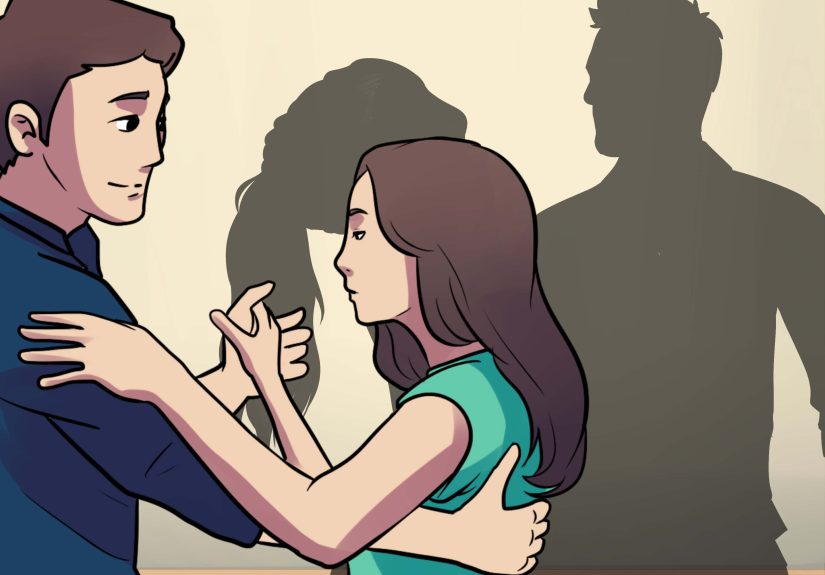
Most beginners learn in closed position. Partners face each other, the leader generally faces the line of dance, and the follower faces toward the leader. The leader’s right hand is usually placed on the follower’s back, while the joined hands stay lifted at a comfortable height. No one should be squeezing, hanging, or treating the hold like a hostage negotiation. The goal is connection, not compression.
Step 4: Build a good frame without becoming a statue
A good frame is one of the most important parts of the country two step steps. Keep your posture tall, your core lightly engaged, and your arms toned but not stiff. Imagine that your upper body is alert and organized while the rest of you is calm and easygoing. Good frame helps partners communicate direction, timing, and turns. Bad frame creates mystery, and not the fun kind.
Step 5: Leaders go forward, followers go backward
In the basic pattern, leaders usually travel forward while followers move backward. Different studios and local scenes may teach the count as QQSS or SSQQ, and some even emphasize different starting feet, so do not panic if your local class phrases it a little differently. The important thing is understanding roles in the basic travel: one partner advances, the other receives and matches the movement, and both keep the rhythm clear.
Step 6: Make the quicks compact and the slows smoother
One of the easiest ways to improve your Texas two step is to shape the rhythm clearly. The quick steps are usually smaller and more compact. The slow steps travel a little more. This contrast helps the dance look smooth instead of stompy. If all four steps are identical in size and energy, the dance starts to lose its swing and flow. Let the slows breathe. Let the quicks stay efficient.
Step 7: Walk the basic pattern until it feels boring
This is not glamorous advice, but it works. Practice the basic until it feels so familiar that you could talk, smile, and keep time at once. The basic is your home base. Whenever a turn goes sideways or a pattern falls apart, you should be able to reset into the basic without a dramatic apology tour. Great social dancers are not the ones who know the most tricks. They are the ones who can return to the basic with confidence and keep the dance feeling easy.
Step 8: Keep your body moving, not bouncing
The country two step should travel with a smooth, gliding quality. It is a walking dance, not a jumping contest. Try to move across the floor with controlled momentum and avoid popping up and down on every count. If your head is bouncing like a dashboard toy on a dirt road, simplify your steps and focus on staying grounded. Smoothness makes even a basic two step look better.
Step 9: Lead with your body, not just your hands
If you are leading, the most helpful signal usually comes from your center, timing, and directional intention, not from flinging your partner’s arm into orbit. The hands support the lead, but the body announces it. Followers, meanwhile, should stay responsive without guessing. A good follow is not mind-reading. It is listening with the body. When both partners maintain light connection and clear timing, the dance starts to feel far more natural.
Step 10: Learn promenade as your first shape change
Promenade is one of the most useful beginner variations in country partner dance. In promenade, both partners open slightly and face more in the direction of travel. It is a nice way to change the look of the dance without adding a complicated spin. Promenade also teaches a valuable lesson: every pattern should still preserve rhythm, travel, and connection. Fancy shape, same job.
Step 11: Add one simple turn, then stop showing off
Once the basic and promenade feel steady, add a simple underarm or outside turn. The key word here is simple. A turn should fit the music and leave both dancers balanced at the end. Do not stack three random spins together because you got excited and one country song convinced you that you are now the main character in a dance movie. One clean turn is better than five confusing ones.
Step 12: Stay relaxed during the slow counts
Many beginners tense up right when the dance should feel most comfortable. The slow counts are not a crisis. They are your chance to travel, settle, and prepare for what comes next. Use them to maintain balance and direction. In many patterns, the slow counts also help organize turns and transitions. If you rush them, the whole dance feels crowded. If you honor them, the dance starts to look polished.
Step 13: Match your dancing to the song and the room
Not every two-step song feels the same, and not every dance floor gives you ballroom-sized real estate. On a slower or roomier floor, you can stretch the movement a bit more. On a packed Saturday night floor, tighten your steps and keep your patterns practical. Good dancers do not only know moves. They know when not to use them. Social dancing is part rhythm, part awareness, and part not colliding with strangers holding drinks.
Step 14: Smile, reset, and keep it social
The final step is less technical and more important than people think: enjoy the dance. The country western two step is meant to be social. Missing a count is normal. Restarting is normal. Laughing at a messy turn is normal. If you stay kind, musical, and relaxed, you will improve faster than the dancer who spends the whole song looking stressed and trying to win an imaginary trophy.
Common Country Two Step Mistakes Beginners Make
Trying advanced turns too soon
The basic pattern is not a beginner prison. It is the foundation for everything else. If your rhythm falls apart the moment you try a turn, go back to the basic and rebuild from there.
Using too much arm strength
A strong lead is not the same thing as a forceful lead. If the hands and arms do all the talking, the dance feels heavy and confusing. Keep the connection clear and the tone light.
Forgetting floorcraft
The line of dance matters. Keep moving with traffic, avoid giant patterns in crowded spaces, and remember that being smooth and considerate is more impressive than being flashy.
Ignoring posture
Looking down at your feet once in a while is understandable. Staring at them like they owe you money is less helpful. Lift your posture, keep your chest open, and trust your practice.
Best Tips for Learning the Country Two Step Faster
If you want to learn how to do the country two step faster, practice in layers. First, learn the rhythm by yourself. Second, walk the basic without music. Third, add music. Fourth, dance with a partner. Fifth, add only one new pattern at a time. This method is less exciting than trying twenty internet moves in one evening, but it works much better.
It also helps to practice to slower songs first. A moderate tempo gives your body time to organize. Once you feel steady, increase speed gradually. Country two step can be danced to a range of tempos, but beginners usually improve faster when they are not sprinting through the pattern.
Finally, dance with different partners when possible. Social dancing is a communication skill. The more you experience different timing, connection styles, and movement qualities, the better your lead or follow becomes. Plus, dancing with new people teaches humility, which is free and often necessary.
Why the Country Two Step Never Really Goes Out of Style
There is a reason this dance keeps showing up in studios, honky-tonks, weddings, and western nights across the United States. It is approachable, musical, and social. It gives beginners a quick win, yet still offers enough complexity for experienced dancers to keep developing. You can keep it simple and enjoy a whole evening with just the basic, or you can layer in promenade, wraps, pivots, and turns until the dance becomes richly textured.
In other words, the country two step is a little like a great pair of jeans: dependable, versatile, and much easier to appreciate when it fits correctly.
Experiences From Real Life: What Learning the Country Two Step Actually Feels Like
The first time many people try the country two step, it feels oddly unfair. The instructor makes it look like a smooth glide around the floor, while the beginner version feels more like organized confusion with boots. One person is counting too loudly, the other person is apologizing too often, and both of them are wondering why their feet seem committed to a completely different dance. Then something funny happens. Around the tenth or twentieth repetition, the rhythm starts to settle in. The quicks stop feeling rushed. The slows stop feeling suspicious. And the dance begins to make sense in the body, not just on paper.
A lot of beginners say their first breakthrough happens when they stop trying to memorize everything at once. Instead of thinking about hands, feet, posture, turns, smile, line of dance, and whether the other couple can tell they are winging it, they focus on one thing: rhythm. Once the rhythm gets comfortable, the rest becomes much less intimidating. Suddenly the dance is not a giant mystery. It is just walking with timing, connection, and a little style.
There is also a very specific kind of joy that shows up when you dance the country two step in a real social setting for the first time. Maybe it is a wedding reception where the DJ puts on a country classic. Maybe it is a local bar with a tiny dance floor and a crowd that somehow knows exactly when to cheer. Maybe it is a beginner social at a studio where everybody is equally nervous and pretending otherwise. Wherever it happens, that first successful lap around the floor feels like a tiny superpower. You are no longer just watching the dance. You are inside it.
Experienced dancers often talk about how the two step becomes more enjoyable as it gets simpler. That sounds backward, but it is true. In the beginning, people chase patterns. Later, they chase quality. They start caring less about how many spins they know and more about whether the dance feels good. Is the timing clear? Is the connection calm? Is the movement smooth? Can both people relax enough to enjoy the song? Those questions matter more than flashy tricks ever will.
Another common experience is discovering that every community has its own little accent. One studio starts with quick-quick-slow-slow. Another phrases it slow-slow-quick-quick. One crowd likes lots of turns. Another keeps it smooth and traveling. At first that can feel confusing, but it eventually becomes part of the charm. The country two step is social, regional, and alive. It is not trapped in one rigid formula.
And then there is the emotional part nobody mentions enough: dancing with another person in a way that feels cooperative instead of competitive is incredibly satisfying. When the lead is clear and the follow is responsive, the dance feels like a conversation. Not a debate. Not a wrestling match. A conversation. That is probably why so many people stick with it. The country two step is not just about learning steps. It is about learning timing, trust, awareness, and how to share a song without overthinking every second of it.
So yes, at first you may feel clumsy. You may count out loud. You may accidentally turn too soon or forget what promenade is called halfway through the lesson. That is fine. Those are not signs that you cannot dance. They are signs that you are learning. Stay with it. Because once the country two step clicks, it becomes one of those dances you can keep enjoying for years, whether you are at a wedding, a dance hall, a studio party, or just practicing in your kitchen while hoping the neighbors appreciate your commitment to country culture.
Conclusion
If you want to learn how to do the country two step, start with the rhythm, respect the line of dance, build a solid frame, and keep the basic pattern clean. From there, add promenade, simple turns, better musicality, and smoother travel. The dance does not ask for perfection. It asks for timing, connection, and a willingness to keep moving when things get a little messy. That is part of the charm.
Master the basics, keep your sense of humor, and you will be ready to two-step your way through country bars, weddings, social nights, and any dance floor that could use a little more glide and a little less panic.