Table of Contents >> Show >> Hide
- The Short Answer: Mostly More Bad Than Good
- What Is Actually in an Energy Drink?
- Are There Any Benefits?
- Why Energy Drinks Can Be Bad for You
- Who Should Be Especially Careful?
- What About Mixing Energy Drinks With Alcohol?
- Are Energy Drinks Better Than Coffee?
- Smarter Ways to Boost Energy Without the Crash
- The Bottom Line
- Real-World Experiences With Energy Drinks
Energy drinks are the overachievers of the beverage aisle. They promise focus, stamina, alertness, and the kind of confidence usually reserved for people who answer emails at 6:02 a.m. But behind the flashy cans and lightning-bolt marketing, the real answer is less glamorous: energy drinks are not automatically evil, but they are usually not a healthy habit either.
For most healthy adults, an occasional energy drink may not cause major problems. That said, “occasional” is doing some heavy lifting there. Many products contain a lot of caffeine, a lot of sugar, or both, plus extra ingredients with names that sound like minor comic-book villains. When you use them regularly, chug them quickly, mix them with alcohol, or rely on them instead of sleep, they can become a very bad bargain.
So, are energy drinks good or bad for you? The honest answer is this: they may give a short-term boost, but for most people they are more risky than helpful, especially for teens, kids, pregnant women, people with anxiety, and anyone with heart or blood pressure issues. In other words, they are less “wellness” and more “borrowed energy with interest.”
The Short Answer: Mostly More Bad Than Good
If your standard for “good” is “does this support long-term health,” energy drinks usually do not make the honor roll. They can increase alertness for a while, thanks mainly to caffeine, but the downsides often outweigh the benefits. The boost is real, but so are the jitters, sleep problems, sugar crashes, headaches, and heart-racing moments that make you wonder whether your chest is auditioning for a drum solo.
That does not mean every can is a medical emergency. A healthy adult who drinks one once in a while may feel fine. But the bigger problem is how energy drinks are actually used in real life: when people are sleep-deprived, stressed, underfed, dehydrated, mixing substances, or trying to power through a schedule their body is already protesting. That is when the “pick-me-up” starts acting more like a very rude roommate.
What Is Actually in an Energy Drink?
Most energy drinks are built around caffeine. That is the star of the show, the main ingredient responsible for the alertness people feel. Depending on the brand and serving size, the caffeine content can vary a lot. Some products are similar to a strong cup of coffee, while others can come dangerously close to an entire day’s worth of caffeine for an adult in one container.
Then comes the supporting cast:
Caffeine
Caffeine is a stimulant. It can improve alertness, reaction time, and the feeling that you are suddenly capable of reorganizing your whole life by noon. In moderate amounts, many adults tolerate it well. But too much can cause shakiness, anxiety, rapid heartbeat, trouble sleeping, nausea, and restlessness.
Sugar
Many energy drinks contain a serious amount of added sugar. That means you may get a quick burst of energy, followed by a crash that feels like your motivation got unplugged. Frequent sugary-drink intake is also linked with weight gain, tooth decay, type 2 diabetes, and other health issues. So yes, your taste buds may throw a party, but your body may send a complaint letter later.
Guarana, Taurine, Ginseng, and Other Add-Ons
Energy drinks often include ingredients like guarana, taurine, ginseng, B vitamins, and herbal blends. Here is the important reality check: these ingredients may sound impressive on the label, but they are not magic. In many cases, the noticeable “energy” effect still comes mostly from caffeine. Guarana matters because it also contains caffeine, which means the total stimulant load can be higher than people realize.
Sugar-Free Versions
These may cut calories, but they are not automatically healthy. Even when the sugar is gone, the high caffeine and stimulant-heavy formula can still cause problems. “Sugar-free” is not the same as “stress-free for your nervous system.” Nice try, marketing department.
Are There Any Benefits?
To be fair, energy drinks are not popular because they taste like regret. They do have short-term effects people genuinely notice.
1. They Can Increase Alertness
The caffeine in energy drinks can temporarily improve wakefulness and concentration. That is why people reach for them during long drives, late study sessions, demanding shifts, or those afternoons when the clock seems personally offended by your productivity.
2. They May Help Brief Physical Performance
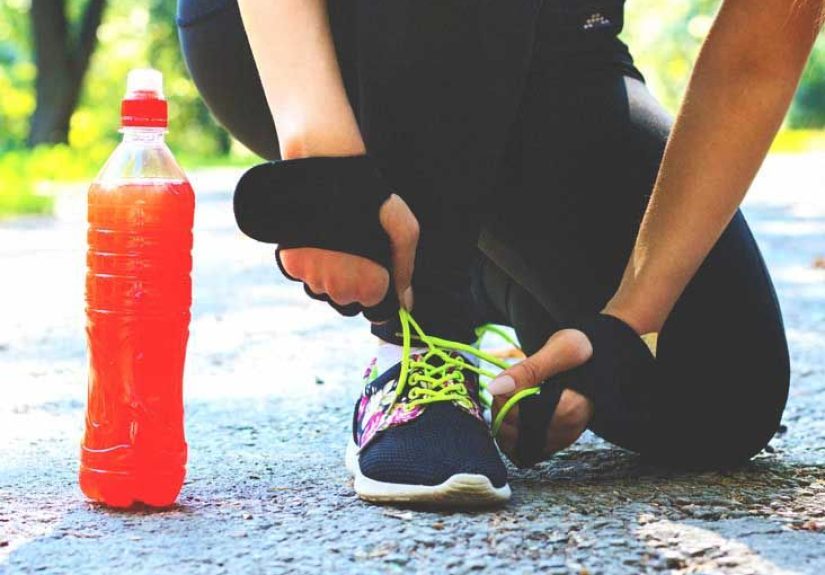
Some adults report feeling more ready for a workout after drinking one. Caffeine can improve perceived energy and reduce the sense of fatigue for some people. But this does not make energy drinks a smart fitness strategy, especially if they are loaded with sugar or taken in large amounts before intense exercise.
3. They Are Convenient
No brewing, no waiting, no pretending to understand coffee bean notes like “citrus with a whisper of walnut.” Energy drinks are fast, portable, and aggressively available. Convenience, however, is not the same as health value.
Why Energy Drinks Can Be Bad for You
This is where the shiny can starts losing its halo.
Too Much Caffeine, Too Fast
One major issue is dosage. People often drink energy drinks quickly, more like soda than coffee. That can lead to a large hit of caffeine in a short period of time. Instead of feeling focused, you may feel shaky, anxious, sweaty, and weirdly convinced that answering three texts at once is a good idea.
High caffeine intake can raise heart rate and blood pressure, and it may trigger palpitations or abnormal rhythms in some people. It can also worsen anxiety and panic symptoms. If you already have heart issues, blood pressure concerns, or stimulant sensitivity, energy drinks are especially risky territory.
Sleep Problems That Make Everything Worse
Energy drinks often create the exact problem they claim to solve. You drink one because you are tired. Then the caffeine delays or disrupts your sleep. The next day you are even more tired, so you drink another one. Congratulations, you have entered the most exhausting hamster wheel in modern nutrition.
Poor sleep affects mood, attention, reaction time, learning, appetite, and overall health. So even if an energy drink seems to “work” in the moment, it may leave you worse off later. That is not energy. That is a lease agreement with hidden fees.
Sugar Crash and More Calories Than You Realized
When an energy drink is packed with added sugar, it can hit fast and fade fast. Some people feel a quick lift followed by an energy slump, irritability, or hunger. Regular use can also add a surprising number of calories to your diet without making you full. Your drink should not be the sneakiest dessert of the day.
Anxiety, Jitters, and Mood Changes
Caffeine does not land the same way for everyone. Some people can drink a caffeinated beverage and calmly continue folding laundry. Others take a few big gulps and begin mentally speed-running every awkward memory from middle school. If you are prone to anxiety, restlessness, irritability, or panic symptoms, energy drinks can pour gasoline on the fire.
Digestive Problems and Dehydration Concerns
Some people experience nausea, stomach upset, or diarrhea after energy drinks. They may also urinate more often and become dehydrated, especially when the drink is used during heat exposure, sports, or long days without enough water. That is why energy drinks are not the same thing as proper hydration. Your body cannot be fooled by a neon can.
The Ingredient Combo Problem
Another concern is that energy drinks are not just caffeine delivery systems. They are often cocktails of stimulants, sweeteners, and added compounds. Researchers and clinicians still do not know everything about how these ingredients interact in large amounts or in vulnerable people. When your beverage label reads like a chemistry-themed scavenger hunt, caution is not overreacting.
Who Should Be Especially Careful?
Children and Teens
Kids and teens should not be drinking energy drinks. This is one of the clearest points in current pediatric guidance. Their bodies and brains are still developing, and they are more vulnerable to the effects of caffeine. Even amounts that seem modest to adults may cause sleep problems, agitation, anxiety, rapid heartbeat, and poor concentration later on.
There is also a practical irony here: many teens use energy drinks for school performance, sports, or gaming stamina, but the sleep disruption can hurt focus, mood, and memory. A can that promises peak performance may actually be sabotaging the basics.
People With Heart Conditions or High Blood Pressure
If you have heart rhythm issues, high blood pressure, or cardiovascular disease, energy drinks are not something to take lightly. The stimulant load can put extra stress on the heart and blood vessels. Even if you feel “fine,” that is not the same as risk-free.
People With Anxiety or Panic Symptoms
If your nervous system is already a little dramatic, adding a concentrated stimulant may not be the plot twist you need. Energy drinks can worsen nervousness, racing thoughts, panic sensations, and that unpleasant feeling that your body is trying to refresh itself like a frozen browser tab.
Pregnant People
Pregnancy is another time to be cautious with caffeine. Energy drinks are usually not the best choice because they may contain high caffeine levels and other added stimulants. When in doubt, it is better to get personalized advice from a healthcare professional rather than treating the can label like a trustworthy life coach.
Anyone Taking Certain Medications
Energy drinks can interact badly with some medicines, especially those related to mood, blood pressure, heart rhythm, or stimulant effects. If you take medication regularly, this is a good place for caution and common sense to shake hands.
What About Mixing Energy Drinks With Alcohol?
Bad idea. Full stop.
Mixing energy drinks with alcohol can make you feel less sleepy without making you less impaired. That means people may drink more, take more risks, and underestimate how intoxicated they really are. This combo has been linked with binge drinking, injuries, impaired driving, and other dangerous outcomes.
So no, vodka plus an energy drink is not “balance.” It is chemistry with bad judgment.
Are Energy Drinks Better Than Coffee?
Usually, no. Coffee is not perfect for everyone, but plain coffee is generally simpler. It usually does not come with a pile of added sugar, candy-like flavoring, or a mystery parade of stimulants. With coffee, you generally know the main player is caffeine. With energy drinks, the formula may be more complicated, more concentrated, and easier to overconsume quickly.
If an adult wants caffeine, a modest coffee or tea is often the more sensible option. Water, food, movement, and sleep are even better options when the real problem is exhaustion rather than lack of flavored electricity.
Smarter Ways to Boost Energy Without the Crash
Prioritize Sleep
Boring advice? Yes. Effective advice? Also yes. Most people who depend on energy drinks are not deficient in canned lightning. They are short on sleep.
Eat Real Meals
Skipping meals and then trying to fix low energy with caffeine is like ignoring a flat tire and buying a louder radio. Balanced meals with protein, fiber, and complex carbs do more for steady energy than a sugary stimulant rush.
Drink Water
Dehydration can make you feel tired, foggy, and headachy. Sometimes what people call “needing energy” is actually “needing water and a snack.” Human bodies are annoyingly basic like that.
Use Smaller Amounts of Caffeine
If caffeine works for you, use it strategically. A small coffee or tea is usually easier to control than a supersized energy drink. The goal is support, not accidental orbit.
Move Around
A short walk, stretching break, or a few minutes away from the screen can boost alertness more gently than pounding a can and hoping your heartbeat negotiates fairly.
The Bottom Line
Energy drinks are not a health food, and they are definitely not a substitute for sleep, nutrition, hydration, or sanity. For most healthy adults, one once in a while may be tolerated, but regular use is a different story. The combination of high caffeine, added sugar, and extra stimulants can lead to jitters, sleep disruption, crashes, digestive issues, anxiety, and heart-related concerns.
For children, teens, pregnant people, and anyone with heart, blood pressure, or anxiety issues, the answer gets even clearer: energy drinks are more bad idea than good idea.
If you want more energy, the less glamorous methods still win. Sleep enough. Eat decent food. Drink water. Use caffeine in moderation if it suits you. Because the most reliable energy boost is not found in a giant neon can that tastes like melted gummy bears and ambition.
Real-World Experiences With Energy Drinks
Talk to enough people about energy drinks, and a pattern shows up fast. The first experience is often positive. A college student pulls an all-nighter, downs a can, and suddenly feels sharp enough to highlight half a textbook and reorganize a desktop full of random screenshots. A young professional drinks one before a long shift and feels more awake, more social, more ready to power through meetings that should have been emails. A gym-goer takes one before a workout and feels like every machine in the room is personally cheering them on. In the short term, energy drinks can feel incredibly effective. That is part of why they are so easy to overtrust.
But then comes the second part of the story, and this is where the reviews get less glamorous. Many people describe the same follow-up: shaky hands, dry mouth, a racing heartbeat, irritability, stomach discomfort, and a weird combination of being tired and wired at the same time. Some say they feel laser-focused for an hour, then completely drained. Others notice that once the drink wears off, their mood drops and their brain feels foggier than before. It is the nutritional version of borrowing money from a friend who charges emotional interest.
Students are especially likely to get caught in this cycle. One energy drink during exam week turns into two, then a late-night habit, then terrible sleep, then another energy drink to compensate for the terrible sleep. What started as a performance tool becomes a sleep-disruption machine. Some teens and young adults also realize too late that energy drinks make anxiety worse. Instead of feeling motivated, they feel overstimulated, edgy, and unable to settle down enough to actually do the work they were trying to finish.
Adults tell similar stories in the workplace. People who rely on energy drinks during long commutes, overnight shifts, or stressful deadlines often say the biggest downside is not the immediate jitters. It is the dependency. They stop feeling naturally alert without one. Then one can becomes the baseline, and the “boost” becomes less of a boost and more of a daily attempt to reach normal. That is a frustrating place to end up, especially when the original goal was simply to feel a little more awake.
There are also people who swear they can handle energy drinks just fine. And some probably can, at least occasionally. A healthy adult who drinks one once in a while, stays hydrated, does not stack it with other caffeine, and does not use it late in the day may get through the experience without problems. But even those people often admit the benefit is temporary. The can does not replace sleep. It does not fix burnout. It does not undo poor meals, long stress, or a schedule that is asking too much of the body.
That is probably the most honest lesson from real-life experience: energy drinks can feel useful in the moment, but they are rarely a long-term solution. They are best understood as a shortcut with side effects, not a wellness habit. And like many shortcuts, they work best when used rarely, cautiously, and with a healthy amount of suspicion.