Table of Contents >> Show >> Hide
- Why Major Biden Was More Than Just A Cute Headline
- What The Virtual “Indoguration” Was All About
- Why America Fell For The Story So Fast
- The Bigger Meaning Behind Major’s Popularity
- The Less Glossy Chapter: Major’s White House Challenges
- What Shelters And Pet Lovers Can Learn From The “Indoguration” Moment
- Why The Story Still Holds Up
- Experiences Related To Major Biden’s “Indoguration” And Why The Moment Felt So Personal
- Conclusion
Sometimes history arrives in a motorcade. Sometimes it trots in with floppy ears, excellent posture, and the kind of face that makes half the internet say, “Yes, I would trust this dog with my taxes.” That was the vibe around Major Biden, the German shepherd who became a breakout star before he even officially unpacked his chew toys at 1600 Pennsylvania Avenue.
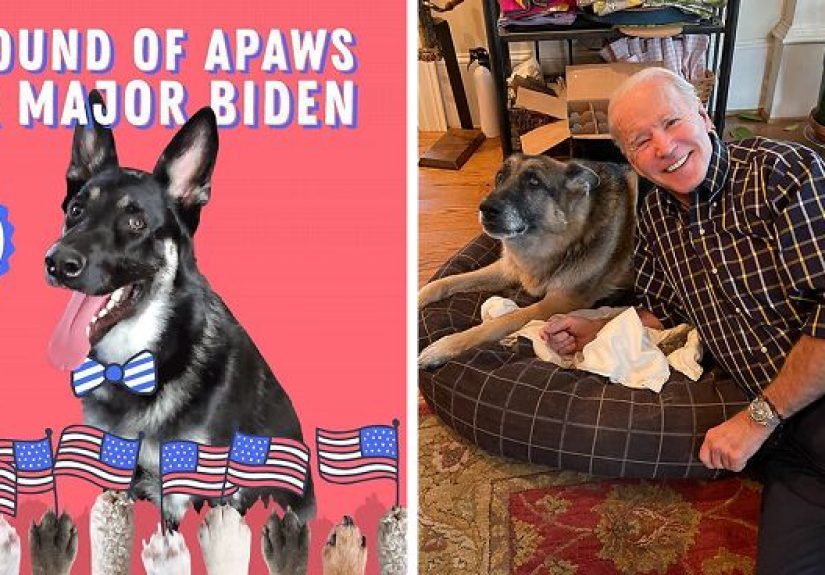
When Joe and Jill Biden prepared to move into the White House in early 2021, the political transition came with an unexpectedly lovable subplot: Major, their adopted dog, was set to become the first shelter dog to live there. That distinction mattered. White House pets are not exactly rare, but a shelter dog taking up residence in one of the world’s most famous homes felt like a cultural wink and a national awwww rolled into one.
Then came the cherry on top: a virtual “indoguration,” a dog-themed online celebration that turned Major into a furry little symbol of rescue advocacy, feel-good internet culture, and the enduring American need to project emotion onto dogs wearing invisible crowns. Reports on the event’s audience varied, but coverage consistently described a huge turnout, with some outlets putting it at more than 10,000 viewers and others citing more than 7,400 attendees. Either way, Major was not exactly performing for a backyard barbecue crowd.
Why Major Biden Was More Than Just A Cute Headline
Major’s popularity was not just about novelty, though the novelty certainly helped. The White House had gone four years without a presidential pet, and by January 2021, America was more than ready for a lighter story. Enter Major: handsome, adoptable, historically significant, and blessed with the kind of backstory publicists would sell their ring lights for.
From Delaware Shelter To National Spotlight
The Bidens adopted Major after fostering him through the Delaware Humane Association. That alone gave his story a strong emotional arc. He was not a purebred status symbol shipped in with a velvet ribbon and a press packet. He was a shelter dog who got a second chance and then, in the most absurdly American twist possible, wound up on a path to the White House.
That journey turned Major into a powerful symbol for adoption advocates. Shelters across the country have long tried to convince families that great dogs do not need pedigrees, price tags, or dramatic Instagram bios. Major’s rise made that case in one spectacular sentence: a shelter dog can be good enough for the White House, so he is definitely good enough for your living room, your backyard, and your suspiciously expensive sofa.
There was also a subtle but meaningful distinction in the coverage. Some historians noted that rescue dogs had appeared in the White House before, but Major was widely described as the first dog adopted directly from an animal shelter to live there. That detail gave the story extra weight. It was not just another “first dog” story. It was a shelter story placed on one of the biggest stages imaginable.
What The Virtual “Indoguration” Was All About
The “indoguration” was peak 2021 in the best possible way: part fundraiser, part pop-culture event, part rescue-dog pep rally, and very much a Zoom-era spectacle. Hosted by the Delaware Humane Association and Pumpkin Pet Insurance, the event was designed to celebrate Major’s milestone while raising money for animal welfare work. It was cheerful, clever, and online enough to make you instinctively check whether your microphone was muted.
Rather than treating Major as just a cute side note to Inauguration Week, organizers made him the main character. The event highlighted his path from shelter pup to first dog, and it cast that path as proof that adoption can change an animal’s life in dramatic, joyful, and wildly public ways.
It also had real fundraising muscle. The event ended up generating more than $200,000, smashing expectations and giving the celebration tangible impact. That matters, because cute stories can sometimes drift into fluff and evaporate. Major’s did not. His popularity translated into real dollars that could support pet owners and shelters dealing with financial strain and adoption demands.
And yes, the attendance numbers were impressive enough to deserve their own chew toy. One stream of coverage described the event as drawing more than 10,000 viewers, while another post-event report cited more than 7,400 animal lovers in attendance. In media terms, that means one thing: Major was not just internet-famous. He was internet booked and busy.
Why America Fell For The Story So Fast
There are at least three reasons Major’s “indoguration” hit such a sweet spot.
1. He Represented A Return To White House Pet Culture
Presidential pets have long worked as unofficial image softeners. They humanize political families, make formal spaces feel a little more lived in, and remind everyone that even powerful households still deal with fur, mess, and the occasional creature who absolutely refuses to sit still for a good photo.
After a pet-free White House stretch, the return of dogs felt oddly restorative. Major and Champ helped restore a visual tradition Americans understand almost instinctively: if there is a dog on the lawn, the place looks less like a fortress and more like a home.
2. He Made Rescue Adoption Look Aspirational
Major’s story flipped a tired assumption on its head. Shelter pets are too often framed as risky, complicated, or somehow “less than” dogs bought through other channels. Major’s image did the opposite. He made adoption look not just compassionate, but cool, visible, and entirely presidential.
For shelters, that kind of symbolism is gold. Every photo, headline, and joke about Major served as a reminder that adoptable animals are not backup plans. They are family.
3. The Internet Was Desperate For Joy
Let’s not underplay the timing. Early 2021 was a period when people were still living heavily online, still hungry for distraction, and still capable of crying over a dog they had never met. A clever, pun-filled, dog-centered virtual party fit the moment perfectly. It was wholesome without being syrupy, political without being combative, and funny without trying too hard.
Frankly, a dog “indoguration” was the kind of weirdly charming idea that only makes sense in modern America, which is probably why it worked so well.
The Bigger Meaning Behind Major’s Popularity
Major’s public image landed at the intersection of several bigger themes: adoption advocacy, the emotional pull of presidential imagery, and the role pets play in national storytelling. He was not just Joe Biden’s dog. He became a symbol people could read in different ways.
For animal lovers, he represented hope for shelter animals. For political observers, he represented the return of a familiar White House tradition. For casual readers who generally avoid policy headlines unless snacks are involved, he represented a rare piece of political-adjacent news that was genuinely delightful.
There was also something disarmingly democratic about the whole thing. Major was not famous because he had been trained for a campaign. He was famous because he embodied a story regular people understood immediately: a dog needed a home, a family took him in, and then life became bigger than anyone expected.
That kind of narrative sticks because it feels accessible. Most people will never set foot in the White House. Plenty of people, however, know what it means to love a rescue animal, foster a nervous dog, or root for a scrappy underdog with four legs and a suspicious interest in table scraps.
The Less Glossy Chapter: Major’s White House Challenges
No honest article about Major should stop at the confetti. His White House chapter also became a reminder that a heartwarming origin story does not magically erase the realities of canine behavior, stress, or environment.
After moving into the White House, Major struggled to adjust. He was later sent for additional training after biting incidents, returned for a period, and was eventually moved to live with family friends in a quieter setting. That development complicated the fairy tale, but it also added an important layer of realism.
Dogs are not symbols first. They are animals first. A busy, high-security, high-traffic residence is not automatically a perfect fit for every pet, even a beloved one. In that sense, Major’s later difficulties did not cancel the meaning of his story. They expanded it. Rescue success is not just about the adoption day photo. It is about matching animals to environments where they can actually thrive.
That may not be as tidy as a viral headline, but it is far more useful. Major still mattered as a shelter milestone. He also became part of a larger conversation about training, patience, and the fact that even very good dogs can have very hard days.
What Shelters And Pet Lovers Can Learn From The “Indoguration” Moment
Major’s story still offers valuable lessons well beyond its headline charm.
Adoption Stories Need Visibility
The “indoguration” showed how storytelling can boost shelter awareness in a huge way. The event was playful, but it also functioned like a master class in mission-driven publicity. It took one dog’s milestone and turned it into a broader message: shelters save animals, and those animals deserve the spotlight.
Good PR Can Do Real Good
This was not empty internet noise. The fundraiser generated substantial money, and that money supported real services. In other words, Major did not just trend. He helped.
Rescue Dogs Are Not Props
The later challenges in Major’s White House stay underline a truth every responsible adopter should hear: love matters, but so do structure, training, and the right environment. Rescue dogs can be amazing companions, but they are not miracle brand ambassadors sent to make humans look enlightened. They are living beings with instincts, fears, and limits.
Why The Story Still Holds Up
Years later, the “indoguration” remains memorable because it hit that rare sweet spot between silly and meaningful. It gave America a goofy, joyful, dog-shaped spectacle, but underneath the puns was a genuine cultural moment. A shelter dog was being welcomed into a symbol of national power, and thousands of people showed up online to cheer that on.
That says something good about the country, honestly. Not everything that goes viral is noble. Sometimes the algorithm hands us chaos in sweatpants. But every now and then, it delivers a rescue dog with a historic title and a fan base large enough to make a fundraiser roar.
Major Biden’s “indoguration” was funny, yes. But it also showed how deeply people respond to stories of second chances. It reminded viewers that compassion can be contagious, that shelter animals deserve headline treatment, and that sometimes the best ambassador in a national house is the one who arrives with muddy paws and zero interest in polling.
Experiences Related To Major Biden’s “Indoguration” And Why The Moment Felt So Personal
What made the “indoguration” especially memorable was the experience surrounding it. Even people who did not normally follow presidential pet stories seemed to understand that something unexpectedly warm was happening. You had a shelter dog at the center of a national conversation, a virtual crowd gathered online, and a moment that managed to feel both ridiculous and sincere. That combination is rare. Usually the internet gives you one or the other. Major somehow offered both.
For many viewers and readers, the event felt like more than a cute celebration. It felt communal. During a period when so much public life was filtered through screens, the idea of thousands of people showing up online to celebrate a rescue dog created a weirdly powerful sense of shared optimism. The Zoom format may not sound glamorous, but in context it was oddly perfect. People were watching from couches, kitchens, home offices, and probably from at least one room where a real dog was barking at the laptop like it had been personally invited to speak.
There was also something deeply satisfying about seeing shelter staff receive national attention. Animal rescue work is often exhausting, underfunded, and emotionally draining. It involves paperwork, uncertainty, medical care, behavior questions, and the daily hope that an animal’s next chapter will be better than the last. Major’s story gave that world a moment in the spotlight. The “indoguration” was not just cheering for one dog; it was, in a broader sense, cheering for everyone who fosters, cleans kennels, writes adoption profiles, handles tough cases, and keeps shelters going when the work gets hard.
Another part of the experience was how strongly Major’s story resonated with ordinary pet owners. People know what it means to root for an animal. They know the joy of bringing home a rescue, the nerves of wondering whether the dog will settle in, and the hilariously fast way a pet can become the emotional CEO of a household. That familiarity made Major feel less like a distant White House novelty and more like a dog from down the street who had somehow landed the world’s fanciest address.
And then there was the emotional contrast. Politics is usually presented through conflict, strategy, and endless commentary. Major’s “indoguration” cut through that with a simpler story about affection, adoption, and hope. It did not ask people to master policy language or survive another angry panel discussion. It asked them to care about a dog who had once needed a home. That is a much easier emotional on-ramp, and maybe a healthier one too.
In the end, the experience of following Major’s rise was memorable because it felt human, even though the star had four legs. It reminded people that public life still has room for softness, humor, and the occasional wonderfully unserious event with a very serious message. Major’s “indoguration” may have looked like a joke at first glance, but the emotional response it generated was real. People were not just laughing at the pun. They were celebrating the idea that second chances deserve an audience.
Conclusion
Major Biden’s virtual “indoguration” worked because it was more than a clever pun attached to a photogenic dog. It captured a moment when Americans were eager for relief, ready to rally around rescue adoption, and perfectly happy to let a shelter dog steal a little national attention. Major’s White House story later became more complicated, but the milestone itself still mattered. He helped place shelter advocacy on a much larger stage and reminded millions of people that great dogs do not come with one kind of paperwork, one kind of pedigree, or one kind of path.
If anything, that is why the story remains so sticky. It was funny. It was heartfelt. It raised real money. It sparked real conversation. And in the grand archive of political side stories, Major’s moment stands out as one of the rare ones that actually earned the applause. Or at least the tail wags.