
Table of Contents >> Show >> Hide
- Confession: I Started This Challenge for the Aesthetic
- What Exactly Is the Anthropologie Challenge?
- Why Anthropologie Is Basically a Lifestyle Portal
- My Wardrobe Strategy: Build a Mini Capsule with Anthropologie Staples
- The Home Side Quest: Anthropologie Home Decor Without the Chaos
- Shopping Smarter: AnthroPerks, Sales, Styling, and Returns
- Making It More Sustainable: A Challenge, Not a Consumption Contest
- What I Learned (Besides the Fact That I’m Vulnerable to Cute Dishware)
- A Few Common Mistakes to Avoid During Your Own Anthropologie Challenge
- Conclusion: The Challenge Worked (And I’m a Better Shopper Now)
- Bonus: 500-Word Field Notes From My Anthropologie Challenge
A slightly unhinged, oddly educational experiment in style, home, and self-control.
Confession: I Started This Challenge for the Aesthetic
You know that feeling when you walk into Anthropologie and suddenly believe you’re the kind of person who journals with a fountain pen, owns “statement glassware,” and casually throws a linen blazer over a dress like you’re headed to a vineyard you absolutely did not Google on the way?
That was me. Every time. And because I’m a responsible adult (a phrase I say with the same confidence I use when I tell a barista I can “totally taste the notes”), I decided to channel that dreamy Anthropologie energy into something measurable: a personal reset I named My Anthropologie Challenge.
The goal wasn’t to “buy everything.” The goal was to shop intentionallybuild outfits I’d actually wear, refresh my home without turning it into a maximalist museum gift shop, and test whether the brand’s famous vibe could translate into real life without draining my bank account or my sanity.
What Exactly Is the Anthropologie Challenge?
My rules were simple enough to follow, but strict enough to keep me from doing that thing where I “accidentally” end up with four candles and a dress I can’t sit down in.
The Challenge Rules (a.k.a. “Guardrails for My Impulse Purchases”)
- 30 days, one theme: Any new-to-me additions had to be Anthropologie (including pre-loved Anthropologie).
- Wear test: If it couldn’t be styled at least three ways, it didn’t come home with me.
- Budget boundaries: I set a monthly spend limit and treated it like a speed limit in a school zone.
- No “mystery sizing” drama: I checked size charts, reviews, and fabric composition like it was my job.
- Home purchases had to earn their keep: Either functional, genuinely joyful, or both.
- Returns policy awareness: I kept tags on until I was surebecause optimism is not a return strategy.
This became less of a shopping spree and more of an intentional experiment in Anthropologie outfits, capsule wardrobe thinking, and the surprisingly emotional art of choosing a throw pillow that won’t haunt you.
Why Anthropologie Is Basically a Lifestyle Portal
Anthropologie isn’t just a clothing store. It’s a full-on lifestyle destinationwomen’s apparel, shoes, accessories, beauty, furniture, home décor, and even weddings. The brand has been around since the early ’90s, and it’s built a reputation for curated, artsy, eclectic pieces that feel personal instead of mass-produced.
The Signature Look: Eclectic, Feminine, and “I Travel in My Imagination”
The Anthropologie aesthetic isn’t one trendit’s a collage. You’ll see romantic silhouettes next to clean denim, vintage-inspired prints next to modern tailoring, and home décor that looks like it was collected on a charming, cinematic road trip through tiny antique shops (even if it shipped to your door in two days).
The “One Store, Many Moods” Advantage
The reason this challenge works is that Anthropologie is intentionally broad. I could build a wardrobe, add a few home upgrades, and even refresh self-care basics without hopping across ten different retailers. That convenience is dangerouslike giving a raccoon access to a pantrybut it’s also useful if you shop with intention.
My Wardrobe Strategy: Build a Mini Capsule with Anthropologie Staples
My biggest fear was ending up with a closet full of “special occasion” pieces and nowhere to wear them, because my social calendar is mostly errands and being invited to exactly one birthday dinner every six weeks. So I aimed for a practical capsule wardrobe with personality.
1) Start with a Hero Piece You’ll Actually Rewear
I chose a dress as my anchor because dresses are one-and-done outfits that make you look like you tried. Anthropologie is famous for fan-favorite dress silhouettes, including the Somerset dress-style tiered look: flattering smocking, pockets (bless), and an easy shape that can be dressed up or down.
Styling it three ways was easy:
- Day: sneakers + denim jacket + crossbody bag
- Work-ish: structured blazer + low heel + simple jewelry
- Weekend: chunky cardigan + boots + hair clip that screams “I’m casually whimsical”
2) Add “Reliable” Denim and Pants (Not Just Pretty Things)
Anthropologie carries a wide denim and trouser selection, including in-house and exclusive labels that focus on wearable staples. My goal: one pair of jeans and one pair of trousers that could anchor multiple looks.
I looked for:
- Comfort-first structure: fabric with enough hold to feel polished, but not so stiff it feels like punishment
- Versatility: pairs that work with tees, blouses, and knits
- Seasonal flexibility: pieces I can wear in summer with sandals and in winter with boots
3) Build a Layering System (Because Weather Is a Trickster)
Instead of buying five different tops, I built a layering system: one great knit, one lightweight blouse, and one “third piece” (cardigan, jacket, or blazer). This is the secret to looking styled without feeling overdressed.
The Anthropologie vibe shines in detailsinteresting sleeves, textured fabrics, playful buttonsso I chose subtle statement features that wouldn’t limit repeat wear.
4) Accessories: The Shortcut to “Outfit”
If you’ve ever felt like your outfit is missing something, the answer is usually accessories. Anthropologie’s accessory sections are a masterclass in how a belt, bag, or earrings can change the whole mood.
My rule: accessories had to solve a problem (hands-free bag, comfortable shoes, jewelry that works with multiple necklines), not just look cute in the mirror under flattering store lighting.
The Home Side Quest: Anthropologie Home Decor Without the Chaos
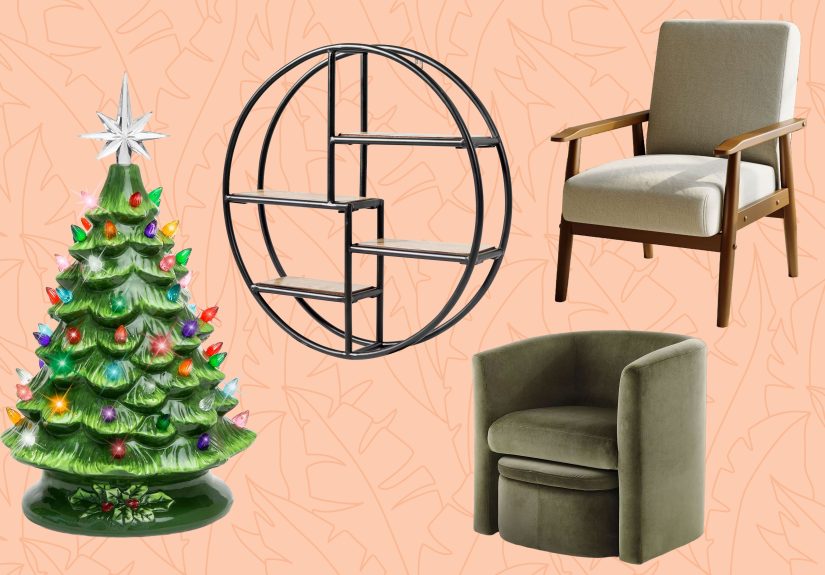
Anthropologie home décor is the part of the store that turns rational adults into whimsical magpies. The trick is to shop it like a designer, not like a dragon collecting shiny treasures.
Pick a Color Story (So Your Living Room Doesn’t Look Like a Craft Store Explosion)
I started with a simple palette: two neutrals, one main color, and one accent color. That let me buy a few bold pieceslike patterned textiles or playful glasswarewithout making my space feel visually loud.
Invest in Small “Luxury” Upgrades That You Touch Every Day
Instead of going straight for big furniture, I focused on everyday joy: a mug that makes mornings nicer, a throw that makes the couch more inviting, and candles that turn “I’m tired” into “I’m having an ambiance moment.”
These are the easiest wins in a home refresh: they’re affordable compared to furniture, and you feel the difference immediately.
Measure Twice, Buy Once (Especially for Furniture)
If you buy a sofa without measuring your doorway, you’re not shoppingyou’re gambling. Anthropologie’s furniture selection can be gorgeous, but big-ticket items require real planning: room dimensions, delivery logistics, and how the piece will function in your actual life (pets, kids, snacks, gravity).
Pro move: if you’re unsure, start with lighting, mirrors, or textiles before committing to furniture.
Shopping Smarter: AnthroPerks, Sales, Styling, and Returns
Here’s the truth: Anthropologie can be pricey. The challenge only works if you shop with strategy.
Join AnthroPerks (Free, and Actually Useful)
Anthropologie’s AnthroPerks loyalty program is free to join and can unlock member perks like welcome offers, birthday rewards, and early access moments. My takeaway: if you’re doing any kind of Anthropologie shopping challenge, joining is a no-brainer.
Know the Sales Rhythm (and Don’t Panic-Buy)
Anthropologie runs promotions throughout the yearholiday periods, seasonal clearances, and “extra % off” events on sale sections. The key is not to buy something just because it’s discounted. My rule stayed firm: if I wouldn’t want it at full price, it didn’t deserve my closet space at any price.
Use Personal Styling (Yes, Really)
Anthropologie offers complimentary styling services in-store and virtually. This is wildly underused, and it can save you from buying “almost right” pieces. When you tell a stylist your real life needswork outfits, weekend wear, travel looksthey can help you build outfits that make sense together.
Returns: Read the Rules Before You Fall in Love
Return policies matter most when you’re excited. Anthropologie generally accepts returns of unworn, unwashed, unaltered merchandise with tags attached, and timing affects whether you get a refund or store credit. Also, final-sale items are usually final for a reasonbuy those only when you’re confident about fit.
Translation: keep the tags on, do the sit-test, and don’t treat your credit card like it’s your emotional support animal.
Making It More Sustainable: A Challenge, Not a Consumption Contest
I didn’t want this to be “buy more stuff in prettier packaging.” So I built sustainability into the challenge.
Buy Fewer, Wear More
The easiest sustainable move is wearing what you ownrepeatedly, proudly, creatively. I chose versatile pieces, leaned into layering, and repeated outfits with different accessories like I was starring in my own low-budget fashion montage.
Go Pre-Loved for the Win
A major part of my Anthropologie challenge was shopping secondhand for items I knew would hold up: dresses, denim, sweaters, and some home accents. You can often find discontinued prints and unique gems without paying full price. Plus, it reduces waste and keeps great pieces in circulation.
Care Is the Most Overlooked “Eco” Habit
I followed care labels like they were sacred text. I washed delicate pieces gently, air-dried when possible, and treated stains immediately instead of pretending they would “work themselves out.” (They do not. Stains are not self-improving.)
Look for Brands and Initiatives with Better Practices
Anthropologie and its parent company discuss impact initiatives around sustainability, inclusivity, and community. As a shopper, I used that as a nudgenot a guaranteeto keep asking the right questions: material quality, longevity, and whether I’d still love the item next season.
What I Learned (Besides the Fact That I’m Vulnerable to Cute Dishware)
1) The “Anthropologie Look” Is a Formula, Not a Miracle
The magic isn’t the price tagit’s the styling: contrast feminine with structured, mix texture with clean basics, and add one playful detail. That’s how you get the boho chic vibe without feeling like you’re in costume.
2) Accessories Are the Highest ROI
A great bag, belt, or earrings can revive basics you already own. If you’re trying to shop Anthropologie more intentionally, start with accessories and wear them often.
3) Home Décor Should Support Your Life, Not Compete With It
The pieces that stuck were functional and joyful: textiles, kitchen items, lighting. The pieces I almost bought (but didn’t) were mostly “pretty clutter.” My space thanked me.
4) Store Staff and Stylists Are a Cheat Code
The biggest shopping mistake is ignoring help. The best store experiences I had came from asking questions, trying new sections, and getting honest feedback on fit and styling.
A Few Common Mistakes to Avoid During Your Own Anthropologie Challenge
- Only shopping one corner of the store: Anthropologie is built for discoverydon’t skip home, beauty, or accessories.
- Assuming you know your size: different brands fit differently; check reviews and fabric details.
- Buying “final sale” as a mood: if you’re unsure, don’t do it. Confidence is the return policy you deserve.
- Skipping the styling step: try outfits on together, not as isolated pieces.
- Forgetting the basics: the most-worn items are usually the simplestpants, knits, layering pieces.
Conclusion: The Challenge Worked (And I’m a Better Shopper Now)
My Anthropologie Challenge didn’t turn me into a different person. I still eat cereal for dinner sometimes, and I still consider “cleaning” to be “moving piles into other piles.” But it did make me a smarter shopper.
I learned how to build Anthropologie outfits around real life, not fantasy life. I stopped buying things that only work in one scenario. I got pickier about materials and fit. And I refreshed my home in a way that feels intentional instead of impulsive.
If you want a fun, practical reset, try your own version: set rules, pick a timeline, and remember the real flex is rewearing what you loveon repeatlike the stylish, sensible legend you are.
Bonus: 500-Word Field Notes From My Anthropologie Challenge
Week one started with optimism and a closet audit that felt like hosting an intervention for my past self. I pulled everything out, made three piles (love, maybe, why did I buy this), and realized I had been dressing for a life that involves more rooftop parties than grocery runs. The Anthropologie challenge became my excuse to rebuild around reality: clothes that handle weather, movement, and the occasional “I need to look put together in five minutes.”
Week two was outfit testing. I treated my bedroom mirror like a lab and my hangers like test tubes. I tried the hero dress with sneakers, boots, a blazer, and a cardigan. I learned that the difference between “effortless” and “confused” is usually one detail: a belt to define the waist, a structured bag instead of a slouchy tote, or earrings that pull the whole look into focus. I also learned the hard way that dressing rooms are the place to do the sit-test. If you can’t sit comfortably, you’re not buying fashionyou’re buying a future argument with gravity.
Week three was home mode, which is where Anthropologie truly shines and also where self-control goes to die. I walked in for “one candle” and nearly left with a butter dish that looked like it belonged in a cottagecore museum. The only thing that saved me was my color palette rule. If it didn’t match the plan, it didn’t come home. I chose a throw that made my sofa look intentional, swapped in a couple of playful glasses for weekends, and upgraded my most-used areascoffee corner, bedside, entryway. The home changes were small but weirdly emotional, like my apartment started cheering me on.
Week four was reflection and restraint. I stopped browsing out of boredom (a heroic feat), unsubscribed from a few temptation-heavy emails, and made a point to rewear outfits. The biggest shift wasn’t the items I boughtit was the way I chose them. I became someone who checks fabric content and asks, “Will I wear this next month?” instead of “Is this cute right now?” And honestly? That’s the kind of growth arc I can get behind.