

Table of Contents >> Show >> Hide
- Why “Mood Dressing” Works (It’s Not Just Vibes)
- The Design Brief: A Wardrobe That Can Pivot
- My “Mood Dial” System (4 Sliders That Change Everything)
- The Flexible Outfit Kit (Pieces That Do the Most Work)
- 8 Flexible Outfits I Built (Each One Has a Mood Switch)
- How I Actually Use the System (Without Overthinking)
- Extra: My Mood-Dressing Experience (The Real-Life, Not-Instagram Version)
My closet used to be a museum of past versions of me: “Sporty Me” (last seen in 2021), “Corporate Me” (she’s tired), and “Mysterious French Girl Me” (I do not live in Paris; I live near a Target). The problem wasn’t a lack of clothesit was a lack of options that matched how I actually felt.
So I designed a tiny system: a set of flexible outfits that could shift with my mood the way a playlist shifts from “main character montage” to “do not perceive me.” The goal wasn’t to dress for other people. It was to dress with myselfwithout blowing my budget or turning laundry into a side hustle.
Why “Mood Dressing” Works (It’s Not Just Vibes)
Clothes can change how you think: enclothed cognition
There’s a real psychological idea behind this: enclothed cognitionbasically, what you wear can influence how you think and feel, especially when the clothing has a symbolic meaning and you’re physically wearing it. Translation: a blazer doesn’t magically turn you into a CEO, but it can nudge your brain into “I’ve got this” mode.
Structure affects mindset (yes, your pants are low-key persuasive)
Research on formal vs. casual clothing suggests that dressing more formally can shift people toward more abstract thinking (think: big-picture planning instead of doom-scrolling in your sweatpants). That doesn’t mean you need a suit to send an email, but it does mean structure is a mood tool.
Color and texture hit your emotions faster than logic does
“Dopamine dressing” became popular because people noticed something simple: certain colors, textures, and shapes feel energizing, comforting, playful, or calm. Color psychology is complicated (and not one-size-fits-all), but the takeaway is useful: color is a dial. So is texturesoft knits can feel like emotional support fabric, while crisp cotton can feel like “I am a person who alphabetizes spices.”
The Design Brief: A Wardrobe That Can Pivot
I treated my closet like a design problem:
- Same base, different mood. Keep the core simple so shifts are fast.
- Modular pieces. Layers and add-ons that change the story without changing the whole cast.
- Repeatable formulas. If I have to invent a new outfit from scratch every day, I will simply… not.
- Comfort first, always. If it pinches, scratches, or slides, it doesn’t belong in the system.
This is basically a personal version of a capsule wardrobe: fewer pieces that mix and match easily, but with a twist. Instead of “minimalist neutrals only,” I built a neutral foundation plus a small set of intentional “mood modules.”
Modularity isn’t just a buzzword
Modular clothing design is a real concept in sustainable fashion: garments or wardrobes built from pieces that can be swapped, reconfigured, or layered to extend use and reduce waste. I didn’t sew zip-on sleeves (respect to anyone who does), but I borrowed the principle: design for recombination.
My “Mood Dial” System (4 Sliders That Change Everything)
Instead of asking “What should I wear?” I ask: “What do I want to feel?” Then I adjust these four sliders:
1) Color slider
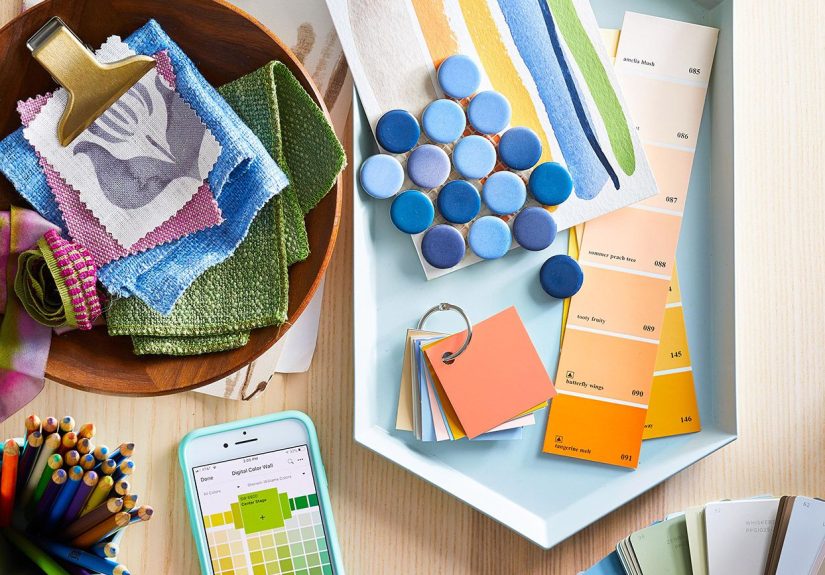
Pick a base palette you can repeat (mine: black, navy, cream, denim). Then keep 3–5 “mood colors” you love: a bright, a soft, a deep, and a weird one (weird is important for personality).
2) Structure slider
Structure = sharper lines, defined shoulders, tailored waist, clean hems. Low structure = drape, stretch, softness. More structure tends to feel more “focused” or “in charge.” Less structure tends to feel more “safe,” “gentle,” or “off-duty.”
3) Texture slider
Texture is mood in 3D. Smooth satin can feel sleek, ribbed knits can feel cozy, denim can feel grounded, leather (real or faux) can feel bold. Texture is how you add interest without adding chaos.
4) Exposure slider
This is about how covered you want to feel. High coverage can feel protected; low coverage can feel free, playful, or confident. Some days you want a turtleneck. Some days you want sleeves and peace.
The Flexible Outfit Kit (Pieces That Do the Most Work)
Here’s the backbone I builtadjust for your climate, your school/work dress code, and your comfort rules. The goal is not to buy everything; the goal is to notice what you already own that fits these roles.
Foundation pieces (the “always yes” basics)
- 2–3 solid tees or fitted tops (one light, one dark, one “favorite color”)
- 1–2 tanks or base layers for layering
- 1 pair of jeans you actually like wearing
- 1 pair of tailored-ish pants (can be wide-leg, straight, or trouser-style)
- 1 skirt or dress that layers easily (optional, but powerful)
- 1 neutral sneaker + 1 “dressier” shoe (loafer, boot, flatwhatever fits your life)
Mood modules (small items, big mood shifts)
- Topper #1: blazer or structured jacket (instant “capable”)
- Topper #2: cozy cardigan or knit (instant “soft”)
- Topper #3: denim jacket / utility layer (instant “cool + casual”)
- Statement color piece (sweater, scarf, bag, or shoesyour choice)
- Texture piece (satin skirt, ribbed knit, corduroy, faux leather, etc.)
- Accessory set (2–3 earrings, 1 belt, 1 hat, 1 bag strap, 1 scarftiny but mighty)
The trick: modules should be easy. If an item requires special bra engineering, five safety pins, or emotional preparation, it’s not flexible. It’s a project.
8 Flexible Outfits I Built (Each One Has a Mood Switch)
1) “Focused but not scary”
Base: solid tee + tailored pants
Switch: add blazer (more structure) or swap to cardigan (softer)
Mood tip: keep color calm (navy, cream, charcoal), add one small bright accessory if you want energy without noise.
2) “Cozy cocoon”
Base: tank + straight jeans
Switch: oversized cardigan + soft scarf, or trade scarf for a sleek necklace to look “intentional cozy”
Mood tip: texture does the heavy liftingribbed knits, brushed cotton, soft denim.
3) “Confident, in a fun way”
Base: monochrome foundation (all black, all navy, all cream)
Switch: pop-color shoes or bag (hello, dopamine dressing)
Mood tip: pick one bold thing and let it be the main character.
4) “Creative chaos, contained”
Base: tee + jeans (simple canvas)
Switch: add a patterned layer (shirt-jacket, printed scarf) + one textured piece (corduroy, satin, chunky knit)
Mood tip: keep the silhouette consistentlet color/print be the chaos so the shape stays calm.
5) “Low battery, still cute”
Base: matching set or easy dress
Switch: sneakers for comfort, or boots/loafer for “I tried” energy
Mood tip: if you only have one brain cell that day, don’t spend it on outfit math.
6) “Unbothered, slightly iconic”
Base: white (or cream) top + denim
Switch: add a trench or long coat shape; swap sneakers for sleek flat/boot
Mood tip: long lines = instant polish. It’s geometry. Fashion is geometry with feelings.
7) “Social, sparkly, but not uncomfortable”
Base: simple top + satin skirt (or dark jeans)
Switch: switch jewelry: small studs for chill, statement earrings for “I’m outside!”
Mood tip: shine can be from fabric (satin) or accessorieschoose whichever feels easiest.
8) “Calm and grounded”
Base: soft neutral top + relaxed pants
Switch: add earthy texture (linen, cotton, denim) and keep colors muted
Mood tip: if your mind is loud, let your outfit be quiet.
How I Actually Use the System (Without Overthinking)
The 30-second decision flow
- Pick a base: jeans or trousers? tee or knit?
- Name the mood: “comfort,” “confidence,” “focus,” “play,” “invisible,” etc.
- Turn one dial: color or structure or texture. One dial is enough.
- Add one finishing item: shoes or bag or earrings. Done.
Shopping rules (so the closet stays flexible)
- If it doesn’t work in 3 outfits, it’s a no. (Unless it’s a once-a-year joy piece. Joy is allowed.)
- Buy for the mood you live in most. Not the fantasy mood where you attend rooftop parties every Tuesday.
- Comfort is non-negotiable. The most stylish outfit is the one you’re not adjusting every 12 seconds.
- Prefer “modules” over “moments.” A great layer beats a fussy statement item you never wear.
Why this is also a sustainability win
A flexible wardrobe naturally reduces impulse shopping because you’re designing around recombination. When pieces can morph across moods, you reach for what you already own more oftenwhich is the most sustainable outfit choice, period.
Extra: My Mood-Dressing Experience (The Real-Life, Not-Instagram Version)
I tested this for a month, mostly because I was tired of the daily ritual of standing in front of my closet like it had personally betrayed me. Week one was the “audit.” I tried on the clothes I kept avoiding and realized something: a lot of them weren’t “bad,” they were just single-mood. A stiff top that only worked when I felt confident. Shoes that only worked when I had the patience of a saint. A dress that looked cute but felt like wearing a polite lie.
So I started labeling pieces by what they did for me. My blazer was “focus.” My soft cardigan was “safe.” A bright sweater was “energy.” Dark jeans were “steady.” Sneakers were “peace.” Then I made a small “mood shelf” (not fancyjust one visible spot) with the modules that changed everything fast: the blazer, the cardigan, a denim jacket, a scarf, a belt, and two pairs of earrings. The goal was to make the mood tools easier to reach than the existential crisis.
Week two was where it got interesting. I noticed my mood wasn’t just one thing; it was usually two things fighting in a parking lot. I’d be tired but needed to be productive. I’d be anxious but had plans. That’s when the dial idea finally clicked. I didn’t need a whole new outfitjust one adjustment. If I was tired but needed focus, I kept the comfy base (tee + jeans) and added structure (blazer). If I was anxious but wanted to feel friendly, I kept the calm base (neutral top + relaxed pants) and added a mood color (a soft pink scarf, a blue bag strap).
Week three was “confidence engineering.” I built what I called my “automatic yes” outfit: a plain top, trousers, sneakers, and a structured jacket. It wasn’t the most exciting outfit on Earth, but it made me feel like I had a planeven when I didn’t. That outfit became my emergency button for days when my brain felt like 47 browser tabs and one of them was playing music, but I couldn’t find which one.
Week four was the biggest surprise: the system didn’t just help me reflect my mood; it helped me shift it. On days I felt low-energy, I could add a bright color or a crisp layer and feel a little more awake. On days I felt overstimulated, I could dial everything downsoft textures, muted colors, simple linesand feel more grounded. I stopped treating clothes like a performance and started treating them like a toolkit.
What I Learned (aka the neat conclusion you deserve)
The best “mood wardrobe” isn’t a closet full of optionsit’s a small set of pieces that can flex. Start with a base you love, then build a few modules that reliably create comfort, confidence, calm, or energy. Name your dials (color, structure, texture, coverage), and change just one at a time. You’ll get dressed faster, feel more like yourself, and you won’t need a closet the size of a studio apartment to do it. Your mood changes. Your outfit can, toowithout the drama.