



Table of Contents >> Show >> Hide
- 1) Competitive Air Guitar
- 2) Worm Charming (a.k.a. Worm Grunting)
- 3) Punkin Chunkin (Pumpkin Launching)
- 4) Giant Pumpkin Regatta (Yes, You Race a Pumpkin Boat)
- 5) Wife Carrying (Partner Carry Racing)
- 6) Competitive Duck Calling
- 7) Dog Surfing
- 8) Underwater Pumpkin Carving
- 9) Lawn Mower Racing
- 10) Competitive Paper Airplanes
- Conclusion: Your Trophy Is Waiting in the Weird Aisle
- Extra: of Real-World “What It’s Like” Experience (So You Know What You’re Signing Up For)
You don’t have to be born with Olympic calves or a villain-origin backstory to win something.
Sometimes the path to glory is paved with… imaginary guitars, hollowed-out pumpkins, and a duck call that makes your neighbors
question your life choices.
If you’ve been searching for strange hobbies, weird hobbies, or unusual competitive hobbies that are
legitimately “a thing,” you’re in the right place. Below are ten offbeat pastimes with real competitions, real rules, and real people
who take them just seriously enough to be hilariousand just seriously enough that you could realistically climb the ranks.
1) Competitive Air Guitar
Air guitar is the rare sport where your equipment is free, weightless, and impossible to loseunless you “drop” it dramatically mid-solo.
Competitive air guitar events typically use short performances (often around a minute) in multiple rounds, including a freestyle pick and a surprise song.
Winners are judged on stage presence, musicality, “airness,” and the overall illusion that you are absolutely shredding.
Why you could win
This hobby rewards charisma and commitment more than perfect rhythm. If you can perform confidence on command (or you’re willing to practice until you can),
you’re already ahead of the “I am here against my will” crowd.
How to start training
- Pick one “signature” song and choreograph a 60-second highlight reel of riffs, poses, and crowd moments.
- Practice in front of a mirror, then in front of a friend, then in front of someone who doesn’t love you (the true stress test).
- Build a character: name, outfit, and one signature move (windmill, knee-slide, slow-motion power chord).
2) Worm Charming (a.k.a. Worm Grunting)
Worm charming is exactly what it sounds like: you convince earthworms to surface using vibrationsno digging, no cheating, no worm bribery.
In organized competitions, participants typically work within a defined plot for a set time, using tapping, fiddling, or vibrating a tool
to coax worms upward. It’s equal parts folk craft, backyard science experiment, and “why am I so competitive about worms?”
Why you could win
Success is about reading the ground: moisture, temperature, vibration patterns, and consistency. People who enjoy gardening, fishing,
or obsessively optimizing anything (hello, fantasy football managers) often pick it up fast.
How to start training
- Practice after rain or watering when soil is damp but not swampy.
- Use steady, rhythmic vibrationsthink “patient drummer,” not “angry woodpecker.”
- Track what works: time of day, soil type, and tapping tempo. Yes, keep a worm journal. Champions do.
3) Punkin Chunkin (Pumpkin Launching)
If you’ve ever looked at a pumpkin and thought, “You should be in low Earth orbit,” congratulationsyour people exist.
Pumpkin launching competitions feature teams building devices like trebuchets, catapults, air cannons, and other engineered contraptions
designed to send a pumpkin as far as physics will allow. Rules vary by event, but a classic standard is that the pumpkin must launch as a single piece
(a midair pumpkin explosion is spectacular… and often disqualified).
Why you could win
You don’t need a PhDjust curiosity, safe build habits, and the willingness to iterate. Many teams improve quickly by logging data:
pumpkin weight, sling length, release angle, wind, and pressure settings.
How to start training
- Start small: build a tabletop trebuchet and learn repeatable release mechanics before scaling.
- Use consistent pumpkins (similar weight and shape) to reduce “gourd chaos.”
- Join a maker community: engineering clubs, robotics groups, or local DIY workshops.
4) Giant Pumpkin Regatta (Yes, You Race a Pumpkin Boat)
Somewhere in the Pacific Northwest, people grow massive pumpkins, hollow them out, and climb inside to paddle them like wobbly orange bathtubs.
Giant pumpkin regattas have become a beloved slice of American weirdness: costumes, cheering crowds, and the ever-present chance your “boat”
will take on water and gently ruin your dignity in public.
Why you could win
This is a hybrid sport: part giant vegetable cultivation, part boat handling, part not panicking when your craft behaves like a tipsy canoe.
If you’re a calm paddler and you practice stability, you’ll outperform people who treat it like a comedy sketch (even though it is a comedy sketch).
How to start training
- Learn basic paddling technique on a kayak first (efficient strokes matter).
- Practice balance drills: core strength, steady hips, smooth turns.
- If you grow your own giant pumpkin, start early and follow a proven growing planthis is agriculture with a finish line.
5) Wife Carrying (Partner Carry Racing)
This competition asks a romantic question: “Would you still love me if you had to sprint an obstacle course while carrying me?”
Some North American events award prizes like the carried partner’s weight in beer and cash multipliers based on that weight, which is a
truly unhinged way to make cardio feel like a heist movie.
Why you could win
Most couples don’t train. That’s your opening. If you take preparation seriouslyconditioning, grip strength, and learning a stable carry
you’ll leapfrog teams relying on pure adrenaline and questionable footwear.
How to start training
- Practice carries safely: start with short distances and build endurance.
- Train legs and lungs: intervals, hill sprints, and loaded carries (sandbags help).
- Decide your carry style early and refine itconsistency beats improvisation mid-race.
6) Competitive Duck Calling
Duck calling contests are the Super Bowl of making noises that somehow sound more authentic than actual ducks.
In major competitions, callers perform a timed routine that typically includes signature calls (think hail calls, feeding chatter,
comeback calls, and other crowd-pleasers for waterfowl enthusiasts). You’re not judged on volume alonetone, cadence, realism, and control matter.
Why you could win
It’s a skill sport with a steep learning curvebut also a huge payoff for deliberate practice. If you can train your breathing,
tongue control, and rhythm, you can improve fast. Plenty of talented callers start from scratch with the right coaching and recordings.
How to start training
- Buy one quality call and learn proper hand position and air support before collecting a “duck call museum.”
- Record yourself daily. Your ears lie to you in real time; playback is brutally honest.
- Practice clean transitions between call typesjudges notice the “stitching.”
7) Dog Surfing
Dog surfing is exactly as joyful as it sounds: dogs riding surfboards, often in size-based heats, judged on balance, confidence,
and ride quality. Events emphasize safety (for good reason). Dogs typically are not leashed to boards during competition, and
the best surf dogs look less like they’re “being forced to do a trick” and more like they’re living their best ocean life.
Why you could win
Many teams focus on vibes and costumes (which is valid). But if you treat it like trainingincremental exposure, positive reinforcement,
and consistent board workyour dog’s comfort and stability can become a competitive edge.
How to start training
- Start on sand: teach your dog to stand calmly on a board before adding water.
- Use calm, small surf conditions and short sessions to build confidence.
- Always prioritize safety: canine life vest, warm-up, and knowing when to stop.
8) Underwater Pumpkin Carving
If carving a pumpkin on land isn’t challenging enough, scuba divers have invented an answer: do it underwater.
Underwater pumpkin carving contests pop up in different places, often tied to dive clubs, community events, or charity fundraisers.
Common rules include prepping the pumpkin (gutting it) before entering the water, completing all carving underwater, and using weights
so your pumpkin doesn’t float away like a runaway hot-air balloon with seeds.
Why you could win
The playing field is surprisingly level because the environment is weird for everyone. Calm buoyancy control, good tool handling,
and a simple design you can execute cleanly underwater will beat an ambitious masterpiece that turns into “abstract disappointment.”
How to start training
- Practice buoyancy and hoveringsteady hands underwater are earned, not granted.
- Choose bold, high-contrast designs (big eyes, clear shapes).
- Use safe tools and plan for limited visibility and slower movements.
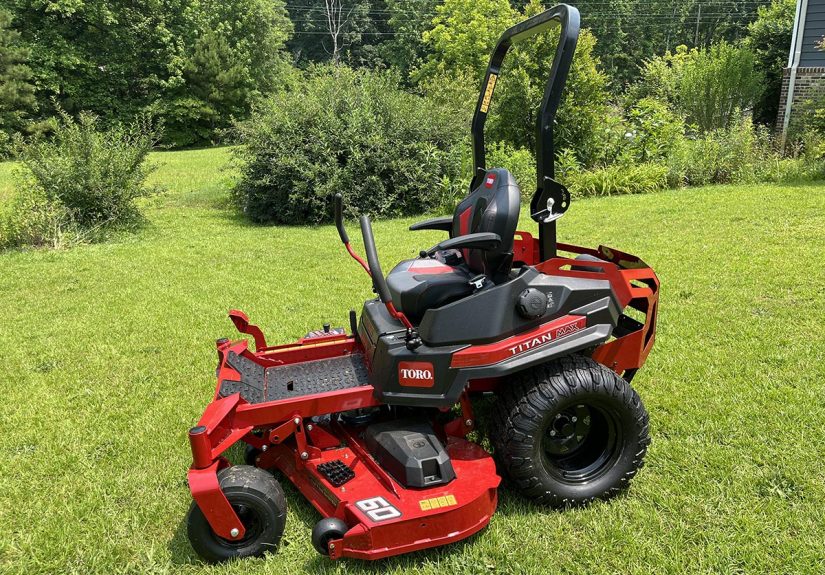
9) Lawn Mower Racing
Lawn mower racing is the perfect sport for people who enjoy motorsports but also enjoy confusing strangers at the hardware store.
Organized mower racing leagues have rulebooks, classes, safety requirements, and membership expectations. In some rule sets,
racers must follow age requirements, pit safety rules, and equipment standards designed to keep “funny” from becoming “emergency room.”
Why you could win
Many newcomers focus on speed alone. Winners focus on consistency: smooth cornering, reliable setup, and not panicking in traffic.
If you treat it like a real racing disciplinelines, braking points, throttle controlyou’ll move up quickly.
How to start training
- Start with a beginner-friendly class and learn the safety rules like they’re sacred text.
- Invest in protective gear and a properly maintained machine before chasing performance upgrades.
- Practice handling: tight turns, controlled acceleration, and predictable braking.
10) Competitive Paper Airplanes
Paper airplane competitions are wonderfully pure: one sheet of paper, no engines, and an intense desire to prove your fold is superior.
Major contests often have categories like longest distance, longest airtime, and aerobatics. Rules commonly restrict materials and
require planes to be made from a single piece of papermeaning the real advantage comes from design choices and throwing technique.
Why you could win
Paper airplanes reward learnable mechanics. Small improvements in grip, release angle, wrist snap, and nose weight distribution
can dramatically change performance. Also, most people do not practice their throws, which is your sneaky shortcut to dominance.
How to start training
- Build three “families” of planes: gliders (airtime), darts (distance), and trick models (aerobatics).
- Throw indoors to remove wind as a variable, then test outdoors for real-world adjustment.
- Log results like a scientist: design, paper type, throw style, and outcomes.
Extra: of Real-World “What It’s Like” Experience (So You Know What You’re Signing Up For)
Trying a strange hobby for the first time feels a lot like walking into a party where everyone already knows the inside jokes
except the jokes are about worm vibration techniques and whether your pumpkin counts as “pie.” The good news: niche hobby people are
usually delighted to explain everything, because they’ve spent years being politely tolerated by friends who do not want to hear
another sentence about optimal sling angles.
Expect your first few sessions to be humbling in very specific ways. With air guitar, you’ll realize you either love performing
or you’ve been quietly afraid of performing your whole life. The fastest improvement comes when you stop “doing moves” and start
telling a tiny story: you enter, you struggle, you triumph, you destroy an invisible amp, you bow. It’s theater with better guitar
faces. And yes, you will accidentally whack your coffee table at least once. Consider it a rite of passage.
Worm charming and duck calling both teach the same lesson: your body is an instrument, and your ego is not invited to practice.
With worm charming, the ground won’t reward frantic effort. The moment you settle into a steady rhythmtap, pause, listen, repeat
you start noticing patterns (soil dampness, shaded areas, timing). Duck calling is similar: once you focus on clean airflow and tone,
you stop chasing volume and start sounding “right.” In both hobbies, recording yourself is the quickest way to level up, and also
the quickest way to lose your confidence for five minutes. That’s normal. Keep going.
The pumpkin-based hobbies are where logistics becomes half the sport. Punkin chunkin teams learn fast that a tiny mechanical tweak can add
huge distanceor turn a perfect launch into a pumpkin confetti event. Pumpkin regattas teach balance and calm: panicking makes the boat wobble,
wobbling invites water, and water invites the crowd to cheer at your misfortune with genuine affection. If you can stay relaxed and paddle
efficiently, you’ll look like a wizard among people who are mostly just trying not to sink while dressed as Elvis.
Dog surfing and underwater pumpkin carving share a surprisingly wholesome vibe. The best teams are patient, safety-minded, and proud of small wins.
In dog surfing, a confident stance for two seconds is progress; in underwater carving, a simple design completed cleanly is a triumph. You learn
to respect the environment: waves don’t care about your schedule, and water will humble any plan that isn’t built for reality.
Lawn mower racing and paper airplanes, meanwhile, scratch the “tinker and test” itch. You’ll find yourself thinking in variables:
tire pressure, line choice, throttle timing; nose angle, wing loading, release height. It’s playful engineering. And when you finally nail a run
the mower corners smoothly, the paper plane floats longer than it has any right toyou get that pure, ridiculous joy that makes all hobbies worth it:
the feeling that you just learned something real, even if the thing you learned is “how to drive a mower like it owes you money.”
The secret thread tying all ten hobbies together is this: champions aren’t always the most talented. They’re the ones who show up again.
If you can be consistent, curious, and willing to laugh at yourself, you’ll be shocked how far you can gopossibly measured in yards, seconds,
or the number of worms you charmed out of the earth like a tiny underground orchestra.