Table of Contents >> Show >> Hide
- What Is a Medical Alert System?
- Why Medical Alert Systems Matter
- Are Medical Alert Systems Worth the Cost?
- What Research Says About Medical Alert Systems
- Medical Alert System Reviews: What Buyers Usually Like
- Medical Alert System Reviews: Common Complaints
- Key Features to Compare Before Buying
- Does Medicare Cover Medical Alert Systems?
- Safety and Scam Warnings
- Best Use Cases: Who Benefits Most?
- How to Choose the Right Medical Alert System
- Real-Life Experience: What Using a Medical Alert System Feels Like
- Final Verdict: Are Medical Alert Systems Worth It?
Medical alert systems are one of those products people hope they never need, like a fire extinguisher, a spare tire, or the ability to say “I told you so” with restraint. But for many older adults, caregivers, people with chronic conditions, and anyone living alone, a medical alert device can be more than a gadget. It can be a direct line to help when seconds feel like soup.
The big question is simple: Are medical alert systems worth it? The honest answer is: they can be very worth it for the right person, but they are not magic necklaces, miracle watches, or substitutes for medical care, fall prevention, or common sense. The best medical alert systems offer fast emergency response, fall detection options, GPS location tracking, caregiver tools, and 24/7 monitoring. The worst ones come with confusing fees, weak coverage, uncomfortable devices, and cancellation policies that make you want to call for help for an entirely different reason.
This research-based review breaks down how medical alert systems work, who benefits most, what they cost, what real reviews tend to praise or criticize, and how to decide whether buying one is a smart investment or just another monthly subscription quietly nibbling your budget like a raccoon in the pantry.
What Is a Medical Alert System?
A medical alert system, sometimes called a personal emergency response system or PERS, is a device that lets a user contact help quickly during an emergency. Traditional systems include a wearable help button, usually worn as a pendant, wristband, or clip-on device, connected to an in-home base station. Modern systems may use cellular service, GPS tracking, mobile apps, fall detection sensors, or smartwatch-style designs.
Most systems connect to a 24/7 monitoring center. When the user presses the button, a trained operator speaks with them through the device or base station, assesses the situation, and contacts emergency services, family members, neighbors, or caregivers. Some unmonitored systems simply call preset contacts or 911 directly.
Common Types of Medical Alert Systems
In-home landline systems work through a traditional phone line and are often the most affordable option. They are best for people who spend most of their time at home.
In-home cellular systems use a built-in cellular connection instead of a landline. These are useful for households that no longer have a traditional phone service.
Mobile medical alert devices work outside the home using cellular networks and often include GPS. These are better for active users who go shopping, walk outdoors, visit friends, or insist that “I’m just going to the mailbox” means a half-hour neighborhood expedition.
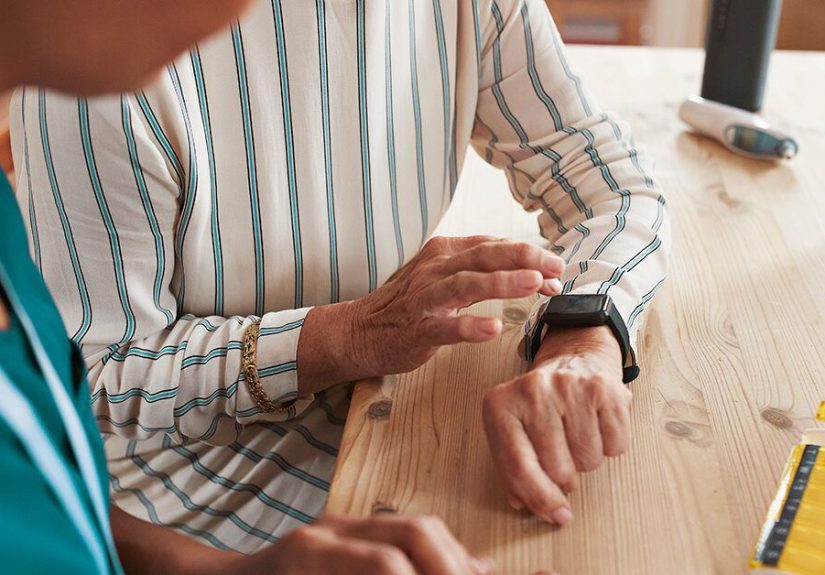
Medical alert smartwatches look more discreet and may include step tracking, location sharing, or health-related features. They are popular with users who do not want a device that screams, “I am wearing emergency equipment.”
Fall detection devices use sensors to identify movement patterns that may indicate a fall. If the device detects a fall, it can automatically contact the monitoring center. However, fall detection is not perfect. It may miss some falls or trigger false alarms, so it should be viewed as a helpful backup, not a superhero cape.
Why Medical Alert Systems Matter
Falls are a major concern for older adults in the United States. Many adults over 65 experience falls each year, and fall-related injuries can lead to fractures, hospitalization, loss of independence, and long recovery periods. The scary part is not only the fall itself. It is what happens afterward: being unable to get up, reach a phone, call a neighbor, or explain where you are.
A medical alert system helps close that gap. It does not prevent every fall, stroke, dizzy spell, medication reaction, or household accident. But it can reduce the time between an emergency and help arriving. For people who live alone, that faster connection can make the difference between a manageable incident and a dangerous delay.
Medical alert systems are also valuable for peace of mind. Family caregivers cannot watch a loved one every minute, unless they have figured out cloning, which remains rude, expensive, and not currently covered by insurance. A reliable alert system gives caregivers another layer of safety without hovering over the user’s life like a worried drone.
Are Medical Alert Systems Worth the Cost?
For many households, yes. Medical alert systems are often worth it when the user has a higher risk of falls, lives alone, has mobility issues, manages chronic illness, takes medications that may cause dizziness, or wants to age in place safely. They may also be worthwhile for people recovering from surgery or anyone with a condition that could require urgent help.
Costs vary widely. Basic monitored in-home systems may start around the lower end of monthly subscription pricing, while mobile GPS systems, smartwatches, fall detection, caregiver apps, and premium features can raise the monthly bill. Fall detection is commonly an add-on fee. Some providers also charge equipment, activation, shipping, cancellation, or replacement fees.
The best way to judge value is not only by monthly price. A cheap device that the user hates wearing is not a bargain; it is a tiny paperweight with commitment issues. A more expensive system may be worth it if it has better range, faster response times, reliable cellular coverage, comfortable design, strong battery life, and clear customer service.
When a Medical Alert System Is Usually Worth It
- The person lives alone or spends long hours alone.
- They have fallen before or are afraid of falling.
- They use a cane, walker, wheelchair, or mobility aid.
- They have balance problems, vision issues, neuropathy, Parkinson’s disease, heart conditions, diabetes, or other health concerns.
- They take medications that may cause dizziness, fainting, confusion, or low blood pressure.
- They want to age in place and avoid moving to assisted living prematurely.
- Family caregivers need reassurance without constant check-in calls.
When It May Not Be Worth It
A medical alert system may not be worth the money if the user refuses to wear it, lives with someone who is always available, has reliable access to a phone at all times, or only wants it because a salesperson applied pressure. It may also be unnecessary if the person already uses a smartwatch or mobile device with emergency features and is comfortable keeping it charged and worn consistently.
That said, smartphones are not always enough. Phones are often left on counters, inside purses, under couch cushions, or in that mysterious place where socks and reading glasses go to retire. A wearable emergency button is useful because it stays on the body, including in high-risk areas like bathrooms, stairs, kitchens, and bedrooms.
What Research Says About Medical Alert Systems
Research on medical alert systems shows a practical theme: these devices are most helpful when they are worn consistently, easy to use, and matched to the user’s lifestyle. They are not mainly about fancy features. They are about fast access to help.
Fall detection research also shows both promise and limitations. Sensors can detect certain fall patterns, especially sudden impacts followed by stillness. But real-life falls are messy. A person may slide slowly from a chair, collapse without a dramatic impact, or fall in a way that the sensor does not recognize. False alarms can happen when a device is dropped, bumped, or moved suddenly. The technology is improving, but buyers should not assume “fall detection” means “detects every fall with perfect accuracy.”
Another important research point is user acceptance. A device must feel comfortable, simple, and dignified. If the wearer feels embarrassed or annoyed, they may leave it on the nightstand. A medical alert system only works if it is actually worn. In other words, the best device is not the one with the longest feature list; it is the one the person will use every day without declaring war on it.
Medical Alert System Reviews: What Buyers Usually Like
Across medical alert system reviews, users and caregivers often praise the same core benefits: quick response, simple setup, peace of mind, and friendly monitoring staff. Many people like that a button press can connect them to a real person rather than a maze of automated menus. In an emergency, nobody wants to hear, “For falls, press 1. For chest pain, press 2. For existential dread, please remain on the line.”
Reviewers also appreciate waterproof or water-resistant help buttons. Bathrooms are one of the most common places for slips and falls, so a shower-safe device can be extremely important. GPS tracking is another popular feature for active users and for people with memory concerns, though it should be handled respectfully and with privacy in mind.
Caregiver apps can also add value. Some systems let family members check device status, battery level, location, call history, or activity patterns. These features help caregivers know whether the system is working and whether the user is staying active.
Medical Alert System Reviews: Common Complaints
The most common complaints involve hidden fees, confusing billing, difficult cancellation, weak customer service, poor cellular coverage, short battery life, and devices that feel bulky or unattractive. Some users report frustration with fall detection false alarms, while others are disappointed when fall detection fails to activate during a real fall.
Another complaint is range. In-home systems usually advertise a coverage range from the base station, but real-world performance can be affected by walls, floors, building materials, and layout. A device that works beautifully in a small apartment may struggle in a large house, garage, basement, or backyard.
Buyers should test the device in every important location: bedroom, bathroom, kitchen, porch, driveway, laundry area, and favorite chair. Yes, test the favorite chair. It is often the command center of the entire household.
Key Features to Compare Before Buying
1. Monitoring Center Quality
Look for 24/7 monitoring, clear response protocols, multilingual support if needed, and good customer reviews. Response time matters, but consistency matters too. The operator should be able to speak clearly, confirm the user’s needs, and contact the right help quickly.
2. Fall Detection
Fall detection is worth considering for people at higher fall risk, especially if they may be unable to press the button after a fall. However, it should not replace pressing the help button when possible. It is best viewed as a backup feature.
3. GPS and Location Tracking
GPS is important for mobile users. If someone has an emergency away from home, the monitoring center needs to know where to send help. GPS can also reassure caregivers when a loved one is active outside the house.
4. Battery Life
Battery life can make or break the experience. In-home pendants may last months or years before replacement, while mobile devices and smartwatches may need charging every few days or even daily. Choose a charging routine the user can realistically follow.
5. Comfort and Design
If the user dislikes the device, they will not wear it. Consider weight, size, strap material, necklace length, button sensitivity, and whether the device looks discreet enough for the wearer’s comfort.
6. Water Resistance
A bathroom-safe device is highly recommended. Many falls happen near showers, tubs, and toilets, which are basically obstacle courses designed by slippery tiles with a grudge.
7. Contracts and Fees
Before signing up, ask about activation fees, equipment fees, shipping, cancellation, trial periods, replacement charges, lock-in contracts, and price increases. A reputable company should explain costs clearly.
Does Medicare Cover Medical Alert Systems?
Original Medicare generally does not cover medical alert systems. Some Medicare Advantage plans may offer coverage, discounts, or related supplemental benefits, but coverage varies by plan and location. Medicaid waiver programs may help in some states, especially through home- and community-based services. Veterans, local aging agencies, nonprofit programs, or long-term care benefits may also provide assistance in certain cases.
Because coverage rules change, users should check directly with their Medicare Advantage plan, Medicaid office, Area Agency on Aging, or benefits counselor. Do not assume a device is covered just because a salesperson says, “Many people qualify.” That sentence can hide more fog than a haunted lighthouse.
Safety and Scam Warnings
Medical alert systems are legitimate products, but the market has attracted scams and aggressive sales tactics. Be cautious of robocalls, “free device” claims, fake invoices, pressure to act immediately, or callers who already seem to know personal information. Never give Medicare numbers, Social Security numbers, or banking details to an unsolicited caller.
Choose companies with transparent pricing, accessible customer support, written cancellation policies, and a reasonable trial period. Read recent customer reviews, but do not rely only on star ratings. Look for patterns. One angry review may be noise; 200 reviews about billing problems are a marching band.
Best Use Cases: Who Benefits Most?
Older adults aging in place: A medical alert system can support independence while giving family members confidence that help is reachable.
People with fall history: Anyone who has fallen once is often more concerned about falling again. A device with fall detection and a waterproof button may be especially helpful.
People with chronic conditions: Conditions that can cause dizziness, fainting, weakness, confusion, or sudden symptoms may make emergency access more important.
Caregivers who live far away: Adult children and relatives who cannot visit daily may appreciate monitoring features and emergency notifications.
Active seniors: Mobile systems with GPS are useful for people who walk, shop, garden, travel locally, or leave home regularly.
How to Choose the Right Medical Alert System
Start with lifestyle, not brand name. Ask where the person spends time, whether they leave home often, whether they would wear a pendant or prefer a watch, whether cellular coverage is strong in the area, and whether fall detection is needed.
Next, compare total cost. Monthly monitoring is only part of the bill. Add fall detection, equipment charges, activation fees, shipping, accessories, and replacement policies. A system advertised as inexpensive may become less impressive once the extras show up wearing tap shoes.
Finally, test the system immediately. Press the button, speak with the monitoring center, check sound quality, test range, confirm caregiver contacts, and practice what to say during an emergency. The first test should not happen during a real crisis.
Real-Life Experience: What Using a Medical Alert System Feels Like
Imagine an older adult named Carol. Carol is 78, lives alone, has a cheerful kitchen, two stubborn knees, and a cat who believes every hallway is a racetrack. Her daughter visits twice a week, but Carol values her independence. She does not want someone calling every hour to ask, “Are you alive?” because, frankly, that gets old by breakfast.
Carol chooses a cellular in-home medical alert system with a waterproof pendant and optional fall detection. At first, she feels awkward wearing it. The pendant looks slightly more medical than fashionable, and she jokes that it does not match her earrings. But after a week, it becomes part of her routine, like putting on glasses or checking whether the cat has judged her outfit.
The first real benefit is emotional. Carol feels more confident taking a shower, walking to the laundry room, and going into the backyard. Her daughter stops making nervous “just checking” calls during every thunderstorm. The system does not remove risk, but it lowers the background anxiety that had been humming in the family like an old refrigerator.
Then comes the practical test. One afternoon, Carol gets dizzy while reaching for a mixing bowl. She does not fall, but she feels weak enough to sit on the floor. Her phone is on the counter. Instead of trying to stand too quickly, she presses the pendant. The monitoring center answers, asks whether she needs emergency services, and contacts her daughter. Carol ends up being evaluated for a medication issue. The device did not perform a miracle; it simply helped her avoid turning a small crisis into a bigger one.
Now imagine another user, James, who buys a medical alert smartwatch because his children insist. James likes walking around the neighborhood and refuses to wear a pendant because he says it makes him feel “like a museum exhibit.” The watch is a better fit. It has GPS, looks normal, and lets him call for help away from home. However, he has to remember to charge it. After two dead-battery mornings, his family sets up a charging station beside his toothbrush. Problem solved, because even independent people usually brush their teeth.
These experiences show the real lesson: the best medical alert system is personal. It must match the user’s habits, pride, mobility, home layout, and willingness to wear the device. A pendant may be perfect for one person and unacceptable for another. A smartwatch may feel modern and discreet, but only if the user can manage charging. Fall detection may be reassuring, but it should not create false confidence. The device is a safety tool, not a babysitter.
Caregivers also learn to adjust expectations. A medical alert system does not replace home safety improvements. Rugs still need gripping pads. Stairs still need railings. Bathrooms still need grab bars. Medications still need review. Vision checks, exercise, hydration, and good lighting still matter. The alert button is the backup plan when prevention is not enough.
For many families, the most meaningful benefit is not dramatic. It is quieter. It is the older adult who feels comfortable staying in their own home. It is the daughter who sleeps better. It is the son who stops panicking when a call goes unanswered for eight minutes. It is the user who says, “I probably won’t need this,” while secretly feeling glad it is there.
That is what makes medical alert systems worth considering. They are not glamorous. They will not make toast, fold laundry, or convince the cat to stop sprinting at 3 a.m. But when chosen carefully and used consistently, they can provide fast access to help, support aging in place, and give families a practical safety net.
Final Verdict: Are Medical Alert Systems Worth It?
Medical alert systems are worth it for many older adults, especially those who live alone, have fall risks, manage chronic health conditions, or want to remain independent at home. They are also valuable for caregivers who need a reliable emergency plan without turning family life into a surveillance operation.
The smartest purchase is not necessarily the most expensive system. It is the system the user will wear, understand, and maintain. Look for reliable monitoring, comfortable design, strong coverage, waterproof protection, reasonable fees, and clear cancellation terms. Add fall detection and GPS when the user’s lifestyle and risk level justify the extra cost.
Medical alert systems are not perfect, and they cannot prevent every emergency. But they can shorten response time, reduce fear, and help people live with more confidence. In the world of aging-in-place tools, that combination is genuinely valuable. Peace of mind may not come in a box, but sometimes it does arrive with a help button.