Table of Contents >> Show >> Hide
- Why Artisanal Porcelain Feels Made for Summer
- What Makes Porcelain “Artisanal” Anyway?
- How to Choose the Right Artisanal Porcelain for a Summer Table
- Best Summer Styling Ideas for an Artisanal Porcelain Table
- How to Set the Summer Table Without Overdoing It
- Food Pairings That Make Artisanal Porcelain Look Even Better
- Caring for Artisanal Porcelain So It Lasts Beyond One Very Impressive Summer
- Common Mistakes to Avoid
- Why Artisanal Porcelain Is Worth It
- Summer Table Experiences: Living With Artisanal Porcelain
- Conclusion
Summer entertaining has a special kind of magic. The ice clinks louder, the tomatoes taste smugly better, and even a Tuesday night dinner can pretend it is a tiny vacation. That is exactly why artisanal porcelain for the summer table feels so right. It brings beauty without the stiffness, elegance without the “please don’t touch that” energy, and craftsmanship without turning dinner into a museum tour.
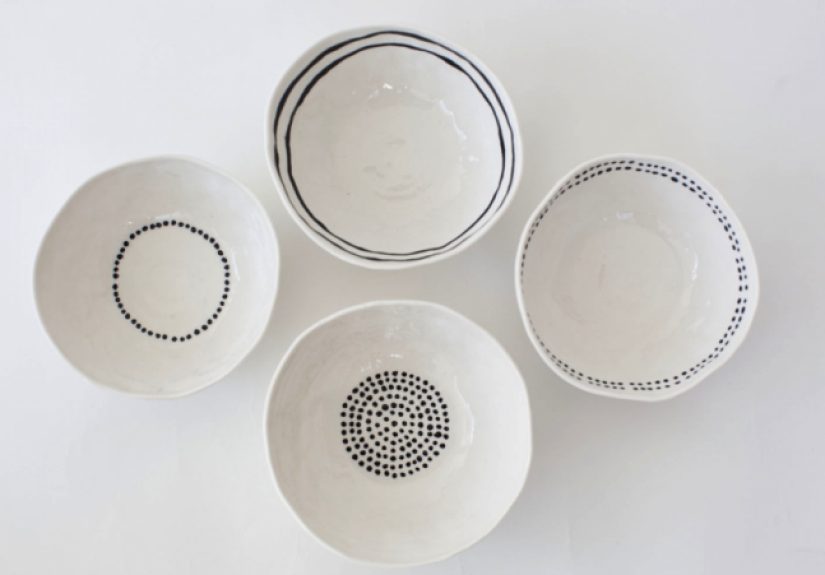
Porcelain has long been loved for its refined look, smooth finish, and surprising practicality. Many modern porcelain collections are durable enough for everyday use, which makes them especially appealing for summer meals that move from kitchen to patio to dessert round two without a fuss. When that porcelain is artisanal, you get something extra: subtle variations in glaze, hand-finished rims, softly irregular shapes, and the kind of character that makes a table feel lived-in rather than staged by a robot with a ruler.
This is the charm of the summer table today. It is not about making every fork line up like it is reporting for duty. It is about layering texture, mixing natural materials, using color with confidence, and letting handcrafted pieces do some of the storytelling. In other words, your dinnerware should look as if it has opinions. Good opinions.
Why Artisanal Porcelain Feels Made for Summer
Summer tables are usually lighter, breezier, and more relaxed than holiday tables. You are working with daylight, fresh produce, chilled drinks, and often a more casual flow of people who wander in, snack, disappear, and somehow return exactly when dessert arrives. Artisanal porcelain fits that rhythm beautifully.
First, it has visual softness. Handmade or hand-finished porcelain often features gently uneven edges, painterly glazes, or nuanced color variation. That softness works wonderfully with summer’s less formal mood. Crisp white porcelain looks fresh and clean, while tinted porcelain in sea-glass blue, sandy beige, sage, buttercream, or blush can echo coastal and garden-inspired palettes without shouting over the meal.
Second, artisanal porcelain plays well with contrast. Summer tables look best when they do not feel too shiny or too precious. Porcelain can bring polish, then rattan chargers, linen napkins, woven placemats, wood serving boards, or handblown glasses can add warmth and texture. The result is a table that says, “Yes, I made an effort,” but not, “Please admire my spreadsheet.”
Third, porcelain is wonderfully food-friendly. Summer menus are colorful: watermelon, grilled peaches, heirloom tomatoes, corn salad, lemon desserts, herbs everywhere. Porcelain provides a clean backdrop that makes those ingredients look more vibrant. A juicy tomato salad on a milky white handmade plate? Cinematic. A scoop of berry pavlova in a softly glazed porcelain bowl? Practically a standing ovation.
What Makes Porcelain “Artisanal” Anyway?
The word artisanal gets tossed around a lot, usually just before someone tries to charge you $19 for toast. But with porcelain, it actually means something. Artisanal porcelain generally refers to pieces made with a strong emphasis on craftsmanship, design detail, and small-batch or hand-finished production.
Signs you are looking at artisanal porcelain
You might notice slightly organic silhouettes rather than perfectly identical factory lines. You may see hand-applied glazes, brushwork, speckling, subtle texture, or a finish that changes a bit from piece to piece. Some pieces are hand-thrown, some are slip-cast and then hand-finished, and others are produced in small workshops where the final details are still done by people with actual hands rather than by a machine with no soul.
That individuality is part of the appeal. A handmade-looking porcelain plate does not need to match every other plate like a clone army. In fact, a little variation is the point. It gives the table movement, depth, and that quietly luxurious sense that someone actually cared while making it.
How to Choose the Right Artisanal Porcelain for a Summer Table
Start with color
If you want maximum flexibility, begin with off-white, warm white, ivory, or pale gray porcelain. These shades work with nearly every summer palette, from nautical blue-and-white to citrus brights to earthy garden greens. If you want more personality, look for accent pieces in sage, sky blue, faded coral, pale yellow, or painterly floral motifs.
A smart strategy is to keep dinner plates fairly neutral and use smaller pieces for flair. Salad plates, dessert plates, serving bowls, and platters are where you can flirt with pattern, color, or hand-painted detail without overwhelming the table.
Think in layers, not matching sets
Summer tables tend to look more interesting when they feel collected. Instead of buying one perfectly coordinated set and calling it a day, mix pieces with intention. Pair porcelain dinner plates with patterned salad plates. Use coupe bowls beside rimmed plates. Add a serving platter in a different glaze family but similar mood. This layered approach feels more artisanal and less showroom.
Choose shapes that support the menu
A summer menu usually includes salads, grilled proteins, fruit-forward desserts, and shareable sides. Wide dinner plates are ideal for composed meals, shallow bowls are excellent for pastas and grain salads, and generously sized platters make grilled vegetables look like they belong in a magazine spread. Oval platters, low bowls, and small condiment dishes are the secret weapons of relaxed summer entertaining.
Check practical details
Beauty matters, but so does surviving dinner. Look at whether the porcelain is suitable for daily use, dishwasher-safe, and microwave-safe when needed. Also pay attention to metallic trims or decorative finishes that may require gentler care. Summer hosting is delightful, but nobody wants to hand-wash twenty-three plates while wearing bug spray.
Best Summer Styling Ideas for an Artisanal Porcelain Table
1. The coastal quiet-luxury table
Use matte or glossy white porcelain with pale blue napkins, woven chargers, clear or sea-tinted glassware, and a low arrangement of greenery. Add lemons in a bowl or a striped runner. This style feels crisp, fresh, and breezy without becoming a seashell explosion.
2. The garden-party table
Choose porcelain with soft botanical detail or subtle green undertones. Layer in floral napkins, bud vases, herbs in small pots, and plenty of candlelight for evening meals. The beauty here comes from repetition: green glass, green stems, green leaves, then porcelain that calms the whole thing down.
3. The rustic-modern farmhouse table
Try creamy artisanal porcelain with linen runners, wood boards, ceramic pitchers, and wildflowers that look as though they were gathered on purpose but not too much on purpose. This is an ideal style for outdoor dinners with grilled corn, roasted chicken, peach salad, and guests who insist they will “just stay for one drink.”
4. The playful color-pop table
Neutral porcelain gives you permission to have fun elsewhere. Add tomato-red napkins, citron candles, cobalt glasses, or patterned dessert plates. Summer can handle color. Summer practically begs for it.
How to Set the Summer Table Without Overdoing It
The most successful summer tables usually follow one simple rule: keep the base elegant and the mood easy. Start with a cloth or runner in linen or cotton. Add placemats or chargers if you want extra texture. Stack dinner plate, salad plate, or bowl depending on the menu. Fold napkins simply. Use centerpieces low enough that people can actually see one another. Revolutionary, I know.
When using artisanal porcelain, let the dinnerware breathe. Do not crowd every inch of the table with decorative objects. The handmade details deserve a little negative space. A few flowers, candles, and fruit can be enough. Summer entertaining is not improved by making guests move three vases just to find the salt.
Lighting matters too. Porcelain is especially beautiful in natural light and candlelight because its surface catches glow in a subtle way. If you are dining outside, let the table shine through sunset and into evening with lanterns, cordless lamps, or simple tapers in ceramic holders.
Food Pairings That Make Artisanal Porcelain Look Even Better
Good dinnerware does not merely hold food. It frames it. Artisanal porcelain looks especially stunning with summer dishes that bring contrast in color, texture, and shape.
Great matches include:
Tomato and burrata salad: The reds, whites, and green herbs pop against soft white porcelain.
Grilled fish with lemon: Pale porcelain highlights the delicate color of the fish and citrus garnish.
Stone-fruit desserts: Peaches, plums, cherries, and apricots look rich and painterly on handmade dessert plates.
Pasta in shallow bowls: Porcelain coupe bowls make even a simple lemon pasta feel restaurant-worthy.
Shared side dishes: Corn salad, roasted zucchini, marinated beans, and berry compote all look more abundant in artisanal serving bowls.
If you want the table to feel cohesive, echo your menu colors in the styling. A meal with peaches and basil pairs beautifully with soft green napkins. A seafood dinner loves pale blue accents. A tomato-heavy menu can handle warm neutrals and red details. Basically, let your groceries become your interior designers.
Caring for Artisanal Porcelain So It Lasts Beyond One Very Impressive Summer
One of the best things about modern porcelain is that it often combines elegance with practicality. Still, artisanal pieces deserve some common sense. Always check the maker’s care instructions, especially if the design includes metallic trim, highly textured finishes, or hand-painted decoration.
In general, avoid sudden temperature changes. A piece that goes from refrigerator-cold to oven-hot may not appreciate the drama. When stacking plates, consider soft separators if the glaze is delicate or if you are storing them tightly. In the dishwasher, avoid overcrowding so pieces do not knock together and chip. For hand-washing, use mild soap and skip abrasive scrubbers. Your porcelain is dinnerware, not a cast-iron grill grate.
For summer hosting, it is also wise to think ahead about serving conditions. Outdoor meals can mean uneven surfaces, children, enthusiastic adults, and the occasional rogue gust of wind. Use stable stacking, place serving pieces where they will not be bumped, and save your most delicate heirloom-style pieces for calmer occasions if needed.
Common Mistakes to Avoid
Making everything too matching
Artisanal porcelain shines when the table feels layered and personal. A little variety creates charm. Too much sameness can flatten the look.
Using centerpieces that are too tall
Yes, giant flowers are pretty. They are less pretty when guests have to lean like detectives to see one another. Keep arrangements low and relaxed.
Ignoring texture
Porcelain alone can look elegant, but summer tables become more memorable when paired with linen, wicker, wood, cane, or glass. Texture is what makes the setting feel complete.
Choosing style over function
If your plates are gorgeous but too small for dinner, or your bowls are so shallow that pasta escapes at first twirl, the table will feel frustrating instead of luxurious. Summer entertaining should be effortless enough that you still get to sit down.
Why Artisanal Porcelain Is Worth It
There is something deeply satisfying about serving a seasonal meal on pieces that feel considered. Artisanal porcelain has a human quality that mass-market dinnerware often lacks. Even when the design is simple, it carries evidence of touch, process, and intention. That matters. It changes the rhythm of the meal. Guests notice it. You notice it. The table feels less disposable and more memorable.
And that is really what summer entertaining is about. Not perfection. Not performance. Memory. The plate holding grilled peaches. The bowl passing around cherry tomatoes. The dessert dish with the last spoonful of fool or cobbler. The tiny chip of candlelight caught on glazed porcelain while everyone lingers long after the plates are technically empty. That is the good stuff.
Summer Table Experiences: Living With Artisanal Porcelain
The most convincing argument for artisanal porcelain is not found in a catalog. It is found in use. Real use. Slightly chaotic, wonderfully human, occasionally sticky use. The kind of use where someone says, “These plates are beautiful,” while reaching for more grilled bread.
I think that is what people really want from a summer table: not a perfect display, but a scene that feels generous. Artisanal porcelain helps create that feeling because it never looks sterile. Even the cleanest white plate has warmth when the rim is softly irregular or the glaze catches light in a cloudy, handmade way. It feels approachable. It invites people in.
Picture a Saturday lunch on a shaded patio. The table is dressed simply: washed linen runner, a few grocery-store flowers cut short, bowls of peaches, icy glasses sweating politely in the heat. The porcelain is not identical, but it belongs together. A stack of dinner plates in creamy white. Small salad plates with a pale celadon wash. Two serving bowls with gently rippled edges. Nothing is overly decorated, yet everything has personality. The meal instantly feels more special, even if the menu is just grilled shrimp, corn salad, and a lemon tart you absolutely did not make from scratch.
Or imagine a family dinner where the sun is still out at 7:30, the kids are running in and out of the yard, and the adults are pretending not to care that they are also on mosquito patrol. In that setting, artisanal porcelain does something useful: it elevates the table without making it fragile in mood. People relax around it. It has style, but not stiffness. It suggests care rather than control.
That balance matters because summer is not a season of rigid entertaining. It is a season of flexibility. Guests arrive late because traffic was bad. Someone brings an extra friend. A breeze flips one napkin dramatically off the table like it is auditioning for theater. Handmade porcelain fits this kind of occasion because it already carries a little natural unpredictability. It looks better with life happening around it.
There is also a quiet pleasure in building traditions around certain pieces. Maybe you always bring out a wide porcelain platter for tomatoes with basil in July. Maybe the shallow bowls only appear for cold peach soup or seafood pasta. Maybe dessert looks best in those hand-glazed little dishes that somehow make store-bought sorbet seem fancy enough to deserve applause. Over time, these objects become part of the season itself.
That is when artisanal porcelain stops being décor and starts becoming memory equipment. It holds more than food. It holds repetition, ritual, and mood. The clink of serving spoons against porcelain. The look of candlelight on glazed surfaces after sunset. The way a handmade bowl can make even a pile of cherries seem poetic. Summer tables are full of fleeting things: melting ice, cut flowers, ripe fruit, the last fifteen minutes of daylight. Porcelain gives those fleeting things a lasting frame.
And maybe that is the real luxury. Not owning the fanciest dinnerware. Not copying a designer table down to the last napkin fold. Just having pieces that make ordinary summer meals feel meaningful. Plates that turn a salad into an event. Bowls that make people linger. A table that says, without being dramatic about it, that this moment matters.
If that sounds a little romantic for dishware, well, guilty. But summer has always had that effect on people. Give us peaches, candlelight, and a beautiful plate, and suddenly we are all poets with serving utensils.
Conclusion
Artisanal porcelain for the summer table is not simply a design trend. It is a practical, beautiful way to create gatherings that feel fresh, personal, and memorable. The best summer tables combine elegance with ease, and that is exactly where handcrafted or hand-finished porcelain excels. It offers refinement, versatility, and character while pairing beautifully with natural textures, seasonal menus, and relaxed entertaining. Whether you prefer coastal calm, garden-party charm, or a more playful color-forward look, artisanal porcelain gives your table a grounded sense of style that still leaves room for actual fun. Which, frankly, is the dream.
Note: This HTML body is ready for web publishing, written in standard American English, and cleaned of unnecessary placeholder elements.