Table of Contents >> Show >> Hide
- What Is the Aspect Pendant Light?
- Why the Aspect Pendant Light Stands Out
- Best Places to Use an Aspect Pendant Light
- How to Hang and Position the Aspect Pendant Light
- Design Styles That Pair Well With the Aspect Pendant Light
- Aspect Pendant Light for Indoor Plant Care
- Pros and Cons of the Aspect Pendant Light
- How to Style the Aspect Pendant Light Like a Designer
- Who Should Buy an Aspect Pendant Light?
- Buying Tips Before You Choose the Aspect Pendant Light
- Real-Life Experiences With the Aspect Pendant Light
- Conclusion
The Aspect Pendant Light is what happens when a grow light stops dressing like lab equipment and finally gets invited to brunch. Instead of the purple UFO glow many people associate with plant lights, the Aspect brings a clean pendant silhouette, warm white illumination, and enough plant-supporting performance to make a fiddle-leaf fig reconsider its dramatic life choices.
In modern homes, lighting is no longer just about seeing where you dropped your keys. It shapes mood, defines zones, highlights favorite corners, and, in the case of the Aspect pendant-style grow light, helps indoor plants survive places where sunlight is stingier than a toddler guarding snacks. Whether you live in a city apartment, a shaded house, a north-facing room, or a beautifully decorated space where your plants look gorgeous but secretly suffer, the Aspect Pendant Light offers a stylish solution.
This guide explains what the Aspect Pendant Light is, how it works, where it fits best, how to install and style it, and what real-life users should think about before buying. It also includes practical design tips, plant-care insights, and everyday experience notes to help readers decide whether this elegant indoor plant light deserves a spot in their home.
What Is the Aspect Pendant Light?
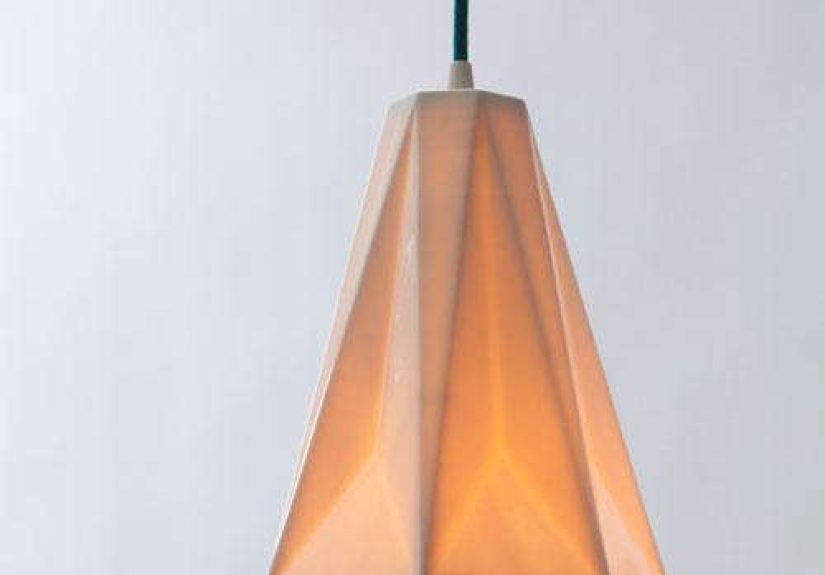
The Aspect Pendant Light is best understood as a design-forward LED grow light built in the form of a modern pendant. Unlike traditional grow lights that often look like they escaped from a greenhouse, this fixture is made to blend into living rooms, kitchens, bedrooms, offices, reading corners, and plant displays.
Its biggest appeal is the combination of two worlds: interior design and indoor gardening. On one side, it behaves like a pendant light, hanging from above and creating a clean focal point. On the other, it provides a photosynthetic light spectrum that supports plant growth. That means your monstera, pothos, philodendron, calathea, herbs, or indoor tree can receive helpful light without forcing your home to look like a science fair project.
Many homeowners and renters want plants in places that do not receive enough natural sunlight. A hallway shelf, a dark office, a corner beside the sofa, or a dining nook may look perfect for greenery, but plants do not survive on compliments. They need usable light. The Aspect Pendant Light helps solve that gap by delivering targeted illumination from above, similar to how sunlight naturally reaches leaves.
Why the Aspect Pendant Light Stands Out
It Looks Like Decor, Not Equipment
The first thing people notice about the Aspect Pendant Light is its appearance. It has the visual language of a premium pendant fixture: simple, sculptural, and intentional. That matters because most people do not want a bulky grow lamp dominating the room like an appliance with trust issues.
Its warm white color temperature also makes it feel more like everyday home lighting. Instead of casting a harsh red-blue glow, the Aspect is designed to feel comfortable in a living space. This is especially useful in open-plan homes where the plant corner is also part of the dining room, office, or entertainment area.
It Supports Plants Where Sunlight Falls Short
Indoor plants often struggle because the human eye overestimates available light. A room may look bright to us but still be too dim for plant growth. Windows, curtains, roof overhangs, neighboring buildings, and seasonal changes can all reduce usable light. The Aspect Pendant Light helps supplement that missing energy.
For plants, the goal is not simply brightness. The light must support photosynthesis. Good LED grow lights are designed to provide wavelengths plants can use, especially in the blue and red portions of the spectrum. The Aspect takes that plant-supporting science and packages it in a fixture that does not ruin the room’s vibe. Very considerate of it.
It Uses Efficient LED Technology
LED lighting is popular because it is efficient, directional, and long lasting. That directional quality is especially useful for pendant grow lights because the fixture can send light downward toward the plant instead of scattering it everywhere. In practical terms, that means more usable light reaches the leaves, while the room stays visually comfortable.
The current Aspect Gen 2 model uses 36 watts, offers in-line dimming from 10% to 100%, and produces a warm 3000K light. This balance makes it useful for indoor plant support while still feeling at home in a designed interior. For many plant owners, that is the sweet spot: enough performance to matter, not so much visual intensity that the living room feels like a vegetable research bunker.
Best Places to Use an Aspect Pendant Light
Living Room Plant Corners
A living room is one of the best locations for an Aspect Pendant Light. Many people place a large plant in an empty corner because it softens the architecture and makes the room feel more alive. Unfortunately, corners are often where sunlight goes to retire. Hanging an Aspect above a statement plant can turn that low-light corner into a real focal point.
For example, place the pendant above a fiddle-leaf fig, bird of paradise, rubber plant, or monstera in a decorative planter. The light creates a gallery-like effect, almost as if the plant is the artwork. The result is both functional and stylish.
Kitchen Herb Stations
If you love the idea of fresh basil, mint, parsley, or thyme in the kitchen, the Aspect Pendant Light can help support an indoor herb area. Herbs usually prefer generous light, and many kitchens do not provide enough of it year-round. A pendant grow light above a small plant stand or counter garden can make the setup more reliable.
Just remember that kitchens already have task lighting, ambient lighting, and sometimes under-cabinet lighting. The Aspect should be placed so it supports plants without blinding the person chopping onions. No herb is worth crying twice.
Home Offices
Plants in a home office can make the workspace feel calmer, warmer, and more personal. The problem is that desks are often placed for outlets, monitors, and Wi-Fi strength, not horticultural excellence. A pendant-style grow light lets you place plants where they look best rather than where the sun happens to cooperate.
For a polished look, hang the Aspect over a slim plant pedestal, a low cabinet, or a cluster of planters near a bookshelf. This creates a styled backdrop for video calls and a more inviting work environment.
Bedrooms and Reading Nooks
The warm appearance of the Aspect Pendant Light makes it more bedroom-friendly than many grow lights. It can work over a plant beside a chair, near a dresser, or in a quiet reading corner. Because light exposure affects both plants and people, use a timer or smart plug so the plant gets a consistent schedule and the bedroom still feels restful in the evening.
How to Hang and Position the Aspect Pendant Light
Start With the Plant, Not the Ceiling
With ordinary pendant lighting, designers often measure from a counter, table, or floor. With a pendant grow light, the plant becomes the key reference point. The light should be close enough to provide useful intensity but not so close that the plant receives excessive heat or visual glare.
Because different plants need different light levels, always consider the plant type. A cactus or citrus tree will generally want more light than a pothos or snake plant. The Aspect is especially helpful for medium- to bright-indirect-light plants that are placed in rooms where natural light is limited.
Keep the Beam Focused
The best setup usually places the Aspect directly above the plant canopy. This creates even coverage and helps prevent plants from leaning toward one side. If the light is too far to the left or right, your plant may begin stretching like it is trying to overhear gossip in the next room.
For larger plants, center the light above the densest part of the foliage. For a group of smaller plants, arrange them in a cluster beneath the beam. Rotate pots occasionally so growth stays balanced.
Use Pendant Design Rules for Visual Comfort
Even though the Aspect is a grow light, it still lives in your home as a pendant fixture. That means basic pendant design rules matter. Avoid hanging it where people walk into it, where it blocks sightlines, or where it competes awkwardly with existing fixtures.
For kitchen islands and counters, pendant lights are often placed about 30 to 36 inches above the surface. For plant displays, the ideal height depends more on the plant’s needs, the light output, and room proportions. The goal is a balance between plant performance and comfortable human living. In other words, your plant should thrive, but your guests should not need sunglasses indoors.
Design Styles That Pair Well With the Aspect Pendant Light
Modern Minimalist
The Aspect Pendant Light works beautifully in minimalist spaces because it has a simple silhouette and avoids visual clutter. Pair it with white walls, natural wood, matte black accents, smooth ceramics, and clean-lined furniture. A single large plant under the pendant can become a calm, sculptural feature.
Scandinavian and Japandi
Scandinavian and Japandi interiors value warmth, natural materials, simplicity, and a sense of calm. The Aspect fits well because it supports greenery without adding a technical look. Use it with woven baskets, light oak furniture, linen textures, neutral paint colors, and plants with graceful shapes.
Urban Apartment Style
Apartment dwellers often face limited sunlight, small rooms, and strict rental rules. The Aspect Pendant Light can help create a dedicated plant zone even in a compact space. When paired with a plant stand, wall-mounted shelf, or decorative pot, it adds both function and atmosphere.
Biophilic Design
Biophilic design focuses on strengthening the connection between indoor spaces and nature. Plants are a major part of that approach, but they need the right conditions to stay healthy. A pendant grow light like the Aspect supports biophilic design by making it easier to place greenery throughout the home, not just near the brightest window.
Aspect Pendant Light for Indoor Plant Care
Match the Light to the Plant
Not all houseplants want the same amount of light. Snake plants, ZZ plants, and pothos can tolerate lower light, though they may grow more slowly. Fiddle-leaf figs, citrus, succulents, herbs, and many flowering plants generally need stronger light. Before placing a plant under the Aspect Pendant Light, check its preferred light range.
A good rule is to watch the plant’s response over several weeks. Healthy new growth, stronger stems, and better leaf color are positive signs. Pale leaves, crispy edges, or stretching may suggest the plant needs adjustment in light distance, watering, humidity, or overall care.
Use a Consistent Schedule
Plants appreciate consistency. A grow light should not run randomly based on whether you remembered to flip a switch after coffee. Many indoor plants do well with a daily lighting schedule, often in the range of 10 to 14 hours depending on species and conditions. Some low-light plants need less, while herbs and high-light plants may need more.
A timer or smart plug makes this simple. Set the Aspect to turn on in the morning and off in the evening. Your plant gets routine. You get one fewer thing to remember. Everyone wins, especially the fern, which has been silently judging your schedule.
Do Not Forget Watering Changes
When plants receive better light, they may grow more actively and use water differently. That does not mean you should automatically water more, but it does mean you should check soil moisture more thoughtfully. More light can lead to faster growth, and faster growth can change watering needs.
Use your finger, a moisture meter, or the weight of the pot to judge when water is needed. Avoid watering on a strict calendar unless the plant has personally signed off on it, which, given the lack of plant handwriting, seems unlikely.
Pros and Cons of the Aspect Pendant Light
Pros
The biggest advantage of the Aspect Pendant Light is its design. It looks like a real decorative fixture, which makes it easier to use in visible living spaces. It also provides plant-supporting light in rooms where natural sunlight is weak or inconsistent.
Another benefit is flexibility. Instead of forcing all your plants onto a crowded windowsill, you can create a plant moment in a hallway, office, bedroom, or living room corner. The pendant format also saves floor and shelf space compared with some standing grow lights.
LED efficiency is another plus. Because LEDs are directional and long lasting, they are well suited for targeted indoor plant lighting. The dimming feature on the current model also gives users more control over brightness and comfort.
Cons
The main drawback is that pendant lights require thoughtful placement. A hanging fixture is less portable than a clip-on lamp or tabletop grow light. If you change your room layout every two months because inspiration struck at midnight, a pendant may require more planning.
Cost can also be a consideration. Design-forward grow lights are usually more expensive than basic grow bulbs. The question is whether you value the fixture as both a plant-care tool and a visible design element. For many people, the answer is yes. For others, a simpler grow bulb may be enough.
Finally, the Aspect is not a magic wand. It supports light needs, but plants still require proper watering, drainage, humidity, temperature, soil, and pest management. A beautiful grow light cannot save a plant from a pot with no drainage hole and a watering routine best described as “chaotic enthusiasm.”
How to Style the Aspect Pendant Light Like a Designer
Create a Plant Moment
Instead of treating the light as a random accessory, design a complete plant moment. Choose a planter that matches your room, add a small side table or pedestal if needed, and keep the surrounding area uncluttered. The pendant should feel intentional, not like it was installed during a decorating sneeze.
Layer It With Other Lighting
Good interiors use layers of light: ambient lighting for overall brightness, task lighting for specific work, and accent lighting for mood or highlights. The Aspect can act as both plant lighting and accent lighting. Pair it with floor lamps, sconces, recessed lights, or table lamps so the room feels balanced.
Match Finishes Thoughtfully
If your room has black hardware, a dark pendant finish may feel cohesive. If your space leans airy and bright, a lighter finish may disappear more gracefully. Consider nearby cabinet pulls, furniture legs, curtain rods, and lamp finishes. Small details create the difference between “designed” and “I bought everything during three unrelated sales.”
Who Should Buy an Aspect Pendant Light?
The Aspect Pendant Light is a strong choice for plant owners who care about both growth and aesthetics. It is especially useful for people with low-light homes, shaded apartments, north-facing windows, winter plant struggles, or rooms where plants look great but fail to thrive.
It is also ideal for design-conscious homeowners who dislike the look of traditional grow lights. If you want your indoor garden to feel like part of the decor, not a temporary greenhouse experiment, the Aspect makes a lot of sense.
However, it may not be the best fit for someone who needs a cheap starter light, wants a fixture that can move from room to room daily, or grows large collections that require broad, high-output coverage. In those cases, grow bars, panels, or multiple bulbs may be more practical.
Buying Tips Before You Choose the Aspect Pendant Light
Measure Your Space First
Before buying, measure the ceiling height, plant height, pot location, and nearby furniture. Make sure the pendant can hang safely and comfortably. If the plant will grow taller over time, leave room for adjustment.
Think About Installation
Some pendant setups require ceiling mounting, while others may use stands or accessory kits depending on the configuration. Renters should check whether drilling is allowed. If not, a stand-based setup may be more attractive.
Plan the Cord Path
Few things ruin a sleek lighting setup faster than a cord doing interpretive dance across the wall. Plan where the cord will go, how it will be secured, and whether cable management accessories are needed.
Choose the Right Plant
The Aspect can support many indoor plants, but results depend on plant type and placement. For a dramatic look, pair it with a statement plant. For practical use, try herbs. For an easy-care setup, choose pothos, philodendron, snake plant, or ZZ plant and adjust gradually.
Real-Life Experiences With the Aspect Pendant Light
Living with an Aspect Pendant Light is different from using a basic grow lamp. The first experience most people notice is visual relief. Instead of setting up a clamp light that makes the room feel temporary, the pendant looks deliberate. It can turn a neglected corner into a feature, which is particularly satisfying if that corner used to host only dust and one mysterious charging cable.
In a real home, the biggest improvement is flexibility. Imagine a living room with one good window already crowded by plants. The windowsill becomes botanical rush hour: pothos vines, tiny succulents, a leaning monstera, and maybe one orchid demanding emotional support. With an Aspect Pendant Light, you can move a favorite plant away from the window and create a separate display. This makes the room feel more balanced and gives each plant more breathing room.
Another common experience is that the light feels more natural than expected. Many people hesitate because they imagine harsh grow-light color. A warm pendant-style fixture changes that expectation. It can glow in a way that feels cozy enough for evening use, especially if dimmed or paired with other warm lighting. Guests may not immediately realize it is a grow light, which is the highest compliment a stylish grow light can receive.
Plant response usually takes patience. The Aspect is not a same-day miracle. You will not hang it on Tuesday and wake up Wednesday to a jungle with parrots. But over several weeks, plants that were stretching, slowing down, or losing vibrancy may begin to look steadier. New leaves may appear more compact, growth may become more even, and the plant may stop leaning desperately toward the nearest window like it is trying to escape.
Daily use also teaches the importance of routine. A timer makes the experience smoother because plants benefit from consistent light cycles. Without a timer, it is easy to forget the light on or off. With one, the Aspect becomes part of the home’s rhythm. It turns on, supports the plant, contributes to the room’s mood, and shuts off before bedtime. Simple, elegant, and much less needy than some houseplants we could name.
The main adjustment is placement. A pendant grow light asks you to think vertically. You need to consider the plant’s mature height, the spread of the leaves, where people walk, and how the fixture lines up with the room. Once it is placed well, however, the setup feels polished. It is the kind of upgrade that makes people say, “Your plant corner looks amazing,” while the plant silently accepts the praise like a celebrity at a red carpet event.
Overall, the Aspect Pendant Light experience is best for people who want plant care to feel integrated into home design. It is not only about keeping plants alive. It is about making greenery feel intentional, comfortable, and beautiful. For anyone tired of choosing between a healthy plant and a stylish room, this fixture offers a very welcome third option.
Conclusion
The Aspect Pendant Light is more than a pretty fixture. It is a smart answer to a common indoor gardening problem: plants need light, but homes do not always provide enough of it where we want plants to live. By combining warm modern design with LED grow-light performance, the Aspect gives homeowners and renters a way to support healthy plants without sacrificing style.
Its best use is not as a random gadget, but as part of a thoughtful plant display. Measure carefully, choose the right plant, use a consistent lighting schedule, and style the surrounding area so the pendant feels like part of the room. Done well, it can transform a dim corner, support a favorite houseplant, and make your home feel more alive.
For design-minded plant lovers, the Aspect Pendant Light is a rare product that understands both sides of the assignment. It helps plants grow, looks good doing it, and does not make your living room look like the produce aisle’s backstage area. That alone deserves applauseand maybe a healthier monstera.