Table of Contents >> Show >> Hide
- Why Tool Storage Matters More Than Most People Think
- Start With a Tool Audit Before Buying More Storage
- Use Modular Tool Storage for Jobsite Flexibility
- Pick the Right Tool Box for the Job
- Organize Small Parts Like a Pro
- Create a Wall Storage System for the Shop or Garage
- Use Foam Inserts and Shadow Boards for High-Value Tools
- Make Transport Easier With Wheels, Handles, and Weight Planning
- Secure Tools in Trucks, Vans, and Trailers
- Protect Power Tools, Batteries, and Chargers
- Label Everything Without Making It Complicated
- Keep Safety Built Into Your Storage System
- Best Tool Storage Ideas by Space
- Common Tool Storage Mistakes to Avoid
- Pro Experience: What Really Works in Daily Tool Storage and Transport
- Conclusion
Every great project begins with optimism, caffeine, and the bold belief that you definitely know where your 10mm socket is. Then reality enters wearing dusty boots: the socket is missing, the drill battery is dead, the tape measure has joined a witness protection program, and the toolbox looks like a raccoon packed it during an earthquake.
That is why smart tool storage is not just about looking organized. It saves time, protects expensive gear, prevents damage, improves jobsite safety, and makes every repair or build feel less like a treasure hunt with splinters. Whether you are a contractor, carpenter, mechanic, electrician, DIY weekend warrior, or homeowner who owns three hammers for reasons no one can explain, the right tool storage and transport system can completely change how you work.
The best tool storage and transport ideas from pros are practical, mobile, durable, and easy to maintain. Professionals do not organize tools to impress social media; they organize tools because minutes matter, missing parts cost money, and a messy jobsite can become unsafe fast. Below are field-tested strategies inspired by professional workshops, garages, jobsites, and modern modular storage systems.
Why Tool Storage Matters More Than Most People Think
Good tool organization is not about perfection. It is about repeatability. When every tool has a clear place, you can find it quickly, return it without thinking, and notice when something is missing before you leave the jobsite.
Pros usually think about tool storage in four ways: access, protection, mobility, and security. A beautiful wall full of tools is useless if you cannot reach the one you need. A portable toolbox is a problem if it dumps screws into one sad metal soup. A rolling chest is great until it cannot handle gravel, stairs, truck beds, or the mysterious curb that appears exactly where your wheels give up.
The goal is simple: build a system that fits your work, not someone else’s Instagram garage. A plumber, mechanic, cabinet installer, landscaper, and homeowner all need different setups. The best storage idea is the one you will actually use every day.
Start With a Tool Audit Before Buying More Storage
Before investing in a new tool chest, modular stack, pegboard wall, or rolling cabinet, take inventory. Lay out your tools by category and be honest. Do you really need seven adjustable wrenches in the same size range? Maybe. Are three of them rusty, sticky, or emotionally retired? Also maybe.
Sort Tools by Frequency of Use
Pros often separate tools into three groups: daily tools, occasional tools, and specialty tools. Daily tools deserve the easiest access. Occasional tools can live in drawers, bins, or labeled cases. Specialty tools should be protected, labeled, and stored where they will not be buried under paint rollers and mystery hardware.
For example, a carpenter might keep a tape measure, pencil, utility knife, speed square, impact driver, bits, and small fasteners in a grab-and-go tool bag. A router, biscuit joiner, or laser level may stay in a protective case until needed. This prevents the daily kit from becoming a traveling junk drawer with shoulder straps.
Remove Duplicates and Broken Tools
Broken tools create clutter and frustration. Keep repairable tools in one labeled area and set a deadline to fix them. If a tool has been waiting for repair since flip phones were cool, it may be time to let it go.
Use Modular Tool Storage for Jobsite Flexibility
Modular tool storage systems have become popular because they solve a classic problem: professionals need tools organized at the shop, secure in the truck, and accessible on the jobsite. Instead of carrying five mismatched boxes, modular systems allow users to stack, lock, roll, and customize boxes by trade or task.
Popular professional-style systems often include rolling bases, drawer units, deep boxes, compact organizers, crate-style bins, and mounting plates. The advantage is flexibility. You can build a stack for electrical work one day, carpentry the next, and emergency repairs when something breaks at the worst possible time, because tools have a dramatic flair.
Build Task-Based Tool Stacks
A smart modular setup is not just “all tools in all boxes.” Pros build task-based stacks. For example:
- Electrical kit: wire strippers, testers, connectors, electrical tape, fish tape, nut drivers, and labeled small parts organizers.
- Carpentry kit: layout tools, nail sets, chisels, clamps, blades, driver bits, fasteners, and compact power tools.
- Plumbing kit: pipe cutters, adjustable wrenches, PEX tools, fittings, sealants, gloves, and towels.
- Mechanic kit: sockets, ratchets, extensions, torque wrench, pliers, magnetic trays, and inspection light.
This method reduces loading time. Instead of wondering what to bring, you grab the right kit and go. It is like meal prep, but with more torque and fewer sad salads.
Choose Drawers When You Need Access Without Unstacking
Traditional stackable boxes are strong, but they can be annoying when the tool you need is in the bottom box. Drawer units solve that problem. They allow access to tools and parts without dismantling the entire tower. For pros working in tight spaces, vans, or garages, drawers can be a major productivity upgrade.
Pick the Right Tool Box for the Job
Not every tool belongs in a giant rolling fortress. Different storage containers have different strengths. The best setups usually combine several types.
Portable Tool Boxes
A portable tool box is ideal for homeowners, small repairs, and light trade work. Look for a sturdy handle, strong latches, enough internal organization, and a design that does not become painfully heavy once loaded. Metal boxes are durable and classic, while high-quality resin boxes can be lighter and weather-resistant.
Tool Bags and Open Totes
Tool bags are perfect for quick service calls and commonly used hand tools. A wide-mouth tote lets you see everything at once, which is helpful when moving room to room. Electricians, HVAC techs, and maintenance pros often like bags because they fit into tight spaces better than rigid boxes.
The downside? Bags can become black holes. Use interior pouches, zipper pockets, and small organizer cases to keep bits, blades, and fasteners under control.
Rolling Tool Chests
A rolling tool chest is a workshop hero. It keeps drawers organized, supports heavy tools, and doubles as a mobile work surface. For garages and mechanic bays, look for smooth drawer slides, deep lower drawers, locking casters, durable construction, and enough weight capacity for sockets, wrenches, and power tools.
Drawer liners are worth using. They reduce sliding, protect tools, and stop your ratchets from forming a percussion band every time you move the chest.
Jobsite Boxes
For construction sites, large lockable jobsite boxes help secure tools overnight and protect gear from weather and rough conditions. Choose heavy-duty construction, weather-resistant seals, strong hinges, and reliable locking points. If the box will stay outside or in a shared space, security matters as much as capacity.
Organize Small Parts Like a Pro
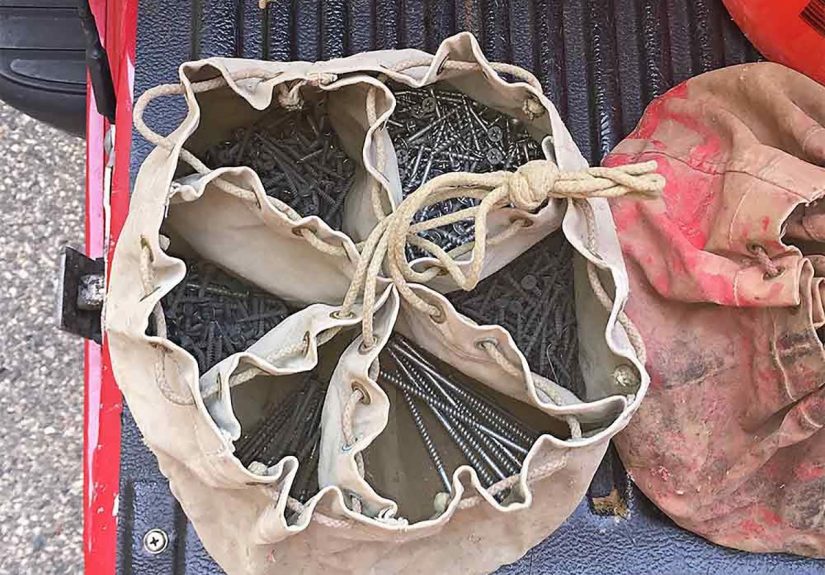
Screws, nails, washers, anchors, wire nuts, blades, driver bits, and fittings are tiny chaos agents. Left loose, they multiply in corners and appear in your shoe at 6 a.m. Pros use small parts organizers because losing time searching for one fastener is a very boring way to lose money.
Use Clear, Labeled Organizers
Clear lids make it easy to see contents without opening every box. Removable bins are even better because you can carry only what you need to the work area. Label each compartment with size and type, such as “1-1/4 in. drywall screws,” “blue wire nuts,” or “1/4 in. washers.”
Keep Consumables Separate From Tools
Fasteners, blades, tape, glue, sandpaper, and batteries should have dedicated storage. Mixing consumables with tools creates clutter and makes inventory difficult. When everything has a category, restocking becomes simple.
Create a Wall Storage System for the Shop or Garage
Wall storage is one of the best tool storage ideas for garages and workshops because it uses vertical space. Pegboards, slat walls, French cleats, magnetic strips, shelves, and hooks all keep tools visible and easy to grab.
Pegboard Works Best for Lightweight Hand Tools
Pegboard is affordable, flexible, and excellent for screwdrivers, pliers, wrenches, scissors, tape measures, and small accessories. For heavier tools, use metal pegboard or reinforced hooks. Outline frequently used tools with marker or labels so missing tools are obvious.
French Cleats Handle Custom Storage
A French cleat wall is a favorite among woodworkers because it is strong and customizable. You can build custom holders for drills, clamps, saws, sanders, chargers, and measuring tools. If your tool collection changes, simply move the holders around.
Magnetic Strips Are Great for Metal Tools
Magnetic strips keep chisels, drill bits, screwdrivers, and small metal hand tools visible. Use them carefully around delicate measuring tools or electronics, and avoid overloading them. When used correctly, they turn empty wall space into instant access.
Use Foam Inserts and Shadow Boards for High-Value Tools
Foam inserts are not just for people who enjoy cutting perfect little tool silhouettes on a Sunday afternoon. They help protect tools, reduce rattling, and make missing items obvious. Mechanics and technicians often use foam drawer inserts for sockets, wrenches, pliers, and precision tools.
Shadow boards work similarly. Each tool has a visible outline or labeled position. This is especially useful in shared shops, mobile service vehicles, and professional environments where tool accountability matters.
Make Transport Easier With Wheels, Handles, and Weight Planning
A storage system that works beautifully in the garage may become a nightmare when loaded into a truck. Transport requires planning. Pros think about terrain, stairs, doorways, truck bed height, and how much weight one person can safely move.
Put Heavy Items Low
Heavy tools should ride low in rolling boxes, carts, and vans. This improves stability and reduces tipping. Batteries, circular saws, grinders, and large socket sets belong near the bottom. Lighter accessories and hand tools can go higher.
Choose Larger Wheels for Rough Jobsites
Small wheels are fine on smooth garage floors. They are less charming on gravel, mud, cords, thresholds, and jobsite debris. For transport across uneven ground, choose rolling tool boxes or carts with large, durable wheels and strong telescoping handles.
Avoid the “One Box to Rule Them All” Problem
One huge box sounds efficient until it weighs as much as a small refrigerator. Divide tools into manageable kits. Your back will thank you, and it writes strongly worded complaints when ignored.
Secure Tools in Trucks, Vans, and Trailers
Tool transport is not just about moving gear; it is about keeping gear from sliding, tipping, breaking, or disappearing. A professional vehicle setup should protect tools while making them easy to access.
Use Shelving and Drawers in Work Vans
Van shelving keeps cases, bins, and parts organized. Drawer units are excellent for hand tools and small components. Use dividers so parts do not migrate during turns. Nothing says “rough morning” like opening a van door and being greeted by a waterfall of fittings.
Strap Down Larger Boxes
In trucks and trailers, use tie-down points, straps, or locking mounts to keep boxes stable. Even rugged storage systems can be damaged if they slide across a bed or slam into other equipment.
Think About Theft Prevention
Pros often use lockable boxes, hidden storage, vehicle alarms, inventory lists, and tool tracking tags. At minimum, keep expensive tools out of sight, lock storage when unattended, and mark tools with identifying information. A tool is easier to recover or prove ownership of when it is documented.
Protect Power Tools, Batteries, and Chargers
Power tools need more care than hand tools. Moisture, dust, heat, and impact can shorten their life. Store drills, saws, grinders, and sanders in cases, drawers, or padded compartments whenever possible.
Keep Batteries in a Dedicated Area
Lithium-ion batteries should be stored away from extreme heat, moisture, and physical damage. Create a battery station with chargers, labeled batteries, and a rotation system. Pros often mark batteries by date or tool platform so weak batteries can be identified before they fail during a project.
Separate Sharp Accessories
Saw blades, router bits, chisels, utility blades, and drill bits should be protected. Use blade cases, bit indexes, sleeves, or divided organizers. Sharp tools stay sharper when they are not clanking into everything like tiny metal cymbals.
Label Everything Without Making It Complicated
Labels are one of the cheapest and most effective tool organization upgrades. Use simple labels on drawers, bins, cases, shelves, and small parts organizers. You do not need a museum-level catalog. You need enough information to find things quickly.
Good labels are specific: “Finish Nails,” “Masonry Bits,” “Electrical Testers,” “Paint Prep,” or “PEX Fittings.” Bad labels are vague: “Stuff,” “More Stuff,” and “Important Stuff,” which is usually where chaos goes to retire.
Keep Safety Built Into Your Storage System
Safe tool storage prevents injuries and damage. Keep sharp tools covered, heavy tools low, cords coiled properly, and power tools unplugged or locked out before adjustments. Store chemicals, fuels, adhesives, and solvents according to their labels and away from sparks, heat, and children.
Inspect tools as you organize. Look for cracked handles, damaged cords, missing guards, dull blades, loose heads, and worn bits. Tool storage is the perfect time to catch problems before they become expensive or dangerous.
Best Tool Storage Ideas by Space
Small Apartment or Condo
Use a compact toolbox, folding workbench, under-bed storage bin, and small parts organizer. Choose versatile tools and avoid buying bulky specialty items unless you truly need them. A tool backpack can also work well because it stores vertically in a closet.
Home Garage
Combine a rolling tool chest, pegboard wall, shelves, labeled bins, and a portable repair kit. Keep household tools near the entrance and specialty tools deeper in the garage. Store lawn and garden tools vertically with wall hooks or PVC-style holders.
Professional Workshop
Use heavy-duty cabinets, drawer organizers, shadow boards, mobile carts, and dedicated stations for cutting, drilling, sanding, and assembly. Keep workflow in mind. Tools should live near the places where they are used most.
Jobsite or Mobile Trade Work
Use modular boxes, rolling bases, tool bags, lockable jobsite boxes, and task-based kits. Prioritize weather resistance, portability, and security. Build each kit around actual daily tasks, not theoretical tool fantasies.
Common Tool Storage Mistakes to Avoid
Buying Storage Before Understanding Your Tools
A giant chest may look impressive, but it might not solve your actual problem. Audit first, buy second. Storage should match your tool collection, available space, and work habits.
Overloading Portable Boxes
If a box is too heavy to move comfortably, it is no longer portable. Split heavy tools into multiple containers or use a rolling system.
Ignoring Small Parts
Many tool storage systems fail because screws, bits, washers, and fittings are not organized. Small parts need dedicated containers with clear labels.
Skipping Maintenance
Even the best storage system gets messy. Schedule a quick reset weekly or monthly. Return tools, restock consumables, charge batteries, and remove trash. Ten minutes of maintenance can prevent an hour of frustration later.
Pro Experience: What Really Works in Daily Tool Storage and Transport
After studying how experienced tradespeople organize tools, one lesson stands out: the best system is boring in the best possible way. It is predictable. It does not require deep thought at the end of a long day. It makes the correct action the easy action.
One practical experience many pros share is the value of a “first-response” tool kit. This is a compact bag or box with the tools needed for 80 percent of small tasks: tape measure, pencil, utility knife, pliers, adjustable wrench, bit set, screwdriver, flashlight, electrical tester, gloves, and a compact drill or driver. Instead of dragging an entire tool chest across the house or jobsite, this kit handles quick fixes and inspections. It also prevents the classic mistake of opening six boxes just to tighten one hinge.
Another useful habit is resetting tools at the end of every job, not the beginning of the next one. Beginning a job with a messy kit creates stress before the work even starts. Pros often take a few minutes before leaving to return tools to their slots, toss trash, note missing supplies, and charge batteries. This simple routine makes the next morning smoother. It is not glamorous, but neither is searching for a charger while a client watches you pretend everything is fine.
For transport, experienced workers know that balance matters. Heavy tools should be packed low and close to wheels. Frequently used items should be near the top or in outer pockets. Delicate tools should not share space with pry bars, hammers, or anything that believes in blunt force. If a toolbox sounds like a drum solo when you roll it, something inside needs padding, dividers, or a better home.
Color coding is another underrated trick. Some pros use colored tape, paint markers, or labels to identify tool categories, battery platforms, crews, or job types. For example, red labels might indicate electrical tools, blue labels plumbing, green labels outdoor work, and yellow labels measuring and layout tools. This helps in shared spaces and makes cleanup faster.
Tool tracking does not have to be high-tech, either. A simple checklist taped inside a lid can prevent expensive losses. For specialty tools, write down what belongs in the kit. Before leaving the jobsite, check the list. This is especially helpful for drill bits, test meters, laser levels, torque tools, and items that like to hide behind lumber.
Pros also learn to respect the difference between shop storage and travel storage. A garage wall can display tools beautifully, but mobile work requires protection. Tools that travel should be secured against vibration, dust, moisture, and impact. That means cases, padded drawers, locking lids, and organizers that actually close. Open bins are useful in the shop, but in a truck they can become confetti machines.
Finally, the most experienced people keep improving their systems. They do not expect perfection on the first try. If a tool keeps ending up on the bench instead of in a drawer, the drawer may be in the wrong place. If a box is always overloaded, the kit needs splitting. If small parts keep mixing together, the organizer needs better dividers. Good tool storage evolves with the work.
Conclusion
The best tool storage and transport ideas from pros are not complicated. Sort your tools, build task-based kits, use modular storage when mobility matters, organize small parts, protect power tools, label clearly, and keep heavy gear stable. Add wall storage for visibility, drawer systems for access, and lockable boxes for security. Most importantly, create a system that matches how you actually work.
A clean tool setup will not magically finish your project, but it will help you start faster, work safer, lose fewer parts, and avoid saying words your neighbors should not hear through the garage wall. Organized tools are not just prettier. They are faster, safer, and a lot less dramatic.