Table of Contents >> Show >> Hide
- What Is Chronic Emphysema?
- What Is Chronic Bronchitis?
- Chronic Emphysema vs. Bronchitis: The Key Differences
- Causes and Risk Factors
- How Doctors Diagnose Emphysema and Chronic Bronchitis
- Treatment for Chronic Emphysema and Bronchitis
- Prognosis: What to Expect Over Time
- Living Better With COPD: Practical Daily Tips
- Patient-Style Experiences: What This Difference Feels Like in Real Life
- Conclusion
Chronic emphysema and chronic bronchitis are often spoken about like two cousins who show up to the same family reunion wearing matching “COPD” name tags. They are related, they often overlap, and they both make breathing harder than it should be. But they are not exactly the same condition. Understanding the difference can help patients recognize symptoms earlier, ask better questions at the doctor’s office, and choose treatments that fit the way their lungs are actually behaving.
Both emphysema and chronic bronchitis fall under the larger umbrella of chronic obstructive pulmonary disease, or COPD. COPD is a long-term lung disease that blocks airflow and usually gets worse over time. The most common cause is cigarette smoking, but secondhand smoke, air pollution, workplace dust, chemical fumes, and genetic conditions such as alpha-1 antitrypsin deficiency can also play a role. In plain English, COPD means the lungs are not moving air in and out efficiently, and the body is not thrilled about it.
The big difference is where the damage happens. Emphysema mainly damages the tiny air sacs in the lungs, called alveoli. Chronic bronchitis mainly inflames the bronchial tubes, the airways that carry air to and from the lungs. One is more about “air sacs losing their stretch,” while the other is more about “airways producing too much mucus and swelling like a traffic jam with phlegm.” Many people have features of both, which is why a careful diagnosis matters.
What Is Chronic Emphysema?
Chronic emphysema is a form of COPD in which the walls of the alveoli become damaged. Healthy alveoli are flexible and springy, like tiny balloons that inflate and deflate with every breath. In emphysema, those tiny balloons lose elasticity, break down, and trap stale air inside the lungs. The result is shortness of breath, especially during physical activity.
People with emphysema may say they can inhale but cannot fully exhale. That trapped air leaves less room for fresh oxygen-rich air to enter. Over time, ordinary tasks such as climbing stairs, carrying groceries, making the bed, or walking across a parking lot can feel like a surprisingly dramatic fitness test nobody signed up for.
Common Symptoms of Emphysema
Emphysema symptoms often develop slowly. In the early stages, a person may blame breathlessness on aging, being out of shape, or “just needing more cardio.” The trouble is that emphysema can progress quietly for years before symptoms become obvious.
- Shortness of breath, especially during exercise or activity
- Wheezing or noisy breathing
- Chest tightness
- Fatigue or low stamina
- Unintended weight loss in more advanced disease
- A chronic cough, sometimes with little mucus
- A barrel-shaped chest in severe cases due to trapped air
Emphysema is often associated with breathlessness more than mucus. That does not mean coughing never happens, but the classic emphysema picture is a person who struggles to get enough air out of the lungs, especially when walking uphill, exercising, or doing chores.
What Is Chronic Bronchitis?
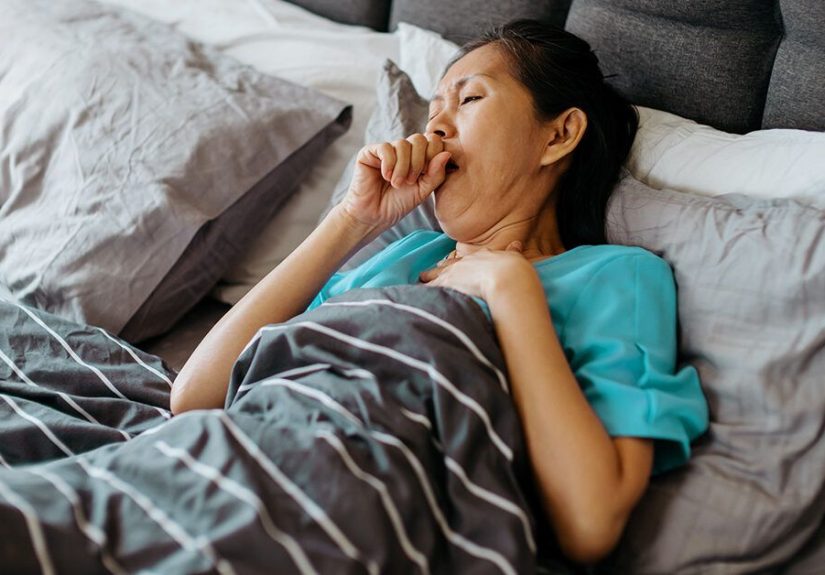
Chronic bronchitis is also a type of COPD, but it centers on airway inflammation and mucus production. The bronchial tubes become irritated, swollen, and thickened. The lining of the airways makes extra mucus, and the body tries to clear it with coughing. Unfortunately, this cough is not a polite little throat-clear. It can become a daily, stubborn, chest-rattling companion.
The classic medical definition of chronic bronchitis is a productive cough that lasts for at least three months per year for two consecutive years, after other causes have been ruled out. Translation: if someone has a mucus-producing cough that keeps coming back season after season, it deserves medical attention.
Common Symptoms of Chronic Bronchitis
- Daily or frequent cough
- Coughing up mucus or phlegm
- Wheezing
- Shortness of breath
- Chest discomfort or tightness
- Frequent respiratory infections
- Fatigue from the extra work of breathing
People with chronic bronchitis often notice that mornings are especially rough. Mucus collects overnight, and the first part of the day can feel like the lungs are holding a board meeting and coughing is the agenda. Flare-ups may happen after colds, flu, exposure to smoke, or breathing polluted air.
Chronic Emphysema vs. Bronchitis: The Key Differences
The simplest way to compare chronic emphysema vs. bronchitis is to think about structure and symptoms. Emphysema damages the air sacs. Chronic bronchitis inflames the airways and increases mucus. Both reduce airflow, but they do it in different ways.
| Feature | Chronic Emphysema | Chronic Bronchitis |
|---|---|---|
| Main problem | Damage to alveoli, the tiny air sacs | Inflammation and mucus in bronchial tubes |
| Most noticeable symptom | Shortness of breath | Chronic productive cough |
| Mucus production | May be minimal | Often frequent or heavy |
| Progression | Often gradual and quiet at first | Often marked by cough and recurring infections |
| Can overlap? | Yes | Yes |
In real life, many patients do not fit perfectly into one box. A person may have emphysema on a CT scan and still cough up mucus every morning. Another person may have chronic bronchitis symptoms and later show signs of emphysema. COPD is not always tidy. Lungs, like toddlers and tax forms, do not always follow neat categories.
Causes and Risk Factors
Smoking is the leading risk factor for both emphysema and chronic bronchitis. The chemicals in tobacco smoke damage lung tissue, irritate airways, paralyze tiny hair-like structures called cilia, and make it harder for the lungs to clear mucus. Quitting smoking is the single most important step for slowing COPD progression.
Other risk factors include long-term exposure to secondhand smoke, air pollution, dust, chemical fumes, biomass fuel smoke, and repeated respiratory infections. Some people develop COPD because of alpha-1 antitrypsin deficiency, an inherited condition that leaves the lungs more vulnerable to damage. Age matters too: COPD is more common after age 40, especially in people with a history of smoking or long-term irritant exposure.
How Doctors Diagnose Emphysema and Chronic Bronchitis
A healthcare provider usually begins with symptoms, medical history, smoking history, occupational exposure, and a physical exam. But symptoms alone cannot confirm COPD. The key test is spirometry, a breathing test that measures how much air a person can blow out and how quickly. If airflow remains limited after using a bronchodilator, COPD becomes more likely.
Doctors may also order a chest X-ray, CT scan, oxygen level testing, arterial blood gas testing, exercise testing, or lab work for alpha-1 antitrypsin deficiency. A CT scan can be especially useful for identifying emphysema because it shows lung structure in more detail than a standard X-ray. Chronic bronchitis is often diagnosed based on symptoms and history, but lung function tests help show how much airflow obstruction is present.
When to Seek Medical Care
Anyone with ongoing shortness of breath, a cough that lasts for weeks, repeated chest infections, wheezing, chest tightness, or mucus that keeps returning should talk with a healthcare professional. Emergency help is needed for severe breathing trouble, bluish lips or fingertips, confusion, chest pain, or symptoms that suddenly become much worse.
Treatment for Chronic Emphysema and Bronchitis
There is no cure that reverses COPD damage, but treatment can reduce symptoms, improve daily function, lower the risk of flare-ups, and help many people live active lives for years. The treatment plan depends on symptoms, lung function, exacerbation history, oxygen levels, and other health conditions.
1. Smoking Cessation
Quitting smoking is the foundation of COPD care. It slows the rate of lung function decline and can reduce coughing, mucus, and flare-ups. Many people need more than willpower, and that is not a character flaw. Nicotine replacement therapy, prescription medications, counseling, quitlines, and support groups can all help. The lungs appreciate every cigarette not smoked.
2. Bronchodilator Inhalers
Bronchodilators relax the muscles around the airways, making it easier to breathe. Short-acting inhalers may be used for quick relief, while long-acting bronchodilators are often used daily to control symptoms. Some people need a combination of long-acting beta agonists and long-acting muscarinic antagonists.
3. Inhaled Corticosteroids
Inhaled steroids may be recommended for certain patients, especially those with frequent COPD exacerbations or signs of airway inflammation. They are not for everyone, because they can increase the risk of pneumonia in some patients. A clinician weighs the benefits and risks before adding them.
4. Pulmonary Rehabilitation
Pulmonary rehabilitation is one of the most underrated treatments for COPD. It combines supervised exercise, breathing techniques, education, nutrition guidance, and emotional support. Think of it as boot camp for breathing, except kinder, medically supervised, and much less likely to involve someone yelling at you in a whistle.
5. Vaccinations and Infection Prevention
Respiratory infections can trigger COPD flare-ups. Annual flu vaccination, updated COVID-19 vaccination, pneumococcal vaccination when recommended, and good hand hygiene can reduce risk. For people with chronic bronchitis, infection prevention is especially important because mucus-filled airways are more vulnerable to trouble.
6. Oxygen Therapy
Some people with advanced COPD develop low blood oxygen levels and need supplemental oxygen. Oxygen therapy is prescribed after testing, not simply because someone feels short of breath. When used appropriately, oxygen can improve survival in patients with severe resting hypoxemia.
7. Advanced Procedures
For selected patients with severe emphysema, options such as lung volume reduction surgery, bronchoscopic lung volume reduction, or lung transplant evaluation may be considered. These treatments are not for every patient, but they can help carefully chosen individuals whose symptoms remain severe despite standard therapy.
Prognosis: What to Expect Over Time
The prognosis for chronic emphysema and chronic bronchitis varies widely. Some people remain stable for many years, especially if they quit smoking, stay active, use medications correctly, and prevent infections. Others experience frequent exacerbations, declining lung function, low oxygen levels, or complications such as pulmonary hypertension and heart strain.
Important factors that affect prognosis include smoking status, severity of airflow obstruction, frequency of flare-ups, exercise capacity, oxygen levels, body weight, nutrition, and other medical conditions. The earlier COPD is identified and managed, the better the chance of preserving quality of life. COPD may be chronic, but “chronic” does not mean “hopeless.” It means the game plan needs to be steady, realistic, and long-term.
Living Better With COPD: Practical Daily Tips
Small habits can make a big difference. Patients can conserve energy by sitting while showering, organizing frequently used items at waist level, pacing activities, and taking breaks before becoming exhausted. Breathing techniques such as pursed-lip breathing can help empty trapped air and reduce breathlessness during activity.
Nutrition matters too. Some people with emphysema lose weight because breathing burns extra calories. Others gain weight because activity becomes harder. A healthcare provider or dietitian can help design a plan that supports breathing, strength, and energy. Hydration may also help keep mucus thinner, unless a doctor has recommended fluid restriction for another condition.
Air quality is another daily concern. Avoid smoke, strong fumes, dust, and outdoor pollution when possible. On poor air quality days, staying indoors with filtered air may help. Patients should also learn their personal warning signs of a flare-up, such as increased breathlessness, thicker mucus, fever, or a change in mucus color.
Patient-Style Experiences: What This Difference Feels Like in Real Life
People often understand chronic emphysema vs. bronchitis better when they hear what the conditions feel like in everyday life. Imagine two people at the same grocery store. One has emphysema-predominant COPD. The other has chronic bronchitis-predominant COPD. They may both park close to the entrance, both move a little slower, and both know where the benches are. But their symptoms may tell different stories.
The person with emphysema might feel fine while standing still but become breathless halfway down the cereal aisle. The problem is not necessarily coughing; it is air hunger. They may pause, lean on the cart, and use pursed-lip breathing until the feeling settles. They may say, “I can get air in, but I feel like I cannot get the old air out.” Hills, stairs, laundry baskets, and rushing are common enemies. Even talking while walking can feel like multitasking at an Olympic level.
The person with chronic bronchitis may start the morning with a long coughing session. They may keep tissues nearby, drink warm fluids, and know that cold air can set off wheezing. Their biggest frustration may be mucus that seems to have signed a long-term lease in the chest. During a flare-up, the cough becomes deeper, the mucus thicker, and fatigue heavier. They may worry every winter because one “small cold” can turn into several weeks of breathing trouble.
Both people may share emotional challenges. Breathlessness can cause anxiety, and anxiety can make breathlessness feel worse. Patients may avoid social events because they do not want to cough in public or slow everyone down. Some feel embarrassed using oxygen or inhalers. Others grieve the loss of activities they once did without thinking. These feelings are real, and they deserve attention just as much as spirometry numbers do.
One helpful experience many patients report is learning to plan instead of simply pushing through. For example, instead of cleaning the whole house in one burst, they clean one room, rest, then continue. Instead of carrying all grocery bags at once like a heroic but wheezing pack mule, they use smaller loads or ask for help. Instead of waiting until breathing is terrible, they use rescue medication as directed and follow an action plan from their clinician.
Pulmonary rehabilitation can be a turning point. At first, some patients fear exercise because exercise triggers shortness of breath. But rehab teaches the difference between safe breathlessness and danger signs. People learn pacing, breathing control, inhaler technique, and confidence. Many discover that their lungs may not become “new,” but their body can become stronger and more efficient. That is a powerful win.
Another common lesson is that COPD management is not a single dramatic event. It is a collection of boring but effective choices: taking maintenance inhalers correctly, keeping vaccines updated, avoiding smoke, calling the doctor early during flare-ups, moving the body a little every day, and not pretending symptoms are “nothing” when they are clearly something. The lungs may be high-maintenance, but with the right care plan, many people continue traveling, gardening, working, laughing, cooking, and enjoying life.
Conclusion
Chronic emphysema and chronic bronchitis are two major faces of COPD. Emphysema mainly damages the air sacs and causes progressive shortness of breath. Chronic bronchitis mainly inflames the airways and causes long-term mucus-producing cough. They often overlap, but knowing the difference helps guide diagnosis, treatment, and daily management.
The most important steps are clear: do not ignore persistent breathing symptoms, get evaluated with proper lung function testing, stop smoking if you smoke, use prescribed inhalers correctly, consider pulmonary rehabilitation, prevent infections, and follow up regularly. COPD is serious, but it is also manageable. With the right care, the goal is not just to breathe longer. It is to live better while breathing.