Table of Contents >> Show >> Hide
- Why Use a Pioneer Woman Tablecloth as Curtain Fabric?
- Best Rooms for Pioneer Woman Tablecloth Curtains
- Choosing the Right Pioneer Woman Tablecloth
- How to Measure Your Window Before Cutting
- No-Sew Method: The Easiest Way to Make Tablecloth Curtains
- Sewing Method: A More Polished Version
- Style Ideas for Pioneer Woman Tablecloth Curtains
- Common Mistakes to Avoid
- Care and Cleaning Tips
- Budget Breakdown: Is This DIY Project Worth It?
- Personal Experience: What It Feels Like to Turn a Pioneer Woman Tablecloth Into Curtains
- Conclusion
Note: This article is written for web publication and is based on real DIY curtain-making practices, common curtain-measuring standards, and publicly available product information about The Pioneer Woman table linens and home décor collections.
Some home projects begin with a grand design plan, a Pinterest board, three coffee refills, and a shopping cart full of “necessary” items. Others begin with one simple thought: “This tablecloth is too pretty to live only under a casserole dish.” That is exactly why the idea of a Pioneer Woman tablecloth turned into curtains has become such a charming DIY home décor trick.
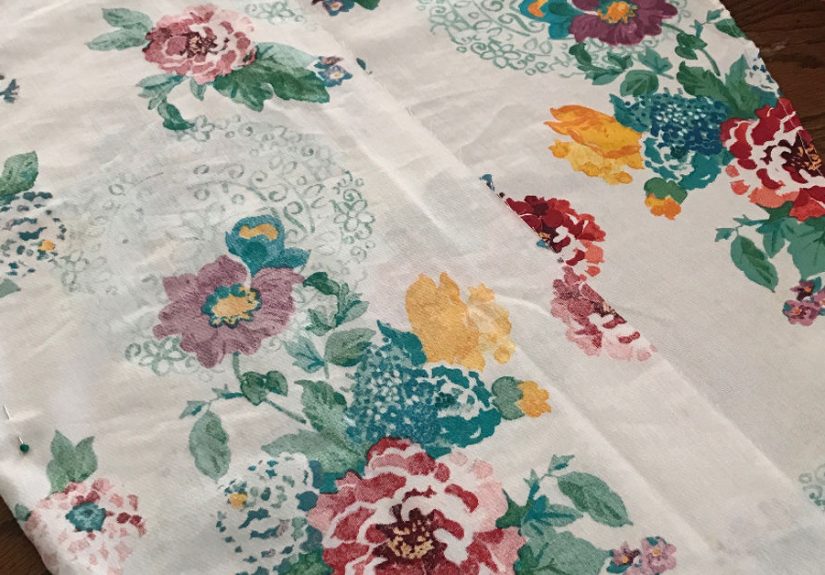
The Pioneer Woman style is known for cheerful florals, vintage-inspired patterns, bright country colors, cottagecore energy, and the kind of cozy kitchen charm that makes you want to bake biscuits even if your oven is currently storing sheet pans. Turning one of these tablecloths into curtains is a smart way to get custom-looking window treatments without paying custom-curtain prices. Better yet, many tablecloths already have finished edges, which means half the sewing work is already done before you even touch the fabric.
Whether you want no-sew kitchen curtains, farmhouse café curtains, colorful pantry panels, or a soft floral backdrop for a breakfast nook, a Pioneer Woman tablecloth can be a surprisingly practical starting point. This guide walks through how to choose the right tablecloth, measure your window, hang it beautifully, and avoid the little mistakes that can make DIY curtains look more “laundry emergency” than “country cottage masterpiece.”
Why Use a Pioneer Woman Tablecloth as Curtain Fabric?
The biggest reason is simple: the fabric already has personality. Many standard curtain panels are safe, neutral, and polite. There is nothing wrong with beige, of course, but sometimes a room needs a little “hello, I brought peach cobbler” energy. The Pioneer Woman tablecloth designs often include floral prints, gingham-inspired details, scalloped-look patterns, vintage borders, and bold color combinations that work beautifully in kitchens, laundry rooms, dining spaces, craft rooms, and cottage-style bedrooms.
Another advantage is cost. Buying fabric by the yard can become expensive quickly, especially when you need enough material for fullness. A tablecloth gives you a large piece of decorative fabric with hemmed edges already built in. That makes it ideal for beginner-friendly curtain projects, especially if you are using clip rings or iron-on hem tape instead of sewing.
There is also the sustainability factor. Repurposing a tablecloth into curtains gives a textile a second life. Maybe you found a Pioneer Woman tablecloth on clearance, thrifted one in excellent condition, or retired one from dining duty because it had one tiny stain near the center. As curtains, that same fabric might look brand-new once trimmed, folded, or strategically placed.
Best Rooms for Pioneer Woman Tablecloth Curtains
Kitchen Windows
The kitchen is the natural home for this project. Pioneer Woman prints often coordinate with vintage dishes, open shelving, colorful cookware, mason jars, farmhouse sinks, and other cozy kitchen staples. A floral tablecloth can become café curtains over a sink, a cheerful valance above a breakfast nook, or a soft panel beside a pantry window.
Laundry Rooms
Laundry rooms are often treated like the forgotten sock drawer of home design. But a bright set of DIY tablecloth curtains can make the space feel intentional and happy. Choose a pattern with blue, teal, red, yellow, or soft green to brighten a room that may not get much natural light.
Dining Rooms
Using a tablecloth as curtains in a dining room creates a clever visual connection between the table and the window. You can even coordinate a curtain made from one tablecloth with a matching or complementary tablecloth on the table. Just avoid using the exact same busy pattern everywhere unless you want the room to feel like it is wearing matching pajamas.
Craft Rooms and Sewing Corners
A Pioneer Woman tablecloth turned into curtains works beautifully in creative spaces because the patterns already feel handmade, collected, and personal. In a craft room, playful fabric feels right at home next to ribbon, yarn, paper, paint, and the mysterious drawer full of glue sticks that may or may not still work.
Choosing the Right Pioneer Woman Tablecloth
Before you start clipping, cutting, folding, or ironing, choose the best tablecloth for your window. The right choice depends on size, fabric weight, pattern direction, light control, and how polished you want the finished curtains to look.
1. Check the Size First
Common rectangular tablecloth sizes include options around 52 by 70 inches, 60 by 84 inches, and 60 by 102 inches. Round tablecloths, such as 70-inch round styles, are lovely on tables but more complicated for curtains unless you plan to cut and sew. For a simple curtain project, rectangular tablecloths are usually easier to work with.
For a kitchen window, one 60-by-84-inch tablecloth may be enough to create two café curtain panels. For taller windows, a 60-by-102-inch tablecloth gives you more length to work with. If you want full-length panels, measure carefully before buying, because tablecloth dimensions do not always match standard curtain lengths.
2. Look at the Fabric Content
Many Pioneer Woman fabric tablecloths use a cotton and polyester blend. This is helpful because cotton brings softness and a natural look, while polyester can improve durability and reduce wrinkling. For curtains, that blend can hang nicely without feeling too stiff.
If the fabric is very lightweight, expect more light to pass through. That can be perfect for a sunny kitchen but less ideal for a bedroom where privacy matters. If you need more coverage, consider adding a liner or layering the tablecloth curtain over a basic shade.
3. Study the Pattern Direction
Some tablecloth prints are scattered, meaning they look good from any direction. Others have borders, directional flowers, stripes, or a clear top and bottom. Before cutting anything, hold the tablecloth up to the window and decide which direction looks best. This five-minute test can save you from making curtains where the flowers appear to be growing sideways. Nature is flexible; curtain design is less forgiving.
4. Choose a Pattern That Matches the Mood
For a bright farmhouse kitchen, choose bold florals, turquoise accents, red borders, or cheerful vintage prints. For a softer cottagecore look, choose smaller florals, muted colors, eyelet textures, or gentle pastel patterns. For a dining room, consider a print that feels slightly more elegant and less busy, especially if the space already has patterned rugs, wallpaper, or colorful dishware.
How to Measure Your Window Before Cutting
Good curtains start with good measurements. You do not need to become a professional installer, but you do need a tape measure and a willingness to measure twice before slicing into your pretty fabric.
Measure the Width
Start by measuring the full width of the window, including trim if you want the curtains to cover the entire frame. For a fuller look, curtain panels generally need to be wider than the window itself. A common design rule is to use fabric that totals about two times the width of the window or curtain rod. For example, if your window area is 36 inches wide, aim for about 72 inches of total curtain fabric width.
This is why tablecloths can work so well. A 60-inch-wide tablecloth cut into two panels can provide decent fullness for a small kitchen window. For a wider window, you may need two matching tablecloths or a design that works as stationary side panels rather than curtains that fully close.
Measure the Length
Decide where the curtain rod will go before measuring length. Hanging the rod a few inches above the window frame can make the window look taller. Extending the rod beyond the sides of the frame can make the window look wider and allow more light in when the curtains are open.
For café curtains, measure from the middle or lower third of the window down to the sill. For full panels, measure from the rod to the floor, then decide whether you want the fabric to barely touch, float slightly above, or create a small puddle. In busy kitchens and homes with pets, curtains that skim the sill or floor are usually more practical than dramatic puddles.
No-Sew Method: The Easiest Way to Make Tablecloth Curtains
The no-sew method is perfect for beginners, renters, busy parents, students, and anyone whose sewing machine currently lives in a closet behind holiday decorations.
Supplies You Need
- One rectangular Pioneer Woman tablecloth
- Curtain rod or tension rod
- Clip rings
- Measuring tape
- Iron or steamer
- Optional: iron-on hem tape
- Optional: fabric scissors
Step 1: Wash and Dry the Tablecloth
Wash the tablecloth according to the care label before turning it into curtains. This helps remove fold lines, softens the fabric, and reduces the risk of surprise shrinkage later. Nothing ruins a DIY victory lap like curtains that become two inches shorter after their first wash.
Step 2: Iron the Fabric
Ironing may not be glamorous, but it makes a huge difference. Smooth fabric looks intentional. Wrinkled fabric looks like it escaped from the laundry basket and climbed onto the curtain rod by itself.
Step 3: Fold to the Right Length
If the tablecloth is too long, fold the top edge over until the curtain reaches your desired length. The beauty of clip rings is that they can hold the fold in place without sewing. This also creates a thicker top edge, which can make the curtain hang better.
Step 4: Add Clip Rings Evenly
Clip rings are the secret weapon of no-sew curtains. Attach one clip to each outer edge first, then place the remaining clips evenly between them. For small panels, use about seven to ten rings per panel. More rings create smaller, neater folds; fewer rings create a looser, casual look.
Step 5: Hang and Adjust
Slide the rings onto the curtain rod, hang the rod, and step back. Adjust the folds with your hands until the fabric looks balanced. If one side looks fuller than the other, redistribute the clips rather than pretending you meant to create abstract curtain art.
Sewing Method: A More Polished Version
If you know how to sew a straight line, you can make a more tailored version of Pioneer Woman tablecloth curtains. This method works well when you want two matching panels, a clean bottom hem, or a rod pocket instead of clip rings.
Step 1: Cut the Tablecloth Into Panels
Lay the tablecloth flat and cut it evenly down the center. If the tablecloth has a border, pay close attention so both panels look balanced. Use sharp fabric scissors or a rotary cutter for the cleanest edge.
Step 2: Hem the Cut Edges
Fold the raw edge over about half an inch, press with an iron, fold again, and sew. This hides the raw edge and keeps the fabric from fraying. If you do not sew, iron-on hem tape can create a clean edge with less effort.
Step 3: Create the Header
For clip rings, you can leave the top edge simple. For a rod pocket, fold the top edge down enough to fit your curtain rod, then sew across the lower fold. Make sure the pocket is not too tight, or sliding the curtain will feel like wrestling a fabric burrito.
Step 4: Press and Hang
Once sewn, press the panels again. This final step gives the curtains a crisp, finished look and helps the folds fall more naturally.
Style Ideas for Pioneer Woman Tablecloth Curtains
Farmhouse Café Curtains
Cut a rectangular tablecloth into two short panels and hang them halfway down the window with a tension rod. This look is perfect above a kitchen sink because it gives privacy while still letting sunlight pour in from the top half of the window.
Full-Length Floral Panels
Use two long tablecloths as full-length curtain panels. Hang them high and wide for a more designer-style effect. This works best in dining rooms, breakfast rooms, or bedrooms where you want color without installing wallpaper.
Under-Sink Skirt
Technically, this is not a curtain for a window, but it deserves honorable mention. A Pioneer Woman tablecloth can become an adorable fabric skirt under a farmhouse sink, laundry counter, or craft table. Use a tension rod and clip rings for easy removal.
Pantry Door Curtain
If you have a glass pantry door or open storage area, a tablecloth curtain can hide clutter while adding softness. This is especially helpful if your pantry shelves contain seventeen snack boxes, three kinds of pasta, and one mysterious jar nobody wants to claim.
Common Mistakes to Avoid
Using Too Little Fabric
Flat curtains can look skimpy. If you want the panels to close, aim for fullness. If the tablecloth is not wide enough, use two tablecloths or make stationary decorative side panels instead.
Ignoring the Tablecloth Border
Many decorative tablecloths have beautiful borders. That can be a benefit, but only if the border lands in the right place. Before cutting, decide whether the border should run along the bottom, sides, or top of the curtain.
Hanging the Rod Too Low
A low curtain rod can make the window look smaller. Mounting the rod higher than the frame usually creates a more polished look and makes the room feel taller.
Skipping the Iron
Even the prettiest fabric looks less impressive when full of fold marks. Pressing or steaming is the difference between “custom cottage curtain” and “tablecloth still recovering from shipping.”
Forgetting About Privacy
Some tablecloth fabrics are light-filtering rather than privacy-friendly. Test the fabric at night by holding it in front of a lit window. If you can see more than you want, add a liner, shade, or second layer.
Care and Cleaning Tips
One practical advantage of using a tablecloth is that it is usually designed to handle everyday messes. Many fabric tablecloths are machine washable, which is helpful in kitchens where curtains may absorb cooking smells or collect dust. Always follow the care label, wash in cool or warm water if recommended, and avoid high heat if you are concerned about shrinkage.
Clip-ring curtains are especially easy to clean because you can remove the fabric quickly. If you used iron-on hem tape, wash gently and avoid excessive dryer heat, which can weaken adhesive over time. For sewn curtains, regular laundering is usually easier, but delicate trims or lace details may need extra care.
Budget Breakdown: Is This DIY Project Worth It?
In many cases, yes. A Pioneer Woman tablecloth curtain project can be budget-friendly because one tablecloth provides a large amount of decorative fabric. Your main additional costs are clip rings, a curtain rod, hem tape if needed, and basic tools you may already own.
The real value is in the custom look. Store-bought curtains in colorful vintage floral patterns can be surprisingly hard to find, and custom curtains can cost much more than casual decorators want to spend. A tablecloth lets you create something unique, cheerful, and coordinated without hiring a workroom or learning advanced sewing.
Personal Experience: What It Feels Like to Turn a Pioneer Woman Tablecloth Into Curtains
The first thing you notice when making curtains from a Pioneer Woman tablecloth is how quickly the project starts to feel possible. Traditional curtain-making can seem intimidating because there are measurements, hems, lining decisions, header styles, and enough fabric math to make you question your life choices. A tablecloth simplifies the process because it arrives as one large, finished piece of fabric. It is like the project has already done half its homework.
In a real kitchen setting, the transformation can be surprisingly dramatic. Imagine a plain window over the sink with basic blinds or no treatment at all. The room may function perfectly, but it lacks warmth. Then you hang a floral tablecloth panel with clip rings, and suddenly the window looks framed, the sink area feels softer, and the kitchen has a personality. It is not a formal designer look, and that is exactly the charm. It feels collected, cheerful, and lived-in.
One useful experience is to test the tablecloth before making permanent cuts. Clip it up temporarily, even if it looks silly for a few minutes. Walk around the room. Look at it in daylight. Look at it at night. See how the colors interact with your cabinets, backsplash, wall paint, and flooring. Pioneer Woman patterns can be bold, and a print that looks perfect folded on a table may feel busier when hanging vertically in a window. Testing first helps you decide whether to use the full fabric, split it into panels, or reserve it for a smaller café curtain.
Another lesson is that clip rings are wonderfully forgiving. If the curtain is too long, fold the top over and clip it again. If the folds look uneven, move the clips. If the panel feels too flat, add more rings or gather the fabric differently. This makes the project friendly for beginners because you can adjust as you go. There is no need to get everything perfect on the first try.
The most satisfying version is often the café curtain. A half-window curtain made from a floral tablecloth gives privacy while keeping the room bright. It also uses less fabric, which means one tablecloth can sometimes cover more than one small window. In a kitchen, this style feels especially appropriate because it echoes vintage diners, farmhouse sinks, and old-fashioned breakfast rooms without looking like a museum display.
There are a few practical surprises. Tablecloth fabric may be slightly heavier than sheer curtain fabric, so it can hang with a nice weight, but it may also need a sturdy rod. If the window is wide, one tablecloth may not provide enough fullness. And if the fabric has a strong border, you may spend more time than expected deciding where that border should land. This is normal. DIY decorating always includes a brief stage where the floor is covered in fabric and someone says, “Wait, which side is up?”
The best part is the sense of creativity. You are not just buying curtains; you are reimagining something. A tablecloth becomes a window treatment. A dining pattern becomes wall décor. A simple fabric panel changes the mood of a room. That is the magic of the Pioneer Woman tablecloth turned into curtains project: it is affordable, approachable, and full of personality. It proves that good decorating does not always require expensive materials. Sometimes it only requires a pretty tablecloth, a pack of clip rings, and the courage to look at household linens and say, “You, my friend, are getting promoted.”
Conclusion
A Pioneer Woman tablecloth turned into curtains is one of those DIY ideas that makes sense the moment you try it. The fabric is colorful, vintage-inspired, and often already hemmed. The project can be no-sew, beginner-friendly, budget-conscious, and flexible enough for kitchens, laundry rooms, dining rooms, craft spaces, and cozy cottage-style corners.
The key is to measure carefully, choose the right tablecloth size, respect the pattern direction, and hang the curtains with enough fullness to look intentional. Whether you use clip rings, hem tape, or a sewing machine, the result can feel custom without the custom price tag. And honestly, any project that makes your window look happier while requiring minimal math deserves a round of applause.