Table of Contents >> Show >> Hide
- What Does It Cost To Install Ceramic Tiles in 2025?
- Average Ceramic Tile Cost Per Square Foot
- What Affects Ceramic Tile Installation Cost the Most?
- Sample Ceramic Tile Installation Costs by Project Size
- Ceramic vs. Porcelain: Why Ceramic Usually Costs Less
- Hidden Costs Homeowners Forget
- How To Save Money Without Making a Terrible Flooring Decision
- Should You DIY Ceramic Tile Installation?
- Real-World Experience: What Ceramic Tile Costs Feel Like in Actual Projects
- Final Thoughts
Note: Pricing in this guide reflects typical U.S. budgeting ranges for 2025-style ceramic tile projects. Your final number can move up or down depending on labor rates, demolition, tile quality, and whether your floor is flat or secretly plotting against you.
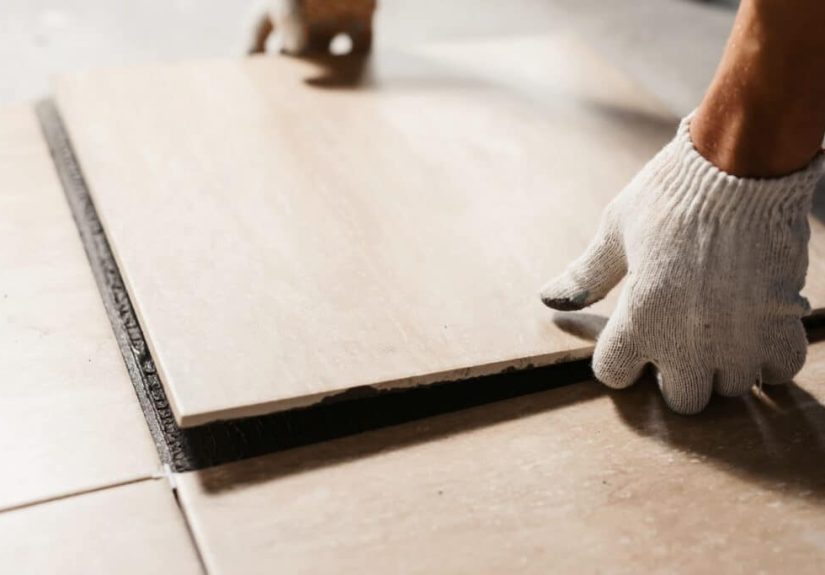
If you are planning a tile project and wondering whether ceramic tile is a budget-friendly hero or a sneaky little invoice machine, the honest answer is: it can be both. Ceramic tile is usually one of the more affordable ways to get a durable, polished, water-resistant floor or wall finish. But the tile itself is only one piece of the puzzle. Labor, demolition, floor prep, waterproofing, grout, trim, and pattern work can turn a simple weekend dream into a full-blown spreadsheet relationship.
For most homeowners, the smartest way to think about ceramic tile installation cost is in layers. First, there is the visible stuff you can brag about, like the tile color, finish, and pattern. Then there is the invisible stuff that quietly eats the budget: removing old flooring, fixing uneven subfloors, installing backer board, waterproofing wet areas, and paying a pro to make sure everything lines up instead of looking like the room was tiled during an earthquake.
This guide breaks down the average cost to install ceramic tiles in 2025, what drives the price up, where you can save money, and how to budget without accidentally choosing the flooring equivalent of “I’ll deal with it later.”
What Does It Cost To Install Ceramic Tiles in 2025?
In broad terms, ceramic tile installation usually lands somewhere between $12 and $45 per square foot installed for many real-world projects, although a wider national range is possible once you include very basic jobs on one end and premium or complex installations on the other. If your project is straightforward, the tile is basic, and the floor is already in decent shape, you may land near the lower end. If you want designer tile, tricky cuts, diagonal layouts, waterproofing, or demolition, your total can climb quickly.
The thing that confuses many homeowners is this: some ceramic tile products are surprisingly cheap. You can absolutely find entry-level ceramic tile at big-box stores for under $2 per square foot. That sounds delightful until labor, materials, grout, mortar, trim pieces, and prep work walk in wearing expensive shoes. Product cost is just the ticket price. Installation is the rest of the concert.
| Cost Category | Typical 2025 Range | What It Covers |
|---|---|---|
| Tile material only | $1 to $15+ per sq. ft. | Basic ceramic on the low end, better finishes and specialty designs on the high end |
| Labor only | $5 to $15+ per sq. ft. | Layout, setting tile, grout, finishing, and standard cuts |
| All-in installed cost | $12 to $45 per sq. ft. | Materials, labor, and common jobsite costs |
| Tile removal/demo | $2 to $7 per sq. ft. | Removing old tile and hauling away debris |
| Backer board/underlayment | About $2 per sq. ft. | Stable base for tile, especially helpful in bathrooms and older floors |
Average Ceramic Tile Cost Per Square Foot
Material Costs
Ceramic tile has a wonderfully wide price range. That is good news if your taste is “clean and classic,” and slightly less good news if your taste is “imported hand-finished Mediterranean artisan magic.” Budget ceramic floor tile can start under $1 per square foot at retail, while more standard homeowner-friendly picks often fall into the low- to mid-single digits. Once you move into larger-format tiles, textured finishes, premium glazes, wood-look designs, or decorative accents, the material cost rises fast.
A practical planning number for many homeowners is $3 to $10 per square foot for the tile itself, knowing that cheaper and more expensive options both exist. If you want matching bullnose, trim pieces, borders, mosaics, or niche details, the per-square-foot math gets less polite.
Labor Costs
Labor is where ceramic tile goes from “Hey, that’s affordable” to “Oh, I see, geometry is billable.” A basic square room with standard tile is much faster to install than a bathroom with a toilet flange, vanity cuts, doorway transitions, and half the walls refusing to be square. Installers typically charge more when the layout is complex, the room is small and fussy, or the tile size creates more cuts and more alignment work.
Simple ceramic floor labor may stay near the lower end of the range. Intricate patterns, vertical installations, shower walls, or high-moisture areas usually cost more because they take more time and demand more precision. That extra precision is worth paying for. Tile is not the kind of project where “close enough” becomes charming later.
Installed Cost
If you want one realistic planning number for a normal ceramic tile job, use $15 to $25 per square foot installed as a sensible middle-ground estimate. That is often enough to cover decent tile, professional labor, and standard installation conditions. Use a higher number if the room needs demolition, leveling, waterproofing, or pattern work.
What Affects Ceramic Tile Installation Cost the Most?
1. Tile Size, Finish, and Style
Larger-format tile can sometimes reduce grout lines and look sleek, but it may require a flatter substrate and more careful installation. Decorative patterns, plank-style ceramic, and mosaic accents can increase labor because they slow everything down. Fancy tiles are not just more expensive to buy. They are often more expensive to install, too.
2. Room Type
A simple laundry room floor is usually cheaper than a bathroom or shower. Wet spaces often require waterproofing, more cuts, tighter tolerances, and more labor around fixtures. Kitchens can also cost more than homeowners expect because of cabinetry, appliances, transitions, and sometimes subfloor issues that have been quietly developing under old flooring for years.
3. Subfloor Condition
Tile likes stable, flat surfaces. If your floor squeaks, dips, flexes, or has old damage, the installer may recommend repairs or leveling compound before any tile goes down. This is not upselling theater. Tile and grout are rigid materials. If the base underneath moves too much, cracks eventually show up and ruin everyone’s mood.
4. Demolition and Disposal
Removing old tile is dusty, loud, time-consuming, and not nearly as cinematic as home improvement shows pretend. Demo costs can add a meaningful amount to your total, especially if disposal fees, subfloor cleanup, or patching are involved. If the old floor comes up cleanly, great. If it fights back like a retired action hero, budget accordingly.
5. Layout Complexity
Straight lay is usually cheaper than diagonal, herringbone, pinwheel, or custom patterns. Why? More cuts, more measuring, more waste, and more time. A classic grid is efficient. A boutique pattern is beautiful. Your budget will notice the difference immediately.
6. Geographic Location
Labor rates vary by market. Urban areas and high-cost regions generally come with higher installation prices. Even within the same city, contractor overhead, scheduling demand, and specialization can move bids quite a bit. That is why three quotes are better than one dramatic guess.
Sample Ceramic Tile Installation Costs by Project Size
| Project Size | Basic Budget Range | Midrange Range | Higher-End or Complex Range |
|---|---|---|---|
| 50 sq. ft. powder room floor | $600 to $1,100 | $1,100 to $1,750 | $1,750 to $2,500+ |
| 100 sq. ft. bathroom floor | $1,200 to $2,000 | $2,000 to $3,000 | $3,000 to $4,500+ |
| 150 sq. ft. room | $1,800 to $2,700 | $2,700 to $4,500 | $4,500 to $6,750+ |
| 300 sq. ft. kitchen or open area | $3,600 to $6,000 | $6,000 to $8,500 | $8,500 to $13,500+ |
These are planning ranges, not promises carved into stone. Small rooms sometimes cost more per square foot because they have more edges, corners, cuts, and interruptions. Big open rooms can be more efficient, but premium tile or subfloor repair can still push costs up quickly.
Ceramic vs. Porcelain: Why Ceramic Usually Costs Less
Ceramic and porcelain often get grouped together, but they are not twins. Porcelain is denser, tougher, and usually more expensive. Ceramic is often easier to cut and more forgiving on the budget. For many indoor floors and walls, ceramic gives homeowners the look they want at a more comfortable price point.
If you are choosing between the two strictly on cost, ceramic usually wins the budget round. If you are prioritizing maximum density or heavy-duty performance in very demanding areas, porcelain may earn the extra spend. But if your goal is “I want something attractive, durable, and not financially theatrical,” ceramic remains a strong pick.
Hidden Costs Homeowners Forget
The biggest budget mistakes usually happen when homeowners only count tile and labor. Real tile projects often include a supporting cast of charges:
- Thinset mortar and grout
- Spacers, sealant, and trim pieces
- Backer board or underlayment
- Leveling compound
- Waterproofing membranes in wet areas
- Floor removal and debris disposal
- Moving appliances, toilets, or furniture
- Extra tile for breakage and future repairs
Speaking of extra tile, do not buy the exact square footage you measured. That is optimism, not planning. For a standard layout, buying about 10% extra is common. For diagonal patterns, tricky rooms, or large-format tile with lots of cuts, 15% to 20% extra is much safer.
How To Save Money Without Making a Terrible Flooring Decision
Choose a Standard Size
Common ceramic sizes are easier to source and often cheaper to install. Exotic dimensions and specialty shapes can look fantastic, but they rarely show up with a discount and a smile.
Keep the Layout Simple
A straight lay pattern is usually the most budget-friendly option. It wastes less tile, takes less labor, and still looks clean and timeless.
Use Premium Tile Selectively
If you love a more expensive design, use it as an accent instead of covering the whole room. A statement border, niche, or backsplash detail can deliver style without forcing your checking account to lie down dramatically.
Do the Prep Work Carefully
Clearing the room, removing baseboards where appropriate, or handling light prep can sometimes lower labor costs. But only do this if your installer agrees. “Helpful homeowner energy” is wonderful right up until it creates extra work.
Get Multiple Quotes
Tile pricing can vary a lot from one contractor to another. Compare scope, materials included, prep assumptions, warranty details, and timeline. The cheapest quote is not always the best quote. If one bid is dramatically lower, there is usually a reason, and that reason is rarely magical efficiency.
Should You DIY Ceramic Tile Installation?
DIY ceramic tile can save serious money on labor, especially in a small, dry, square room. If you are handy, patient, and ready to learn layout, mixing, spacing, cutting, and grout cleanup, it can be done. But tile is not a forgiving finish. A rushed paint job can be repainted. Bad tile work tends to sit there forever, silently judging you.
For bathrooms, showers, uneven floors, large-format tile, or rooms with lots of cuts, hiring a pro is usually money well spent. The cost of fixing cracked tile, lippage, poor drainage, or failed waterproofing can wipe out any DIY savings and then some.
Real-World Experience: What Ceramic Tile Costs Feel Like in Actual Projects
The most useful thing I can tell you about ceramic tile is that homeowners rarely regret paying for good prep. They regret skipping it. The tile itself gets all the attention because it is visible and fun to shop for. You hold up sample boards, debate matte versus glossy, and suddenly become emotionally invested in something called “warm greige limestone look.” Meanwhile, the subfloor is in the background, wearing sweatpants, asking whether anyone plans to address the low spot near the doorway. That low spot matters more than the tile name ever will.
One of the most common experiences with ceramic tile budgeting goes like this: the homeowner sees a gorgeous retail tile for a surprisingly low price and assumes the whole project will be cheap. Then the quote comes back and the labor is two or three times the tile cost. At first, this feels offensive. Then you watch how much measuring, cutting, hauling, leveling, aligning, setting, grouting, and cleanup is involved, and suddenly the labor starts to make sense. Tile work is detail work. Good installers are charging for skill, not just time.
Another common lesson is that small rooms are not always cheap rooms. A tiny bathroom can be more annoying to tile than a larger open space because every inch includes something inconvenient: a toilet flange, a vanity edge, a doorway, a corner that is not square, or a threshold transition that needs finesse. Homeowners often assume fewer square feet means lower cost, but in tile work, complexity can outrank size.
There is also the emotional roller coaster of demolition. Pulling up old tile sounds satisfying until you realize how much dust, noise, debris, and hidden trouble may be waiting underneath. Sometimes the old floor comes out cleanly and everyone looks like a genius. Other times the subfloor needs patching, leveling, or reinforcement, and your “simple tile refresh” starts auditioning for a much bigger production. That is exactly why smart budgets include a contingency amount.
Then comes the final reveal stage, which is where ceramic tile usually redeems itself. A well-installed ceramic floor looks crisp, expensive, and dependable. It handles muddy shoes, pet traffic, kitchen spills, and bathroom humidity without becoming precious. Homeowners love that mix of practicality and style. It is one of the rare finishes that can feel both hardworking and polished. In everyday life, that matters more than trendiness.
If you want the best experience, the sweet spot is usually simple layout, quality midrange tile, realistic overage, and a contractor who explains the prep work clearly. That combination tends to avoid the most painful surprises. In other words, ceramic tile is often affordable, but only when you budget like an adult and not like someone who has been emotionally manipulated by a clearance endcap.
Final Thoughts
Ceramic tile remains one of the smartest flooring and wall-finishing investments for homeowners who want durability, water resistance, flexible design, and a price that does not immediately require emotional support. In 2025, a realistic all-in budget for ceramic tile installation often starts around the low teens per square foot and climbs from there depending on tile choice, labor complexity, demolition, and prep.
If your room is simple and your tile choice is modest, ceramic can be surprisingly cost-effective. If your project involves waterproofing, pattern work, difficult cuts, or floor repair, expect the price to rise. The best move is to budget for the whole system, not just the pretty square pieces. Tile is a finish, yes, but it is also a construction project. Treat it that way, and it can reward you with a floor that looks sharp for years.