Table of Contents >> Show >> Hide
- Why Matthew Gray Gubler’s Return Mattered So Much
- The Cameo That Sparked Cheers, Tears, and Complaints
- Why Fans Called It “Disappointing”
- Was the Brief Return Still Effective?
- What This Means for the Future of Spencer Reid
- The Real Reason the Backlash Matters
- Fan Experience: What It Feels Like to Wait for Reid, Get Reid, and Still Want More
- Conclusion
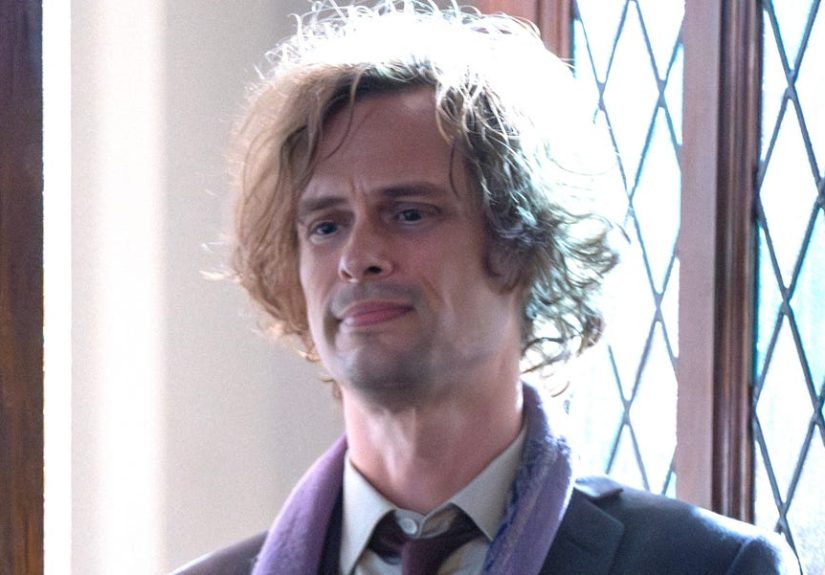
If you heard a collective sigh ripple across the internet, no, it was not a weather event. It was Criminal Minds fans reacting to Matthew Gray Gubler’s long-awaited return as Spencer Reid in Criminal Minds: Evolution. The good news? Reid came back. The bad news? He arrived, broke hearts, delivered one quietly moving line, and vanished before viewers could fully process their emotions, refill their drinks, or finish yelling “SPENCE!” at the screen.
That strange mix of joy and frustration is exactly why the conversation around Gubler’s cameo became so loud. Fans were never disappointed in Matthew Gray Gubler. They were disappointed by how little of him they got. After months of anticipation, endless speculation, and the kind of fan theories usually reserved for prestige dramas and conspiracy boards, the return of one of the franchise’s most beloved characters felt more like an emotional flash than a full reunion.
And honestly? That tension is what makes this story so compelling. Reid’s comeback was meaningful, but it was also maddeningly brief. It delivered comfort, closure, and a reminder of why Spencer Reid still matters to the Criminal Minds universe. At the same time, it left many viewers with the same thought: “That’s it?”
Why Matthew Gray Gubler’s Return Mattered So Much
To understand why fans reacted so strongly, you have to understand what Spencer Reid means to the franchise. For years, Reid was more than just the team genius. He was the emotional wildcard, the walking encyclopedia with unresolved trauma, the awkward profiler who could explain an obscure psychological concept and then somehow make you cry two scenes later. He was vulnerable without being weak, brilliant without being smug, and weird in the most lovable possible way.
Matthew Gray Gubler played Reid across the original run of Criminal Minds, and his performance became one of the show’s defining ingredients. He gave the series a specific emotional flavor. Reid could be heartbreaking, funny, intense, tender, and socially offbeat all in the same episode. That is not easy to pull off. Gubler made it look natural.
So when Criminal Minds: Evolution launched without him, fans noticed the absence immediately. The show still had familiar faces, established chemistry, and a darker streaming-era tone, but Reid-shaped air hung over everything. It was not because the revival could not function without him. It was because viewers had spent years building a relationship with that character, and long-running procedural fandom is basically emotional muscle memory in television form.
Once word got out that Gubler would return, excitement shot up fast. The expectation was not just that Spencer Reid would appear. It was that the appearance would mean something substantial. Fans wanted dialogue, interaction, warmth, maybe a scene with emotional weight, maybe a small update on his life, maybe a chance to see how he fits into this new version of the BAU. In other words, they were not waiting for a blink-and-you-miss-it cameo. They were waiting for a moment.
The Cameo That Sparked Cheers, Tears, and Complaints
The episode that brought Reid back was deeply emotional to begin with. The story centered on JJ and the funeral for Will LaMontagne Jr., which already placed the hour in a grief-heavy space. When Spencer showed up to support JJ and her family, the scene landed with instant emotional force. It was thoughtful. It was appropriate. It was sincere. It also lasted about as long as a fan could say, “Wait, don’t cut away.”
That is where the disappointment came in. Viewers appreciated the symbolism of Reid returning for a moment of loss and loyalty. In story terms, it made perfect sense. A.J. Cook later explained that it would not have felt right for Spencer to be absent from such a major moment in JJ’s life, and that emotional logic is hard to argue with. Reid’s appearance mattered because it reflected the history these characters share.
Still, emotional logic and fan satisfaction are not always the same thing. For many viewers, the problem was not that the cameo was wrong. The problem was that it was too small for the amount of anticipation surrounding it. When a show spends months teasing a beloved character’s return, fans do not expect a polite wave and a graceful exit. They expect a payoff.
Instead, what they got felt like prestige heartbreak on a procedural budget: a brief appearance, one line, a hug, and an immediate flood of online reactions from people trying to decide whether to be grateful, annoyed, or both. Most landed on both.
Why Fans Called It “Disappointing”
1. The buildup was bigger than the screen time
The larger the hype, the harder the landing. Once Gubler’s return became public, fan expectations started doing what fan expectations do best: lifting off into the stratosphere. Even viewers who knew he would only appear in part of one episode still hoped that part would feel significant enough to justify the wait.
Instead, the cameo played like a beautiful but tiny emotional bookmark. It acknowledged Reid’s bond with JJ and the team, but it did not really reopen the character in a deeper way. Fans who had spent years waiting for a substantial return were left staring at the credits like someone who ordered a full meal and received one excellent appetizer.
2. Spencer Reid is not a background character
This is the part producers probably understood, but fans felt in a more personal way. Reid is not some side character who can stroll in, offer a supportive nod, and disappear without consequence. He is one of the core emotional pillars of the franchise. Bringing him back, even briefly, raises the emotional temperature instantly. That means audiences naturally want more interaction, more conversation, and more insight.
When a character matters that much, even a good cameo can feel incomplete. That is what happened here. The scene worked on paper. It just did not feel big enough for the emotional weight Spencer Reid carries with longtime viewers.
3. The reunion had to be careful
There was another complication: the show had to be careful about how it handled JJ and Reid together. That relationship has been debated by fans for years. Some viewers love the emotional intimacy between them. Others prefer them strictly as friends and do not want the show reopening old romantic tension at the worst possible momentespecially at a funeral.
The result was a reunion built to avoid sending the wrong signal. That restraint made sense creatively, but it also limited how expansive the scene could become. A reunion designed to be respectful, gentle, and emotionally safe was never going to turn into a long, cathartic conversation. The show walked a tightrope and stayed upright. Some fans, however, wanted more than balance. They wanted fireworks.
Was the Brief Return Still Effective?
Yes, and that is why this story has stuck around. The cameo was disappointing to many fans, but it was not pointless. In fact, the emotional intention behind it was strong. Reid appearing for JJ in a moment of devastation reinforced something the franchise has always done well: reminding viewers that the BAU is not just a team. It is a family shaped by years of shared trauma, loyalty, and impossible cases.
There is also something very Spencer Reid about showing up quietly. He did not need a grand entrance or a monologue about grief. His presence was the message. The character has always been at his most affecting when emotion sneaks up on you rather than shouting for attention.
Matthew Gray Gubler’s own comments about the return added another layer of warmth. He framed the experience as a joyful chance to tell stories with people he loves, which helped remind fans that the connection between actor, character, and cast is still very real. Even when the screen time was brief, the affection behind the cameo did not feel fake. It felt genuine. That matters.
So the fan response makes sense in both directions. Viewers were touched because the moment meant something. They were frustrated because it ended almost as soon as it began. That combination is not a contradiction. It is the definition of loving a TV character too much to be normal about him.
What This Means for the Future of Spencer Reid
The obvious question now is whether this cameo was a one-time emotional visit or the beginning of something more. The answer, at least for now, remains delightfully vague in the most frustrating way possible. Scheduling has been a major factor in Gubler’s absence from Evolution, and his CBS series Einstein has also shaped speculation about how available he may be moving forward.
That said, the future is not closed. The franchise continues to move forward, and the door for Reid has not been slammed shut. In TV terms, that is practically an engraved invitation. Fans may not know when or how Spencer could appear again, but the cameo proved that the show still understands his value. It also proved that the audience has not stopped caring. If anything, the reaction to this brief return highlighted just how much emotional currency Reid still has.
And that may be the biggest takeaway of all. A truly irrelevant character does not cause this kind of uproar over one line and a hug. Only a deeply loved one does.
The Real Reason the Backlash Matters
Sometimes fan disappointment is just noise. This does not feel like that. The reaction to Matthew Gray Gubler’s return says something important about television nostalgia in the streaming era. Viewers are not just tuning in for plot mechanics. They are tuning in for emotional continuity. They want to feel that the people they invested in years ago still matter now.
Criminal Minds: Evolution clearly knows that. It brought Reid back at a moment when his presence would matter emotionally, not just cosmetically. But fans also reminded the show that emotional continuity requires more than a cameo-sized gesture when the character in question is Spencer Reid. Their disappointment was, in a weird way, a compliment. It was proof that one of the franchise’s most iconic figures still has the power to raise expectations all by himself.
That is not a bad problem for a show to have. It is just a dangerous one. Once you bring someone that beloved back into frame, even for a second, you are no longer dealing with casual audience math. You are dealing with memory, attachment, and fifteen seasons’ worth of affection.
So yes, Criminal Minds fans were “disappointed” by Matthew Gray Gubler’s returnbut only because they wanted more of what made Spencer Reid special in the first place. They wanted his voice, his presence, his oddball intensity, and his emotional intelligence to stay onscreen a little longer. They did not reject the cameo. They mourned its brevity.
Which, if we are being honest, is maybe the most Criminal Minds fan reaction imaginable: grateful, devastated, and ready to write a thousand comments about it before breakfast.
Fan Experience: What It Feels Like to Wait for Reid, Get Reid, and Still Want More
There is a very specific emotional experience that comes with being a longtime Criminal Minds fan, and this cameo hit nearly every part of it. First comes the anticipation. You hear that Matthew Gray Gubler is coming back, and your brain immediately begins doing cartwheels. You remember old episodes, old dynamics, old one-liners, old heartbreak. Suddenly, you are not just watching a current streaming procedural. You are revisiting years of TV history that once lived in your weekly routine.
Then comes the viewing experience itself. You sit down expecting something meaningful. You tell yourself to stay calm. You fail instantly. When Spencer finally appears, it is like someone opened a window into an older version of the show. The posture, the face, the energy, the tendernessit is all there. For a second, the years between the original series and the revival seem to collapse. That is the magic of a beloved character return. It restores emotional memory faster than logic can catch up.
But then the scene ends. And that is where the strange disappointment takes over. Not because the moment was bad. Not because the actor forgot how to play the role. Not because the writers misunderstood the importance of the character. It is disappointing because the return reactivates everything fans loved, and then leaves before those feelings have anywhere to go.
That can feel oddly personal for viewers who grew up with the show. Spencer Reid was not just part of the ensemble for many fans; he was the emotional access point into the series. He was the character viewers worried about, rooted for, and sometimes projected onto. His intelligence made him fascinating, but his fragility made him human. When someone like that returns only briefly, fans do not just process it as a plot beat. They process it like a reunion cut short at the exact moment it starts to matter most.
There is also the communal part of the experience. Modern fandom does not grieve or celebrate quietly. It reacts together, in real time, through posts, comments, clips, and immediate emotional over-analysis. One person says, “I loved it,” another says, “I’m devastated,” and a third says, “Can this man please get more than one line?” Before long, the shared reaction becomes part of the story itself. That is what happened here. The cameo did not just airit sparked a full-scale fan feeling spiral.
In a way, that is the proof that the character still works. A brief appearance from Spencer Reid generated excitement, debate, nostalgia, comfort, frustration, and renewed interest in the franchise all at once. That is not the response to a throwaway cameo. That is the response to a character who still means something. And for many fans, that may be the real experience left behind by this moment: being reminded that some television characters do not simply return. They reopen a whole emotional archive.
Conclusion
Matthew Gray Gubler’s return to Criminal Minds: Evolution was enough to thrill fans, but not enough to satisfy them. That is the simplest way to explain why so many viewers called the moment disappointing. Spencer Reid came back exactly long enough to remind audiences why they missed him, then left before the emotional reunion could fully breathe.
And yet, that frustration is tied to affection, not rejection. Fans were disappointed because the cameo proved the character still matters. In one brief appearance, Reid managed to bring warmth, grief, history, and unresolved longing back into the room. Few characters can do that. Spencer Reid still can.
If the franchise chooses to bring him back again, it now knows exactly what the audience wants: not just a sighting, but a real return. More dialogue. More connection. More space for the character to exist in the present rather than merely visit it. Until then, fans will keep doing what they do bestrewatching, theorizing, hoping, and absolutely refusing to be chill about Spencer Reid.