Table of Contents >> Show >> Hide
- Introduction: The Cozy Casserole That Rescues Dinner
- Why This Easy Turkey & Rice Casserole Works
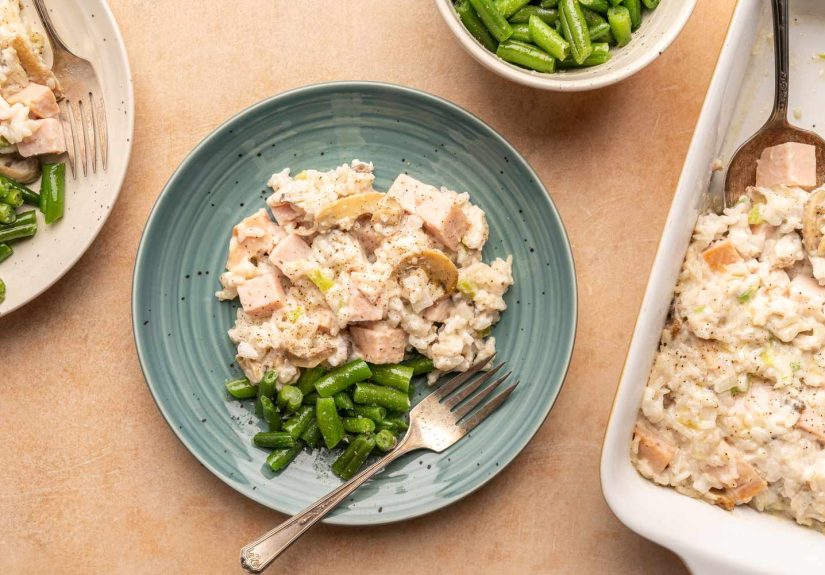
- Easy Turkey & Rice Casserole Recipe
- Best Rice for Turkey Rice Casserole
- Turkey Options: Leftovers, Breast Meat, or Dark Meat
- Flavor Variations for Turkey & Rice Casserole
- How to Make a Homemade Cream Sauce Instead of Canned Soup
- Make-Ahead Instructions
- How to Store and Reheat Leftovers Safely
- Can You Freeze Turkey & Rice Casserole?
- What to Serve with Turkey Rice Casserole
- Common Mistakes to Avoid
- Nutrition and Practical Benefits
- Frequently Asked Questions
- of Experience: What This Recipe Teaches You in a Real Kitchen
- Conclusion
Note: This article is written for web publication in standard American English and is based on widely used U.S. home-cooking methods, practical casserole techniques, and established food-safety guidance for cooked turkey, rice, leftovers, and reheating.
Introduction: The Cozy Casserole That Rescues Dinner
An easy turkey & rice casserole recipe is the kind of dinner that quietly saves the day. It does not arrive wearing a chef’s hat or demanding a blowtorch. It simply takes cooked turkey, rice, vegetables, a creamy sauce, a little cheese, and turns them into a bubbling dish that tastes like somebody planned aheadeven if the real plan was “open the fridge and hope.”
This recipe is especially useful after Thanksgiving, Sunday dinner, or any meal that leaves you with extra cooked turkey. Instead of building another sandwich so tall it needs architectural permits, you can make a warm, creamy, family-friendly casserole that feels fresh, filling, and wonderfully practical. It is also flexible enough for weeknights: use leftover turkey, rotisserie-style turkey breast, cooked brown rice, white rice, wild rice blend, frozen vegetables, or whatever reasonable ingredients are sitting in your kitchen trying to look useful.
The best turkey rice casserole should be creamy without becoming soupy, hearty without being heavy, and flavorful without requiring a spice cabinet with its own ZIP code. Below, you will find a complete recipe, ingredient notes, smart substitutions, make-ahead tips, storage advice, serving ideas, and a 500-word experience section at the end for extra depth and real-life cooking insight.
Why This Easy Turkey & Rice Casserole Works
The magic of this dish comes from balance. Turkey brings lean protein, rice gives the casserole structure, vegetables add color and texture, and the creamy sauce ties everything together like a peace treaty at the dinner table. A little cheese on top adds richness, while breadcrumbs or crushed crackers can create a lightly crisp finish.
This recipe also uses cooked turkey and cooked rice, which keeps the baking time reasonable and helps prevent uneven texture. Raw rice casseroles can work, but they require more liquid, tighter timing, and sometimes a prayer whispered toward the oven door. Using cooked rice gives you more control. The rice absorbs flavor without turning mushy, and the turkey warms through without drying out.
Easy Turkey & Rice Casserole Recipe
Recipe Overview
- Prep time: 15 minutes
- Cook time: 30 to 35 minutes
- Total time: About 50 minutes
- Servings: 6
- Best for: Leftover turkey, weeknight dinner, meal prep, post-holiday meals
Ingredients
- 3 cups cooked turkey, chopped or shredded
- 3 cups cooked rice, white rice, brown rice, or wild rice blend
- 1 tablespoon olive oil or butter
- 1 small yellow onion, finely chopped
- 2 cloves garlic, minced
- 1 cup diced celery
- 1 cup frozen peas and carrots, thawed
- 1 can condensed cream of mushroom soup or cream of chicken soup, 10.5 ounces
- 1/2 cup sour cream or plain Greek yogurt
- 1/2 cup low-sodium chicken broth or turkey broth
- 1 teaspoon poultry seasoning
- 1/2 teaspoon dried thyme
- 1/2 teaspoon kosher salt, plus more to taste
- 1/4 teaspoon black pepper
- 1 cup shredded cheddar cheese, divided
- 1/2 cup grated Parmesan cheese, optional
- 1/2 cup panko breadcrumbs, crushed crackers, or crispy onions for topping
- 1 tablespoon melted butter for topping, optional
- 2 tablespoons chopped parsley for garnish
Step-by-Step Instructions
1. Preheat and Prepare the Baking Dish
Preheat the oven to 375°F. Lightly grease a 9-by-13-inch baking dish or a similar 3-quart casserole dish. This prevents the creamy rice from clinging to the pan like it has emotional attachment issues.
2. Sauté the Aromatics
Heat the olive oil or butter in a skillet over medium heat. Add the chopped onion and celery. Cook for 4 to 5 minutes, stirring occasionally, until the vegetables begin to soften. Add the garlic and cook for another 30 seconds, just until fragrant.
This small step makes a big difference. Raw onion tossed straight into a casserole can taste sharp. Sautéing it first creates a sweeter, deeper flavor that makes the finished dish taste homemade instead of “assembled during a commercial break.”
3. Mix the Creamy Sauce
In a large mixing bowl, combine the cream soup, sour cream or Greek yogurt, broth, poultry seasoning, thyme, salt, and black pepper. Stir until smooth. If the mixture looks very thick, add another splash of broth. The sauce should be creamy and spreadable, not stiff.
4. Add Turkey, Rice, and Vegetables
Add the cooked turkey, cooked rice, sautéed onion mixture, peas and carrots, half of the cheddar cheese, and Parmesan if using. Fold everything together gently until evenly coated. Try not to mash the rice. This is a casserole, not a construction paste.
5. Assemble the Casserole
Spoon the mixture into the prepared baking dish and spread it into an even layer. Sprinkle the remaining cheddar cheese over the top. In a small bowl, mix the breadcrumbs or crushed crackers with melted butter, then scatter them over the cheese for a golden topping.
6. Bake Until Hot and Bubbly
Bake uncovered for 30 to 35 minutes, or until the casserole is hot in the center, lightly browned on top, and bubbling around the edges. If the topping browns too quickly, loosely cover the dish with foil during the final 10 minutes.
7. Rest and Serve
Let the casserole rest for 5 to 10 minutes before serving. This helps the sauce settle and makes it easier to scoop neat portions. Garnish with chopped parsley for freshness and color.
Best Rice for Turkey Rice Casserole
Cooked long-grain white rice is the easiest option because it stays fluffy and blends well with creamy sauces. Brown rice gives the dish a slightly nutty flavor and a heartier texture. Wild rice blend adds a more rustic, holiday-style taste that works beautifully with turkey, mushrooms, thyme, and Parmesan.
Avoid using very wet or overcooked rice. If your rice is clumpy, break it apart with a fork before mixing. Cold leftover rice works especially well because the grains are firmer and less likely to become mushy in the oven.
Turkey Options: Leftovers, Breast Meat, or Dark Meat
This leftover turkey casserole works with white meat, dark meat, or a combination. Turkey breast is lean and mild, while dark meat adds extra moisture and flavor. If your turkey is a little dry, do not panic. Casserole sauce is basically a cozy sweater for leftover poultry.
Chop or shred the turkey into bite-size pieces so every serving gets a fair amount. Large chunks can heat unevenly, while tiny shreds may disappear into the rice. Aim for pieces about the size of a small forkful.
Flavor Variations for Turkey & Rice Casserole
Broccoli Cheddar Turkey Rice Casserole
Swap the peas and carrots for 2 cups of lightly steamed broccoli florets. Use cheddar cheese and a little extra black pepper. This version tastes like a classic broccoli cheese casserole with a protein upgrade.
Mushroom Turkey Wild Rice Casserole
Add 8 ounces of sliced mushrooms to the skillet with the onion and celery. Cook until the mushrooms release their moisture and brown slightly. Use wild rice blend and Parmesan for a deeper, savory flavor.
Southwest Turkey Rice Casserole
Replace the poultry seasoning and thyme with 1 teaspoon chili powder and 1/2 teaspoon cumin. Add 1 cup corn, 1 small can diced green chiles, and Monterey Jack cheese. Serve with cilantro, salsa, or avocado.
Lightened-Up Turkey Rice Bake
Use brown rice, plain Greek yogurt, low-sodium broth, reduced-fat cheese, and extra vegetables. You can also replace condensed soup with a homemade light cream sauce made from butter, flour, broth, and milk.
How to Make a Homemade Cream Sauce Instead of Canned Soup
Condensed soup is convenient, reliable, and perfect when dinner needs to happen before everyone starts circling the kitchen like hungry raccoons. But if you prefer a homemade sauce, it is easy to make.
Melt 3 tablespoons butter in a saucepan over medium heat. Whisk in 3 tablespoons flour and cook for 1 minute. Slowly whisk in 1 cup chicken or turkey broth and 1 cup milk. Cook until thickened, then season with salt, pepper, thyme, garlic powder, and a pinch of poultry seasoning. Use this sauce in place of the condensed soup, sour cream, and broth mixture.
Make-Ahead Instructions
You can assemble this casserole up to 24 hours in advance. Cover it tightly and refrigerate. When ready to bake, let it sit at room temperature for about 20 minutes while the oven preheats. Add the breadcrumb topping just before baking so it stays crisp.
If baking straight from the refrigerator, add 5 to 10 extra minutes to the baking time. The center should be hot before serving.
How to Store and Reheat Leftovers Safely
Store leftover turkey rice casserole in shallow, airtight containers in the refrigerator. For best quality and safety, eat refrigerated leftovers within 3 to 4 days. Reheat portions until steaming hot, and make sure the center reaches 165°F when checked with a food thermometer.
Rice and turkey both need careful handling after cooking. Do not leave the casserole sitting at room temperature for more than 2 hours. If you are serving it at a holiday gathering, place leftovers in the refrigerator promptly rather than letting the dish linger on the counter while everyone debates pie.
Can You Freeze Turkey & Rice Casserole?
Yes, turkey and rice casserole can be frozen. For best results, freeze it before adding the crispy topping. Place cooled casserole in a freezer-safe container, wrap tightly, and freeze for up to 2 months for best texture.
Thaw overnight in the refrigerator before reheating. Add a splash of broth or milk if it looks dry, then cover with foil and bake until hot. Add fresh breadcrumbs or cheese near the end if you want the top to taste newly baked.
What to Serve with Turkey Rice Casserole
This casserole is filling, so simple sides work best. Serve it with a crisp green salad, roasted green beans, steamed broccoli, cranberry sauce, or a bowl of fresh fruit. For a holiday leftovers meal, it pairs nicely with roasted Brussels sprouts, glazed carrots, or a small spoonful of gravy.
If you want something bright to balance the creamy texture, add a lemony salad or vinegar-based slaw. The acidity cuts through the richness and keeps the meal from feeling too heavy.
Common Mistakes to Avoid
Using Too Much Rice
Rice expands the volume of the casserole quickly. If you add too much, the dish can turn dry because the rice absorbs the sauce. Stick close to the recipe ratio, then adjust only if you add more sauce.
Skipping the Seasoning
Turkey and rice are mild ingredients. They need herbs, salt, pepper, broth, aromatics, and cheese to wake them up. Poultry seasoning, thyme, onion, and garlic create a classic comfort-food flavor.
Overbaking the Casserole
Because the turkey and rice are already cooked, the goal is to heat the casserole through and brown the top. Baking too long can dry out the turkey and tighten the sauce.
Adding Watery Vegetables
Frozen vegetables should be thawed and drained. Watery vegetables can thin the sauce and make the casserole loose. If using zucchini or spinach, cook and drain them first.
Nutrition and Practical Benefits
Turkey rice casserole can be a balanced meal when made with lean turkey, vegetables, rice, and a moderate amount of cheese. Turkey provides protein, rice adds energy and comfort, and vegetables bring color, fiber, and freshness. To make it lighter, use brown rice, extra vegetables, reduced-sodium soup or broth, and Greek yogurt instead of sour cream.
It is also a budget-friendly recipe because it stretches leftovers into several servings. A few cups of turkey can become dinner for a family, plus lunch the next day if the casserole survives that long. Around here, leftovers have a mysterious way of disappearing whenever someone owns a fork.
Frequently Asked Questions
Can I use chicken instead of turkey?
Yes. Cooked chicken works perfectly in this recipe. Rotisserie chicken, baked chicken breast, or leftover roast chicken can be used in the same amount.
Can I use uncooked rice?
This recipe is designed for cooked rice. Uncooked rice needs more liquid and a longer covered baking time. For the best texture and easiest results, use rice that has already been cooked.
Can I make this casserole gluten-free?
Yes, but check every packaged ingredient. Use gluten-free cream soup or homemade gluten-free cream sauce, and choose gluten-free breadcrumbs or crushed gluten-free crackers for the topping.
How do I keep the casserole creamy?
Use enough sauce, avoid overbaking, and add a splash of broth if the mixture looks dry before it goes into the oven. Letting the casserole rest after baking also helps the sauce settle into a creamy texture.
of Experience: What This Recipe Teaches You in a Real Kitchen
The first thing you learn from making an easy turkey & rice casserole recipe is that leftovers are not a problem; they are an ingredient with a second career. Turkey often gets judged unfairly after the big meal. On day one, it is the star of the table. By day three, people look at it like an unpaid bill. But when you fold it into rice, creamy sauce, vegetables, and cheese, suddenly it becomes dinner againnot “leftovers,” not “emergency food,” but a dish people actually want to scoop.
One useful experience is learning how much moisture matters. Turkey breast can dry out quickly, especially if it has already been roasted and refrigerated. The casserole sauce brings it back to life. A little broth, sour cream, and cheese create enough richness to soften the turkey without hiding its flavor. If the mixture looks dry before baking, trust your eyes and add another splash of broth. Recipes are guides, but casseroles appreciate common sense.
Another lesson is that texture makes the difference between a good casserole and a forgettable one. Soft rice, tender turkey, and creamy sauce need contrast. That is why the topping matters. Panko breadcrumbs, crushed butter crackers, crispy onions, or even crushed cornflakes can add that golden crunch that makes each bite more interesting. Without a topping, the casserole is still tasty. With a topping, it gets applause from the part of your brain that loves crispy edges.
This recipe also teaches flexibility. You can make it with white rice on Monday, brown rice on Wednesday, and wild rice after Thanksgiving. You can use peas and carrots, broccoli, mushrooms, green beans, corn, spinach, or whatever vegetables are not currently plotting to expire in the crisper drawer. The seasoning can lean classic with thyme and poultry seasoning, or you can push it toward Southwest flavors with cumin, green chiles, and Monterey Jack cheese.
From a family-dinner perspective, turkey rice casserole is practical because it is mild enough for picky eaters but not boring for adults. Kids usually recognize the rice and cheese. Adults appreciate the comfort factor. The cook appreciates that there is only one baking dish to wash. That last part is not a small detail; it is a lifestyle improvement.
The final experience is learning that casseroles are forgiving but not careless. You still need to store leftovers properly, reheat them thoroughly, and avoid leaving cooked turkey and rice at room temperature too long. Good comfort food should make you relaxed, not reckless. When handled well, this casserole becomes one of those recipes you keep in your back pocket for busy nights, post-holiday cleanup, meal prep, or any moment when the refrigerator contains food but no obvious plan.
In the end, this dish proves that simple cooking can still feel thoughtful. It is warm, creamy, affordable, adaptable, and deeply satisfying. It does not need fancy techniques. It just needs good ingredients, a hot oven, and someone willing to believe that leftover turkey deserves a comeback story.
Conclusion
This easy turkey & rice casserole recipe is everything a reliable comfort-food dinner should be: simple, flexible, creamy, and satisfying. It turns cooked turkey and rice into a complete meal with vegetables, herbs, cheese, and a golden topping. Whether you are using Thanksgiving leftovers or planning a practical weeknight dinner, this casserole delivers big flavor without complicated steps.
The recipe also gives you room to customize. Use wild rice for a rustic version, broccoli and cheddar for a family favorite, mushrooms for deeper flavor, or green chiles and Monterey Jack for a Southwest twist. With proper storage and reheating, it can also become an easy meal-prep option that tastes just as comforting the next day.