Table of Contents >> Show >> Hide
- The Spinach Story: A Tiny Rule With a Big Lesson
- Why This Story Went Viral
- Malicious Compliance at the Dinner Table
- Why Kids Reject Vegetables: It Is Not Always Drama
- The Problem With “Three Bites to Get Dessert”
- When “I Can’t Eat That” May Be a Health Clue
- Spinach Is Healthy, But It Is Not Worth a Power Struggle
- What Adults Can Learn From the Spinach Incident
- How to Handle a Child Who Refuses a Food
- What Children Can Learn, Too
- Why This Story Still Matters Today
- Real-Life Experiences: When the Three-Bite Rule Meets Reality
- Conclusion
Every family, camp cafeteria, and school lunchroom has its own tiny food drama. Sometimes it is broccoli sulking under a napkin. Sometimes it is peas being negotiated like an international treaty. And sometimes, as one unforgettable online story shows, it is boiled spinach, a dessert rule, and a child who gives the adults exactly what they asked for.
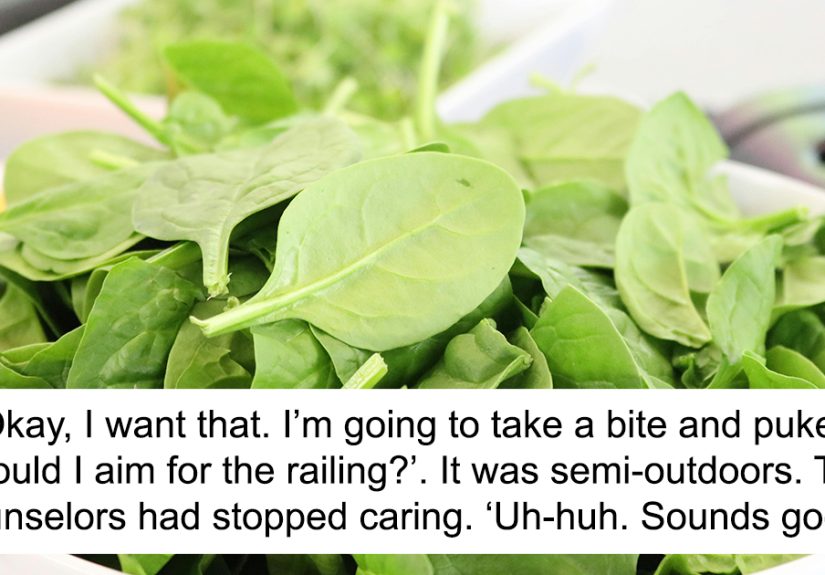
The story is simple enough to sound like a campfire legend: a girl at camp explained that she could not eat spinach because it made her sick. The adults did not believe her. They told her she had to take at least three bites if she wanted dessert. She warned them again. Then she complied. The spinach did what the spinach apparently always did, and the “three bites before dessert” rule suddenly became much less popular.
It is funny in the way classic malicious compliance stories are funny: the rule-maker gets tangled in their own rule. But underneath the punchline is a real conversation about picky eating, food aversions, allergies, respect, and why forcing children to eat can turn dinner into a courtroom drama with mashed potatoes.
The Spinach Story: A Tiny Rule With a Big Lesson
In the story, the girl was at a Girl Scout camp in the late 1970s. Camp was mostly fun, but one night, dinner included boiled spinach. She already knew from a previous experience that spinach did not sit well with her body. This was not a theatrical “I hate green things” complaint. It was more like a weather forecast: spinach goes in, trouble comes out.
Still, the counselors reportedly treated the warning like a common childhood excuse. Their solution was the classic three-bite rule: take at least three bites, then earn dessert. It probably sounded reasonable to the adults. They may have thought they were encouraging healthy eating. They may have believed that kids need a little push to try vegetables. They may also have underestimated the power of a child who has clearly explained the consequences and is now prepared to become a one-person science experiment.
She took the bite. She got sick. The adults learned that “I can’t eat that” should not automatically be translated as “I am plotting against spinach for personal reasons.” And dessert, one assumes, suddenly felt less important than removing boiled greens from the battlefield.
Why This Story Went Viral
People love malicious compliance because it exposes the absurdity of rigid rules. The child did not break the rule. She followed it. The problem was that the rule was not built for reality.
That is what makes the spinach story so shareable. Most readers can remember being forced to eat something they hated. Maybe it was liver. Maybe it was overcooked Brussels sprouts. Maybe it was a casserole with a mysterious crunchy layer nobody in the house was brave enough to identify. The story taps into a universal childhood memory: adults saying, “Just try it,” while your body is saying, “Absolutely not, bestie.”
It also lands because the ending is a neat reversal. The adults wanted obedience. They got obedience. Unfortunately, they also got the consequence the girl had predicted. That is the perfect recipe for internet satisfaction, served warm with a side of “I told you so.”
Malicious Compliance at the Dinner Table
Malicious compliance means obeying the exact wording of a rule in a way that reveals the rule’s flaw. It is not the same as ordinary rebellion. The person complying does not refuse. They do precisely what they were told, while everyone else slowly realizes the instruction was not very smart.
At the dinner table, this can happen when a child is told to “clean your plate,” so they sit there for two hours moving peas around like tiny green furniture. It can happen when a teenager is told to “eat what is served,” so they eat the one plain roll and technically follow directions. In the spinach story, the child followed the three-bite rule until the rule collapsed under its own confidence.
The humor is obvious, but the deeper lesson is better: children are not always exaggerating. Sometimes they are describing a real sensory issue, food intolerance, gag response, allergy concern, or bad previous experience. Adults do not have to surrender all structure at mealtime, but they do need to listen before turning vegetables into a loyalty test.
Why Kids Reject Vegetables: It Is Not Always Drama
Children can reject vegetables for many reasons. Taste is one. Texture is another. Bitter flavors are especially tricky because some people are more sensitive to bitterness than others. A vegetable that tastes “fine” to one person may taste harsh, metallic, or overwhelming to someone else.
Texture is often the real villain. Spinach is a perfect example. Fresh spinach in a salad can be crisp and mild. Sautéed spinach can be silky. Boiled spinach, however, can become slippery, limp, and swamp-adjacent. For a child with strong sensory reactions, that texture can be more than unpleasant. It can trigger gagging or nausea.
Food neophobia, or reluctance to try unfamiliar foods, is also common in childhood. It does not mean a child is spoiled. It is often part of development. Kids are learning what feels safe, predictable, and acceptable. Their food world may be small, but that does not mean it will stay small forever.
The Problem With “Three Bites to Get Dessert”
The three-bite rule usually comes from good intentions. Parents and caregivers want children to eat balanced meals. They know vegetables matter. They worry that if kids are allowed to reject spinach today, tomorrow they will survive entirely on crackers, noodles, and air.
But using dessert as a reward can backfire. It sends a subtle message: vegetables are the obstacle, dessert is the prize. Spinach becomes the toll booth on the highway to cake. That does not make spinach more appealing. It makes dessert more powerful.
Pressure can also create negative associations. A child who might have learned to tolerate spinach over time may instead remember spinach as “the food adults forced me to eat while everyone stared at me.” That is not a recipe for lifelong vegetable love. That is how vegetables get cast as villains in someone’s memoir.
A Better Approach: Exposure Without Pressure
Repeated exposure can help children become more comfortable with new foods, but exposure does not have to mean forced bites. A child can smell a food, touch it, serve it, help cook it, or keep a tiny portion on the plate without being required to swallow it. These small steps matter because they reduce fear and build familiarity.
Instead of saying, “Eat three bites or no dessert,” an adult might say, “This is spinach. It is soft and a little earthy. You do not have to love it today, but it can stay on your plate.” That sentence is not as dramatic, which is precisely why it works better. Dinner should not need a soundtrack.
When “I Can’t Eat That” May Be a Health Clue
Not every food refusal is an allergy or intolerance. A child may simply dislike a flavor. Still, adults should pay attention when a child reports repeated physical symptoms after eating a specific food. Vomiting, stomach pain, rashes, swelling, coughing, wheezing, or trouble breathing are not negotiating tactics. They are reasons to pause and involve a healthcare professional.
Food allergies involve the immune system and can range from mild to severe. Food intolerances often involve digestive discomfort and may not be life-threatening, but they can still make a child miserable. Sensory aversions can also be intense and real, especially when texture, smell, or appearance triggers a strong response.
The practical takeaway is simple: believe children enough to investigate. You do not have to diagnose them at the dinner table. Just avoid turning the meal into a test of toughness. If a food repeatedly causes symptoms, skip the “prove it” routine and talk with a pediatrician or qualified medical professional.
Spinach Is Healthy, But It Is Not Worth a Power Struggle
Spinach has nutritional value. It contains vitamins, minerals, fiber, and plant compounds that can fit nicely into a healthy diet. Popeye did not choose it because it was decorative. But no single vegetable is magical enough to justify a meltdown, a gagging episode, or a lifelong grudge.
There are many ways to build a nutritious plate. If a child cannot handle spinach, try other greens or vegetables prepared differently. Romaine, peas, carrots, cucumbers, sweet potatoes, roasted broccoli, bell peppers, or even a smoothie with a small amount of greens may be easier. Some kids dislike boiled vegetables but enjoy roasted ones because roasting adds sweetness and better texture.
Preparation matters. Boiled spinach can feel slimy. Spinach blended into soup may be smoother. Spinach chopped into an egg dish may be less noticeable. Fresh spinach in a wrap may be acceptable where cooked spinach is not. The goal is not to trick kids. The goal is to offer options without acting like one rejected vegetable is a moral crisis.
What Adults Can Learn From the Spinach Incident
The adult mistake in the story was not serving spinach. The mistake was ignoring information. The girl said she could not eat it. She had a history. She warned them. The adults chose the rule over the child’s lived experience, and the rule lost spectacularly.
Good mealtime leadership is not about total control. It is about structure, calm, and respect. Adults decide what food is offered, when meals happen, and how the environment feels. Children decide whether and how much they eat from what is available. That balance keeps adults from becoming short-order cooks while giving children some body autonomy.
That does not mean dessert has to become an all-access buffet. Families can still have limits. Dessert can be served occasionally, in small portions, and without being framed as a trophy. A calm “We are having dessert tonight” is usually better than “Earn your dessert by defeating the spinach monster.”
How to Handle a Child Who Refuses a Food
1. Stay Neutral
If a child refuses spinach, try not to turn the moment into a dramatic courtroom scene. A neutral response keeps the meal from becoming entertainment. “Okay, you do not have to eat it today” is often more effective than a lecture about vitamins that lasts until bedtime.
2. Ask One Useful Question
Instead of asking, “Why are you being difficult?” try, “Is it the taste, smell, or texture?” A child may not have the perfect words, but the answer can guide you. If texture is the issue, a different preparation might help. If smell is the issue, forcing it will probably make things worse.
3. Offer Tiny Portions
A huge pile of unfamiliar food can feel intimidating. A pea-sized sample or a single leaf is less scary. Children are more likely to explore food when the portion does not look like homework.
4. Pair New Foods With Safe Foods
If the plate includes at least one familiar food, the child is less likely to panic. A safe food does not mean junk food. It simply means something the child reliably eats. This creates a calmer environment for trying something new.
5. Do Not Make Dessert the Judge
When dessert becomes the reward for eating vegetables, vegetables become the unpleasant gatekeeper. Keep dessert separate when possible. This helps children understand that foods have different roles, not different moral rankings.
What Children Can Learn, Too
This is not only a lesson for adults. Children can also learn to describe food problems clearly. “I hate it” is honest, but “The texture makes me gag” is more useful. “My mouth feels itchy when I eat it” is important information. “I feel sick every time I eat this” deserves attention.
Kids can also learn that trying foods is a process. They do not have to love everything immediately. Many adults did not enjoy coffee, olives, mushrooms, or spinach the first time either. Taste can change. Comfort can grow. But that growth usually happens best when food is offered calmly, not when someone is counting bites like a prison guard with a dessert tray.
Why This Story Still Matters Today
The spinach story may have happened decades ago, but the issue is still common. Parents, teachers, camp counselors, and relatives often want children to eat “just a little.” The phrase sounds harmless. Sometimes it is. But when it ignores a child’s body signals, it can become a problem.
Modern conversations around food are more aware of allergies, intolerances, sensory sensitivities, neurodiversity, and healthy relationships with eating. That does not mean every meal must be customized like a luxury hotel menu. It means adults should be curious before they are forceful.
There is a big difference between encouragement and pressure. Encouragement says, “You can try it when you are ready.” Pressure says, “You must try it to prove something.” The first builds trust. The second builds excellent material for future internet stories.
Real-Life Experiences: When the Three-Bite Rule Meets Reality
Many people have a “spinach moment” from childhood. It may not involve spinach, and it may not end with a dramatic camp rule change, but the emotional pattern is familiar. An adult insists. A child resists. The adult assumes the child is being stubborn. The child knows something the adult does not. Then dinner becomes less about nutrition and more about control.
One common experience involves texture. A child may be perfectly willing to eat raw carrots but unable to handle cooked carrots. To adults, that seems inconsistent. To the child, the foods are completely different. Raw carrots snap. Cooked carrots squish. One feels clean and crunchy; the other feels suspicious. The adult sees the same vegetable. The child experiences two separate events.
Another common experience is smell. Some foods smell much stronger to children than adults expect. Fish, eggs, cooked greens, certain cheeses, and cabbage can fill a room with aromas that adults call “savory” and children call “why is the kitchen attacking me?” A sensitive child may lose their appetite before the plate even arrives.
There are also experiences tied to memory. If a child once got sick after eating a food, even by coincidence, that food can become emotionally linked with nausea. The body remembers. The next time the food appears, the child may feel anxious before taking a bite. Telling that child, “You are fine, stop being dramatic,” does not erase the memory. It adds pressure to it.
At camps and schools, the issue can be more complicated because adults are responsible for many children at once. Rules are tempting because they are efficient. “Everyone takes three bites” is easy to enforce. But children are not identical lunch trays. A better system allows children to say, “I cannot eat this,” and gives adults a process for responding safely. That might mean offering an alternative, checking allergy notes, contacting a parent, or simply not making dessert dependent on a food that may cause distress.
Families can also learn from these experiences by creating a calmer script. For example: “You do not have to eat the spinach, but it will stay on the table. You can have your usual dinner foods, and we can talk later about what made it hard.” That response protects nutrition goals without turning the meal into a showdown.
Another helpful experience is involving kids before the meal. A child who helps wash spinach, tear lettuce, sprinkle seasoning, or choose between roasted carrots and cucumber slices may feel more ownership. They still may not eat the food, and that is okay. Familiarity is a step. Not every step has to end in chewing.
The biggest lesson from real-life food battles is that respect works better than pressure. Children who feel heard are often more willing to experiment over time. Children who feel cornered may become more resistant, not because they hate vegetables as a lifestyle brand, but because nobody likes being forced to prove their body is telling the truth.
So yes, the spinach story is funny. It has the perfect setup, the perfect rule, and the perfect consequence. But it also offers a useful reminder: when a child says a food makes them sick, pause before demanding three bites. Dessert can wait. Trust is harder to replace.
Conclusion
The tale of the girl who could not eat spinach and maliciously complied with the three-bite dessert rule is more than a funny internet anecdote. It is a small but memorable lesson in listening. Adults often want children to eat well, and that goal matters. But healthy eating is not built through pressure, disbelief, or dessert-based negotiations. It grows through patience, repeated exposure, safe choices, and respect for a child’s body signals.
Spinach may be nutritious, but no vegetable deserves to become the star witness in a dinner-table trial. When adults listen first, meals become less dramatic, children feel safer, and dessert can go back to being dessert instead of a legal settlement.