Table of Contents >> Show >> Hide
- Understand What Bipolar Disorder Is and What It Is Not
- Learn the Patterns That Usually Cause the Most Trouble at Home
- Do Not Argue With the Episode
- Support Treatment Without Becoming the Medication Police
- Protect Sleep, Routine, and Stress Levels
- Set Boundaries That Protect the Marriage
- How to Respond During Mania or Hypomania
- How to Respond During Bipolar Depression
- Create a Crisis Plan Before You Need One
- Take Care of Yourself Without Feeling Guilty About It
- Can the Marriage Get Better?
- 500 More Words on Real-World Experiences Related to This Topic
- Final Thoughts
- SEO Tags
Living with a husband who has bipolar disorder can feel a little like trying to decorate a room during an earthquake: you want to help, you want stability, and you may secretly wish life came with a giant instruction manual and color-coded tabs. The good news is that bipolar disorder is treatable, relationships can improve, and spouses can learn practical ways to reduce chaos without turning into a full-time crisis manager.
The key is this: your job is not to “fix” your husband. Your job is to understand the illness, respond wisely, encourage treatment, protect your own well-being, and create a home environment that supports recovery. That sounds like a lot because, frankly, it is a lot. But it becomes more manageable when you stop trying to solve everything at once and start focusing on what actually helps.
Understand What Bipolar Disorder Is and What It Is Not
Bipolar disorder is a mental health condition that causes major shifts in mood, energy, activity, sleep, judgment, and daily functioning. A person may cycle through mania or hypomania, depression, or mixed states. These mood episodes are not the same as ordinary stress, irritability, or “having a bad week.” They can seriously affect how someone thinks, speaks, spends money, handles responsibilities, and relates to the people they love.
That matters in marriage because symptoms can look personal when they are partly medical. During mania, your husband may talk faster, sleep less, act unusually confident, get impulsive, or become irritable and argumentative. During depression, he may withdraw, lose motivation, sleep too much or too little, struggle to think clearly, or seem emotionally far away. None of this makes the impact on you less real. But understanding the illness helps you respond with strategy instead of pure hurt.
It is also important to avoid two extreme mistakes. The first is excusing every harmful behavior because “it’s the bipolar.” The second is treating bipolar disorder as a character flaw. Healthy support lives in the middle: you can recognize that an illness is involved and still hold clear boundaries around safety, respect, honesty, and treatment.
Learn the Patterns That Usually Cause the Most Trouble at Home
If you want to know how to deal with a husband who has bipolar disorder, start by noticing patterns instead of reacting only to dramatic moments. Most spouses do not get blindsided out of nowhere forever. Over time, they begin to see warning signs.
Common signs of an upswing
- Needing less sleep but acting unusually energized
- Talking faster, louder, or more than usual
- Big plans, grand ideas, or unrealistic confidence
- Impulsive spending or risky decisions
- More irritability, agitation, or conflict
- Using alcohol or drugs, or dismissing treatment
Common signs of a downswing
- Low energy and heavy fatigue
- Withdrawal from family, work, or hobbies
- Hopeless talk or harsh self-criticism
- Difficulty making simple decisions
- Sleep and appetite changes
- Neglecting chores, routines, or personal care
Think of these as dashboard lights, not personal attacks. If you wait until the car is literally on fire, the conversation gets much harder.
Do Not Argue With the Episode
One of the most useful marriage tips for bipolar disorder is also one of the least glamorous: do not try to win a logic contest against a mood episode. During mania, your husband may be unusually certain that his new business plan, overnight life reset, or spontaneous cross-country idea is brilliant. During depression, he may be equally certain that nothing will ever improve. In either state, arguing harder usually does not create insight. It usually creates friction.
Instead, use calm, short, respectful language. Try phrases like:
- “I can see your energy is really high right now.”
- “I’m not trying to fight you. I’m trying to help us slow this down.”
- “Let’s wait until tomorrow before we make a money decision.”
- “You don’t have to solve everything tonight.”
- “I’m concerned because this feels different from your usual self.”
The goal is not to deliver a TED Talk in your kitchen. The goal is to reduce stimulation, lower defensiveness, and guide the moment toward safety and treatment.
Support Treatment Without Becoming the Medication Police
Bipolar disorder usually improves with consistent treatment, which often includes medication, psychotherapy, psychoeducation, and ongoing monitoring. Family or couples-based therapy can also help. But here is where many spouses get trapped: they swing from helpful support into full-time supervision.
That rarely ends well. You are his wife, not his parole officer, pharmacist, and crisis hotline rolled into one person wearing yoga pants.
A better approach is collaborative support. When your husband is stable, talk about what kind of help actually feels useful to him. For example:
- Would reminders help, or feel controlling?
- Would he like you to attend occasional appointments?
- Can you both agree on what early warning signs mean “call the psychiatrist”?
- Would a shared calendar for appointments and sleep routines help?
Use language that protects dignity. “How can I support your treatment plan?” lands much better than “Clearly I have to manage this because you won’t.”
If he frequently stops treatment when he feels better, talk about that pattern during a calm period, not in the middle of conflict. Many people with bipolar disorder feel tempted to stop medication when they miss the energy of mania or assume they are “fine now.” A written plan can help when memory and judgment get shaky later.
Protect Sleep, Routine, and Stress Levels
Sleep and routine matter more than many couples realize. Irregular sleep, overstimulation, chaotic schedules, and high stress can make bipolar symptoms harder to manage. That does not mean your home must feel like a military base with bedtime alarms and a spreadsheet for cereal. It does mean stability helps.
Try to protect a few anchors:
- Regular sleep and wake times
- Consistent meals
- Predictable household routines
- Reasonable boundaries around work stress and late-night stimulation
- Reduced alcohol and substance use
If you notice your husband sleeping less and acting more energized, do not brush it off as “He’s just in a productive mood.” Sometimes the first warning sign of mania is not fireworks. Sometimes it is simply three nights of bad sleep followed by a suspicious amount of confidence.
Set Boundaries That Protect the Marriage
Boundaries are not punishments. They are safety rails. Without them, both spouses can get pulled into a cycle of fear, resentment, rescuing, and chaos.
Important boundary areas
- Money: Consider limits on major purchases, joint access rules, or a pause agreement for big financial decisions during mood changes.
- Communication: No screaming, threats, or verbal cruelty gets a free pass because someone is unwell.
- Parenting: If children are involved, decide in advance what happens when symptoms escalate.
- Treatment: You cannot force recovery, but you can be honest about what you need in order to remain emotionally safe.
- Your time and health: You are allowed to rest, leave a heated conversation, see your own therapist, and say no.
A useful formula is: care + clarity. For example: “I love you, and I’m here. But I won’t continue this conversation while you’re yelling.” Or: “I care about what you’re going through, but we are not making a five-thousand-dollar decision tonight.”
Many spouses fear that boundaries are cold. In reality, boundaries are often what keep love from getting crushed under exhaustion.
How to Respond During Mania or Hypomania
Mania and hypomania can be especially hard on a marriage because the person may feel powerful, productive, charming, or completely convinced that nothing is wrong. Meanwhile, you may be standing there thinking, “This is definitely not normal, and why are we suddenly researching food trucks at 2:14 a.m.?”
When symptoms rise, focus on these priorities:
- Lower stimulation. Reduce conflict, noise, crowds, and unnecessary drama.
- Delay major decisions. Put off spending, travel, quitting jobs, confrontational family meetings, and social media meltdowns.
- Encourage professional contact quickly. Early action is usually easier than late cleanup.
- Stay calm and brief. Long emotional speeches often backfire.
- Watch safety closely. If there is psychosis, dangerous behavior, or an inability to stay safe, seek urgent emergency help.
If your husband becomes highly agitated, paranoid, threatening, or disconnected from reality, treat that as a medical emergency, not a relationship debate. Safety comes first. Always.
How to Respond During Bipolar Depression
Depression can be quieter than mania, but it can strain a marriage just as deeply. A depressed husband may seem distant, slow, numb, hopeless, or unreachable. Spouses often interpret this as rejection. Sometimes it feels like the marriage disappeared into fog.
What helps most is simple, steady support:
- Offer specific help instead of vague encouragement
- Keep expectations realistic for the day
- Encourage appointments, medication adherence, meals, movement, and basic routine
- Avoid shaming language like “snap out of it” or “other people have it worse”
- Take hopeless talk seriously
Try practical phrases such as:
- “I’m here with you.”
- “What feels hardest today?”
- “Would it help if I sat with you while you call your doctor?”
- “Let’s just focus on one next step.”
Depression often shrinks a person’s world. Your job is not to drag him out of it by force. Your job is to keep a path open toward help.
Create a Crisis Plan Before You Need One
Every couple dealing with bipolar disorder should have a crisis plan made during a stable period. Not during a blowup. Not during a tearful midnight argument. During a calm week, with coffee, paper, and honest conversation.
Your bipolar disorder marriage plan can include:
- His psychiatrist, therapist, primary care provider, and pharmacy information
- Medications and allergies
- His early warning signs
- What he wants you to do if symptoms escalate
- Trusted family or friends who can help
- Which hospital or urgent psychiatric service to use if needed
- Insurance information
Also discuss what counts as an emergency in your household. Examples may include psychosis, inability to care for himself, severe impulsive behavior, threats, or talk of wanting to die. Clarity now can save precious time later.
Take Care of Yourself Without Feeling Guilty About It
If you are searching for how to support a husband with bipolar disorder, you also need to search for how to support yourself. Caregiver burnout is real. Spouses often become hypervigilant, sleep poorly, walk on eggshells, and neglect their own physical and emotional needs. Over time, resentment can grow even inside a loving marriage.
Self-care here is not bubble-bath nonsense unless you personally find bubble baths life-changing. It is more serious than that. It means:
- Having your own therapist or support group
- Talking to trusted friends or family
- Taking breaks without apologizing for existing
- Keeping your own medical appointments
- Protecting sleep, nutrition, and exercise
- Knowing what behavior you will and will not live with
Support groups for families can be especially helpful because they reduce the isolation that often comes with loving someone with a serious mental health condition. There is something deeply healing about hearing, “Yes, my house got weird too, and no, you are not imagining this.”
Can the Marriage Get Better?
Yes, a bipolar marriage can absolutely get better, especially when the illness is identified clearly, treatment is consistent, communication improves, and both partners stop fighting the same battle in opposite directions. Progress usually does not look like perfection. It looks like earlier intervention, fewer destructive episodes, more honest conversations, better routines, and a stronger sense of teamwork.
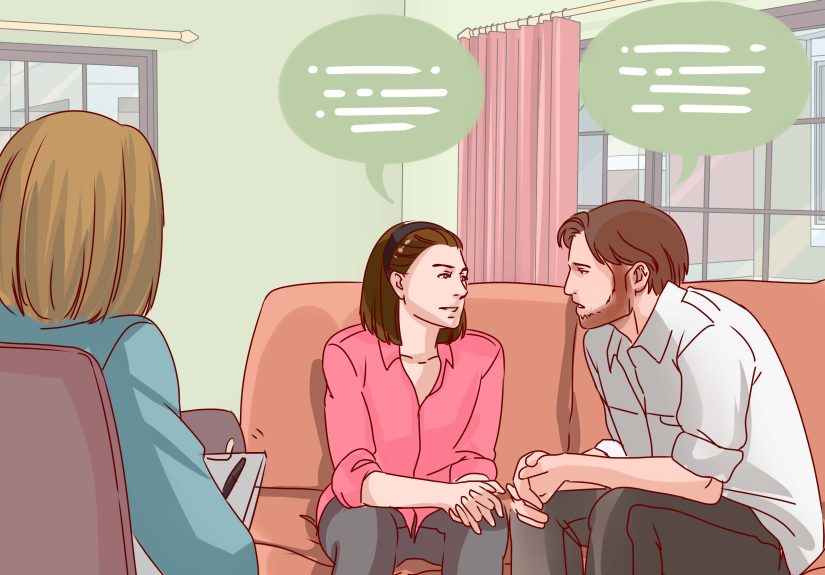
Couples counseling can help when things are stable enough for both people to participate constructively. It can be useful for rebuilding trust, handling resentment, strengthening communication, and agreeing on boundaries and crisis plans. In many marriages, the breakthrough happens when the couple stops viewing the other person as the enemy and starts viewing bipolar disorder as the problem they have to outsmart together.
Still, hope should be realistic. Love alone is not a treatment plan. Patience alone is not a boundary. And good intentions alone do not protect a family from unmanaged symptoms. Real improvement usually comes from a combination of care, structure, treatment, accountability, and support.
500 More Words on Real-World Experiences Related to This Topic
Many wives who live with a husband who has bipolar disorder describe the experience in stages. At first, there is often confusion. They know something feels off, but they cannot tell whether it is stress, personality, burnout, a midlife crisis, depression, or a relationship problem. One month their husband is energetic, charming, and full of plans. The next month he is withdrawn, flat, angry, or unable to function. That unpredictability can make a spouse doubt her own judgment.
Then comes the stage of personalization. This is the painful season when a wife starts asking herself questions like, “Did I cause this?” “Is he acting this way because he doesn’t love me?” “Why can he be normal with coworkers but not with me?” These questions are common because marriage is intimate, and symptoms often spill out most intensely at home. Home is where the guard comes down. Home is also where the emotional bill gets delivered.
Another common experience is hypervigilance. Many spouses become experts at reading tiny signs: the shorter sleep, the faster talking, the extra coffee, the sudden certainty, the shopping tab explosion, the unusual irritability, the grand plan that sounds genius at breakfast and alarming by lunch. A wife may find herself constantly scanning for clues, almost like an emotional weather forecaster. That skill can be useful, but it can also be exhausting. Living in constant alert mode wears people down.
Many wives also describe grief, and this part does not get talked about enough. They may grieve the ease they thought marriage would have. They may grieve trust that was damaged during severe episodes. They may grieve the version of their husband that seems to disappear when symptoms take over. Grief does not mean the marriage is doomed. It means something real has been hard, and pretending otherwise does not help.
At the same time, many spouses say the relationship improved when they learned three things. First, they stopped treating every conflict as a standard marriage argument. Second, they started separating symptoms from character without excusing harmful behavior. Third, they built routines and plans before the next episode arrived. Those shifts often reduce chaos dramatically.
Some wives talk about how treatment changed the tone of the home. When medication was adjusted properly, therapy became regular, sleep improved, and the couple had a plan for warning signs, life became less reactive. Not magically easy. Just less like emotional whiplash. More like a house where people can breathe again.
It is also common for spouses to learn that they need support of their own. A wife may love her husband deeply and still need therapy, boundaries, weekends with friends, private tears in the car, or a support group that understands serious mental illness in marriage. That is not betrayal. That is maintenance.
Perhaps the most hopeful experience many partners report is this: the marriage becomes more stable when both people become honest. Honest about symptoms. Honest about limits. Honest about fear. Honest about medication, sleep, money, resentment, and recovery. Bipolar disorder adds complexity to marriage, but it does not erase the possibility of loyalty, humor, tenderness, and real partnership. In many cases, couples come through stronger not because bipolar disorder is romantic or “meant to be,” but because they finally learn how to face it with clarity instead of chaos.
Final Thoughts
If you are wondering how to deal with a husband who has bipolar disorder, the most helpful answer is this: respond with compassion, structure, boundaries, and urgency when needed. Learn the signs. Encourage treatment. Protect sleep and routine. Build a crisis plan. Get support for yourself. And remember that loving someone with bipolar disorder does not require you to disappear.
You can be supportive without becoming consumed. You can be kind without becoming passive. And you can believe in your husband’s recovery while still being honest about what the marriage needs in order to stay healthy.