Table of Contents >> Show >> Hide
- Why Do Popular Things Become Popular in the First Place?
- Popular Things People Often Say They Don’t Understand
- Why Some People Reject Popular Trends
- The Internet Makes Every Trend Feel Bigger Than It Is
- What These Confusing Trends Reveal About Us
- Personal Experiences: Watching Popular Trends From the Sidewalk
- Conclusion: You Don’t Have to Get It
Every generation has its own mystery shelf: things everyone seems to love, buy, watch, wear, quote, stream, collect, or defend with the energy of a courtroom attorney while other people stare from the sidelines thinking, “Wait… this?” That is the charming chaos behind the topic “People Are Pointing Out Things That Are Popular But They Don’t Get Why.” It is not simply about being grumpy, out of touch, or allergic to fun. Sometimes it is a very normal reaction to living in a culture where trends move faster than a toddler with a marker near a white couch.
From viral water bottles and pickleball courts to influencer culture, sports betting apps, luxury sneakers, superhero fatigue, streaming overload, and the eternal question of why everyone suddenly needs a podcast, popular things can feel confusing. One person sees community, comfort, or entertainment. Another sees noise, hype, and an invoice with processing fees.
The interesting part is that popularity does not always equal quality, but it usually signals something. A trend may offer belonging, convenience, status, nostalgia, escapism, or just a shared joke that got wildly out of hand. So instead of simply rolling our eyes at what people love, let’s unpack why some popular things leave others completely baffled and what that says about modern culture.
Why Do Popular Things Become Popular in the First Place?
Trends rarely explode by accident. Even when they look random, they usually ride on a mix of timing, visibility, emotion, and social proof. Social proof is the simple human habit of looking at what others are doing when we are unsure what to do ourselves. If a restaurant has a line around the block, we assume the food must be good. If a product has thousands of reviews, we assume it must work. If everyone at school has the same cup, haircut, app, or shoes, suddenly “I don’t care” becomes “Maybe I should investigate.”
Social media has turned this natural instinct into a 24-hour trend machine. Platforms do not just show us what is popular; they repeat it until it feels impossible to avoid. A song becomes a dance. A dance becomes a challenge. A challenge becomes a brand partnership. Then, before anyone can explain what happened, your uncle is using the sound in a Facebook reel about lawn fertilizer.
The Role of FOMO
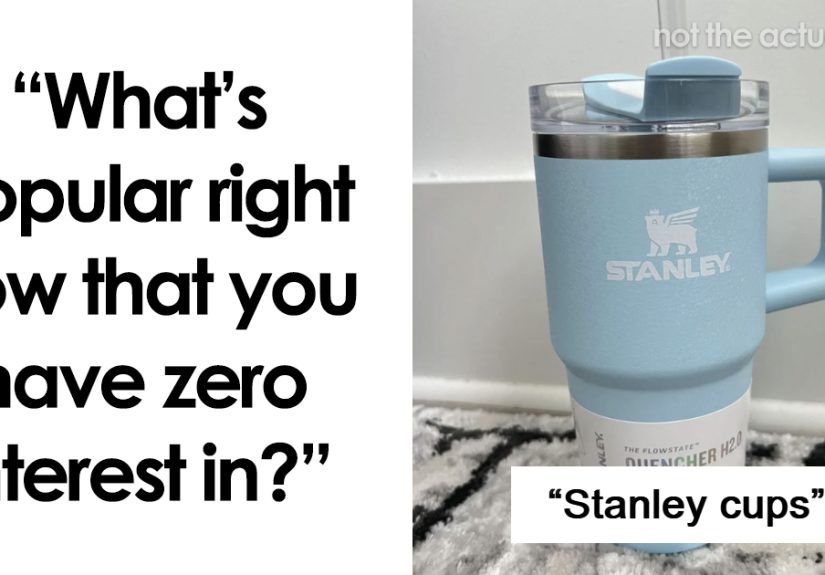
Fear of missing out is one of the strongest engines behind modern popularity. People may not want the item, event, or experience at first, but they do not want to be the only one who does not understand it. That is why limited-edition drops, viral products, and sold-out events work so well. Scarcity makes ordinary things feel urgent. A tumbler is no longer just a tumbler. It is a tiny passport to cultural participation, preferably in a color named something like “desert rose cloud mist.”
Identity Is Part of the Purchase
Many popular things are not just things; they are identity badges. Wearing certain sneakers, watching certain shows, using certain apps, or drinking certain coffee tells people something about you. Sometimes that message is accurate. Sometimes it is marketing wearing a cute hat. Either way, trends help people signal taste, values, humor, income, group membership, or lifestyle. That is why some people defend popular things so fiercely. You are not just criticizing their favorite mug. You are poking the personality they built around it.
Popular Things People Often Say They Don’t Understand
Not every trend confuses everyone, of course. But several categories show up again and again when people talk about things that are wildly popular but personally baffling.
1. Influencer Culture
Influencers can be entertaining, useful, funny, and genuinely skilled at building community. Still, many people do not understand why strangers online have so much power over what others buy, wear, eat, or believe. The confusion grows when influencer recommendations feel less like honest enthusiasm and more like a shopping channel filmed in a beige kitchen.
The appeal, however, is easy to understand once you see influencers as modern word-of-mouth. People trust faces more than logos. A brand saying “This serum is amazing” sounds like advertising. A person with good lighting saying “This saved my skin” feels like a friend whispering a secret even when that friend has a discount code and a ring light powerful enough to guide ships.
2. Streaming Overload
Streaming was supposed to save us from cable. Now many viewers have five subscriptions, three forgotten passwords, and a monthly bill that looks suspiciously like cable wearing athleisure. Streaming is popular because it offers convenience, variety, and control. But for people who miss simpler viewing habits, the endless menus can feel less like entertainment and more like homework.
The paradox is real: having more choices can make choosing harder. Some people open a streaming app, scroll for 28 minutes, watch a trailer, lose interest, and go to bed. That may be the most relatable modern ritual after checking the fridge multiple times to see if new food appeared.
3. Pickleball Mania
Pickleball has become one of America’s fastest-growing recreational sports, and its fans are deeply committed. To outsiders, though, the obsession can seem sudden. One day people were casually walking in parks. The next day every unused tennis court had been claimed by paddles, plastic balls, and cheerful competitors discussing kitchen violations like constitutional law.
The popularity makes sense: pickleball is easier to start than tennis, more social than many gym workouts, and friendly to a wide age range. It also gives adults something surprisingly rare a low-pressure way to play. Still, if you do not enjoy the sound of plastic balls popping back and forth for hours, you may need spiritual strength near public courts.
4. Sports Betting
Sports betting has moved from the margins into mainstream American entertainment. Ads, apps, odds, and promotions now appear around games so often that even casual viewers may feel like they accidentally enrolled in a statistics course. For fans who enjoy strategy and risk, betting can add excitement. For others, it turns a relaxing game into a spreadsheet with emotional consequences.
The confusion often comes from the intensity. Some people cannot understand why watching a favorite team is not enough. Others worry about how easily betting apps blend entertainment with financial risk. Popularity, in this case, does not erase concern; it explains why the conversation is getting louder.
5. Expensive Concerts and “Event” Culture
Live music can be magical. A crowd singing the same chorus can make even a person with the emotional range of a toaster feel something. But concert culture can also be exhausting: high ticket prices, resale markups, parking fees, service fees, merch lines, and the tall person who always appears directly in front of you at the exact wrong moment.
People who do not get concerts often ask why anyone would pay so much to stand in a crowd and watch a performer mostly through phone screens. Fans would answer that live events create memories, community, and once-in-a-lifetime energy. Both sides have a point. One side has a friendship bracelet. The other has comfortable shoes and no ringing ears.
6. Viral Products That Feel Ordinary
Every few months, the internet chooses an object and crowns it king. A cup. A lip balm. A pair of shoes. A blanket. A countertop appliance. Suddenly, people are posting hauls, unboxings, rankings, reactions, and “honest reviews” of something that previous generations might have described as “a thing from the cabinet.”
Viral products are often popular because they combine function with aesthetics and community. People are not always buying the object; they are buying the feeling of being in on the moment. That does not mean the product is bad. It just means the hype can grow larger than the item itself. At some point, the cup is no longer holding water. It is holding the entire weight of consumer culture.
7. Podcasts About Everything
Podcasts are popular because they are convenient, intimate, and perfect for multitasking. You can listen while commuting, cooking, cleaning, walking, or pretending to clean while standing in the kitchen eating crackers. But not everyone gets the appeal. Some people find long conversations soothing. Others feel trapped in an elevator with two people discussing microphone equipment.
The podcast boom also created a strange situation where everyone seems to have a show. Comedians, actors, experts, influencers, former reality stars, and possibly your dentist all have episodes now. The best podcasts are insightful and entertaining. The worst ones feel like a group project nobody edited.
8. Beauty Trends That Require Maintenance
Lash extensions, elaborate nail art, skincare routines with twelve steps, high-maintenance haircuts, and cosmetic “tweakments” can be empowering for people who enjoy beauty as self-expression. But others see the time, cost, and upkeep and wonder when looking “effortless” became a part-time job.
Beauty trends often become popular because they photograph well. In a visual-first culture, what looks good on camera can spread quickly. The downside is that real life does not come with studio lighting, filters, or a pause button. A trend that looks flawless online may feel impractical while carrying groceries in the rain.
Why Some People Reject Popular Trends
Disliking a popular thing does not always mean someone is trying to be different. Sometimes they simply have different priorities. A person who values quiet may not enjoy crowded festivals. Someone who hates clutter may not understand collecting limited-edition products. A practical shopper may see viral fashion and think, “That will be in a donation bin by Thursday.”
There is also a fatigue factor. The more aggressively something is promoted, the more some people resist it. When a song appears in every short video, every store playlist, and every car commercial, even a good song can start to feel like it owes you rent. Overexposure can turn curiosity into annoyance.
Popularity Can Feel Forced
One reason people question popular things is that modern hype often looks manufactured. Algorithms amplify content. Brands seed products with creators. Fans organize campaigns. Public relations teams turn ordinary moments into viral talking points. The result can feel less like organic excitement and more like being chased through the internet by a marketing department in sneakers.
Personal Taste Still Matters
No trend is universal. Some people love superhero movies; others feel exhausted after the third glowing portal in the sky. Some love luxury athleisure; others cannot understand paying premium prices to look like they are almost going to the gym. Some love spicy viral snacks; others prefer food that does not require a waiver.
That is the beauty of personal taste. You are allowed to opt out. You do not have to understand every trend to respect that someone else enjoys it. At the same time, enjoying something popular does not require turning it into a moral crusade. It is okay for one person’s obsession to be another person’s shrug.
The Internet Makes Every Trend Feel Bigger Than It Is
One of the biggest reasons popular things feel confusing is that the internet exaggerates visibility. When algorithms notice you paused on one video, they may show you twenty more. Suddenly, it seems like the whole world is obsessed with a niche topic when, in reality, you have been placed in a temporary digital tunnel.
This is why people often ask, “Why is everyone talking about this?” Sometimes everyone is not talking about it. Your feed is. The difference matters. Social platforms can make a trend feel universal long before it actually is. That creates cultural whiplash: you wake up one morning and discover there is a celebrity feud, a new slang term, a micro-aesthetic, and a snack ranking that apparently everyone already understands.
What These Confusing Trends Reveal About Us
When people point out popular things they do not understand, they are usually revealing more than annoyance. They are showing what they value. Someone confused by luxury handbags may value practicality. Someone baffled by sports betting may value low-stress entertainment. Someone tired of influencer culture may value privacy or authenticity. Someone who dislikes viral slang may simply enjoy sentences that survive longer than a fruit fly.
Popular culture acts like a mirror, but not everyone likes what it reflects. It shows our desire to belong, our hunger for novelty, our love of convenience, and our tendency to turn ordinary objects into symbols. It also shows how quickly attention moves. Today’s “must-have” can become tomorrow’s “Remember when everyone bought that?”
Personal Experiences: Watching Popular Trends From the Sidewalk
There is a particular feeling that comes from watching a trend sweep through your social circle while you remain completely unmoved. It is not anger exactly. It is more like standing outside a party where everyone is cheering for a game you do not know the rules to. You can tell people are having fun. You are happy for them. You also have no desire to enter the room and buy the team jersey.
Many people have experienced this with viral products. A friend shows up with the latest must-have item and speaks about it with religious seriousness. It keeps drinks cold. It fits in the car cup holder. It comes in seasonal colors. It has accessories. It has a community. Meanwhile, you are thinking, “My old cup also holds water, and it has never asked me to join a lifestyle.” The funny part is that both reactions are valid. For one person, the product adds joy to daily routines. For another, it is just a container with excellent public relations.
The same thing happens with entertainment. Maybe everyone at work is talking about a hit show, and you try an episode so you can participate in the Monday conversation. Twenty minutes in, you realize you are checking your phone, reorganizing your snack drawer, and wondering whether the ceiling fan has always made that sound. You do not hate the show. You simply do not feel the magic. Then someone says, “It gets good in season three,” which is a bold request for a relationship that has barely survived the pilot.
Concert culture is another common divide. Some people live for the roar of the crowd, the lights, the shared emotion, and the thrill of seeing an artist in real time. Others imagine the traffic, the price, the bathroom line, and the possibility of standing behind someone recording the entire show on a tablet. For the first group, the inconvenience is part of the adventure. For the second, the couch is undefeated.
Sports trends can create similar confusion. Pickleball, for example, has converted many people who never considered themselves athletic. They find friendship, movement, and laughter in it. But if you are not part of that world, its sudden takeover of parks and recreation centers can seem almost suspiciously organized. One month nobody mentions it. The next month three relatives own paddles and are using phrases like “third shot drop” at dinner.
Then there are digital trends: viral dances, reaction formats, slang, memes, and challenges that appear everywhere for two weeks and vanish like they were never real. Trying to keep up can feel like studying for an exam written by teenagers and sponsored by an energy drink. At some point, many adults make peace with not knowing. They choose serenity. They let the meme pass overhead like a weather system.
The best approach is not to mock every trend or blindly join every wave. It is to ask a simple question: does this add value to my life? If yes, enjoy it without apology. If no, let it pass without bitterness. Not every popular thing needs your participation. Sometimes the healthiest response to a trend is a polite nod from a safe distance.
Conclusion: You Don’t Have to Get It
Popular things become popular for many reasons: social proof, smart marketing, timing, community, convenience, nostalgia, status, and plain old fun. But nobody is required to understand every obsession. Culture is too big, too fast, and too weird for universal agreement. That is part of what makes it interesting.
The next time people are raving about a trend you do not get, consider two truths at once. First, there may be a real reason it resonates with them. Second, you are completely free to remain unbothered. You can skip the viral cup, mute the overplayed song, ignore the celebrity drama, pass on the betting app, avoid the crowded concert, and still live a full and hydrated life.
In the end, the phrase “I don’t get why this is popular” is not just a complaint. It is a reminder that taste is personal, attention is limited, and not every cultural wave needs to knock us over. Sometimes it is enough to watch it roll by, smile, and go back to enjoying the unpopular little things that make perfect sense to us.