Table of Contents >> Show >> Hide
- What Is Swamp Soup?
- Why This Swamp Soup Recipe Works
- Swamp Soup Recipe at a Glance
- Ingredients You’ll Need
- How to Make Swamp Soup
- Tips for the Best Swamp Soup
- The Best Greens for Swamp Soup
- Easy Variations
- What to Serve With Swamp Soup
- How to Store and Reheat Swamp Soup
- Common Mistakes to Avoid
- Swamp Soup Recipe FAQ
- Experiences With Swamp Soup: Why This Recipe Sticks With People
- Conclusion
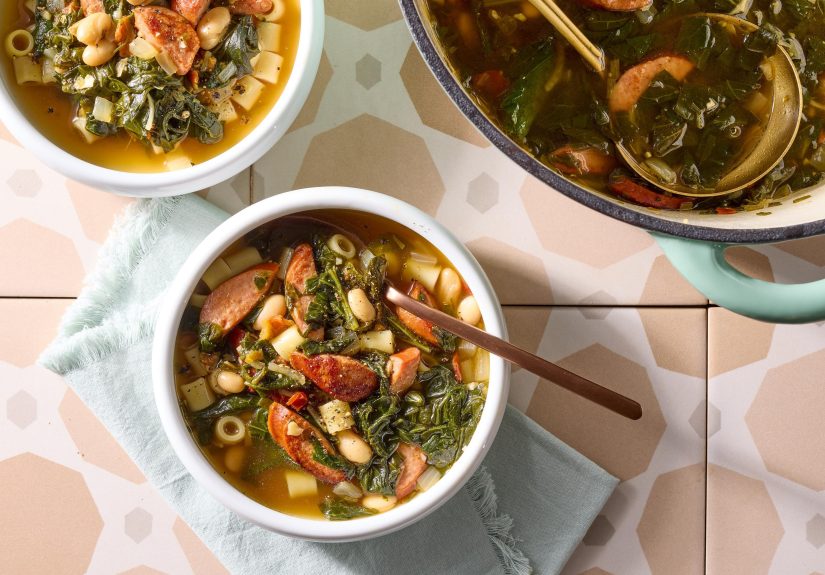
If a recipe name sounds like it was invented on a dare, there is a very good chance it is either deeply questionable or deeply delicious. Thankfully, swamp soup falls into the second category. This cozy Southern-style soup is hearty, smoky, packed with greens, and far prettier than its name suggests. The “swamp” part comes from the rich green color of the broth once leafy greens melt into the pot. In other words, it looks rustic, tastes fantastic, and absolutely deserves a seat at the dinner table.
A great swamp soup recipe usually brings together smoked sausage, beans, greens, broth, and a few aromatics that make the whole kitchen smell like somebody in the house really knows what they are doing. Some versions include potatoes, some stir in pasta, and some lean harder into heat with Creole seasoning or chiles. That flexibility is part of the charm. Swamp soup is not fussy food. It is practical, flavorful, cold-weather-friendly, and wonderfully forgiving for home cooks.
This version keeps the soul of the dish intact while making it easy enough for a weeknight. It is rich without being heavy, loaded with texture, and easy to customize based on what is in your fridge. So grab a soup pot, your favorite wooden spoon, and maybe a slice of cornbread for moral support.
What Is Swamp Soup?
Swamp soup is a Southern-inspired soup built around greens, sausage, and beans. Depending on who is stirring the pot, you may also find potatoes, tomatoes, pasta, black-eyed peas, collards, kale, turnip greens, or a splash of vinegar for brightness. The name sounds dramatic, but the concept is simple: take a few bold, comforting ingredients and simmer them until the broth turns savory, silky, and green enough to earn the “swamp” nickname.
That flexibility is why the dish has spread so widely online. It hits the sweet spot between pantry soup and comfort food classic. It is also a smart recipe for cooks who like a little wiggle room. Don’t have collards? Use kale. No cannellini beans? Great Northern beans will not file a complaint. Want more heat? Add extra Creole seasoning or a spoonful of hot sauce and let the soup strut a little.
Why This Swamp Soup Recipe Works
The secret to a memorable bowl is balance. Smoked sausage brings salt, fat, and depth. Beans make the soup satisfying and creamy. Greens add earthiness and color. Onion, celery, and garlic build the flavor base, while tomatoes and vinegar keep the broth from feeling too heavy. Potatoes add body and help turn this into a full meal instead of “just soup,” which is something no hungry person has ever said with joy.
This recipe also uses ingredients that are easy to find in standard American grocery stores. That matters. A great web recipe should not require a three-store scavenger hunt and a spiritual pep talk.
Swamp Soup Recipe at a Glance
- Prep time: 15 minutes
- Cook time: 40 to 45 minutes
- Total time: About 1 hour
- Servings: 6 to 8
- Difficulty: Easy
Ingredients You’ll Need
- 2 tablespoons olive oil
- 14 ounces smoked sausage, sliced into rounds
- 1 medium yellow onion, chopped
- 3 celery stalks, sliced
- 4 garlic cloves, minced
- 2 medium Yukon Gold potatoes, diced
- 2 cans cannellini beans, drained and rinsed
- 1 can diced tomatoes with green chiles
- 6 cups chicken broth
- 1 teaspoon Creole seasoning
- 1/2 teaspoon black pepper
- 6 packed cups chopped greens, such as turnip greens, collards, or kale
- 2 teaspoons apple cider vinegar
- Salt, to taste
- Optional for serving: hot sauce, lemon wedges, cornbread, or shredded Parmesan
Ingredient Notes
Smoked sausage: Andouille is excellent if you want more kick, but kielbasa or another smoked sausage works beautifully. If you use raw sausage instead, cook it thoroughly before building the soup.
Greens: Turnip greens give classic swampy color and a pleasant bite. Collards are sturdier and deeply savory. Kale is easy, familiar, and weeknight-friendly.
Beans: Cannellini beans create a creamy, hearty texture, but black-eyed peas or Great Northern beans are also great choices.
Vinegar: This is not optional in spirit, even if it is technically optional in the recipe. That small splash wakes everything up.
How to Make Swamp Soup
- Brown the sausage. Heat the olive oil in a large Dutch oven or soup pot over medium heat. Add the sausage and cook until browned around the edges, about 5 to 6 minutes. Remove a few pieces for garnish if you want the final bowl to look extra charming.
- Build the flavor base. Add the onion and celery to the pot. Cook for 4 to 5 minutes until softened. Stir in the garlic and cook for 30 seconds, just until fragrant.
- Add the broth ingredients. Stir in the potatoes, beans, diced tomatoes with green chiles, chicken broth, Creole seasoning, and black pepper. Bring the pot to a gentle boil.
- Simmer. Reduce the heat and simmer for 12 to 15 minutes, or until the potatoes are fork-tender.
- Add the greens. Stir in the chopped greens a handful at a time. They will look like too much at first, because greens enjoy being dramatic. Cover and simmer for another 5 to 8 minutes, until tender.
- Finish the soup. Stir in the apple cider vinegar. Taste and adjust with salt, extra black pepper, or hot sauce if needed.
- Serve hot. Ladle into bowls and serve with cornbread, crusty bread, or crackers.
Tips for the Best Swamp Soup
1. Brown the sausage well
Those caramelized bits at the bottom of the pot are flavor gold. Do not rush this step. A little browning goes a long way toward a deeper broth.
2. Don’t overcook the greens
Collards and turnip greens need time to soften, but kale cooks faster. Add delicate greens later so they stay tender instead of tired.
3. Use acid at the end
Apple cider vinegar or a squeeze of lemon makes the soup taste brighter and less flat. It is the culinary version of opening a window after frying bacon.
4. Keep the broth brothy
Swamp soup should be hearty, but not cement-like. If it thickens too much as it sits, add a little broth when reheating.
5. Make it your own
This recipe is forgiving. If your pantry sends you in a slightly different direction, the soup will usually still reward you.
The Best Greens for Swamp Soup
If you are wondering which greens to use, here is the quick answer: whichever ones you like enough to finish in a bowl. Turnip greens are classic and a little peppery. Collards are rich, sturdy, and Southern to the core. Kale is convenient and mild enough for skeptical eaters. Spinach works in a pinch, but it creates a softer texture and less of that classic swampy look.
For the most layered flavor, combine two greens. A mix of collards and kale gives you body, color, and tenderness. That blend also makes the soup taste like it simmered longer than it actually did, which is always a nice trick.
Easy Variations
Swamp Soup With Pasta
Add 3/4 cup small pasta, such as ditalini, during the last 10 minutes of cooking. You may need extra broth since pasta likes to drink the pot dry.
Swamp Soup With Black-Eyed Peas
Swap the cannellini beans for black-eyed peas for a more earthy, Southern flavor profile.
Spicy Swamp Soup
Use andouille sausage and increase the Creole seasoning. A pinch of red pepper flakes also helps the soup wake up with purpose.
Vegetable-Heavy Swamp Soup
Add carrots, extra celery, or even chopped zucchini. It may drift slightly from the classic formula, but a soup pot allows creativity without calling the authorities.
Swamp Soup With Ham
Leftover ham works especially well with collards and beans. It is a wonderful post-holiday variation and a smart way to use what you already have.
What to Serve With Swamp Soup
The obvious winner is cornbread. Slightly sweet cornbread next to smoky, savory soup is one of those food pairings that makes you briefly believe everything will be fine. Crusty French bread is also great if you want something chewy for dipping.
For a fuller meal, pair swamp soup with a crisp slaw, a simple green salad, or roasted sweet potatoes. If you are serving a crowd, put hot sauce, lemon wedges, chopped scallions, and shredded cheese on the table so everyone can customize their bowl.
How to Store and Reheat Swamp Soup
Let the soup cool slightly, then transfer it to shallow airtight containers. Refrigerate within 2 hours of cooking. Properly stored, it keeps well in the fridge for up to 4 days. You can also freeze it for longer storage. If the soup contains potatoes, the texture may soften a little after freezing, but the flavor still holds up nicely.
To reheat, warm it on the stovetop over medium-low heat until hot throughout. Add a splash of broth or water if it has thickened in the fridge. If you used raw pork sausage in a variation, make sure it was fully cooked before storage. Poultry sausage should also be cooked to a safe temperature. Food safety is not glamorous, but neither is regretting soup.
Common Mistakes to Avoid
- Using too little seasoning: Beans and greens need enough salt and spice to shine.
- Skipping the vinegar: Without acid, the soup can taste dull.
- Adding all greens too early: Some greens turn mushy if they simmer forever.
- Overloading the pot with starch: Potatoes and pasta are both good, but using too much of both can make the soup too thick.
- Not tasting before serving: The final adjustment is where good soup becomes great soup.
Swamp Soup Recipe FAQ
Why is it called swamp soup?
Because the greens tint the broth deep green, giving it a swampy look. The name may be goofy, but the flavor is serious comfort food.
Can I make swamp soup ahead of time?
Yes. In fact, it often tastes even better the next day because the flavors have more time to mingle and get acquainted.
Can I make it in a slow cooker?
Absolutely. Brown the sausage and aromatics first, then add everything except the greens and vinegar. Cook on low for 6 to 7 hours, stir in the greens near the end, and finish with vinegar before serving.
Is swamp soup spicy?
It can be, but it does not have to be. The spice level depends on the sausage, tomatoes, and seasoning you choose.
Can I use canned greens?
You can, but fresh or frozen greens give a better texture and cleaner flavor. Canned greens can make the soup taste more one-note and salty.
Experiences With Swamp Soup: Why This Recipe Sticks With People
There are certain recipes that do more than feed people. They become part of the rhythm of a home. A good swamp soup recipe often lands in that category because it is the kind of dish people make once for curiosity and then make again because it quietly solves a lot of dinner problems. It is inexpensive, flexible, deeply comforting, and somehow tastes like a recipe someone’s aunt has been perfecting since cable television was still exciting.
One of the most common experiences people have with swamp soup is initial suspicion followed by immediate loyalty. The name does not exactly whisper elegance. It sounds like something a mischievous uncle would invent at a camping trip. But once the pot starts bubbling and the sausage, garlic, onions, and broth begin doing their thing, all skepticism starts packing its bags. The smell alone changes the mood in the kitchen. Suddenly, this oddly named soup becomes the meal everyone is hovering around with a spoon.
Swamp soup also tends to create the kind of cooking experience that feels low-stress in the best way. It does not demand perfect knife skills, artisan-level broth, or ingredients you can only find in one tiny store that closes at 3 p.m. on weekdays for no apparent reason. You chop, brown, simmer, taste, and adjust. That makes it especially popular for busy evenings, chilly weekends, and those odd in-between days when you want dinner to feel homemade without turning the kitchen into an emotional obstacle course.
Another reason the recipe resonates is that it invites adaptation without punishment. Families end up developing “their” version. One household swears by collards and hot sausage. Another likes kale and white beans with a little lemon at the end. Someone else tosses in leftover ham after the holidays and refuses to apologize for it. These little changes create memories around the recipe, and that is often what turns a good soup into a keeper.
Swamp soup is also one of those dishes that tends to taste even better as leftovers, which makes the experience feel like a small life victory. You open the fridge the next day, reheat a bowl, and discover the broth is richer, the greens are more integrated, and lunch has basically taken care of itself. In a world where many leftovers inspire only mild resignation, that is a respectable achievement.
Then there is the serving experience. Put a pot of swamp soup on the table with cornbread, hot sauce, and maybe a wedge of lemon, and people naturally settle in. It is not flashy food. It is cozy food. It encourages second helpings, casual conversation, and that happy silence that happens when everybody is too busy eating to say much. It feels especially right on cold nights, rainy days, or whenever comfort is needed more than culinary drama.
In that way, swamp soup is more than a trendy recipe name. It is a practical, flavorful meal that delivers the kind of experience many home cooks are actually looking for: something easy enough to make again, flexible enough to personalize, and good enough that people ask for the recipe before the pot is empty.
Conclusion
If you want a soup that is affordable, adaptable, satisfying, and full of Southern comfort, this swamp soup recipe is worth making. It turns humble ingredients into something rich and memorable, and it works equally well for weeknight dinners, casual gatherings, and next-day leftovers. Most importantly, it proves that a dish with a slightly ridiculous name can still be the smartest thing on the menu.