Table of Contents >> Show >> Hide
- What Makes Wax Atelier Different?
- The Beauty of Natural Wax Products
- From Candles to Waxed Textiles: A Thoughtful Product Range
- Sustainability Without the Lecture
- How to Style Wax Atelier Products at Home
- What to Know Before Buying Natural Wax Candles
- Why Wax Atelier Resonates Now
- Experiences Inspired by Wax Atelier in London
- Conclusion: A Small Flame with a Big Design Story
There are candles you light because the power has gone out, and then there are candles you light because your dining table deserves a small standing ovation. Wax Atelier in London belongs firmly in the second category. This East London studio has turned natural wax into something far more expressive than a household basic. Its work feels part candle, part sculpture, part quiet rebellion against the plastic-heavy, mass-produced objects that crowd modern homes.
Founded in 2017 by multidisciplinary designers Lola Lely and Yesenia Thibault-Picazo, Wax Atelier is known for handmade wax products created with natural materials, traditional craft techniques, and a thoughtful approach to sustainability. The studio revisits old-world methods such as candle dipping, paper making, and textile finishing, but the result is anything but dusty. Think elegant beeswax candles, naturally dyed tapers, waxed textiles, sculptural flowers, and poetic objects that look as if they wandered out of a design gallery and decided to stay for dinner.
The charm of Wax Atelier is not only in how its products look. It is in how they are made, what they are made from, and the slower, more sensory way they invite people to live. In a world of plug-in fragrance gadgets and decor that changes faster than a social media trend, Wax Atelier makes a persuasive case for materials with memory, craft with character, and candles that do more than smell like “vanilla cupcake thunderstorm.”
What Makes Wax Atelier Different?
Wax Atelier is not a typical candle company. It is a design studio that uses wax as a primary language. The brand’s philosophy sits at the intersection of craft, design, and the circular economy, which is a polished way of saying: beautiful objects should not be careless objects. Every piece is shaped by material research, handwork, and respect for natural resources.
The studio’s practice is rooted in East London, where its makers explore beeswax, plant waxes, natural dyes, cotton wicks, paper, linen, and other humble materials. Instead of hiding the hand of the maker, Wax Atelier celebrates it. Slight shifts in color, texture, and shape are not flaws; they are proof that a human being was involved. Imagine that: a product with a personality, and it does not even need a software update.
A Studio Built on Natural Wax
Natural wax is central to the Wax Atelier story. Beeswax, in particular, has a long history in candle making because it burns with a warm glow, carries a gentle honeyed scent, and has a tactile richness that synthetic-looking decor rarely achieves. Wax Atelier also experiments with plant waxes and natural colorants, including dyes derived from botanical and waste-stream sources. The result is a palette that feels earthy, subtle, and alive rather than loud or artificially perfect.
This is one reason Wax Atelier candles photograph beautifully but still feel useful. They are refined enough for an interior designer’s mood board, yet simple enough for a birthday cake, a dinner party, a mantel, or a Sunday evening when the dishes are done and the room needs one small golden flame.
Traditional Techniques, Contemporary Taste
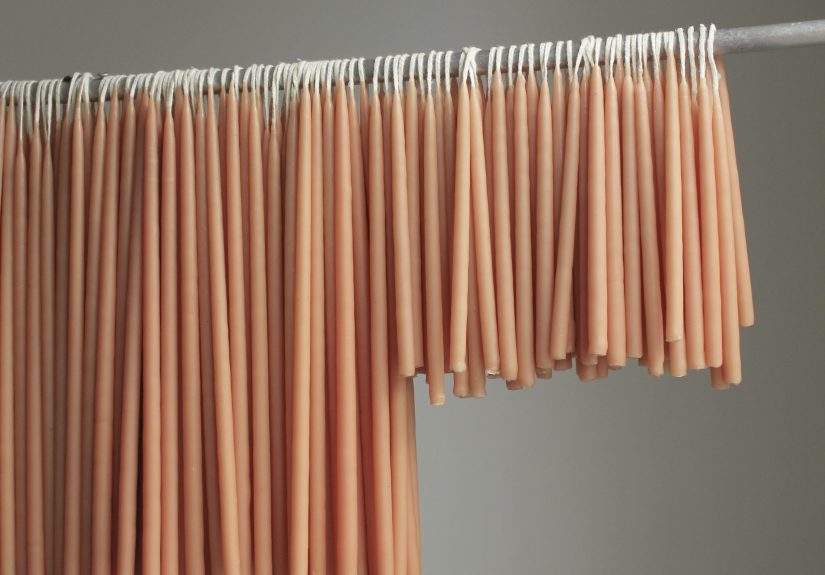
One of Wax Atelier’s signature methods is hand dipping. In this process, a wick is repeatedly dipped into molten wax, building up layer after layer until the candle reaches the desired form. Thin candles may need fewer dips, while chunkier, more sculptural pieces require more patience. It is slow, repetitive, and precisethe opposite of instant gratification, which is exactly why it feels special.
Hand dipping gives Wax Atelier products their quiet irregularity. No two batches are completely identical. Natural dyes may vary. The wax can hold tiny traces of process. The object becomes both practical and poetic: a candle that can light a room, decorate a table, and make guests ask, “Where did you get those?” which is dinner-party gold.
The Beauty of Natural Wax Products
The phrase “natural wax products” can sound a bit plain until you see what Wax Atelier does with the material. Wax is soft but structural, humble but luxurious, ancient but surprisingly modern. It can be dipped, folded, molded, wrapped, tinted, scented, polished, and reshaped. In the right hands, it becomes a design material with almost endless personality.
Wax Atelier understands that the beauty of wax lies in its responsiveness. It changes with heat, sets with cool air, and carries impressions from the making process. Unlike hard plastics or glossy factory finishes, wax has warmth. It looks touchable. It catches light. It can make a simple room feel layered and considered without shouting for attention.
Beeswax Candles with Character
Wax Atelier’s beeswax candles are among its most recognizable pieces. Their forms range from slender celebration candles to twisted tapers, dining candles, and decorative bouquets. Some feel minimal and architectural; others are playful, floral, or almost edible-looking. That range is part of the appeal. The studio treats candles not merely as fragrance vessels but as objects of design.
Beeswax candles also appeal to people who prefer materials that feel closer to nature. While “natural” does not automatically mean a candle is safer or better in every technical sense, natural waxes remain popular because they offer an appealing sensory profile: warm color, subtle scent, and a connection to traditional making. When paired with cotton wicks and careful craftsmanship, they become a thoughtful choice for people who care about both atmosphere and material origin.
Natural Dyes and Soft Color Palettes
Color is another place where Wax Atelier stands apart. Many mass-market candles use bold synthetic colors designed to catch attention on a shelf. Wax Atelier’s palette is gentler: mossy greens, soft pinks, creamy whites, seaweed tones, warm yellows, and other shades that feel borrowed from gardens, minerals, tea leaves, and old textiles.
These colors work beautifully in interiors because they do not overpower a room. A green beeswax taper can sit beside ceramic plates and linen napkins without looking theatrical. A pink blossom tone can bring warmth to a bedside table without turning the room into a candy shop. The overall effect is elegant, organic, and quietly festive.
From Candles to Waxed Textiles: A Thoughtful Product Range
Although candles are the star of the show, Wax Atelier’s work stretches beyond the candlestick. The studio has explored waxed linen wraps, wax paper flowers, ornaments, aromatics, accessories, and collaborations with design-led brands. This wider product range reveals the real ambition behind the studio: to show how natural wax can make everyday objects more beautiful, functional, and emotionally engaging.
Waxed Linen and Everyday Utility
Waxed textiles are a natural extension of the studio’s philosophy. Beeswax-coated linen can be used as a reusable food wrap, offering an alternative to disposable plastic wrap. The material is flexible, wipeable, and practical, but it also has a rustic elegance that makes a wrapped loaf of bread look like it is about to be photographed for a very tasteful cookbook.
This is where Wax Atelier’s sustainability thinking feels especially grounded. The brand is not asking people to live in a museum of fragile objects. It is creating pieces that can be used, handled, gifted, washed, stored, and used again. The design is beautiful, but the beauty has a job.
Wax Flowers, Ornaments, and Sculptural Details
Wax Atelier’s more decorative pieces show the sculptural possibilities of wax. Wax-dipped flowers, paper forms, seasonal ornaments, and candle bouquets all demonstrate how the material can preserve delicacy while adding structure. A dipped petal or paper shape gains texture, translucency, and durability. It becomes familiar and unfamiliar at the same time.
These objects are perfect for people who want decor that feels handmade but not homespun in the “glitter accident at the craft table” sense. They are refined, artistic, and charmingly tactile. They can dress a holiday table, brighten a shelf, or turn a small gift into something memorable.
Sustainability Without the Lecture
Sustainability can become exhausting when brands turn it into a sermon. Wax Atelier takes a more persuasive route: it makes the sustainable option beautiful. The studio’s focus on natural wax, small-batch production, handcraft, reuse, and local making gives customers a reason to care that is emotional as well as ethical.
The circular economy is not just a trendy phrase here. Wax can be remelted, reshaped, and reimagined. Offcuts and remnants can inspire new forms. Natural materials can be handled with respect rather than treated as disposable ingredients. The studio’s work suggests that sustainability is not only about reducing harm; it is also about increasing attachment. We keep what we love. We repair what has meaning. We use the special candles instead of hiding them in a drawer for a mythical “perfect occasion” that never arrives.
How to Style Wax Atelier Products at Home
Wax Atelier pieces are versatile because they sit comfortably between design object and everyday item. You do not need a London townhouse, a marble fireplace, or a dining room that has its own Instagram account. A simple wooden table, a clean shelf, or a bedside tray is enough.
For the Dining Table
Use hand-dipped beeswax tapers in mixed heights for an easy, relaxed tablescape. Pair soft green or cream candles with linen napkins, handmade ceramics, and seasonal flowers. For a more playful look, use twisted candles or candle bouquets as the centerpiece. The trick is to avoid making everything too perfect. Natural wax looks best when the setting feels lived in.
For Gifting
Wax Atelier candles make excellent gifts because they feel personal without requiring you to guess someone’s shoe size, wall color, or complicated coffee order. A set of celebration candles can suit birthdays, dinner hosts, housewarmings, holidays, or thank-you gifts. They are useful, beautiful, and small enough to avoid the dreaded “Where am I supposed to put this?” problem.
For Quiet Rituals
Not every candle needs a party. A natural beeswax candle can become part of a reading routine, bath ritual, journaling session, or slow breakfast. The soft flame gives a room a sense of pause. In a culture that treats rest like a suspicious activity, this is no small thing.
What to Know Before Buying Natural Wax Candles
Natural wax candles are beautiful, but good candle care still matters. Choose candles with properly made wicks, stable shapes, and clear safety guidance. Burn candles within sight, keep them away from curtains, papers, and dried flowers, and place them in suitable holders. Trim wicks when needed and avoid burning candles in drafty spots, where uneven flames can cause dripping or smoking.
It is also smart to use candles in well-ventilated rooms, especially if you are sensitive to fragrance or smoke. Even high-quality candles involve combustion, and burning candles can contribute to indoor particles. The goal is not to panic and live by flashlight; it is to enjoy candles sensibly. Think of it as candle etiquette: beautiful flame, stable holder, watchful eye, and no dramatic exits while it is still burning.
Why Wax Atelier Resonates Now
Wax Atelier has become especially appealing because it answers several modern desires at once. People want homes that feel calmer. They want decor with a story. They want fewer throwaway objects and more pieces that feel connected to craft. They also want beauty that is not sterile or mass-produced. Wax Atelier meets all of those needs with a material that is ancient, renewable in spirit, and deeply sensory.
The studio’s success also reflects a broader shift in luxury. Luxury is no longer only about shine, logos, or extravagance. Increasingly, it is about time, skill, provenance, and restraint. A hand-dipped beeswax candle may be small, but it contains all four. It takes time to make. It requires skill. It comes from a clear material story. And it does not need to scream to be noticed.
Experiences Inspired by Wax Atelier in London
The best way to understand Wax Atelier is to imagine entering a working studio where the air is warm with wax, racks hang overhead, and color appears not as a flat coating but as something slowly built through touch. This is not the sterile world of conveyor belts and identical products. It is more like a kitchen, a workshop, and an artist’s studio having a very civilized conversation.
One of the most memorable experiences related to Wax Atelier is the sense of slowness. Watching or imagining the dipping process changes how you see a candle. Suddenly, a taper is not just a taper. It is a stack of decisions: wax temperature, dye strength, wick tension, cooling time, number of dips, final trimming, and the patience to let the object settle. When you place that candle on a table, it carries the quiet drama of its making. It is small, yes, but so is a handwritten note, and nobody sensible calls that meaningless.
Using a natural wax candle at home can also change the atmosphere of a room in subtle ways. Light one during dinner and the table immediately feels more intentional, even if the meal is takeout in disguise. Place a pair of beeswax candles beside a vase of herbs or garden flowers and the whole setting becomes softer. The flame adds movement. The wax adds warmth. The natural color keeps things grounded. It is the kind of decor upgrade that does not require repainting a wall, assembling furniture, or pretending to understand electrical wiring.
There is also pleasure in gifting Wax Atelier-style products. Natural wax candles feel thoughtful because they are both beautiful and consumable. They do not demand permanent space in someone’s home, yet they offer an experience: a birthday wish, a dinner glow, a quiet evening, a holiday table, a small ceremony. That makes them ideal for hosts, design lovers, newlyweds, creative friends, or anyone who has ever said, “I don’t need anything,” while clearly needing a little loveliness.
For people interested in sustainable living, the experience is practical as well as aesthetic. Waxed linen wraps can turn ordinary food storage into a more mindful routine. Wrapping bread, cheese, fruit, or a sandwich in a reusable waxed cloth feels refreshingly low-tech. There are no batteries, no app, no subscription planjust fabric, wax, and common sense. It is sustainability with a pleasingly human scale.
Perhaps the most valuable experience Wax Atelier offers is permission to appreciate everyday materials again. Wax, paper, linen, cotton, flowers, and natural dyes are not rare in themselves. What is rare is the attention given to them. Wax Atelier reminds us that beauty often comes from looking closely at simple things and asking what else they can become. That is a useful lesson for interiors, for shopping, and possibly for life in generalthough life, regrettably, does not come with a perfectly hand-dipped wick.
Conclusion: A Small Flame with a Big Design Story
Wax Atelier in London proves that natural wax products can be elegant, useful, sustainable, and full of character. By combining beeswax, plant waxes, natural dyes, hand-dipping techniques, and contemporary design thinking, the studio has created a world where candles and wax objects feel both ancient and fresh. Its products are not just pretty things for pretty shelves. They are invitations to slow down, notice materials, gather around a table, give better gifts, and choose objects with a little more soul.
For anyone who loves handmade candles, sustainable home decor, natural materials, or craft-led design, Wax Atelier is a name worth knowing. Its work glows in the literal sense, of course, but also in the quieter way that thoughtful objects do: by making ordinary moments feel considered, warm, and just a bit more magical.