Table of Contents >> Show >> Hide
- What fitness trackers are good at (and what they’re not)
- Why trackers belong in preventive care (yes, even in a packed schedule)
- Clinical use cases that actually make sense
- How to use tracker data without drowning in it
- Remote monitoring and reimbursement: helpful, but choose wisely
- Privacy, trust, and the reality that not all data is protected the same way
- A “physician-friendly” way to embrace trackers starting tomorrow
- Conclusion: Embrace the wrist, keep the science
- Experiences from the front lines: what physicians often notice when trackers enter the chat
Somewhere between the stethoscope and the snack drawer, modern medicine gained a tiny new accessory: the wrist-worn fitness tracker. Patients love them. Tech companies love them. Your clinic’s front desk may not love the “My watch says I’m dying” phone calls. But here’s the twist: when physicians embrace fitness trackers (with a sane workflow and clear expectations), these devices can become one of the most practical tools for preventive care, behavior change, and patient engagement.
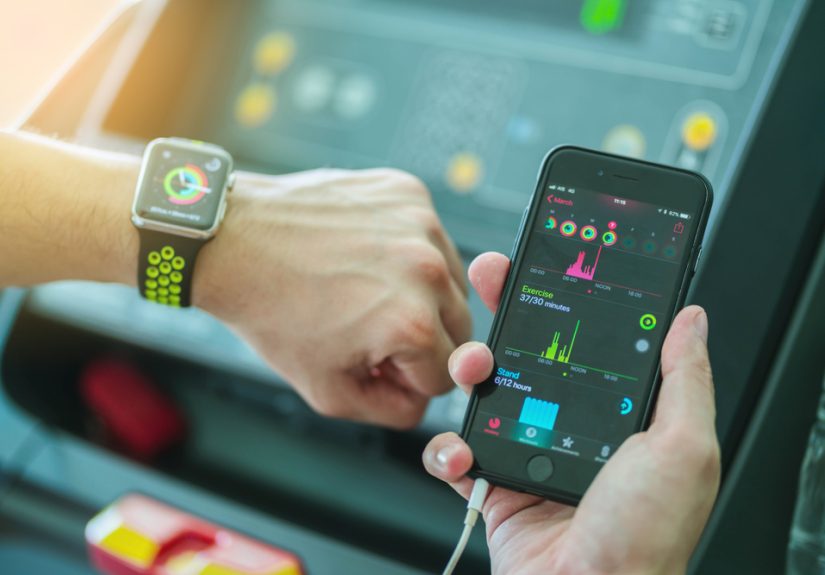
Fitness trackers don’t replace exams, labs, or clinical judgment. They’re not a diagnosis. They’re not a magical truth bracelet. Think of them as a conversation starter with receipts: an ongoing stream of patient-generated data that can help you spot trends, coach smarter goals, and meet patients where they already arestaring at their step count at 10:48 p.m., bargaining with themselves like it’s a late-night game show.
What fitness trackers are good at (and what they’re not)
Good: turning “I’m pretty active” into a number
Self-reported activity is famously… optimistic. Trackers provide an objective (if imperfect) estimate of movement that’s useful for counseling around physical activity targets. In the U.S., widely cited guidance for adults is at least 150 minutes per week of moderate-intensity activity plus muscle-strengthening activities on 2 days per week. That’s a clear, actionable goal and trackers make it easier for patients to see how their week actually went. (Spoiler: “Busy” is not a cardio zone.)
Good-ish: heart rate trends, especially at rest and steady movement
Wrist-worn optical sensors can measure heart rate reasonably well in many everyday contexts, particularly at rest and during steady activities. But accuracy can vary with motion, fit, skin tone, body size, and device typeso heart rate data should be framed as a helpful trend rather than an EKG substitute.
Not great: calorie burn as a clinical metric
The “calories burned” number is often the least reliable metric. Even when heart rate is fairly accurate, energy expenditure estimates can be off enough to mislead patients and frustrate clinicians. If a patient is using calories as the main success marker, it may be worth a gentle reset: focus on behaviors (minutes active, steps, strength sessions) and outcomes (BP, A1C, symptoms, function) rather than a single flashy number.
Tricky: sleep stages and readiness scores
Sleep duration trends can be useful for behavior change discussions, but “sleep stages” and proprietary readiness scores are best treated as directional signals. They can still be valuableespecially when used to prompt better sleep hygiene, screen for insomnia risk, or start a discussion about sleep apnea symptomsbut they’re not a sleep study.
Why trackers belong in preventive care (yes, even in a packed schedule)
They make the guidelines feel doable
“Exercise more” is vague. “Hit 150 minutes this week” is clearer. “Let’s add 10 minutes after dinner, four nights a week” is even better. Trackers help patients translate guidance into daily actions and build momentum through feedback loopsespecially for those who like seeing progress as a graph instead of a lecture.
They support behavior change without requiring a weekly pep talk from you
Many trackers use goal-setting, reminders, streaks, and social features that reinforce habits. Physicians can harness these tools by prescribing simple, individualized targets and reviewing trends briefly at follow-ups. You don’t have to become your patient’s personal trainer; you just have to help them choose the right scoreboard.
They can turn “motivational interviewing” into “motivational monitoring”
The best counseling often asks: “What’s realistic for you?” Tracker data helps answer that. If a patient averages 2,000 steps/day, a 10,000-step goal may be discouraging. A better plan might be “add 500–1,000 steps/day over two weeks,” then reassess. That’s evidence-informed goal setting that respects the patient’s baseline.
Clinical use cases that actually make sense
Cardiometabolic health: walking prescriptions that stick
For many patients with hypertension, dyslipidemia, prediabetes, obesity, or sedentary lifestyles, the simplest intervention is increasing movement. Trackers make low-barrier walking plans measurable. Rather than debating “gym vs. no gym,” you can focus on dose: minutes, steps, frequency, and whether the patient is breaking up long sedentary stretches.
Practical example: a “minimum effective dose” plan for a sedentary adult might be:
- Week 1–2: add 10 minutes of brisk walking after lunch 3 days/week
- Week 3–4: increase to 5 days/week
- Week 5–6: add one strength session (bodyweight or bands)
- Tracker metric to watch: active minutes (or step average), plus resting heart rate trend
Arrhythmia flags: useful when framed correctly
Some consumer wearables include features that can notify users of irregular rhythms suggestive of atrial fibrillation (AFib) or allow a single-lead ECG recording on supported devices. These tools can help prompt timely clinical evaluation when symptoms or alerts occurbut they are not a blanket screening solution for everyone.
Two realities can coexist:
- Wearables can detect possible AFib and generate patient-initiated data that may be clinically useful in context.
- Population-wide screening in asymptomatic people is still debated, and U.S. preventive guidance has judged evidence insufficient to recommend for or against screening in certain groups.
Your role: keep patients calm, clarify what an alert means, and apply clinical reasoning. “Your watch noticed an irregular pattern. That’s a reason to evaluatehistory, risk factors, confirmatory testingnot a reason to panic or start treatment based on a notification.”
Post-op, rehab, and functional recovery
Step counts and activity trends can help track recovery trajectories and identify patients who aren’t progressing as expected. The data isn’t perfect, but even an imperfect trend line can cue a useful question: “What’s getting in the waypain, fear of movement, shortness of breath, depression, or lack of support at home?”
Mental health and stress: movement as a co-treatment
Patients often benefit from concrete movement goals as part of depression and anxiety care plans (when clinically appropriate). Trackers can support gentle accountability: sleep/wake consistency, daily walks, and reminders to break up long sitting periods. The device becomes a low-stakes coach that doesn’t bill by the hour.
How to use tracker data without drowning in it
The biggest barrier isn’t the technologyit’s workflow. If your EHR becomes a dumping ground for raw step-by-step logs, nobody wins. A physician-friendly approach focuses on summaries, thresholds, and patient interpretation.
A simple 3-layer “PGHD” framework
- Patient summary first: Ask the patient to bring (or message) a weekly summary screenshot: average steps, active minutes, resting HR, and sleep duration trend. (Not every chart. Not the “readiness llama score.”)
- Clinician-reviewed metrics second: You pick 1–2 metrics tied to the care plan (e.g., active minutes and resting HR for a cardiometabolic plan).
- Escalation rules third: Define what triggers evaluation (e.g., persistent tachycardia symptoms, concerning irregular rhythm alerts, syncope symptoms, or red-flag dyspnea). Otherwise, trends inform coaching, not emergency visits.
Documenting without turning into a data clerk
Use a short templated line in your note:
“Reviewed patient-reported wearable summary: avg steps ~4,200/day (up from ~3,100), active minutes 95/week, resting HR down 4 bpm. Reinforced plan: add 10-min walk after dinner 4x/week; follow up in 6 weeks.”
Remote monitoring and reimbursement: helpful, but choose wisely
There’s a difference between “talking about a tracker” and running a formal remote monitoring program. If you’re considering remote patient monitoring (RPM), physician organizations offer practical playbooks and guidance on implementation, including patient selection, staffing, device onboarding, and clinical escalation pathways.
Billing rules can be specific. For example, some RPM coding guidance emphasizes minimum days of collected data in a 30-day period for certain services. Translation: build the program like a clinical service, not like a gadget-of-the-month club.
Privacy, trust, and the reality that not all data is protected the same way
HIPAA is not a force field around all wearable data
Many consumer apps and devices are not covered by HIPAA unless they’re offered by, or on behalf of, a HIPAA-regulated entity (or functioning as a business associate). Patients often assume their tracker data is automatically protected the same way their medical record is. Physicians can help patients understand the difference, especially when patients are asked to connect apps, share data, or authorize third-party access.
Interoperability is improvingso expectations are rising
Federal interoperability policies increasingly support patient access to health information via standardized APIs, which helps patients use smartphone apps to view and manage their data. This is good for patient empowermentbut it also means patients will show up with more data and more questions. The winning move is to set expectations: “Bring a summary, not a firehose.”
Equity matters: “just buy a watch” is not a care plan
Wearable adoption varies by income, age, digital literacy, and disability status. If your care plan assumes everyone can afford a high-end smartwatch, you’ll widen gaps. Consider options:
- Use phone-based step tracking when appropriate
- Focus on behaviors (walking minutes) that can be tracked without expensive devices
- Offer clinic-supported programs when feasible for high-risk patients
- Ensure goals are accessible for patients with mobility limitations
A “physician-friendly” way to embrace trackers starting tomorrow
1) Pick a clinical reason (not a gadget reason)
Start with one problem where measurement helps: sedentary lifestyle, rehab adherence, hypertension lifestyle change, weight-management support, or symptom-context journaling (e.g., “palpitations during activity”).
2) Prescribe one metric and one habit
Examples:
- Metric: active minutes/week Habit: 10-minute walk after dinner
- Metric: step average Habit: 5-minute movement break every hour
- Metric: resting HR trend Habit: add two Zone 2 sessions/week (if appropriate)
3) Normalize the “data isn’t perfect” speech
A script patients appreciate:
“This device is great for trends, not perfection. If you feel symptoms or something seems off, tell us. We won’t treat a number in isolation.”
4) Use trackers to celebrate wins that labs can’t show yet
Not every patient gets instant cholesterol or A1C changes. But a consistent increase in activity, improved sleep timing, or reduced sedentary time is a meaningful winand reinforcing those wins improves adherence.
5) Build a minimal review rhythm
Try a “two-minute tracker check” during follow-ups:
- What’s your weekly average activity/steps now?
- What changed since last visit?
- What’s one barrier we can remove?
- What’s the next tiny goal?
Conclusion: Embrace the wrist, keep the science
Fitness trackers are not medical miraclesbut they are excellent tools for making prevention concrete, helping patients build habits, and supporting more engaged, data-informed conversations. When physicians embrace fitness trackers thoughtfully, the payoff isn’t just more graphs; it’s clearer goals, more realistic plans, and patients who feel coached rather than scolded.
The best approach is both optimistic and grounded: celebrate the motivation trackers can spark, acknowledge their limitations, protect patient trust, and use the data as a guidenot a verdict. In a world where inactivity and chronic disease are relentless, a tiny device that nudges someone to walk around the block is not a gimmick. It’s a practical ally.
Experiences from the front lines: what physicians often notice when trackers enter the chat
Physicians who start asking about fitness trackers often report the same surprise: the tracker becomes less about “tech” and more about storytelling. The numbers don’t replace the historythey sharpen it. A patient who says, “I’m exhausted all the time,” might also show a month-long slide in daily steps and sleep duration. That doesn’t diagnose anything, but it can steer the conversation toward the right follow-up questions: What changed at work? Any new meds? Mood shifts? More pain? Less sunlight? It’s a faster path to “what’s really going on” than the vague phrase “tired.”
Another common experience: trackers make goal-setting more humane. When you can see a patient averages 2,500 steps/day, telling them to “exercise more” can feel like assigning homework in a language they don’t speak. But if you frame it as, “Let’s get you to 3,000–3,500 steps most days for the next two weeks,” patients often respond with relief. It’s measurable, realistic, and doesn’t require a gym membership or a sudden personality transplant into “morning spin class person.” Many clinicians find that small, data-backed goals produce better adherence than heroic goals that collapse by Friday.
Trackers can also help with the emotional side of careespecially in cardiometabolic disease. Some patients do everything “right” for weeks and don’t see dramatic scale changes. That’s where a tracker can prevent dropout. Seeing active minutes climb, resting heart rate trend down, or sedentary time shrink gives patients evidence that their effort is working even before labs catch up. Clinicians often note that this “early proof” reduces shame and increases follow-through: patients keep showing up because they can see progress in a form that isn’t just a number on a lab report.
Of course, physicians also describe the downside: anxiety fueled by notifications. A patient may interpret a single odd heart-rate spike as an emergency. In practice, the fix is usually simple: set expectations at the first conversation. “Alerts are a prompt to check in, not a diagnosis.” Encourage patients to pair symptoms with context (caffeine, dehydration, stress, illness, intense exercise) and to bring a short summary to visits rather than sending multiple daily messages. Clinicians who succeed here often use a calm, repeatable script and clear escalation rulespatients feel safer when they know what actually requires urgent evaluation.
Finally, many physicians find that trackers improve the quality of follow-ups. Instead of, “How have you been?” (followed by a polite shrug), you get: “I walked four days a week for 20 minutes, then my knee flared and I dropped off.” That’s actionable. It leads to problem-solvingpain management, footwear, physical therapy, alternate activities, or pacing strategiesrather than vague encouragement. In other words, the tracker doesn’t create extra work; it can create better work: clearer barriers, clearer wins, and a care plan that feels like it fits the patient’s real life.