Table of Contents >> Show >> Hide
- How Long Is Wisdom Teeth Removal Recovery Time?
- What Happens During the First 24 Hours?
- Days 2 and 3: When Swelling Often Peaks
- Days 4 to 7: Getting Back to Normal Carefully
- Week 2 and Beyond: Healing Continues Quietly
- Best Foods to Eat After Wisdom Teeth Removal
- How to Keep Your Mouth Clean Without Causing Trouble
- How to Prevent Dry Socket
- What Symptoms Are Normal After Wisdom Teeth Removal?
- When to Call Your Dentist or Oral Surgeon
- Tips for Faster Wisdom Teeth Healing
- Common Questions About Wisdom Teeth Removal Recovery
- Real-Life Recovery Experiences: What Wisdom Teeth Healing Often Feels Like
- Conclusion
Wisdom teeth removal recovery time is one of those topics people suddenly care about very deeply right after they realize chewing is no longer a casual hobby. One day you are eating chips like a confident adult; the next, you are negotiating with applesauce and wondering whether soup counts as a personality.
The good news is that most people recover from wisdom teeth removal without major problems. The less glamorous news is that healing does take planning, patience, and a healthy respect for the tiny blood clot doing heroic work in the back of your mouth. Recovery can feel different from person to person, depending on whether the teeth were impacted, how many were removed, your age, your overall health, and how closely you follow your dentist’s or oral surgeon’s instructions.
In this guide, we will break down the typical wisdom teeth removal recovery timeline, what to expect day by day, how to reduce swelling and pain, which foods are your new best friends, and what warning signs mean it is time to call your dental team. Think of it as your recovery road map, minus the scary dental chair lighting.
How Long Is Wisdom Teeth Removal Recovery Time?
For many people, the most noticeable recovery period lasts about three to seven days. During this time, swelling, soreness, mild bleeding, and jaw stiffness are common. Some people feel well enough to return to school, desk work, or light daily activities after a day or two. Others need closer to a week, especially if their wisdom teeth were impacted or the surgery was more involved.
Full soft tissue healing often takes about one to two weeks, while deeper bone healing can continue quietly in the background for several more weeks. That means you may feel much better before the extraction sites are fully healed. In other words, your mouth may stop complaining before it is completely done rebuilding the neighborhood.
Typical Recovery Timeline at a Glance
- First 24 hours: Blood clots form in the extraction sockets. Rest, gauze care, and avoiding suction are critical.
- Days 2 to 3: Swelling and discomfort often peak. Ice packs, soft foods, and prescribed or recommended pain relief help.
- Days 4 to 7: Pain and swelling usually begin improving. Many people return to normal routines, minus crunchy snacks.
- Week 2: Gum tissue continues closing. Jaw stiffness and tenderness should fade.
- Weeks 3 to 6: Deeper healing continues, especially after impacted wisdom tooth extraction.
What Happens During the First 24 Hours?
The first day after wisdom teeth removal is all about protecting the blood clot. This clot covers the socket where the tooth was removed and acts like a natural bandage. If it becomes dislodged too early, it can lead to a painful complication called dry socket.
You may leave the office with gauze placed over the surgical sites. Your dental team may tell you how long to bite gently on the gauze and when to replace it. Mild oozing is normal, but heavy bleeding that does not slow down should be reported.
First-Day Do’s
- Rest with your head slightly elevated.
- Use ice packs on the outside of your cheeks as directed.
- Take medications exactly as recommended.
- Drink fluids carefully without using a straw.
- Eat cool, soft foods that require little or no chewing.
First-Day Don’ts
- Do not drink through a straw.
- Do not smoke, vape, or use tobacco.
- Do not spit forcefully.
- Do not rinse aggressively.
- Do not poke the extraction site with your tongue, finger, or curiosity.
Days 2 and 3: When Swelling Often Peaks
Many people are surprised that day two or day three feels puffier than day one. This is normal. Swelling after wisdom teeth removal often reaches its highest point around this stage before gradually improving. You may look a little like a chipmunk who has seen things. It is temporary.
Continue resting, stay hydrated, and keep eating soft foods. Cold packs may be most useful early in recovery, while some oral surgeons may later recommend warm compresses for jaw stiffness. Follow your own provider’s instructions because your mouth is not running on internet democracy.
Managing Pain and Discomfort
Pain after wisdom tooth extraction is usually most noticeable during the first few days. Your dentist or oral surgeon may recommend over-the-counter pain relievers, prescription medication, or a specific schedule for alternating medicines. Do not exceed the recommended dose, and avoid mixing medications unless your provider says it is safe.
If pain suddenly worsens after initially improving, or if it becomes severe and radiates toward the ear, call your dental team. That pattern may suggest dry socket or another complication.
Days 4 to 7: Getting Back to Normal Carefully
By days four through seven, many people feel noticeably better. Swelling often decreases, bleeding should be gone or minimal, and eating becomes easier. This is also when overconfidence can sneak in wearing a superhero cape. You may feel ready for pizza crust, popcorn, or a heroic return to the gym. Your extraction sites may disagree.
Continue avoiding hard, crunchy, sticky, spicy, or seedy foods until your dentist or oral surgeon clears you. Food particles can get trapped in healing sockets and irritate the area. If your provider gave you a syringe for gentle irrigation, use it exactly as directed and not before they told you to start.
When Can You Return to Work or School?
Many people return to desk work, classes, or light activities within one to three days. If your job involves heavy lifting, intense physical labor, or talking constantly, you may need more time. Strenuous activity can increase bleeding, swelling, and throbbing, so ease back in gradually.
Week 2 and Beyond: Healing Continues Quietly
After the first week, most people are no longer thinking about their wisdom teeth every ten minutes. Gum tissue continues to heal, and tenderness should gradually fade. However, small openings may still remain where the teeth were removed. These areas can trap food, so gentle rinsing and careful oral hygiene remain important.
By around two weeks, many patients feel close to normal. Complete internal healing, especially in the jawbone, may take several more weeks. This is why following post-operative instructions matters even after the dramatic part is over.
Best Foods to Eat After Wisdom Teeth Removal
Your recovery diet should be soft, gentle, and nutritious. The goal is to feed your body without making your extraction sites file a formal complaint.
Good Soft Foods for the First Few Days
- Applesauce
- Greek yogurt
- Mashed potatoes
- Blended soups served lukewarm
- Scrambled eggs
- Smoothies eaten with a spoon, not a straw
- Pudding or gelatin
- Oatmeal cooled to a comfortable temperature
- Hummus without crunchy toppings
- Soft fish when chewing feels comfortable
Foods to Avoid During Recovery
- Popcorn, chips, nuts, and seeds
- Crunchy granola
- Hard breads and tough meats
- Spicy foods
- Acidic foods like citrus or tomato-heavy sauces
- Very hot drinks or soups
- Sticky candy or chewy foods
- Carbonated drinks if your provider tells you to avoid them
Protein is especially helpful because your body needs building blocks for tissue repair. Yogurt, eggs, soft fish, blended beans, and protein-rich smoothies can support healing without turning mealtime into a jaw workout.
How to Keep Your Mouth Clean Without Causing Trouble
Oral hygiene after wisdom teeth removal requires a gentle touch. Your mouth needs to stay clean, but the surgical sites should not be scrubbed, blasted, or treated like a dirty pan.
Your provider may tell you to avoid rinsing for the first 24 hours. After that, gentle warm salt water rinses are commonly recommended. The keyword is gentle. Tilt your head slowly instead of swishing like you are testing mouthwash in a commercial.
Simple Salt Water Rinse
A common approach is mixing about half a teaspoon of salt into a cup of warm water. Let the solution move gently around your mouth, then allow it to fall out rather than spitting forcefully. Use this after meals and as directed by your dental team.
You can usually brush your other teeth carefully, avoiding the extraction sites at first. If you use an electric toothbrush, ask whether you should switch to a manual brush temporarily, since vibration near healing tissue may feel uncomfortable.
How to Prevent Dry Socket
Dry socket happens when the protective blood clot in the extraction socket dissolves or becomes dislodged too soon. It can expose bone and nerves, leading to significant pain, bad taste, or unpleasant breath. It is more common after lower wisdom teeth removal, especially with difficult extractions.
Dry Socket Prevention Tips
- Avoid straws until your dentist or oral surgeon says they are safe.
- Do not smoke, vape, or use tobacco during recovery.
- Avoid forceful spitting or aggressive rinsing.
- Eat soft foods and avoid small hard particles like seeds.
- Follow all medication and cleaning instructions.
- Do not resume strenuous exercise too soon.
If you develop intense pain a few days after surgery, especially pain that spreads toward the ear or temple, contact your provider. Dry socket is treatable, but it is not the kind of thing you want to “walk off.” Your mouth does not appreciate motivational speeches.
What Symptoms Are Normal After Wisdom Teeth Removal?
Some symptoms are expected after oral surgery. Normal recovery may include mild bleeding during the first day, swelling, bruising, jaw stiffness, soreness, and difficulty opening the mouth fully. A little bad taste from minor bleeding can also happen early on.
These symptoms should gradually improve. The overall trend matters. If you feel a little better each day after the first few days, recovery is probably moving in the right direction.
When to Call Your Dentist or Oral Surgeon
Call your dental team if something feels wrong or if symptoms are getting worse instead of better. It is always better to ask early than to wait until your mouth starts writing angry letters.
Warning Signs to Watch For
- Heavy bleeding that does not slow with pressure
- Severe pain that worsens after day three
- Fever
- Pus or increasing redness around the surgical site
- Swelling that gets worse after initially improving
- Bad taste or odor that does not improve with gentle cleaning
- Difficulty breathing or swallowing
- Numbness that persists longer than expected
Difficulty breathing, trouble swallowing, or rapidly increasing swelling should be treated as urgent. Do not wait for a routine follow-up if symptoms seem serious.
Tips for Faster Wisdom Teeth Healing
You cannot hack biology completely, but you can give healing a friendly environment. Recovery is not just about what you do; it is also about what you avoid.
Rest Like It Is Your Job
Your body heals better when it is not juggling workouts, errands, late nights, and stress. Plan a quiet first couple of days if possible. Keep your head elevated, avoid bending over, and let your body focus on repair work.
Hydrate Carefully
Drink plenty of water, but skip the straw. Suction can disturb the clot. Small sips are your friend. If you are taking pain medication, hydration may also help reduce nausea and constipation.
Use Ice Packs Wisely
Cold therapy can help reduce swelling and discomfort during early recovery. Wrap an ice pack in a cloth and apply it to the outside of your cheek in intervals recommended by your provider. Do not place ice directly on the skin for long periods.
Take Medication as Directed
If your oral surgeon prescribes antibiotics, pain medication, or a special rinse, follow the instructions exactly. Do not stop antibiotics early unless your provider tells you to. Do not take extra pain medicine because “more” feels like a strategy. It is not.
Skip Smoking, Vaping, and Alcohol
Tobacco, vaping, marijuana smoke, and alcohol can slow healing and increase the risk of complications. Smoking also creates suction and exposes healing tissue to chemicals that do not belong at the recovery party.
Common Questions About Wisdom Teeth Removal Recovery
How long does pain last after wisdom teeth removal?
Pain usually improves within several days and may last up to a week or two depending on the complexity of the extraction. Pain that suddenly becomes severe after improving should be checked.
How long does swelling last?
Swelling often peaks around days two or three and then gradually decreases. Some mild swelling or stiffness may linger into the second week.
When can I eat solid food again?
Many people begin adding soft, semi-solid foods after a few days. Crunchy, hard, spicy, and chewy foods should wait until the extraction sites are more healed and your provider says it is safe.
When can I exercise again?
Light walking may be fine after the first day, but intense exercise should usually wait several days or longer. Follow your oral surgeon’s advice, especially if you had impacted teeth removed.
Is bad breath normal after wisdom teeth removal?
Mild unpleasant breath can happen while the mouth heals, especially if food gets trapped near the sockets. Gentle rinsing after the first 24 hours can help. A strong odor, pus, fever, or worsening pain should be reported.
Real-Life Recovery Experiences: What Wisdom Teeth Healing Often Feels Like
One of the most helpful things to understand about wisdom teeth removal recovery time is that healing is not always perfectly linear. Many people expect a clean little graph where pain goes down every day and energy goes up like a motivational poster. Real recovery is more like: “I feel better! Wait, why is my jaw stiff? Why did mashed potatoes just betray me?”
A common experience is feeling surprisingly okay immediately after surgery because the anesthesia has not fully worn off yet. Then, later that day or the next morning, soreness arrives with luggage. This does not mean anything is wrong. It usually means your mouth has noticed that construction happened.
Another frequent experience is boredom with soft foods. At first, smoothies, yogurt, and pudding sound fun. By day three, some people would trade a small kingdom for toast. The trick is variety. Rotate sweet and savory options: scrambled eggs for breakfast, lukewarm blended soup for lunch, mashed potatoes with soft fish for dinner, and Greek yogurt as a snack. Recovery food does not need to taste like punishment.
People also often underestimate jaw stiffness. Even when pain is manageable, opening the mouth wide may feel awkward for several days. This can make eating, brushing, and talking feel slower than usual. Gentle movement usually improves with time, but forcing your jaw open is not a great idea. Your jaw is recovering, not auditioning for a talent show.
Sleep can be another surprise. Some patients find it easier to rest with their head elevated on pillows for the first few nights. This can reduce throbbing and swelling. However, sleeping upright is not always glamorous. You may wake up looking like you lost an argument with a couch cushion, but if swelling improves, the cushion wins.
Social plans are worth postponing when possible. Even if you feel decent, talking a lot can make your jaw tired. Laughing hard may pull at tender areas. Going out to eat can be frustrating when everyone else orders crunchy appetizers and you are quietly evaluating soup temperature like a food safety inspector.
Many people say the turning point happens around day four or five. The swelling starts to calm down, pain medicine is needed less often, and meals become less dramatic. That said, this is also the danger zone for doing too much too soon. Feeling better does not mean the sockets are fully healed. Keep avoiding straws, smoking, crunchy snacks, and intense workouts until your provider gives the green light.
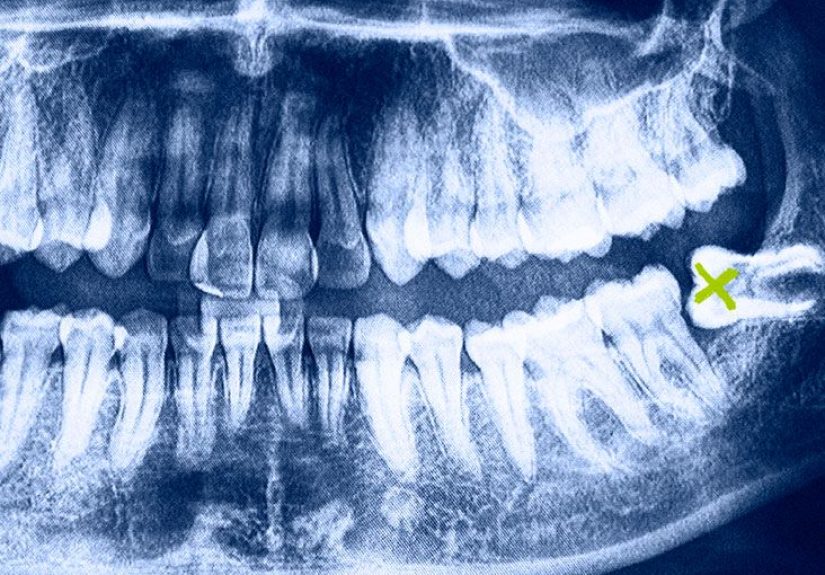
For impacted wisdom teeth, recovery may feel longer. There may be more swelling, more jaw stiffness, and more fatigue. This does not automatically mean complications. Surgical difficulty matters. Removing a fully erupted wisdom tooth is not the same as removing one that was hiding sideways like it was avoiding rent.
The emotional side is real too. Some people feel anxious about every sensation: a weird taste, a small ache, a bit of swelling, a tiny food particle. The best approach is to watch the overall pattern. Improving symptoms are usually reassuring. Worsening pain, fever, pus, heavy bleeding, or swelling that increases after getting better deserves a call to the dental office.
A practical recovery setup can make the whole process easier. Before surgery, stock soft foods, pick up any recommended medications, wash your favorite blanket, charge your phone, and choose entertainment that does not require much brainpower. Wisdom teeth recovery is an excellent time for comfort shows, not complicated documentaries about tax law.
Finally, remember that everyone heals at a slightly different pace. Your friend may have eaten pasta on day three while you were still negotiating with yogurt. That does not mean you are behind. The goal is steady healing, fewer symptoms, and no complications. Be patient, be gentle, and let your mouth do its quiet repair work.
Conclusion
Wisdom teeth removal recovery time usually ranges from a few days of noticeable soreness to about two weeks for soft tissue healing, with deeper healing continuing beyond that. Most people improve steadily after the first few days, especially when they rest, eat soft foods, avoid straws and smoking, rinse gently after the first 24 hours, and follow their dentist’s or oral surgeon’s instructions.
The biggest recovery rule is simple: protect the clot, respect the healing tissue, and do not rush back into crunchy foods or intense activity. Your wisdom teeth may be gone, but your mouth still needs a little VIP treatment. Give it time, keep things clean, and call your provider if pain, swelling, bleeding, or signs of infection get worse instead of better.

![Hackaday Reader [David] Wins A Camera From Make And Nikon](https://factxtop.com/wp-content/uploads/2026/05/hackaday-reader-david-wins-a-camera-from-make-and-nikon-jlpGNg0K-thumb.jpg)