Table of Contents >> Show >> Hide
- Why Ingrown Nails Happen in the First Place
- 1. Trim Your Nails Like You Respect Future You
- 2. Stop Letting Your Shoes Pick Fights With Your Toes
- 3. Keep Feet Clean, Dry, and Ahead of Small Problems
- What Not to Do If a Nail Already Feels Ingrown
- When to See a Doctor Instead of Playing Toe Detective
- Real-Life Experiences: What People Usually Learn the Hard Way
- Conclusion
Ingrown nails have a special talent for turning one tiny corner of your toe into the most dramatic part of your entire body. One minute you are walking around minding your business. The next minute your big toe is acting like it has been personally betrayed by your shoe, your sock, and possibly your life choices. The good news is that preventing ingrown nails is usually not complicated. It is mostly about a few small habits done consistently, before your toe decides to file a formal complaint.
Most ingrown nails happen when the edge of a nail grows into the surrounding skin instead of growing out normally. Toenails are the usual troublemakers, especially the big toe. Common triggers include trimming nails too short, rounding the corners, wearing shoes that crowd the toes, sweating a lot, repeated pressure from sports, and sometimes simply having naturally curved or thick nails. That means prevention is not about one magic fix. It is about reducing pressure, trimming correctly, and catching problems early.
If you want the short version, here it is: trim your nails straight across, wear shoes that do not crush your toes, and keep your feet clean, dry, and out of trouble. If you want the useful version, the kind that helps you avoid limping around your kitchen like a Victorian ghost, keep reading.
Why Ingrown Nails Happen in the First Place
An ingrown nail usually starts with a simple mechanical problem. The nail edge presses into the skin or the skin swells around the nail and traps it. Once that happens, the area can become red, tender, swollen, and sometimes infected. The toe does not care whether the original cause was a too-tight sneaker, an overenthusiastic pedicure, or a heroic attempt to trim your nails in the dark while half-watching television. It just hurts.
Some people are also more likely to deal with recurring ingrown nails. If your nails are naturally curved, thick, or hard to trim, you may need to be extra careful. The same goes for runners, athletes, teens in snug shoes, older adults with thickened nails, and anyone with diabetes, poor circulation, or reduced feeling in the feet. In those groups, prevention matters even more because small foot problems can become big ones surprisingly fast.
1. Trim Your Nails Like You Respect Future You
The first and best way to prevent ingrown nails is also the least glamorous: trim them properly. This is not thrilling advice, but neither is toe pain.
Cut Straight Across, Not in a Curve
The biggest mistake people make is rounding the corners of the toenail to match the shape of the toe. It looks neat for about five minutes and then quietly increases the chance that the nail edge will grow into the skin. Instead, cut toenails straight across. You can smooth rough edges with a file, but do not carve the corners into tiny decorative crescents. Your feet are not asking for nail art. They are asking for peace.
Do Not Cut Them Too Short
Shorter is not better here. If you trim too close to the skin, the surrounding tissue can puff up around the nail and make it easier for the edge to dig in as it grows. A good rule of thumb is to leave the nail long enough that the corners are still visible and not buried in skin. Think tidy, not aggressive.
Use the Right Tool and Take Your Time
A clean, sharp toenail clipper or nail nipper works better than whatever random little clipper has been living in the bottom of your bathroom drawer since the Obama administration. If your nails are thick or hard to cut, soften them first by trimming after a shower or after a brief soak in warm water. This makes it easier to get a clean cut instead of cracking, tearing, or mangling the nail like you are opening a stubborn snack bag.
Be Smart About Pedicures
If someone else trims your nails, say the words out loud: “Please cut them straight across.” Yes, even if it feels awkward. That thirty-second conversation is much less awkward than trying to explain why your toe is throbbing three days later. If you are prone to ingrown nails, thick nails, or foot problems, regular professional nail care from a podiatrist may be a better plan than letting the salon freestyle.
2. Stop Letting Your Shoes Pick Fights With Your Toes
The second major cause of ingrown nails is pressure. If your footwear squeezes the toes, the nail and the skin are pushed together over and over again. Eventually, something gives, and unfortunately it is usually your comfort.
Choose a Roomy Toe Box
Shoes should fit securely without crushing the front of your foot. The toe box should give your toes enough room to lie naturally instead of stacking up like commuters on a delayed train. Shoes that are too tight can force the nail edge into the skin. Oddly enough, shoes that are too loose can also cause trouble because your foot slides and repeatedly jams into the front. In other words, your toes want boundaries, not chaos.
Pay Extra Attention to Athletic Shoes
Running, brisk walking, hiking, court sports, and any activity that involves repeated pressure on the toes can raise the risk of ingrown nails. If you are active, do not assume your everyday shoes are good enough for workouts. Make sure your athletic shoes fit well, especially at the front, and replace pairs that have lost structure. If your toes are taking a beating every weekend, they are going to start filing grievances.
Socks Matter More Than People Think
Socks that are too tight, too bulky, or always damp can add friction and pressure. Choose socks that fit comfortably, wick moisture, and do not bunch up inside the shoe. This is not the flashiest health tip, but neither is limping. The most practical choice often wins here.
Recheck Your Shoe Size Over Time
Feet can change with age, pregnancy, weight changes, swelling, and activity level. Someone who wore the same size for years may suddenly need a different fit. If shoes that used to feel fine now leave your toes sore, crowded, or numb, believe your feet. They are not being dramatic. They are sending you an email written in pain.
3. Keep Feet Clean, Dry, and Ahead of Small Problems
The third prevention strategy is basic foot care, which sounds boring until you realize it can save you from a swollen, angry toe. Ingrown nails often get worse when moisture, friction, thick nails, or skin irritation are ignored for too long.
Wash and Dry Your Feet Well
Clean feet are less likely to develop skin irritation and infection around the nail. Wash regularly, dry thoroughly, and pay attention to the spaces around and under the toes. Damp feet plus tight shoes create a lovely little environment for trouble. Your goal is fewer surprises, not a tiny tropical climate inside your sneakers.
Do Not Pick, Tear, or Dig at the Nail
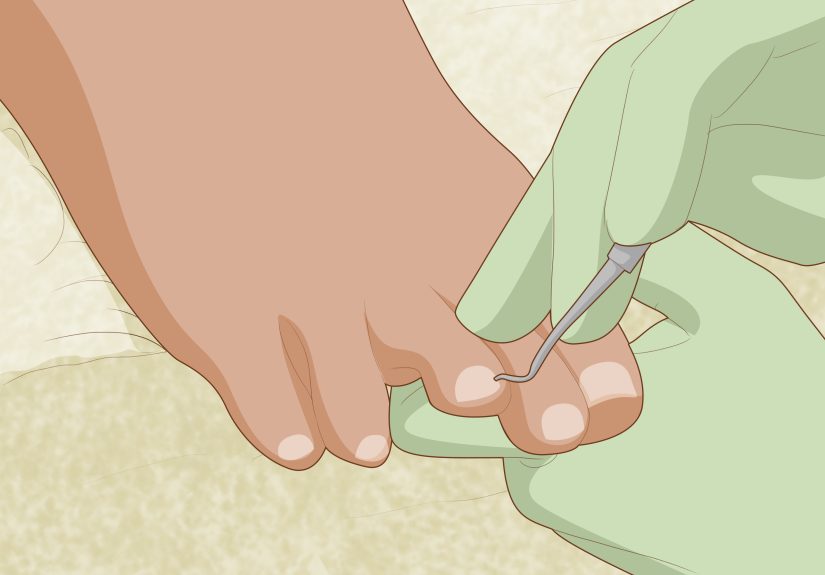
Many people notice a corner catching or feeling tender and immediately begin what can only be described as bathroom surgery. They dig at the side, tear at the nail, or try to “free” the corner with tweezers and optimism. This usually makes the surrounding skin more irritated and can invite infection. If a nail edge feels off, be gentle. Do not turn a minor issue into a weekend project.
Manage Thick, Curved, or Damaged Nails Early
Thickened nails, fungal nail changes, and repeated trauma can make nails harder to trim and more likely to curve into the skin. If your nails are becoming yellow, thick, brittle, or increasingly curved, it is worth addressing the problem sooner rather than later. Sometimes the best ingrown nail prevention move is not a better clipper. It is getting the underlying nail issue evaluated before the nail becomes a stubborn little boomerang.
Act Fast at the First Sign of Trouble
If a toenail starts to feel tender, looks mildly red, or seems to be pressing into the skin, do not ignore it for two weeks and hope the universe sorts it out. A warm soak and reducing pressure on the toe may help in mild cases. Switching to roomier shoes and stopping any picking or trimming at the corners can also keep things from snowballing. Early attention is much easier than late regret.
What Not to Do If a Nail Already Feels Ingrown
Prevention and early action go hand in hand, but there are a few things you really should not do. Do not dig into the side of the nail with scissors, clippers, or sharp tools. Do not rip off a corner. Do not keep wearing the same tight shoes that helped create the problem in the first place. And do not assume that more force equals better home care. Your toe is not a drywall repair.
If symptoms are mild, gentle measures may help while the nail grows out. But once pain, swelling, drainage, or worsening redness show up, it is time to stop improvising and get proper care.
When to See a Doctor Instead of Playing Toe Detective
You should get medical help if the toe is very painful, red, swollen, draining pus, bleeding repeatedly, or not improving with simple care. You should also seek care sooner rather than later if you have diabetes, poor circulation, nerve damage, reduced feeling in your feet, or a weakened immune system. In those cases, even a small ingrown nail can become a bigger problem because infection and wound healing are not casual side quests.
A podiatrist, dermatologist, or primary care clinician can help remove the pressure, treat infection if needed, and talk you through prevention if this is a repeat issue. If you keep getting ingrown nails, that is not bad luck. That is a pattern, and patterns are worth fixing.
Real-Life Experiences: What People Usually Learn the Hard Way
One of the most common experiences people describe is the “I thought it was just sore” phase. It often starts with a little tenderness along one side of the big toenail. Nothing dramatic. Just enough discomfort to notice when putting on shoes. Then life gets busy. They keep wearing the same snug sneakers, keep walking, keep working, and keep pretending the toe will sort itself out. A few days later, the area is red, puffy, and weirdly powerful. Somehow one toe is now in charge of the entire mood of the person attached to it.
Runners often tell a version of the same story. Training is going well, miles are adding up, and then one big toe starts throbbing after long runs. At first they blame the workout, then the hill repeats, then maybe the socks, and only later realize the nail was cut too short and the shoe fit was a little too snug in the toe box. Once they switch to roomier shoes and stop trimming the corners into tiny arcs, the problem often becomes much less frequent. It is not always the dramatic sports injury that gets you. Sometimes it is just a trim job with too much confidence.
Parents often see this with kids and teens too. A child suddenly complains that one toe hurts, and the culprit turns out to be a combination of growth spurts, tight shoes, sweaty feet, and rushed nail trimming. The lesson many families learn is that prevention sounds simple because it is simple. Straight-across trimming, properly fitting shoes, and basic foot hygiene do more heavy lifting than people expect. The challenge is not complexity. The challenge is remembering that toes also require adult supervision.
Older adults sometimes have a different experience. Nails can get thicker and harder to cut over time, which makes home trimming more difficult. That is when people may start hacking at the nail from awkward angles or skipping nail care altogether because it is frustrating. Then the nail curves more, the skin gets irritated, and walking becomes uncomfortable. In these cases, one of the smartest prevention steps is admitting that “I can handle it myself” may no longer be the best plan. Regular professional nail care can be a relief, not a defeat.
And then there is the classic salon story. Someone gets a pedicure, leaves with beautifully polished toes, and a few days later one corner starts to hurt. The issue is not the polish. It is that the nail was trimmed too short and rounded at the edges because it looked neat. Plenty of people learn from that experience once and never forget it. Next appointment, they become the person who politely says, “Please cut straight across.” This is growth. Personal growth, yes, but also nail growth in a less terrible direction.
The thread running through all these experiences is that ingrown nails usually do not appear out of nowhere. They tend to build from repeated small habits: trimming too short, squeezing into tight shoes, ignoring early tenderness, or trying to dig the problem away. The upside is encouraging. Small habits can also prevent them. Most people do not need a complicated routine. They just need a little consistency, a little patience, and a little less faith in emergency bathroom surgery.
Conclusion
If you want to prevent ingrown nails, focus on three things: trim toenails straight across without cutting them too short, wear shoes and socks that do not crowd your toes, and keep your feet clean, dry, and ahead of small problems. That is the formula. Not glamorous, not trendy, and definitely not influencer bait. But it works.
And honestly, that is the beauty of it. The best foot care advice is often boring in the most useful way. A careful trim, a better shoe fit, and a little common sense can save you from pain, swelling, infection, and the deeply humbling experience of having your day ruined by one angry toenail.