

Table of Contents >> Show >> Hide
- What “Counts as Fluid” Actually Means
- Why Alcohol Is a “Complicated” Fluid
- So… Does Alcohol Count as Fluid?
- Beer vs. Wine vs. Spirits: Does the Type Matter?
- When You Should Count Alcohol as Fluid
- When You Should Not Treat Alcohol as “Hydration Fluid”
- The Hydration Playbook: How to Drink Without Waking Up as Beef Jerky
- Common Myths That Refuse to Retire
- Bottom Line
- Experiences Related to “Does Alcohol Count as Fluid?” (500+ Words)
If you’ve ever stared at your water bottle after a couple of beers and thought, “Relax, I’m basically hydrating,” you’re not alone. Alcohol is a fluid (it’s literally a liquid you swallow), but your body doesn’t treat it like a wholesome, team-player beverage. Think of it more like that friend who shows up to help you move… and then “accidentally” unplugs your fridge.
What “Counts as Fluid” Actually Means
In everyday health talk, fluid intake usually means the total liquid you consume from drinksplus the water you get from foods like soup, fruit, veggies, yogurt, and so on. In other words, hydration isn’t a “water-only” club. Many beverages contribute to your daily total.
So yesif we’re being purely mathematicalan alcoholic drink adds liquid volume to your body. The more important question is: Does that liquid meaningfully hydrate you, or does alcohol’s diuretic effect cancel it out?
Why Alcohol Is a “Complicated” Fluid
Alcohol (ethanol) has a well-known party trick: it can make you pee more. The main reason is hormonal. Alcohol suppresses vasopressin (also called antidiuretic hormone or ADH), which normally tells your kidneys to hold onto water. Less ADH signaling means more water ends up in your bladder instead of staying in circulation.
Translation: you might drink a pint, but your kidneys may decide to “refund” a chunk of itquicklyespecially as alcohol dose and strength rise. That’s part of why hangovers often come with thirst, fatigue, and headaches.
Quick reality check: what’s “one drink”?
In the U.S., a standard drink contains about 14 grams (0.6 fl oz) of pure alcohol. Roughly speaking, that’s: a 12 oz beer at ~5% ABV, 5 oz wine at ~12% ABV, or 1.5 oz spirits at ~40% ABV. ABV matters because two “beers” are not always two standard drinks if one is a 10% double IPA wearing a normal-looking can like a disguise.
So… Does Alcohol Count as Fluid?
Yes, it counts as fluid intake in the literal senseit’s liquid and contributes to total intake. But it is not a reliable hydration strategy, because the alcohol in the drink can increase urine output and promote net fluid loss, especially at higher doses or higher ABV.
A practical way to think about it:
- One low-to-moderate alcohol drink may still provide some net fluid (it’s not guaranteed instant dehydration for everyone, every time).
- As alcohol amount and strength increase, the “hydration value” drops, and dehydration risk risesparticularly if you’re sweating, in heat, dancing, flying, or forgetting water exists.
- If your goal is hydration (sports, heat, illness), alcohol shouldn’t be counted as “helpful fluid.”
Beer vs. Wine vs. Spirits: Does the Type Matter?
Yesmostly because alcohol concentration and serving size change the outcome. In general, the higher the ABV and the more total alcohol consumed, the stronger the diuretic effect.
Beer
Regular beer is relatively low ABV, and it contains a lot of water by volume. If you have one standard beer and also eat a meal, you may not feel dramatically dehydrated. But the “craft math” can get you: higher-ABV beers can pack more alcohol into the same volume, making the diuretic effect more noticeable.
Wine
Wine is typically stronger than beer per ounce. Two large pours can sneak into “more alcohol than you think” territory fast, and that’s when people start noticing the bathroom lines and the desert-mouth at 2 a.m.
Spirits (and cocktails)
Spirits are concentrated. A single standard shot is small-volume but high alcohol concentration. Cocktails can go in either direction: a tall mixed drink might include more water/ice, but it can also include multiple shots, sugar-heavy mixers, and a serving size that’s basically a swimming pool with a ladder.
What about “clear liquor” and hangovers?
Dehydration is only one piece of the hangover puzzle. Congeners (compounds in some alcoholic beverages), sleep disruption, stomach irritation, and inflammation also play roles. So switching to “clear” alcohol isn’t a hydration hackat best, it’s a different set of tradeoffs.
When You Should Count Alcohol as Fluid
There are situations where counting alcohol as fluid is importantjust not for the reason people hope.
If you have a medical fluid limit
Some people need to limit daily fluids (for example, certain heart, kidney, or liver conditionsalways follow your clinician’s guidance). In those cases, an alcoholic beverage absolutely counts toward your total daily fluid allowance because it’s still liquid going in. Also, alcohol can create extra strain through dehydration, blood pressure effects, and medication interactions.
If you’re tracking total intake for nutrition or habits
If you’re logging beverages to understand patternshydration, sleep quality, calories, cravingscounting alcohol as a fluid helps you stay honest. It also helps you notice the “I drink less water on nights I drink alcohol” pattern, which is extremely common and extremely fixable.
When You Should Not Treat Alcohol as “Hydration Fluid”
Exercise and sports
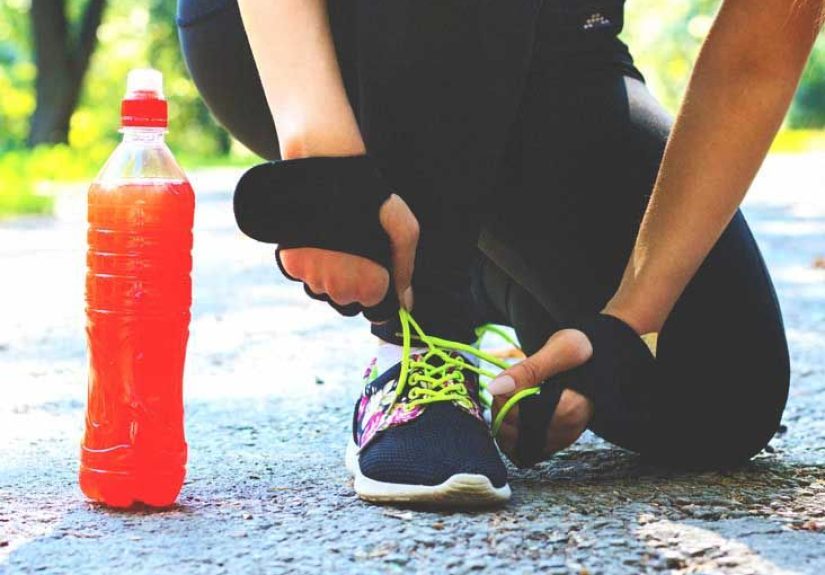
If your goal is performance or recovery, alcohol is not your teammate. Even if the drink contains water, alcohol can interfere with sleep, recovery, judgment, and fluid regulation. Post-workout hydration is better handled with water and (when needed) electrolytes.
Heat, outdoor events, and “I’m sweating just standing here” weather
Alcohol plus heat is a classic setup for headaches, fatigue, and feeling awful. When you add sweating and sun exposure, you’re losing fluid and electrolytes. Alcohol can amplify the losses by increasing urination and nudging you toward “oops, I forgot water.”
Illness (vomiting, diarrhea, fever)
If you’re sick, hydration is already harder. Alcohol can worsen dehydration and irritate the stomach. If your body is trying to recover, this is not the moment to make it process a toxin for fun.
The Hydration Playbook: How to Drink Without Waking Up as Beef Jerky
1) Use the “one-for-one” rule
Aim for a glass of water between alcoholic drinks. This slows your pace, reduces total alcohol intake, and helps offset fluid loss. It’s also a sneaky way to keep your hands busy so you’re not constantly reloading.
2) Eat real food (not just “bar napkin fries”)
A balanced mealespecially with some carbs, protein, and fatslows alcohol absorption and supports steadier blood sugar. It won’t make alcohol “healthy,” but it can reduce the chaos.
3) Watch the ABV like it owes you money
High-ABV drinks can deliver multiple standard drinks faster than your brain realizes. If you choose stronger drinks, downshift the pace and increase water.
4) Replace electrolytes when it makes sense
If you’ve been sweating, dancing, outdoors, or drinking more than usual, consider an electrolyte beverage or an electrolyte-rich snack. Hydration is not just waterit’s also sodium and other electrolytes that help your body hold onto fluid.
5) Don’t “pre-game” hydration by chugging a gallon
Overdoing water too quickly can leave you bloated and still under-hydrated later. Steady sips across the eveningand before bedare usually more comfortable and more effective.
Common Myths That Refuse to Retire
Myth: “Alcohol dehydrates you instantly, so it never counts.”
Reality: Alcohol is a diuretic, but hydration outcomes depend on dose, strength, and context. A single low-to-moderate drink may not produce dramatic dehydration in every person. The bigger issue is that alcohol can tilt the whole night toward less water and more overall alcoholthen dehydration becomes the headline.
Myth: “Beer is basically water.”
Reality: Beer contains water, yes. It also contains alcohol, calories, and (sometimes) a surprisingly high ABV. “Basically water” is a fun joke. It is not a medical plan.
Myth: “I only get dehydrated from liquor.”
Reality: People often notice dehydration more with spirits because it’s easier to consume more alcohol quickly, especially in cocktails that don’t taste “strong.” Total alcohol dose is the main driver.
Bottom Line
Alcohol counts as fluid because it’s a liquid. But if the question behind the question is “Can I count cocktails toward hydration like water?” the practical answer is not really. Alcohol can increase urination by reducing ADH/vasopressin signaling, and higher intake is more likely to leave you net dehydrated.
If you drink: pace yourself, eat, include water between drinks, and consider electrolytes when conditions call for it. Your next-morning self will be so grateful they might even do your laundry. (No promises, though. They’re still you.)
Experiences Related to “Does Alcohol Count as Fluid?” (500+ Words)
Here are a few common, very human experiences people run intobecause the “does it count?” question usually shows up in real life, not in a lab coat.
1) The Wedding Reception Mirage
At weddings, drinks appear like magic. You’re holding a beer, then someone hands you champagne, then your cousin insists you try a signature cocktail with a tiny umbrella that screams, “This is basically vacation.” In the moment, it feels like you’re drinking constantlyso hydration must be happening… right?
The next morning says otherwise. Many people realize they barely drank plain water all night. The fluids they had were mostly alcoholic, and alcohol tends to increase bathroom trips. Add dancing (sweating), salty appetizers, and late bedtime, and the result is the classic: cottonmouth, dull headache, and a thirst so dramatic you briefly consider drinking out of a vase. That’s usually when it clicks: alcoholic drinks are fluid, but they don’t behave like “hydration fluid” when alcohol dose climbs and water intake disappears.
2) The “I’m Fine, I Had a Big Cocktail” Vacation Trap
On vacationespecially in warm placespeople often underestimate how much fluid they lose walking around in the sun. A frozen cocktail feels refreshing because it’s cold and full of ice. But the refreshing sensation can mask the fact that you’re consuming alcohol, which can push more fluid out through urination. A few hours later, you might feel wiped out, mildly dizzy, or unusually cranky (and no, it’s not always your travel companion’s fault).
A simple shift many people find helpful is alternating: cocktail, water; cocktail, water. It doesn’t ruin the funit often improves it, because you stay steadier and don’t hit that sudden “why do I feel like a raisin?” wall. People also notice they sleep better, which makes everything about the next day feel easier.
3) The “Just a Couple Beers” Backyard BBQ
Backyard hangouts are sneaky because the drinking can be slow and casual. A beer while grilling, another while chatting, maybe a third because someone brought a cooler the size of a hot tub. Since beer has lots of liquid, people often assume it’s contributing meaningfully to hydration. And it mightup to a point.
The twist is context: BBQ food is often salty, the weather might be warm, and you may be outside for hours. Many people end up slightly dehydrated not because beer is “instantly dehydrating,” but because beer replaces water for the entire afternoon. By evening, you’ve had several standard drinks and almost no plain fluids. The fix is boring but effective: keep a water bottle visible, drink a full glass of water before you start, and refill between beers. People who do this often report fewer headaches, less nighttime thirst, and a less dramatic morning.
4) The Airport and Airplane Double-Whammy
Airports have their own laws of time. A 10 a.m. drink becomes “airport rules,” and suddenly you’re sipping a mimosa like it’s brunch, even though you’re about to sit in a cabin with dry air for hours. Many travelers notice that alcohol hits harder in transit: you’re tired, maybe stressed, not eating normally, and not drinking enough water because you don’t want to keep getting up.
This is where the “does it count as fluid?” question can be answered by experience: you can drink a large alcoholic beverage and still land feeling parched. The better move is to treat alcohol as optional and water as requiredespecially before and during the flight. People who prioritize water and keep alcohol minimal often feel more human upon arrival, which is a pretty high bar after a middle seat.
Across these scenarios, the consistent lesson is simple: alcohol is fluid, but hydration success depends on the net effect. If alcohol crowds out water, increases urination, and stacks up in standard drinks, you’ll likely feel it. If you pace, eat, and add water (and electrolytes when appropriate), you can enjoy the moment without waking up feeling like your body filed a formal complaint.