



Table of Contents >> Show >> Hide
- Why Open Concept Living Rooms Need More Strategy Than People Expect
- 20 Open Concept Living Room Ideas
- 1. Define the living area with a large area rug
- 2. Float your furniture instead of shoving it against the walls
- 3. Use the back of the sofa as a subtle room divider
- 4. Add a console table behind the sofa
- 5. Repeat colors across zones for a cohesive look
- 6. Create one strong focal point in the living area
- 7. Layer lighting to separate functions
- 8. Try curved furniture to soften hard architectural lines
- 9. Keep sight lines open with low-profile seating
- 10. Use two chairs to balance a sectional
- 11. Let architectural details do some of the zoning
- 12. Scale your furniture to the size of the room
- 13. Hang curtains high and wide
- 14. Use texture to add warmth
- 15. Echo shapes and materials from the kitchen or dining area
- 16. Carve out a micro-zone for reading or relaxing
- 17. Use art at the proper scale
- 18. Add greenery as a soft divider
- 19. Leave breathing room around your layout
- 20. Finish the room with one “bridge” element
- Common Open Concept Living Room Mistakes to Avoid
- What Makes an Open Concept Living Room Feel Finished
- Real-Life Experiences and Lessons From Open Concept Living
- Conclusion
Open concept living rooms are a little like hosting a party where your kitchen, dining area, and lounge all decided to become roommates. When it works, the space feels bright, social, and easy to love. When it does not, it feels like your sofa is drifting in the middle of nowhere while the dining table looks emotionally unavailable. The good news is that a beautiful open concept layout is not about filling every inch. It is about creating flow, function, and a sense of purpose.
If you are dreaming up a refresh, planning a remodel, or staring at one giant room and wondering where life is supposed to happen, these open concept living room ideas will help. From furniture placement and area rugs to lighting, color palettes, and subtle dividers, the goal is simple: make your open floor plan feel intentional, cozy, and stylish without losing the airy look you wanted in the first place.
Why Open Concept Living Rooms Need More Strategy Than People Expect
An open concept living room gives you flexibility, natural light, and better sight lines. It also removes the walls that used to do the hard work for you. Without those built-in boundaries, you have to create zones with furniture, scale, lighting, texture, and repetition. That does not mean the room should feel rigid or overdesigned. It just means every piece needs a job. The best open floor plans feel connected, but they do not feel chaotic. Think of it as organized freedom, which is still freedom, just with a better rug.
20 Open Concept Living Room Ideas
1. Define the living area with a large area rug
A generously sized rug instantly tells the eye, “This is the living room zone.” It anchors the sofa, chairs, and coffee table so the seating group feels like a destination instead of random furniture parked in space. Go too small and the room will look skimpy and disconnected. A rug that lets at least the front legs of your seating sit on it usually creates a stronger, more polished layout.
2. Float your furniture instead of shoving it against the walls
In an open concept space, pulling the sofa off the wall often works better than perimeter hugging. Floating furniture helps create a real conversation area and gives the room shape. It also improves traffic flow by guiding people around the seating area rather than through it. Yes, it feels brave at first. No, your sofa will not file a complaint.
3. Use the back of the sofa as a subtle room divider
One of the smartest open floor plan tricks is letting the sofa act as a soft boundary between the living room and dining area or kitchen. A clean-lined sofa creates separation without blocking light or sight lines. This works especially well in long rectangular spaces where you need structure but do not want a boxed-in feeling.
4. Add a console table behind the sofa
A console table is a quiet overachiever. It reinforces the boundary created by the sofa, gives you a place for lamps, books, or decor, and adds function without visual heaviness. In open layouts, this small piece helps the living room feel deliberate. It can also serve as a landing spot for keys, drinks, or that one candle everyone pretends they bought for guests.
5. Repeat colors across zones for a cohesive look
Open concept rooms feel calmer when the living, dining, and kitchen areas share a color story. That does not mean everything has to match like a furniture showroom from 2004. Instead, repeat a few tones across the space, such as warm oak, soft cream, olive green, black accents, or muted blue. Consistency creates rhythm, and rhythm makes large spaces feel finished.
6. Create one strong focal point in the living area
Every open concept living room needs a visual anchor. That could be a fireplace, a large piece of art, a media wall, or a dramatic window view. A focal point gives the seating arrangement direction and keeps the room from feeling like a collection of nice things with no real leader. Choose one main star, then let the supporting cast behave accordingly.
7. Layer lighting to separate functions
Lighting matters even more in open spaces because one overhead fixture cannot do the whole job. Use a mix of ceiling lighting, floor lamps, table lamps, and sconces to define different zones. A pendant can mark the dining space while lamps warm up the living area. This layered approach makes the room more inviting and keeps the open plan from feeling flat at night.
8. Try curved furniture to soften hard architectural lines
Open layouts often come with lots of straight lines, wide openings, and boxy footprints. Curved sofas, rounded chairs, oval coffee tables, and arched decor can soften that geometry and make the room feel more relaxed. A few rounded shapes also improve flow because they visually ease the transitions between zones. It is a subtle move, but it changes the mood fast.
9. Keep sight lines open with low-profile seating
If your goal is an airy, connected space, avoid bulky furniture that blocks views across the room. Lower-profile sofas and chairs maintain openness while still offering plenty of comfort. This is especially helpful when the living room shares space with a kitchen or when you want the eye to travel toward windows, built-ins, or architectural details.
10. Use two chairs to balance a sectional
A sectional is often a perfect fit for an open concept living room because it can define the seating area in one move. But a sectional by itself can look heavy. Pairing it with two lighter accent chairs, especially swivel chairs, adds flexibility and keeps the room from feeling one-note. This mix creates a more welcoming conversation area and helps distribute visual weight.
11. Let architectural details do some of the zoning
Ceiling beams, partial walls, columns, wood slats, built-ins, and even a slight change in ceiling treatment can help divide an open room without fully closing it off. These details add definition while preserving the spacious feel. If your room lacks architectural charm, even something as simple as a painted accent wall or millwork can create visual separation.
12. Scale your furniture to the size of the room
Large open rooms need substantial furniture or they can feel awkwardly empty. Tiny pieces tend to float around like they got lost on the way to a studio apartment. On the flip side, cramming oversize furniture into a modest open plan can kill movement. The key is proportion: choose pieces that suit the footprint, leave clear walkways, and fill the room without overcrowding it.
13. Hang curtains high and wide
Window treatments can make an open concept living room feel taller, softer, and more polished. Mount curtain rods higher than the window frame and extend them wider than the glass to emphasize height and let in more light. This move adds drama without clutter and helps visually stretch the room. It is one of those designer tricks that looks expensive but mostly requires a measuring tape and confidence.
14. Use texture to add warmth
Because open concept spaces can feel expansive, they sometimes need extra coziness. Texture fixes that fast. Layer in boucle, linen, leather, wood, woven baskets, nubby throws, and natural fibers to add depth. Even a neutral room feels rich when the materials are varied. This is especially useful if you prefer a calm palette but do not want the space to feel bland.
15. Echo shapes and materials from the kitchen or dining area
In a combined space, the living room should relate to the nearby areas without copying them exactly. If your kitchen has black hardware, maybe your living room adds a black floor lamp or picture frames. If your dining table is walnut, echo that wood tone in the coffee table or shelving. These repeated details create flow, which is the whole magic trick of open concept design.
16. Carve out a micro-zone for reading or relaxing
One reason open floor plans can feel unfinished is that they try to make one seating area do everything. Adding a reading chair, window bench, or small lounge nook creates depth and makes the room feel lived in. Even one cozy corner with a lamp and side table can transform the layout from basic to beautifully layered.
17. Use art at the proper scale
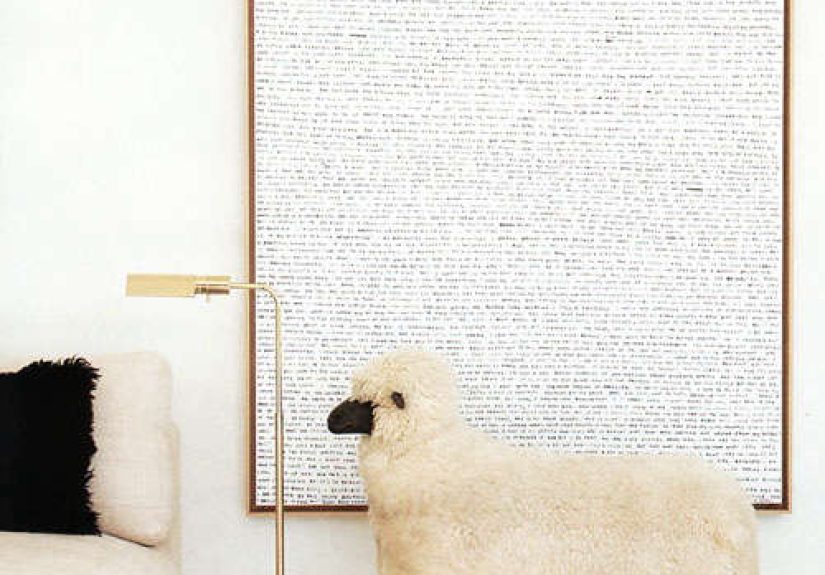
Open rooms need artwork that can hold its own. Tiny pieces can look accidental in a large footprint, especially if the walls are tall or the furniture is spread out. Go larger with one statement piece, a substantial gallery wall, or a grouped arrangement that reads as one visual moment. Big space, big energy.
18. Add greenery as a soft divider
Tall plants, grouped planters, or a substantial tree can help define zones in a gentle, organic way. Greenery also brings movement, life, and color into a large open room. It works particularly well in corners that feel empty or in transitional spots between living and dining areas where you want a little separation without adding hard structure.
19. Leave breathing room around your layout
Not every inch of an open concept room needs a chair, basket, or decorative object. Negative space is part of the design. Leaving some open floor area helps the room feel calm and allows the furniture grouping to stand out. This is especially important if your room already includes a kitchen island, dining table, and multiple pathways. Sometimes the most stylish move is simply not overdoing it.
20. Finish the room with one “bridge” element
Every successful open plan needs a detail that visually connects the zones. This could be a repeating accent color, matching metal finishes, similar lamp shades, coordinated textiles, or one continuous paint color. That bridge element keeps the room from feeling chopped into separate mini-rooms. The goal is not sameness. It is harmony with a little personality.
Common Open Concept Living Room Mistakes to Avoid
The biggest mistake is treating openness like an excuse to skip planning. Without clear zones, the room can feel messy even when it is technically clean. Another common issue is choosing a rug that is too small, which makes the furniture grouping look disconnected. Too many competing colors, not enough lighting layers, and furniture that blocks natural pathways can also make the space feel awkward.
Many people also underestimate sound, comfort, and everyday use. If the room is where you watch movies, help with homework, host friends, and pass through to the kitchen, it needs flexibility. Beautiful is great. Beautiful and practical is better. Beautiful, practical, and easy to vacuum around is basically elite.
What Makes an Open Concept Living Room Feel Finished
A finished open concept living room feels connected, comfortable, and intentional. The furniture relates to the architecture. The living area has a clear identity. The adjacent spaces speak the same design language without copying each other word for word. There is enough contrast to be interesting and enough consistency to feel calm.
If you remember nothing else, remember this: define your zones, repeat key elements, use proper scale, and let texture do some emotional heavy lifting. That formula works in modern homes, traditional homes, small apartments, and sprawling family rooms alike.
Real-Life Experiences and Lessons From Open Concept Living
Anyone who has actually lived with an open concept living room knows the experience is both wonderful and humbling. On the wonderful side, the space feels social in a way closed rooms often do not. You can cook while talking to family, keep an eye on kids, chat with guests from the sofa, and enjoy natural light that moves more freely across the home. For entertaining, it is fantastic. Nobody gets trapped in the kitchen like an unpaid caterer while everyone else has fun somewhere else.
But open concept living also teaches you very quickly that flow is not automatic. The first lesson most people learn is that furniture placement matters more than they thought. A sofa that is six inches too far one way can make the main walkway annoying. A coffee table that is too large can turn a smooth path into an obstacle course. A dining set that visually fights with the living room can make the whole area feel off, even if each zone looks nice on its own.
Another common experience is realizing that coziness has to be created on purpose. Walls naturally make rooms feel sheltered. Open layouts do not. That is why rugs, curtains, lighting, and texture become so important in real life. A room can look beautiful in daylight and somehow feel cold after sunset if it only has overhead lighting. Add lamps, softer materials, and better zoning, and suddenly the exact same room becomes the place everyone wants to be.
Noise is another honest part of the experience. Televisions, blenders, conversations, and clattering dishes all share the same airspace in an open floor plan. That does not mean open concept living is a bad idea. It just means the room works better when you plan for comfort. Upholstered furniture, rugs, fabric window treatments, and thoughtful layout choices help soften the acoustic chaos. Nobody wants their relaxing evening on the sofa to come with a full soundtrack of dishwasher percussion.
Open concept living rooms also tend to evolve over time. A layout that worked for a couple may need adjustments for a family, remote work, pets, or changing routines. Many people start with a simple seating area and later realize they need a reading chair, a game table, or a more flexible arrangement for daily life. The best open spaces are not only stylish. They are adaptable. They let you shift how the room functions without losing the sense of unity that made you love the layout in the first place.
In the end, the lived experience of an open concept living room is less about perfection and more about balance. You want openness, but also comfort. You want flow, but also definition. You want the room to feel big, but not emotionally vacant. When those things come together, the result is a space that feels generous, inviting, and genuinely easy to live in every day.
Conclusion
The best open concept living room ideas do not fight the layout. They work with it. A strong rug, thoughtful furniture placement, layered lighting, repeated finishes, and subtle dividers can turn one large room into a space that feels polished, warm, and wonderfully functional. Whether your style leans modern, cozy, transitional, or somewhere between “designer-approved” and “I found this on a Saturday and now I am emotionally attached,” an open concept room can absolutely feel beautiful and personal. The secret is giving openness some structure.