Table of Contents >> Show >> Hide
- What “Automatic Transmission” Means on a Bike
- Why the Idea Matters
- How Automatic Bike Transmission Technology Works
- The Real Benefits of Automatic Transmission for Manual Transportation
- The Downsides Nobody Should Pretend Away
- Who Should Consider It?
- Real-World Experiences With Automatic Transmission for Manual Transportation
- Final Thoughts
- SEO Tags
Note: In this article, “manual transportation” refers to bicycles and other rider-powered mobility, while “automatic transmission” refers to systems that shift gears for the rider or reduce the need for constant manual gear changes.
For more than a century, the bicycle has been a gloriously simple machine: two wheels, a frame, a chain, and a rider doing all the hard work while pretending hills are “good character builders.” But that old-school simplicity is starting to get a very modern companion. Automatic transmission systems for manual transportation are no longer a weird sci-fi idea or a gadget built only for people who alphabetize their hex keys. They are becoming a real category in cycling, commuter mobility, and e-bike design.
The phrase “Automatic Transmission For Manual Transportation” sounds like something a mechanic and a poet came up with after a long coffee break, yet it captures an important shift in mobility. Human-powered transportation has traditionally depended on the rider to choose gears, manage cadence, and react to terrain in real time. Automatic and semi-automatic systems aim to take some of that mental work off the handlebars. The result is a ride that can feel smoother, more approachable, and, in many cases, more efficient for everyday users.
This does not mean the classic derailleur is dead. Far from it. Manual shifting still works beautifully, remains lighter and cheaper in many setups, and gives skilled riders precise control. But automatic transmission technology is changing the conversation. It is making bikes friendlier for beginners, more practical for commuters, and more comfortable for riders who care more about getting where they are going than winning an unofficial sprint against a stranger at the stoplight.
What “Automatic Transmission” Means on a Bike
On a car, an automatic transmission changes gears without the driver working a clutch or selecting each shift. On a bicycle, the concept is similar in spirit but different in execution. The rider still provides the power, but the bike helps choose the gear ratio automatically or simplifies shifting through electronics, internal hubs, or smart drivetrain programming.
Traditional bike drivetrains use front chainrings, a rear cassette, derailleurs, and shifters. The rider decides when to shift to an easier gear for climbing or a harder gear for speed. That system is effective, but it has a learning curve. Shift too late on a hill and your legs file a complaint. Shift under heavy load and the drivetrain may answer with a crunchy mechanical sermon. Automatic systems try to reduce these little dramas.
Some modern designs watch rider cadence and speed, then shift to keep pedaling effort consistent. Others use internal gear hubs that change ratios more smoothly than a standard derailleur setup. Some advanced e-bike systems combine motor data, rider input, and software logic to choose the right gear at the right moment. In short, the bike is not stealing your job; it is just becoming a better assistant.
Why the Idea Matters
1. It lowers the skill barrier
One reason many people never get fully comfortable on geared bikes is that shifting is not instantly intuitive. New riders often stay in the wrong gear too long, cross-chain without realizing it, or avoid using the front derailleur entirely because it feels like pressing a mysterious button in a spaceship. Automatic transmission technology removes some of that hesitation. When the bike helps manage gear changes, the rider can focus on traffic, balance, road conditions, and basic confidence.
2. It helps maintain a smoother cadence
Cadence matters more than many casual riders realize. Pedaling too slowly in a hard gear can feel like mashing wet concrete. Spinning too fast in an easy gear can feel like your legs are auditioning for a cartoon. Automatic systems are designed to keep riders in a more comfortable cadence range, which can make rides feel less jerky and less fatiguing, especially in cities with constant stops and starts.
3. It makes commuting more practical
For commuters, the ideal bike is often not the most exotic machine but the one that asks the fewest questions before 8 a.m. That is where automatic shifting shines. At traffic lights, on rolling streets, or while carrying a backpack, groceries, or a child seat, riders benefit from a bike that quietly handles gear changes in the background. It is one less thing to think about while trying not to spill coffee or dignity.
4. It supports accessibility and comfort
Automatic and semi-automatic systems can also help older riders, casual riders, and people returning to cycling after years away. When a drivetrain automatically finds an easier starting gear or keeps effort more even, the experience becomes less intimidating. That is not laziness. That is good design. Elevators did not ruin stairs; they just made buildings usable for more people.
How Automatic Bike Transmission Technology Works
DIY mechanical innovation
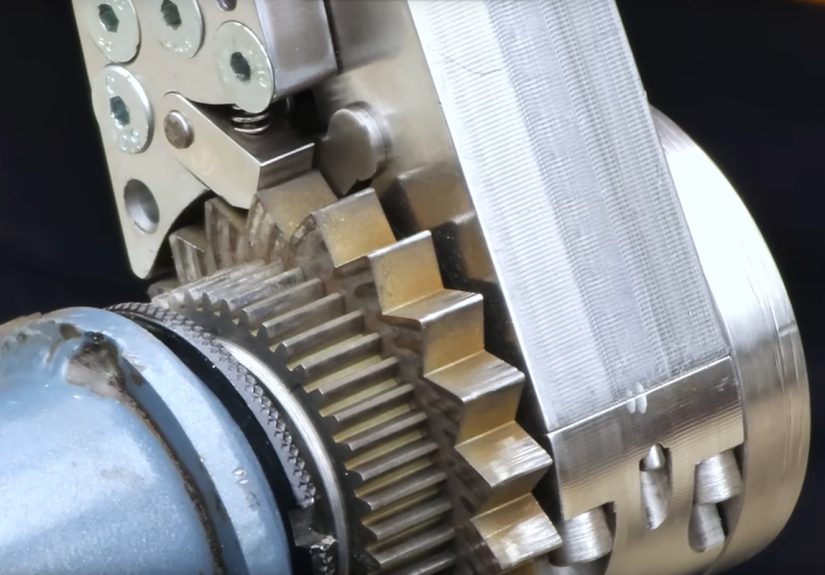
One of the most interesting recent examples came from a custom mechanical build that inspired the title of this article. Instead of relying on a traditional front derailleur, the builder created a torque-sensitive system that behaves a bit like an automatic transmission for a bicycle. In that concept, higher pedal torque triggers a shift to an easier ratio, helping the rider on hills without manual input. It is clever, unusual, and a reminder that innovation in cycling still comes from garages, workshops, and people who look at ordinary drivetrains and think, “I can make this weirder.”
Battery-free automatic shifting
One of the biggest recent developments is battery-free automatic shifting for non-electric bikes. This is a major deal because it solves one of the biggest objections to electronic shifting on everyday bikes: charging. If an automatic system can generate and store enough power on the bike itself, it becomes much more practical for commuters and casual riders who do not want another device in their life that suddenly dies at 14% just to make a point.
That approach matters because it blends modern convenience with traditional bike independence. Riders get automatic gear changes, but they do not have to treat the bicycle like a needy smartphone on wheels.
Electronic shift logic
Another form of “automatic” does not eliminate shifting so much as it makes the drivetrain smarter. Electronic groupsets can coordinate front and rear shifts in sequential or compensating modes, choosing the next gear combination with less rider micromanagement. This preserves a more consistent cadence and reduces awkward jumps in effort. For performance riders, that can mean cleaner transitions. For regular humans, it means fewer moments of wondering why pedaling suddenly feels like a punishment.
Internal hubs and stepless systems
Internal gear hubs and stepless transmission systems offer another route. Instead of a derailleur moving the chain across exposed cogs, these systems keep the gearing mechanism protected inside the hub. Some designs are fully automatic and aim to maintain a preferred cadence. For urban riders, cargo-bike users, and e-bike owners, this setup offers appealing advantages: lower maintenance, cleaner lines, and fewer vulnerable parts hanging off the back of the bike waiting to meet an angry curb.
E-bike integration
E-bikes are where automatic shifting makes especially strong sense. Because the bike already has sensors, a battery, and software, it can coordinate motor support with gear choice. That creates a more seamless ride, especially when starting from a stop, climbing hills, or dealing with changing loads. A cargo e-bike carrying groceries, kids, or both can benefit enormously from automatic gear selection because the rider already has enough on the mental dashboard.
The Real Benefits of Automatic Transmission for Manual Transportation
Smoother starts: Many automatic systems can return the bike to an easier starting gear after stopping. That means fewer wobbly launches from traffic lights and fewer panicked first pedal strokes.
Better consistency: Riders are more likely to stay in an efficient pedaling range, especially on rolling terrain or in stop-and-go urban riding.
Less maintenance drama in some setups: Internal and enclosed systems can reduce exposure to mud, weather, and derailleur impacts. Not every automatic system is low-maintenance, but many are designed with durability in mind.
Improved focus: Taking shift decisions off the rider’s plate can improve attention to road hazards, traffic, and line choice.
Broader appeal: The easier a bike is to ride, the more likely new or occasional riders are to keep using it. That matters for transportation policy, urban commuting, and the long-term growth of cycling.
The Downsides Nobody Should Pretend Away
Now for the adult part of the conversation: automatic transmission systems are not magic. They come with trade-offs, and pretending otherwise would be like calling a cargo bike “light enough to carry upstairs” with a straight face.
Cost is the first hurdle. Smart drivetrains, internal hubs, and electronic components usually cost more than conventional mechanical setups. That can make automatic systems feel like a luxury rather than a mainstream option.
Weight is another concern. Some automatic or gearbox-style systems add grams or even pounds compared with a simpler derailleur configuration. Performance-focused riders notice that immediately.
Complexity can also cut both ways. While some systems reduce maintenance in daily use, they may be more specialized when something does go wrong. A basic mechanical derailleur can often be adjusted on the roadside. A more integrated automatic system may require app settings, diagnostics, or brand-specific service.
Loss of control is the emotional downside for certain riders. Experienced cyclists often enjoy choosing the exact moment of a shift. They do not want the bike to “help.” They want the bike to obey. That preference is valid. Cycling has always had room for both convenience and craft.
Who Should Consider It?
Urban commuters
If your ride involves traffic lights, short hills, wet streets, and carrying everyday items, automatic shifting can feel like a quality-of-life upgrade rather than a novelty.
Beginner riders
People who find shifting confusing or intimidating may stick with cycling longer when the bike handles gear changes more gracefully.
Cargo-bike and family-bike users
When the bike is carrying more weight, smooth shifting and easier starts matter a lot. Automatic systems can reduce strain and increase confidence.
E-bike riders
The combination of motor assistance and automatic shifting can create one of the most user-friendly transportation experiences currently available on two wheels.
Not necessarily racers and tinkerers
If you love lightweight builds, direct control, and the ritual of perfect manual shifts, you may still prefer a conventional drivetrain. Sometimes the best technology is the one that gets out of your way, and for some cyclists that still means cables, cogs, and a well-tuned mechanical system.
Real-World Experiences With Automatic Transmission for Manual Transportation
In real use, the experience of automatic shifting tends to be less dramatic than the marketing language and more practical than the skeptics admit. Riders usually do not hop on an automatically shifting bike and shout, “My life is divided into before and after.” What happens instead is subtler. They start riding, the terrain changes, the gear adjusts, and then they realize ten minutes later that they have not thought about shifting once. That quiet disappearance of effort is the real selling point.
For city commuters, the first big difference is often at stoplights. On a normal bike, it is easy to forget to downshift before stopping, which leads to that lovely moment of trying to launch in a gear better suited to downhill heroics. Automatic systems reduce that problem. The bike is often already prepared for the restart, which makes the ride feel smoother, safer, and less awkward in traffic.
Casual riders also tend to appreciate how automatic gearing removes decision fatigue. On a recreational path or neighborhood ride, many people do not want to think about cadence strategy or gear progression. They want to talk, look around, and enjoy the ride. When the bike manages those small adjustments, the experience feels more inviting, especially for someone who rides occasionally rather than obsessively.
There is also a comfort factor that shows up on rolling terrain. With manual shifting, riders sometimes react a beat too late to short climbs and dips. Automatic systems often smooth that out by keeping effort more even. You still feel the hill, of course; physics remains stubbornly employed. But the transition can feel less harsh, and that matters for knees, confidence, and overall enjoyment.
E-bike riders often describe the benefit in terms of flow. Because the motor is already assisting, automatic shifting makes the whole bike feel more coordinated. Starts are easier, cadence stays steadier, and the ride feels more like one integrated system instead of separate parts negotiating a treaty. This can be especially helpful on cargo bikes, where load changes make manual gear choice more demanding.
That said, the experience is not universally perfect. Some riders notice a slight delay before the system chooses the ideal gear. Others simply miss the tactile satisfaction of manual control. Cyclists who have spent years developing good shifting habits may feel that the bike is solving a problem they no longer have. And when an automatic system guesses wrong, riders can feel oddly betrayed, as though the bike briefly forgot the assignment.
Still, the broad pattern is clear: automatic transmission systems do not replace the joy of cycling; they remove a layer of friction that keeps some people from enjoying it in the first place. For everyday transportation, that is a meaningful improvement. A bike that feels easier, calmer, and more intuitive is a bike more people will actually use. And in the end, the best transportation technology is not the one that looks clever on paper. It is the one that gets ridden.
Final Thoughts
Automatic transmission for manual transportation may sound like a contradiction, but it is really a design evolution. As bicycles and micromobility tools become more central to commuting, recreation, and urban life, the demand for lower-stress, lower-maintenance, more accessible riding experiences will keep growing. Automatic and semi-automatic shifting systems fit that future well.
The classic manual drivetrain is not going anywhere. It remains efficient, proven, and deeply satisfying for riders who enjoy direct mechanical control. But automatic systems are carving out a serious role, especially for commuters, e-bike riders, cargo-bike users, and anyone who wants cycling to feel simpler rather than more technical.
So yes, “Automatic Transmission For Manual Transportation” may sound a little odd at first. But the idea behind it is not odd at all. It is practical, increasingly relevant, and surprisingly human: use smart technology to make a simple machine easier for more people to enjoy. That is not cheating. That is progress with pedals.