Table of Contents >> Show >> Hide
- Why Before-and-After Bathrooms Feel Like Magic (It’s Not Actually Magic)
- Bathroom Remodel Cost Reality Check (So Your Budget Doesn’t Pass Out)
- The Design Moves Behind the Best Before-and-After Bathroom Renovations
- 4 Beautiful Before-and-After Bathroom Renovation Examples (With Specific Moves)
- The Unsexy Stuff That Makes the “After” Last
- Planning Your Bathroom Remodel Like a Pro (Even If You’re Not One)
- Mistakes That Can Ruin a Beautiful Bathroom Renovation
- DIY vs. Hiring a Pro: What’s Worth Doing Yourself?
- Conclusion: The Best “After” Bathrooms Feel Easy
- Real-World Experiences: What Bathroom Renovations Teach You (The 500-Word, Hard-Won Edition)
A bathroom renovation is basically a glow-up montage for your house. One minute you’re brushing your teeth under
“interrogation lighting” while balancing shampoo bottles like a circus act; the next minute you’re in a calm,
spa-like retreat with storage that actually stores things (wild concept, I know).
This guide breaks down what makes the before feel painful, what makes the after feel expensive
(in a good way), and how to plan a beautiful before and after bathroom renovation without accidentally inventing
a new category of stress. We’ll cover bathroom remodel ideas, real-world budget ranges, layout wins, wet rooms,
lighting, ventilation, water-saving upgrades, and the most common “I wish someone told me that” moments.
Why Before-and-After Bathrooms Feel Like Magic (It’s Not Actually Magic)
The most dramatic before-and-after bathroom remodels usually nail three things:
light, layout, and daily flow. The “before” bathroom often has
dim lighting, chopped-up surfaces, and a layout designed by a committee of raccoons. The “after” bathroom looks
bigger not because the walls moved (often they didn’t), but because the space works harderbetter storage,
fewer visual interruptions, and finishes that reflect light instead of absorbing it.
A quick “Before” checklist (a.k.a. your bathroom’s roast session)
- Lighting: One ceiling fixture trying to do the job of three.
- Storage: Stuff lives on the counter because the vanity is basically a decorative box.
- Moisture: Foggy mirrors, peeling paint, mystery odorsclassic ventilation problems.
- Function: A door that hits the toilet. A towel bar you can’t reach. A shower that punishes you with cold corners.
- Style: Finishes that look tired, mismatched, or trapped in a very specific decade.
Bathroom Remodel Cost Reality Check (So Your Budget Doesn’t Pass Out)
A bathroom remodel cost can swing widely because “bathroom renovation” might mean “new mirror and paint” or
“we moved plumbing, replaced everything, and now there’s heated flooring.” National consumer data often lands
in the mid-thousands to low tens of thousands for many projects, while major remodels trend higherespecially
when the shower gets upgraded, the layout changes, or you choose premium materials.
Typical spend ranges you’ll see (and why they vary)
- Cosmetic refresh: Paint, lighting, mirror, accessories, maybe a faucet or hardware. Big visual impact, lower disruption.
- Minor remodel: Replace vanity, toilet, flooring, light fixtures, possibly keep the shower/tub footprint.
- Major remodel: Shower upgrade, tile work, new vanity, upgraded systems, sometimes layout changes and added storage.
- High-end / reconfiguration: Moving plumbing, expanding the bathroom, custom cabinetry, wet room, luxury fixtures, specialty glass, and premium stone or slab surfaces.
Here’s the practical takeaway: the fastest way to control costs is to keep plumbing where it is, choose durable
midrange finishes, and spend strategically on the “hero” items people see and touch dailylighting, vanity,
shower door, and hardware.
The Design Moves Behind the Best Before-and-After Bathroom Renovations
If you want that “how is this the same room?” transformation, focus on changes that improve both the photo and
the morning routine. These upgrades show up again and again in standout bathroom renovation ideas.
1) Layered lighting (because faces deserve kindness)
Great bathrooms use a mix: overhead ambient lighting, task lighting at the mirror, and accent lighting for
mood and nighttime navigation. Swapping a single harsh ceiling light for layered, dimmable lighting can make a
bathroom look bigger, cleaner, and more expensivewithout changing the footprint.
2) The mirror strategy: bigger, brighter, calmer
Mirrors are visual multipliers. A larger mirror (or a pair over double sinks) increases perceived space, reflects
light, and immediately modernizes the room. Bonus points if you add a medicine cabinet that hides clutter like a
magician.
3) Storage that actually stores
The “after” bathroom isn’t just prettyit’s organized. Think drawers instead of deep cabinets, vertical storage,
recessed niches, and a vanity that doesn’t treat your hair dryer like an unwanted houseguest.
4) Shower upgrades that feel hotel-level
Many homeowners prioritize the shower because it’s the most used featureand the most likely to look dated.
Walk-in showers, low-curb entries, built-in benches, and better waterproofing details can transform the room
from “meh” to “makeover show finale.”
5) Wet rooms and “one zone” layouts
Wet roomswhere the shower area is integrated into a larger waterproofed zoneare gaining popularity for both
space efficiency and accessibility. They can be especially smart in smaller bathrooms when designed with proper
drainage, ventilation, and water containment.
4 Beautiful Before-and-After Bathroom Renovation Examples (With Specific Moves)
Example 1: The Builder-Grade 5×8 Becomes Bright and Functional
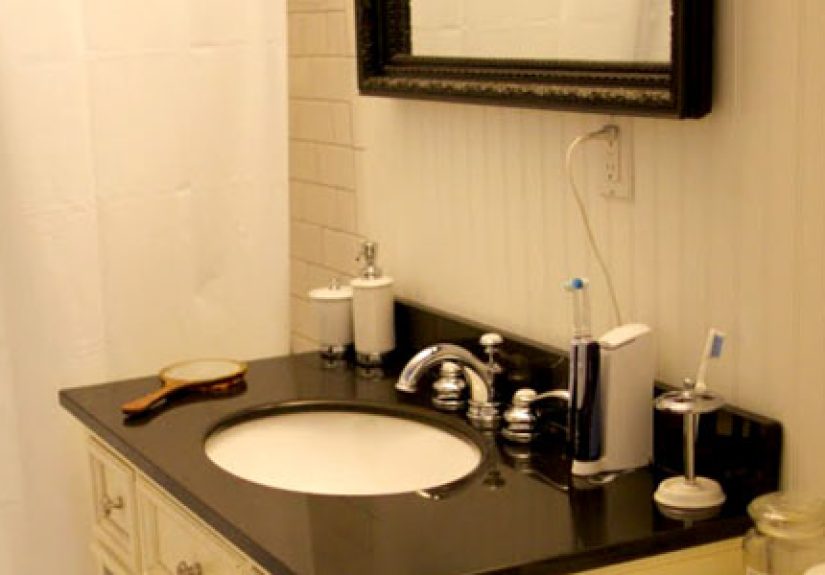
Before: A small bathroom with a bulky vanity, a tiny mirror, dim lighting, and a shower/tub combo that feels darker than it should.
After: A clean, bright small bathroom makeover with a vanity that has drawers, a larger mirror, updated lighting, and crisp finishes that bounce light around the room.
- Swapped the vanity for a slightly taller unit with full-extension drawers.
- Installed a wider mirror (or mirrored cabinet) to increase reflection and storage.
- Upgraded to brighter, more flattering vanity lighting.
- Used light wall color and a consistent floor material to reduce visual breaks.
- Added a glass shower door or a cleaner shower curtain setup for a more open look.
Why it works: In small bathrooms, fewer visual interruptions = more “space.” The after version looks
calmer because it’s less cluttered, better lit, and designed around daily use.
Example 2: The “Everything Is Beige” Powder Room Gets Personality
Before: Beige walls, basic mirror, tired faucet, and lighting that says “office hallway.”
After: A bold but controlled refreshstatement wallpaper or paint, updated mirror, warm metal hardware, and lighting that makes guests feel like you tried (in a good way).
- Chose one standout element: wallpaper, paint color, or a dramatic mirror.
- Swapped faucet and hardware for a consistent finish (no more “mixed metals by accident”).
- Installed a statement sconce or pendant for style and better face-lighting.
- Added a small shelf or art piece for a curated feel.
Why it works: Powder rooms are perfect for high-impact design because they’re small. You can spend less,
take bigger style swings, and still get a stunning before-and-after bathroom renovation moment.
Example 3: The 1990s Primary Bath Turns Into a Spa-Like Retreat
Before: A giant jetted tub nobody uses, a cramped shower, foggy mirrors, and storage that can’t keep up.
After: A larger shower, calmer finishes, better ventilation, and wellness-focused upgrades like layered lighting or heated flooringbuilt to feel relaxing and easy to maintain.
- Replaced the oversized tub (or downsized it) to create room for a larger shower.
- Added a bench, niche, handheld sprayer, and better shower lighting.
- Used large-format tile or slab-style surfaces to reduce grout maintenance.
- Improved ventilation with a properly sized exhaust fan and good ducting.
- Upgraded lighting with dimmers for “spa mode.”
Why it works: This is a classic “reallocate space” remodelless emphasis on a rarely used tub, more on
an everyday shower experience that feels luxurious.
Example 4: The “Future-Friendly” Bathroom Upgrade for Accessibility
Before: A step-over tub, slick flooring, poor lighting, and tight clearances that feel risky over time.
After: A safer, more adaptable spacelow-curb or curbless shower entry, nonslip flooring, better lighting, and support features that look intentional (not clinical).
- Installed a low-curb or curbless shower with a trench drain or properly sloped floor.
- Used textured or slip-resistant flooring materials.
- Added blocking in walls so grab bars can be installed securely (now or later).
- Improved lighting for visibility, including night lighting.
- Chose lever handles and easy-to-use controls.
Why it works: The best accessibility upgrades don’t scream “hospital.” They blend into a beautiful design
while supporting aging in place and everyday comfort.
The Unsexy Stuff That Makes the “After” Last
Gorgeous tile means nothing if water gets behind it. A beautiful before-and-after bathroom renovation is built on
details you don’t post on social media: waterproofing, ventilation, and smart material choices.
Ventilation: your mold-prevention superhero
Bathrooms generate moisture fast, and moisture loves to destroy paint, grout, and drywall. A properly sized and
properly vented exhaust fan helps keep finishes intact and improves indoor air quality. Many pros recommend sizing
fans based on bathroom dimensions and usage, and choosing a quieter model so people actually use it.
Waterproofing: the quiet difference between “new” and “nightmare”
Shower systems need thoughtful waterproofing behind tile and at transitionsespecially in walk-in showers and wet
rooms. It’s the part you shouldn’t cut corners on because it’s also the part you’ll regret the most if it fails.
Water-saving upgrades that pay you back
Toilets and faucets can be upgraded with water-efficient models that reduce consumption without sacrificing
performance. For many households, the savings add up over time, and it’s one of the easiest “responsible” upgrades
that doesn’t feel like a compromise.
Planning Your Bathroom Remodel Like a Pro (Even If You’re Not One)
Step 1: Define the goal (and the non-negotiables)
- Is this a small bathroom makeover for daily function, or a resale-focused refresh?
- What must stay? (Often: the toilet location, the vanity wall, the plumbing stack.)
- What must change? (Often: lighting, storage, ventilation, shower experience.)
Step 2: Pick your “hero” moment
Every stunning before-and-after bathroom remodel has a hero: a statement tile wall, a gorgeous vanity, a dramatic
mirror, a wet room, or lighting that makes the whole space glow. Choose one or two hero items, then support them
with simpler finishes so the room feels cohesive (not chaotic).
Step 3: Choose materials for real life
- Floors: Favor slip resistance and durability over “looks fine in a catalog.”
- Walls: Use moisture-appropriate paint and surfaces in splash zones.
- Tile: Larger formats can reduce grout lines; grout color matters more than you think.
- Hardware: Consistent finishes instantly elevate the look.
Step 4: Get the timeline right (so you’re not brushing teeth in the kitchen sink)
Bathroom remodel timelines vary by scope, permitting, and product lead times. A simple refresh can move quickly,
while a full gut renovation takes longerespecially if you’re waiting on tile, custom cabinetry, or specialty glass.
Build in buffer time for “surprises,” especially in older homes.
Mistakes That Can Ruin a Beautiful Bathroom Renovation
Most bathroom renovation regrets aren’t about stylethey’re about function. Here are the big ones to avoid:
- Underlighting the mirror zone (hello, shadow face).
- Ignoring ventilation (hello, peeling paint and mildew).
- Choosing trendy-but-fussy materials that stain, scratch, or show every water spot.
- Skipping storage planning and ending up with counters full of stuff again.
- Not planning outlets for everyday tools (hair dryer, toothbrush charger, etc.).
- Making the layout “pretty” but awkward (like a door that hits the vanity, or a shower you can’t comfortably use).
DIY vs. Hiring a Pro: What’s Worth Doing Yourself?
DIY can save money on a bathroom remodel, but bathrooms are a high-risk zone because water damage is expensive.
Homeowners commonly DIY the cosmetic items (paint, mirrors, hardware, accessories) while hiring pros for plumbing,
electrical, waterproofing, tile, and specialty glassespecially for major remodels or wet rooms.
Conclusion: The Best “After” Bathrooms Feel Easy
A truly beautiful before and after bathroom renovation isn’t just a pretty reveal photo. It’s a room that feels
brighter, cleaner, calmer, and more functional every single day. Aim for layered lighting, smart storage,
a shower you actually enjoy using, and the behind-the-scenes choicesventilation, waterproofing, water efficiency
that keep the glow-up glowing.
Real-World Experiences: What Bathroom Renovations Teach You (The 500-Word, Hard-Won Edition)
If you’ve never lived through a bathroom renovation, let me paint a picture: it starts with optimism, moves into
mild inconvenience, briefly becomes a reality TV survival challenge, and thenif you planned wellends in triumph.
Here are the experiences homeowners and pros repeatedly describe, and how to use them to your advantage.
You will underestimate “decision fatigue”
A bathroom seems small until you’re choosing tile, grout color, trim, paint sheen, vanity depth, mirror size,
sconce spacing, faucet finish, shower valve trim, niche placement, towel hooks, and whether your future self will
hate polished chrome water spots. The experience tip: decide your finish palette early (two or
three finishes max), choose one hero element, and keep the rest timeless. That way, the “after” still feels fresh
years laterand you don’t spiral over the 47th sample of “warm white that’s not too warm.”
The hidden timeline villains are shipping and sequencing
Renovations rarely stall because someone forgot how to tile. They stall because the vanity is delayed, the shower
glass can’t be measured until tile is finished, and the electrician can’t install fixtures until the mirror arrives.
Experienced remodelers order long-lead items early (tile, vanity, specialty fixtures), confirm return policies,
and keep backups in mind. Sequencing matters: rough plumbing and electrical happen before walls close, then
waterproofing, then tile, then fixtures, then final trim and paint touch-ups. The lesson: a “simple” change can
ripple through the scheduleso build a buffer for real life.
You’ll learn what you actually care about
Before the renovation, people often think they want the most dramatic tile or the fanciest faucet. During the
renovation, they realize the real daily wins are a quieter exhaust fan, better mirror lighting, drawers that
don’t jam, and a shower that doesn’t splash half the room. The experience tip: prioritize the things you touch
every daylighting switches, handles, storage, shower controlsand treat the Instagram moments as a bonus, not
the whole plan.
Living through it is easier when you set up a “temporary bathroom system”
If this is your only bathroom, the experience can get spicy. Homeowners who survive with minimal drama create
a temporary routine: a labeled bin for daily essentials, a backup mirror and light, and a plan for showering
(gym membership, family backup, or a phased remodel). Dust control also becomes a personality trait: sealed
doorways, floor protection, and daily cleanup keep the rest of the house livable. The lesson: plan how you’ll
function during the “before” demolition phase, not just how you’ll celebrate the “after.”
The final 10% is where the “after” becomes breathtaking
The bathroom will look “almost done” before it looks done. That last stretchcaulk lines, paint touch-ups,
aligned hardware, adjusted doors, balanced lighting color temperature, and clean grout haze removalcreates the
true before-and-after difference. Homeowners who love their results treat punch-list items as essential, not
picky. The experience tip: schedule a final walkthrough, test everything (fan, outlets, shower temperature,
drainage, drawers), and don’t rush the finishing details. That’s where the bathroom stops being “new” and starts
being “wow.”