Table of Contents >> Show >> Hide
- The short answer: no, but broad routine compounding took a major hit
- Why people started saying it was “banned”
- What compounded semaglutide may still look like legally
- Why the FDA got tougher on compounded semaglutide
- What this means for patients right now
- So, did the FDA ban compounded semaglutide?
- Real-world experiences around the compounded semaglutide question
- Conclusion
- SEO Tags
If you have spent even five minutes on the internet lately, you have probably seen some version of this headline: “The FDA banned compounded semaglutide.” It sounds dramatic. It sounds final. It sounds like someone in Washington hit a giant red button labeled NO MORE GLP-1s FOR ANYONE. But that is not really what happened.
The better answer is more nuanced, more legal, and a little less click-friendly: the FDA did not issue a blanket ban on compounded semaglutide. What changed is that the broad, shortage-based pathway that allowed many compounders to make copycat versions of semaglutide largely dried up after the FDA declared the national shortage resolved. In plain English, the easy era ended. The loophole got smaller. The rules got sharper teeth.
That distinction matters. It matters for patients who were using compounded semaglutide because branded products were hard to find or too expensive. It matters for clinicians trying to keep people on therapy without creating legal or safety problems. And it matters for telehealth companies and compounding pharmacies that built major businesses around demand for GLP-1 medications.
So let’s unpack what actually happened, why people keep calling it a “ban,” what the FDA is really saying, and what compounded semaglutide may still look like in the real world today.
The short answer: no, but broad routine compounding took a major hit
Here is the cleanest way to say it: the FDA did not outlaw every compounded semaglutide product in every circumstance. Instead, the agency determined that the shortage of semaglutide injection products was over. Once that happened, pharmacies and outsourcing facilities generally lost the special shortage-related flexibility that had allowed them to compound versions that were essentially copies of FDA-approved semaglutide drugs.
That is why so many people describe the change as a ban. From the patient’s point of view, the result can feel similar. A product that was easy to order a few months ago may suddenly disappear, get restricted, or come with legal caveats big enough to need their own zip code. But legally speaking, this is not the same thing as the FDA saying, “Compounded semaglutide is prohibited in all situations.”
What the FDA is really saying is closer to this: when approved semaglutide products are commercially available, compounders cannot keep mass-producing near-identical alternatives just because demand is high. Compounding is supposed to fill a legitimate medical need, not become a shadow generic market wearing a lab coat.
Why people started saying it was “banned”
The shortage ended
During the semaglutide shortage, compounded products expanded because FDA-approved options such as Wegovy and Ozempic were difficult to obtain in many places. Compounding was widely seen as a pressure valve. If the branded market could not meet demand, compounded versions helped fill the gap.
Then the FDA said the shortage was resolved. That was the turning point. Once semaglutide injection was no longer on the shortage list, the legal basis for making copycat compounded versions became far more limited. That single regulatory change is the root of nearly every scary headline you have seen since.
It is also why some patients were confused. Local shortages and national shortages are not the same thing. A patient may walk into a pharmacy and still hear, “Sorry, we’re out,” while the FDA says national supply can meet current and projected demand. Those two statements can both be true at once. One describes a local supply hiccup. The other describes the national regulatory picture.
The court challenge did not reopen the floodgates
After the FDA declared the shortage resolved, compounding groups challenged the decision in court. For a while, that created a bit of regulatory suspense. Some people thought the lawsuits might preserve broad access to compounded semaglutide for much longer.
That did not happen. The court denied a preliminary injunction in April 2025, and later upheld the FDA’s decision to remove semaglutide from the shortage list. Once that challenge failed, the shortage-based argument for routine large-scale compounding became much weaker. So, to the average consumer, the practical message sounded simple: “compounded semaglutide is over.”
Again, not technically a total ban. But definitely not business as usual.
The grace periods expired
The FDA did not slam the brakes overnight. It gave compounders a short off-ramp. State-licensed pharmacies operating under Section 503A got a shorter wind-down period, while outsourcing facilities under Section 503B got a slightly longer one. Once those periods ended, compounders could no longer rely on shortage status to justify making products that were essentially copies of approved semaglutide injections.
That timeline matters because a lot of online content froze in the middle of the story. Some articles were written while grace periods were still active and now read like stale milk. If you are reading old advice that says compounded semaglutide is still broadly allowed because of FDA enforcement discretion, check the date very carefully.
What compounded semaglutide may still look like legally
This is where the answer becomes less dramatic and more pharmacy-law exam. Compounded semaglutide may still exist in limited circumstances, but not as a routine substitute for commercially available branded drugs.
In general, compounding can still make sense when a patient has a specific medical need that the FDA-approved product does not meet. For example, a prescriber may determine that a patient requires a formulation difference that produces a meaningful clinical benefit. The key point is that the compounded product must be tied to a legitimate individualized need, not just lower price, easier marketing, or broad consumer demand.
That is an important line. Compounding law was not designed so companies could take a blockbuster drug, shave the price, build a glossy landing page, and wink at consumers like, “Same thing, just cooler.” It was designed to support customized patient care when approved products are unavailable or unsuitable.
There are also other guardrails:
- Compounders cannot freely make products that are essentially copies of commercially available or FDA-approved semaglutide products.
- Salt forms such as semaglutide sodium or semaglutide acetate raise major FDA concerns and are not treated as interchangeable with the active ingredient used in approved products.
- Promoting compounded semaglutide as though it is the same as Wegovy, Ozempic, or Rybelsus can create misbranding problems.
- Compounded drugs are not FDA-approved, which means they do not go through the same premarket review for safety, effectiveness, and quality.
So yes, some narrow compounding pathways may remain. But the giant open highway that existed during the shortage is no longer the norm.
Why the FDA got tougher on compounded semaglutide
This was not only about protecting the branded drugmakers, though that is how social media sometimes frames it. The FDA’s public messaging has focused heavily on safety, product quality, and misleading promotion.
The agency has raised concerns about dosing errors, especially when patients are given multiple-dose vials and must measure doses themselves instead of using familiar pen devices. That sounds simple until you remember that milligrams, milliliters, units, and weekly titration schedules can become a very expensive game of math gone wrong. And unlike middle-school algebra, the wrong answer here may end in an urgent care visit.
The FDA has also flagged other problems tied to some compounded GLP-1 products, including products arriving warm during shipping, questionable sterility practices, use of semaglutide salt forms, and even fraudulent labels that appear to identify pharmacies that did not actually make the product. None of that inspires confidence. It inspires the exact opposite of confidence.
Then came the advertising issue. Some sellers promoted compounded semaglutide as though it used the “same active ingredient” and delivered the same benefits as the FDA-approved products. That kind of language may sound like ordinary marketing puffery, but regulators do not treat it as harmless word salad. If a compounded drug is marketed like an approved equivalent when it is not FDA-approved, the legal problems stack up quickly.
By 2026, the FDA had made its posture even clearer: it intended to act more aggressively against non-FDA-approved GLP-1 drugs being mass-marketed as alternatives to approved products. In other words, the agency stopped whispering and started using its outside voice.
What this means for patients right now
If you were using compounded semaglutide
Patients who were already on compounded semaglutide often found themselves facing three immediate questions: Can I stay on it? Do I need to switch? And why does every answer begin with “it depends”?
For many people, the real issue was continuity. They had started losing weight, improving blood sugar, or finally feeling less hungry all day. Then the regulatory environment changed, and suddenly they had to sort through pharmacy notices, provider messages, insurance denials, and internet rumors. That is frustrating on a good day. Add medication access anxiety, and it becomes a full-time side hustle.
Patients should not assume that a compounded product sold online is lawful, equivalent, or safe just because the website has a smooth checkout page and a soothing shade of blue. The better move is to talk with a licensed prescriber and a state-licensed pharmacy about what is actually available, appropriate, and compliant.
If you are trying to start semaglutide now
New patients should expect the market to look different from the shortage era. FDA-approved products are once again the center of gravity. That does not mean they are cheap. It does not mean access is magically effortless. But it does mean the regulatory system is steering patients back toward approved channels, not broad compounded substitutes.
If cost is the problem, the conversation may shift toward insurance strategy, manufacturer programs, alternative GLP-1 options, or non-GLP-1 treatments depending on the patient’s goals and diagnosis. What should not happen is treating compounded semaglutide like a permanent generic version that the law quietly forgot to regulate.
If you are a prescriber or telehealth platform
The compliance stakes are higher now. A prescriber considering compounded semaglutide needs a clear clinical rationale, careful documentation, and a realistic understanding of what compounding law does and does not permit. Telehealth platforms, meanwhile, have moved into a much more scrutinized environment. The era of breezy “same ingredient, lower price” messaging is not aging well.
That does not mean every compounded GLP-1 conversation is over. It means the conversation has to be tighter, more individualized, and less marketing-driven.
So, did the FDA ban compounded semaglutide?
No, not in the absolute sense. But the FDA did something that, in practical terms, dramatically narrowed the market for compounded semaglutide. Once the shortage was declared over, compounders generally could not keep making broad copycat versions the way they had during the shortage. Court challenges did not restore that broad permission. FDA warnings and enforcement messaging since then have only reinforced the point.
If you want the one-sentence version, here it is: compounded semaglutide was not universally banned, but widespread shortage-based compounding of semaglutide copies was effectively pushed off the table.
That may not fit neatly on a viral headline card, but it is much closer to the truth.
Real-world experiences around the compounded semaglutide question
One of the most revealing parts of this story is how different the experience felt depending on where you sat. For regulators, this was about supply, statutory limits, product quality, and misleading claims. For pharmacies and telehealth companies, it was a fight over access, economics, and business models built during a shortage. For patients, it was usually much more personal: “I finally found something that worked. Are you telling me I have to start over?”
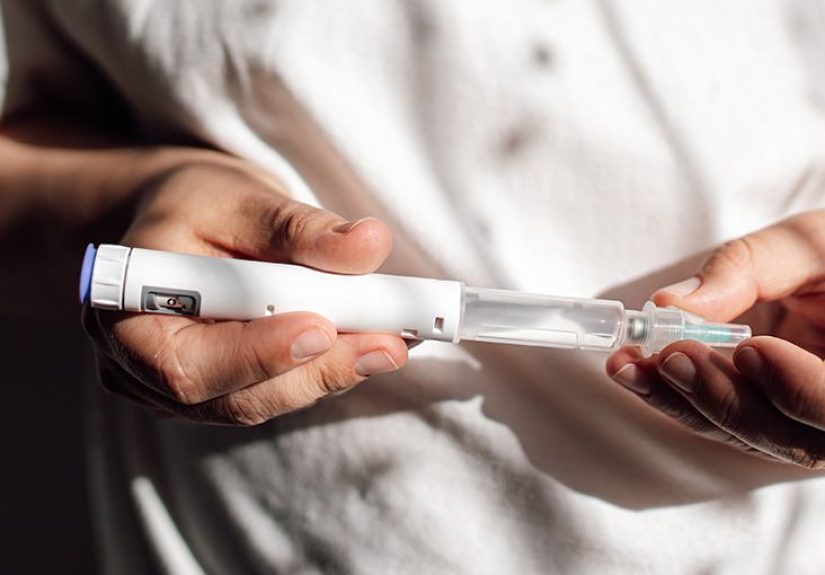
Many patients first encountered compounded semaglutide during the worst part of the supply crunch, when branded pens were difficult to find and prices were punishing. Some were willing to accept extra inconvenience if it meant staying on therapy. Instead of a sleek injector pen, they got a vial and syringe. Instead of a polished manufacturer insert, they got instructions that sometimes varied by pharmacy. Instead of feeling like they were using a mainstream medication, they felt like they had joined a tiny startup version of diabetes and obesity treatment. For some, that tradeoff seemed worth it.
Then came the confusion. Patients would hear that the shortage was “resolved” and assume that meant every pharmacy shelf was suddenly full. Not necessarily. Others saw headlines saying compounded semaglutide was “banned” and assumed they had done something illegal just by using it. Also not necessarily. The truth sat awkwardly in the middle, where truth often lives and where social media almost never visits.
Clinicians had their own version of whiplash. Some had patients doing well on compounded products and did not want abrupt interruptions. Others were uneasy from the beginning, especially when they saw unclear labeling, odd concentrations, or formulations mixed with extra ingredients that were marketed as helpful add-ons but were not backed by strong evidence. The move from shortage-era flexibility to post-shortage restriction forced providers to revisit prescribing habits quickly. That is not always easy in a busy practice where medication access problems already eat half the day.
Pharmacists and compliance teams experienced the issue as a moving target. First the shortage justified broader activity. Then the FDA set phase-out dates. Then litigation created a temporary cloud of uncertainty. Then court losses and later enforcement signals sharpened the message again. For legitimate operators trying to stay compliant, the challenge was not merely finding product. It was interpreting what was still defensible, what required documentation, and what had crossed from compounding into high-risk imitation.
Even now, one of the biggest “experiences” tied to this topic is uncertainty fatigue. Patients want a yes-or-no answer. Businesses want a stable rulebook. Doctors want continuity for patients who are responding well. The FDA, meanwhile, is trying to keep compounding inside its intended lane while addressing safety concerns that are not hypothetical. That tension explains why the topic keeps resurfacing. It is not just a legal question. It is a collision between demand, cost, access, safety, and the uncomfortable fact that modern medicine is often messy before it is clear.
If there is one lesson from the semaglutide saga, it is this: when a drug becomes wildly popular, the market will move faster than the headlines, and the headlines will move faster than the fine print. Patients who slow down, verify the source of the product, and talk with a qualified prescriber usually make better decisions than those who rely on the loudest post in their feed.
Conclusion
The phrase “FDA ban” is catchy, but it oversimplifies what actually happened. The FDA did not impose a universal prohibition on compounded semaglutide in every setting. What it did do was end the shortage-based environment that allowed widespread copycat compounding to flourish, then reinforce that shift through litigation outcomes, safety warnings, and stronger enforcement language.
For patients, that means compounded semaglutide is no longer something to treat like an easy stand-in for branded semaglutide. For prescribers and pharmacies, it means individualized compounding must stay individualized, lawful, and carefully justified. And for anyone reading dramatic online claims, it means one thing above all: the real answer is less theatrical than a ban, but far more important to understand.
In other words, the FDA did not shut the entire door. It closed the giant automatic sliding one and left a much smaller side entrance for narrow, legitimate cases.