Table of Contents >> Show >> Hide
- What Are Molly Fry, Exactly?
- 1. Give Molly Fry a Safe Place to Grow
- 2. Keep the Water Warm, Stable, and Boring
- 3. Feed Small Meals More Often Than You Feed Adults
- 4. Protect the Fry From Adults
- 5. Keep the Tank Clean Without Turning Maintenance Into a Disaster
- 6. Watch Growth Milestones
- 7. Choose Tank Mates Carefully
- 8. Learn the Red Flags Early
- Common Mistakes People Make With Molly Fry
- How to Take Care of Molly Fry in Real Life: The Experience Nobody Warns You About
- Final Thoughts
If you woke up this morning and found tiny fish confetti darting around your aquarium, congratulations: your mollies have been busy. Molly fry are baby molly fish, and while they are tougher than many other newborn aquarium fish, they still need the right setup, food, and water quality to survive and grow. The good news is that molly fry care is not rocket science. The bad news is that it can turn into chaos faster than you can say, “Why are there 27 babies in my tank?”
This guide breaks down exactly how to care for newborn molly fish, from the first 24 hours to the point when they are strong enough to join the main aquarium. Along the way, we’ll cover nursery tank setup, feeding, water changes, common mistakes, and the little habits that make the biggest difference. If you want your molly fish fry to grow instead of becoming an accidental snack, you are in the right place.
What Are Molly Fry, Exactly?
Mollies are livebearers, which means they do not lay eggs. The female gives birth to live, free-swimming babies called fry. That matters because molly fry are born more developed than many egg-hatched fish. They can swim right away, hide right away, and eat small foods almost immediately. In other words, they are tiny, but they are not helpless little noodles.
Still, they have one major problem: adults do not offer childcare. In many tanks, adult mollies and other fish will eat fry if they can catch them. So the first rule of baby molly fish care is simple: keep the fry safe before you worry about anything else.
1. Give Molly Fry a Safe Place to Grow
You have two main options for raising fry:
A Separate Nursery Tank
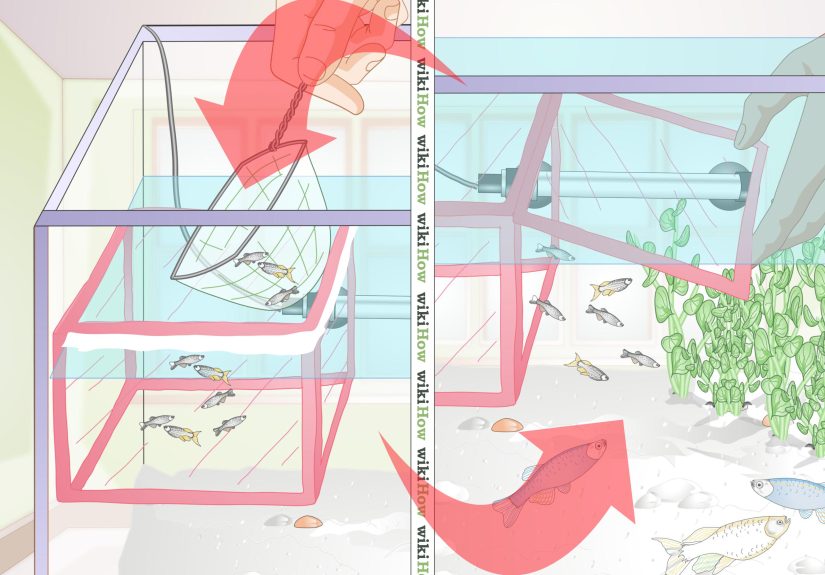
This is the easiest option if you want high survival rates. A small grow-out or nursery tank gives the fry their own quiet space, away from hungry adults and rowdy tank mates. Keep it simple: a heater, gentle filtration, clean water, and cover. A sponge filter or similarly gentle filter works best because it will not suck up tiny swimmers like a miniature aquatic vacuum cleaner of doom.
A Heavily Planted Main Tank
If you do not want a second aquarium, dense plant cover can help. Floating plants and thick, fine-textured plants give fry a place to hide near the surface, which is where many newborn livebearers hang out. This method is less controlled, but it can work well if your aquarium is peaceful and full of hiding spaces.
If you use a breeding box or net breeder, think of it as a short-term solution, not a luxury condo. Fry grow quickly, and cramped conditions can foul the water fast. Move them to a proper rearing tank as soon as possible.
2. Keep the Water Warm, Stable, and Boring
In fishkeeping, “boring” is a compliment. Molly fry do best when the water stays stable day after day. Wild swings in temperature, pH, or water quality create stress, and stressed fry do not grow well.
For most mollies, aim for warm water in the mid-to-upper 70s Fahrenheit, with a slightly alkaline pH and moderately hard to hard water. More important than hitting a magical number is avoiding sudden changes. If the temperature bounces around like a bad stock chart, the fry will pay the price.
Before adding fry to any nursery setup, make sure the tank is fully cycled. A brand-new aquarium may look clean, but that does not mean it is safe. Without an established biofilter, ammonia and nitrite can spike quickly. Fry are tiny, and tiny fish are not famous for shrugging off toxic water.
A practical goal is this: zero ammonia, zero nitrite, and low nitrate. Test the water regularly, especially in the first few weeks. If something looks off, fix the water before you assume the fish are sick. In aquariums, bad water quality is often the villain wearing the fake mustache.
3. Feed Small Meals More Often Than You Feed Adults
Food is where many people either succeed brilliantly or accidentally create a swamp. Molly fry are born large enough to accept very fine foods, but their stomachs are tiny, so they do better with small feedings spread through the day.
Best Foods for Molly Fry
- High-quality flake food crushed into a fine powder
- Commercial fry food
- Baby brine shrimp
- Very small powdered gel food or soft fry mixes
If you want fast growth, baby brine shrimp is a superstar. Fry chase it enthusiastically, and it supports strong development. Crushed flakes are also useful, inexpensive, and easy to keep on hand. As the fry get bigger, you can gradually move them onto larger crumbles, micro pellets, and a more varied diet.
Mollies also lean plant-friendly in their diet, so once they are a bit older, adding algae-based or spirulina-rich foods is smart. Think of it as serving your kids greens before they discover that protein snacks are more exciting.
How Often Should You Feed Them?
Feed very small portions several times a day if possible. Two feedings can work, but three or four tiny meals usually support better growth in fry. The trick is to feed only what they can finish quickly. If the food settles into the tank and starts rotting, you are not “spoiling” them; you are seasoning the ammonia.
4. Protect the Fry From Adults
This is the big one. Adult mollies commonly eat fry, and so do many other community fish. If you want the highest number of babies to survive, separate the mother just before birth or move the fry immediately after they are born. Once the female has released the fry, return her to the main tank so she can recover and the babies can stop living in fear of becoming lunch.
If separation is not possible, overdo the hiding spots. A sparse tank is a fry buffet. A thickly planted tank gives at least some of them a fair chance.
5. Keep the Tank Clean Without Turning Maintenance Into a Disaster
Clean water is one of the best gifts you can give molly fry, but maintenance has to be gentle. Large, sudden water changes can shock fry. Rough siphoning can remove babies along with waste. So yes, aquarium care becomes a little like defusing a tiny wet bomb.
Smart Maintenance Habits
- Do small, regular partial water changes instead of giant overhauls
- Use conditioned, temperature-matched water
- Remove uneaten food before it breaks down
- Keep filtration running well, but not too strongly
- Vacuum carefully and slowly so fry are not sucked up
In a fry tank, overfeeding is one of the fastest ways to wreck water quality. More food means more waste, and more waste means more stress. Keep the tank clean, but avoid making every maintenance session feel like a flood, tornado, and abduction all at once.
6. Watch Growth Milestones
Healthy molly fry should stay active, eat eagerly, and gradually thicken up over the next several weeks. You will notice them becoming bolder, spending more time in the open, and showing clearer body shape and color as they grow.
Many fry can move into a community setup after about four to six weeks if they are large enough not to fit in an adult fish’s mouth. Full juvenile size takes longer, often several months. In short: they leave the baby stage fairly quickly, but they do not become “teenagers with attitude” overnight.
7. Choose Tank Mates Carefully
Once the fry are old enough to leave the nursery, they still need compatible company. Mollies are generally peaceful and do well with similarly peaceful fish that enjoy similar water conditions. Aggressive, fin-nipping, or much larger species are a bad idea.
If you are keeping adult mollies together, females should outnumber males. This helps reduce harassment and stress, which is especially important if you plan to keep breeding fish. A peaceful environment does not just protect adults; it sets the stage for healthier fry too.
8. Learn the Red Flags Early
If something seems wrong with your fry, do not start with medication. Start with water quality, temperature, and feeding. Many fish problems trace back to stress and poor conditions rather than mystery diseases.
Warning Signs to Watch
- Fry gasping at the surface
- Loss of appetite
- Clamped fins or unusual swimming
- Sudden bloating or wasting
- Cloudy water, foul smell, or leftover food
- Rapid losses after setting up a new tank
Surface gasping can point to poor water quality or oxygen issues. Unusual swimming may suggest stress. Rapid losses in a newly set-up tank can mean the biofilter was not ready. When in doubt, test the water first. It is less dramatic than declaring a plague, but far more useful.
Common Mistakes People Make With Molly Fry
- Using an uncycled tank: Clean-looking water is not the same as safe water.
- Leaving fry with adults in a bare tank: That is basically an all-you-can-eat special.
- Feeding too much at once: Fry need frequent meals, not giant banquets.
- Ignoring plant matter as they grow: Mollies appreciate a more balanced, algae-friendly diet.
- Making huge water changes: Stability beats drama.
- Keeping too many babies in too little water: Crowding causes stress, waste buildup, and slow growth.
How to Take Care of Molly Fry in Real Life: The Experience Nobody Warns You About
Caring for molly fry sounds simple on paper, but the real experience has a personality of its own. Day one is usually pure excitement. You spot a few babies near the surface, then a few more, then somehow twelve more you swear were not there five seconds ago. Suddenly, your peaceful community aquarium has turned into a daycare center with fins. It is fun, but it is also the moment many fish keepers realize that “livebearer” is not just a biology term. It is a lifestyle choice.
The first surprise is how tiny the fry look compared with how capable they actually are. They swim well, they dart into cover fast, and they act like they already know the adults cannot be trusted. Watching that instinct kick in is fascinating. You start to understand why cover matters so much. A fry tank with floating plants and gentle filtration feels calm. A bare tank feels like a reality show called Survive If You Can.
The second surprise is how quickly feeding becomes a routine. You do not just toss in food and walk away like you might with larger fish. You start crushing flakes more carefully. You notice which fry are bold eaters and which hang back. You learn that tiny meals work better than one big dump of food. Soon you are peering into the tank like a very concerned cafeteria manager. “Everyone eat. No, not you, random snail. This is not your buffet.”
Then there is the emotional side. Some fry grow fast, some disappear, and some seem to materialize out of nowhere days later because they were hiding so well. New keepers often worry that they are doing everything wrong when survival is not perfect. But that is part of raising fry. Good care improves the odds; it does not turn the aquarium into a fairy tale. The goal is not perfection. The goal is a stable environment where the strongest, healthiest babies can thrive.
Another real-world experience is discovering how much maintenance matters. A fry tank teaches patience. You cannot rush water changes. You cannot be sloppy with a siphon. You cannot assume clear water equals healthy water. Raising molly fry tends to sharpen your fishkeeping habits in the best possible way. Suddenly, you notice temperature swings, leftover food, and filter flow with detective-level intensity.
And then, of course, comes the population question. Molly fry are adorable when there are six. They are still adorable at twelve. At twenty-five, they start looking like a management issue. This is when experienced keepers begin planning ahead: more tank space, rehoming options, or a better strategy for separating males and females later. Caring for molly fry is not just about keeping babies alive. It is about thinking one step ahead so success does not become overcrowding.
Still, for many aquarists, the experience is worth every extra feeding and every careful water change. Watching a nearly transparent fry turn into a confident young molly with clear color, shape, and attitude is genuinely rewarding. You are not just keeping fish alive; you are watching a tiny life stage unfold in real time. And unlike many aquarium challenges, this one comes with an excellent payoff: a healthier tank, better fishkeeping skills, and the smug satisfaction of knowing your babies made it because you did things right.
Final Thoughts
If you want to know how to take care of molly fry successfully, remember the four essentials: safety, stable water, tiny frequent feedings, and gentle maintenance. Give the babies cover or their own nursery tank, keep the water warm and cycled, feed appropriate fry foods in small portions, and never let water quality slide just because the fish are small. In fact, because they are small, those details matter even more.
Molly fry are one of the most approachable baby fish for beginners, but “easy” does not mean “ignore them and hope for the best.” Give them a good start, and they usually reward you with fast growth, lively behavior, and a much better survival rate. Which is great, because once you raise one batch successfully, there is a decent chance your mollies will decide you are ready for another. And another. And maybe a few more just for fun.