Table of Contents >> Show >> Hide
- What Makes a Kitchen Feel Heritage, Not Just “Vintage-Inspired”?
- The Core Palette: Soft, Historic, and a Little Moody
- Cabinetry: Choose Shaker, Inset, or Furniture-Like Pieces
- Countertops: Soapstone, Honed Marble, Butcher Block, or Quiet Quartz
- Backsplashes and Walls: Beadboard, Tile, Plaster, and Personality
- The Sink and Faucet: The Workhorse Moment
- Flooring: Wide Planks, Warm Wood, and Worn-In Texture
- Lighting: Lanterns, Sconces, and Quiet Glow
- Open Shelving and Display: Useful, Not Fussy
- The Pantry: The Secret Weapon of Heritage Style
- Furniture and Seating: Add the Human Layer
- How to Steal the Look on Different Budgets
- Common Mistakes to Avoid
- Experience Notes: Living With a Heritage-Feeling Kitchen
- Conclusion
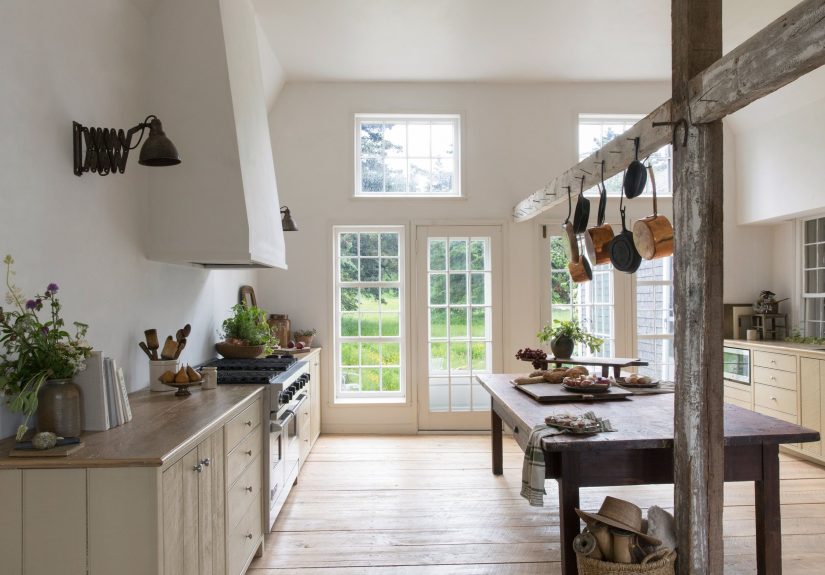
A heritage-feeling kitchen in New England is not a stage set with a bowl of decorative apples and a sign that says “Gather.” It is quieter than that, and much better. It feels as though someone has been making chowder, coffee, pie dough, school lunches, and strong opinions in the same room for generations. The beauty comes from restraint: honest materials, practical storage, painted wood, old-house proportions, and details that look like they have a job to do.
The goal is not to copy a museum kitchen. Nobody wants to churn butter before breakfast unless there is a very convincing brunch involved. The goal is to create a modern kitchen with an old soul: comfortable enough for daily life, durable enough for real cooking, and charming enough that guests instinctively drift toward it and refuse to leave.
To steal this look, think New England farmhouse meets Shaker utility, with a little coastal softness and a dash of “my family has owned this rolling pin since 1892.” The best version balances simplicity and warmth: inset or Shaker-style cabinets, natural stone, wide-plank wood floors, beadboard, bridge faucets, unlacquered brass or dark iron hardware, open shelving, and a palette pulled from fog, pine needles, old creamware, slate, and weathered clapboard.
What Makes a Kitchen Feel Heritage, Not Just “Vintage-Inspired”?
A heritage kitchen feels collected rather than installed in one dramatic weekend. The cabinets may be new, but they should not scream “fresh from the showroom.” The countertops may be high-performing, but they should have texture and depth. The lighting can be wired to modern standards, thank goodness, but it should feel like it belongs near plaster walls, old beams, and a door that sticks every February.
In New England homes, character often comes from architecture first. Saltboxes, Capes, Colonials, Greek Revival homes, and farmhouses tend to favor compact rooms, simple trim, central chimneys, paneled doors, practical floor plans, and a close relationship between indoors and outdoors. A kitchen that respects that context will feel far more authentic than one that simply adds a random antique sign above a stainless-steel range.
The Core Palette: Soft, Historic, and a Little Moody
Color is one of the easiest ways to make a kitchen feel rooted in New England. Skip icy whites that feel more like a dental office than a farmhouse. Instead, look for warm whites, putty tones, gray-greens, muted blues, soft creams, mushroom, flax, pewter, and deep pantry shades like oxblood, bottle green, or blue-black.
Cabinet Colors That Work
For perimeter cabinets, try creamy white, warm gray, pale sage, or chalky taupe. These colors bounce light but still feel grounded. For an island, hutch, or pantry wall, go deeper: smoky green, weathered navy, charcoal, or dark olive. A two-tone kitchen works especially well in a heritage scheme because it suggests the space evolved over time. Perhaps the main cabinets were painted first, then the island arrived later, like a very useful houseguest who never left.
Historical paint collections are helpful because their colors are usually muted, layered, and compatible with older architecture. A heritage kitchen should never look as though someone selected the color while holding a neon highlighter. The best shades feel softened by time, even when the paint was applied last Tuesday.
Cabinetry: Choose Shaker, Inset, or Furniture-Like Pieces
Shaker-style cabinetry is the backbone of this look. It is simple, clean, and quietly confident. The classic five-piece door with a recessed center panel offers just enough detail without turning every drawer front into a decorative speech. Inset doors are especially appropriate for a historic-feeling kitchen because they sit flush within the cabinet frame, creating a crafted, furniture-like appearance.
For a more collected look, avoid making every cabinet identical. Mix closed storage with a glass-front hutch, a freestanding pantry cabinet, open shelves near the sink, or a skirted lower cabinet. The room should feel planned, but not so perfectly matched that it loses its humanity. Old kitchens were working rooms; they grew as households needed them to grow.
Hardware: Small Detail, Big Personality
Hardware is where a kitchen can go from “nice” to “oh, this has a soul.” Choose unlacquered brass, antique brass, oil-rubbed bronze, black iron, or polished nickel if you want a slightly brighter traditional note. Bin pulls on drawers, small knobs on doors, and simple latches on glass cabinets all work beautifully.
Do not overdo it. Hardware should look useful, not like jewelry competing for attention. A heritage-feeling kitchen is not wearing a tiara to unload the dishwasher.
Countertops: Soapstone, Honed Marble, Butcher Block, or Quiet Quartz
Countertops should feel tactile and durable. Soapstone is a classic choice for old-house kitchens because of its deep gray color, soft veining, and practical, timeworn personality. It can scratch, but the scratches become part of the patina, which is design-speak for “relax, life happened.” Honed marble is another beautiful option, especially if you enjoy a lighter surface and accept that etching is not a crisis but a biography.
Butcher block can add warmth on an island or baking station. It pairs well with painted cabinets and gives the room a working-kitchen feeling. If maintenance is a concern, choose a quiet quartz or quartzite that mimics natural stone without dramatic, high-contrast veining. The key is restraint: avoid surfaces that look too glossy, too perfect, or too visually loud.
Backsplashes and Walls: Beadboard, Tile, Plaster, and Personality
Beadboard is one of the fastest ways to create New England cottage character. Used on walls, cabinet ends, ceilings, or the back of open shelves, it adds rhythm and texture without shouting. Painted beadboard behind a sink or range can feel especially appropriate in a Cape-style or farmhouse kitchen.
For tile, consider handmade subway tile, square zellige-style tile, simple white ceramic, or a soft crackle glaze. The backsplash should support the kitchen, not audition for a talent show. If the room has plaster walls, celebrate them. Slight imperfections help the kitchen feel lived-in. Perfectly flat, glossy surfaces can make an old-house-inspired space feel too new.
The Sink and Faucet: The Workhorse Moment
A farmhouse or apron-front sink makes sense in this look because it feels practical and generous. It handles stockpots, sheet pans, garden vegetables, muddy flower vases, and the occasional emotional support mixing bowl. Fireclay, cast iron, and stone are all strong candidates.
Pair the sink with a bridge faucet, gooseneck faucet, or simple traditional fixture in brass, polished nickel, or aged bronze. A side sprayer is useful, but choose one that does not look like it belongs in a restaurant dish pit unless that is your very specific dream.
Flooring: Wide Planks, Warm Wood, and Worn-In Texture
Wood floors are central to the New England kitchen mood. Wide-plank pine, oak, reclaimed boards, or engineered wood with a natural finish can all work. The tone should be warm, not orange; matte, not shiny; and forgiving, not precious. A heritage kitchen should welcome scuffs from boots, chairs, dogs, children, and adults who insist they are “just grabbing one snack.”
If wood is not practical, look at brick, slate, limestone, or porcelain tile with a handmade or natural appearance. A mudroom entry or back kitchen can handle darker stone beautifully, especially in snowy climates where real life arrives with wet socks.
Lighting: Lanterns, Sconces, and Quiet Glow
Lighting should feel layered. Use pendants over an island, sconces near open shelving or a sink, and warm under-cabinet lighting for prep work. Lantern-style fixtures, milk glass shades, schoolhouse lights, and simple metal pendants are all good fits.
The finish should coordinate with hardware without matching every piece perfectly. A little variation makes the room feel collected. Too much matching can make the kitchen feel like it came in a box labeled “Instant Heritage, Just Add Biscuits.”
Open Shelving and Display: Useful, Not Fussy
Open shelves are perfect for the heritage kitchen when they hold things you actually use: white plates, stoneware bowls, glass jars, copper pans, cookbooks, wooden boards, and a pitcher that looks like it has poured lemonade through several administrations. Keep the styling relaxed. Stacks of identical objects can look beautiful, but a little asymmetry adds charm.
One rule helps: display durable items, hide chaos. Pretty bowls can live on shelves. The blender, protein powder, novelty mugs, and mysterious cables should move to a pantry or cabinet where they can think about what they have done.
The Pantry: The Secret Weapon of Heritage Style
A pantry is one of the most powerful elements in a New England-inspired kitchen. It allows the main kitchen to stay calm while the practical thingssmall appliances, bulk food, cleaning supplies, baking tools, and the emergency chocolatehave a proper home.
If you have room, add a walk-in pantry with open shelves, lower cabinets, and maybe a small counter. If space is tight, use a tall pantry cabinet, a recessed niche, or a converted back-hall closet. Glass doors can borrow light and create a sense of depth. Curtains under a counter can soften the look and hide less glamorous items. The pantry should feel like a hardworking supporting actor, not an afterthought.
Furniture and Seating: Add the Human Layer
A heritage kitchen needs at least one piece that does not look built-in. A scrubbed pine table, Windsor chairs, a small bench, a vintage stool, or a freestanding hutch can soften all the cabinetry. This is especially important in newer homes, where architecture may need a little help feeling layered.
For island seating, choose rush-seat stools, simple wood stools, spindle-back chairs, or upholstered seats in ticking stripe, linen, or leather. Avoid anything too shiny or sculptural. The goal is comfort with manners.
How to Steal the Look on Different Budgets
Budget-Friendly Updates
Paint existing cabinets in a warm historic color, swap hardware for antique brass or black iron, add a beadboard backsplash, install wooden shelves, replace bright-white bulbs with warmer lighting, and bring in vintage accessories. A peg rail with hanging baskets, cutting boards, or linen towels can change the entire mood of the room for far less than a full renovation.
Mid-Range Renovation Moves
Upgrade countertops to soapstone, honed granite, or butcher block. Add a farmhouse sink and bridge faucet. Replace a standard island with a furniture-style worktable or a painted island with legs. Add glass-front cabinet doors to one section. Build a shallow pantry wall around the refrigerator so modern appliances feel tucked in rather than dropped from outer space.
Full Renovation Strategy
For a complete remodel, start with architecture. Improve circulation, preserve original trim where possible, choose inset or custom Shaker cabinetry, integrate panel-front appliances, add pantry storage, and use natural materials throughout. The best heritage kitchens are not built from decorative parts alone. They are designed around proportion, light, workflow, and the way a family actually lives.
Common Mistakes to Avoid
The first mistake is making everything too perfect. A heritage kitchen needs texture, variation, and a little looseness. The second mistake is confusing “historic” with “dark.” Old-house charm does not require gloomy lighting or brown everything. The third mistake is buying fake age in bulk. One vintage stool is charming. Twelve artificially distressed signs may cause the house to file a complaint.
Another common mistake is ignoring function. A kitchen can look beautifully old-fashioned and still have excellent storage, ventilation, lighting, and appliance placement. New England practicality is part of the look. Beauty is welcome, but it should know how to chop onions.
Experience Notes: Living With a Heritage-Feeling Kitchen
The real test of a heritage-feeling kitchen is not how it photographs on the first day. It is how it feels on a rainy Thursday evening when someone is stirring soup, someone else is doing homework at the island, and a dog is positioned exactly where every human needs to stand. A good New England-style kitchen handles that scene without becoming precious.
One of the best experiences in this kind of kitchen is the calm that comes from natural materials. Wood floors do not feel cold underfoot. Soapstone does not demand perfection. Painted cabinets can be touched up. Brass changes over time. Linen towels wrinkle, and somehow that makes them look better. The room becomes less about maintaining a flawless surface and more about enjoying a useful, warm space.
Another lesson is that storage matters more than styling. A beautiful open shelf can inspire you to keep everyday dishes tidy, but a pantry is what keeps the kitchen sane. When small appliances, cereal boxes, extra serving pieces, and baking supplies have a place to land, the visible parts of the kitchen can breathe. That is why so many heritage-inspired kitchens feel peaceful: they are not empty; they are edited.
Lighting also changes the experience dramatically. In the morning, natural light on warm white cabinets feels cheerful without being harsh. In the evening, sconces and pendants create a glow that makes the kitchen feel less like a workspace and more like the heart of the house. This is the room where people linger. They lean against the counter, refill their coffee, talk too long, and pretend they are helping while mostly eating the grated cheese.
There is also emotional value in imperfection. A tiny nick in a wood floor, a darkened patch of brass, a marble mark from a lemon, or a scratch in a butcher-block counter can feel annoying for about five minutes. Then it becomes part of the kitchen’s story. Heritage style works because it expects life to leave evidence. The room gets better when it is used.
Finally, this look teaches patience. The most convincing kitchens are layered slowly. Start with the permanent decisions: cabinets, counters, flooring, sink, lighting. Then add the human pieces: old bowls, framed art, baskets, cookbooks, a wooden stool, a striped runner, a blue-and-white pitcher, a pot of herbs on the sill. Let the kitchen become itself over time. That is the New England secret. The room should not look decorated in one afternoon. It should look like it has been waiting for you, politely, with tea.
Conclusion
To steal the look of a heritage-feeling kitchen in New England, focus on authenticity rather than nostalgia. Use Shaker-style cabinetry, quiet historic colors, natural counters, beadboard, warm wood, practical storage, and lighting that flatters both the room and the people in it. Mix built-ins with furniture-like pieces. Let materials age gracefully. Choose details that feel useful first and beautiful second, because in the best old houses, those two ideas are usually the same thing.
This kitchen style succeeds because it is not chasing trends. It borrows from the past without getting trapped there. It honors craftsmanship, comfort, and daily rituals. Whether you are renovating an 1800s farmhouse, updating a Cape, or giving a newer kitchen more soul, the formula remains the same: keep it simple, make it durable, layer in warmth, and leave room for real life. Preferably with pie.
Note: This article is written for web publication in standard American English and is based on real design, preservation, and home-improvement principles. It avoids copied source text and does not include unnecessary citation placeholders or content-reference tags.